271~315 item / All 685 items
Displayed results
Filter by category

Added to bookmarks
Bookmarks listBookmark has been removed
Bookmarks listYou can't add any more bookmarks
By registering as a member, you can increase the number of bookmarks you can save and organize them with labels.
Free membership registration
Contact this company
Contact Us Online271~315 item / All 685 items
Filter by category

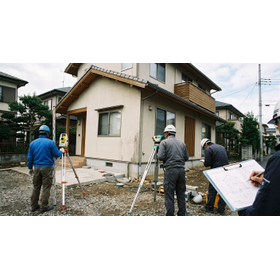
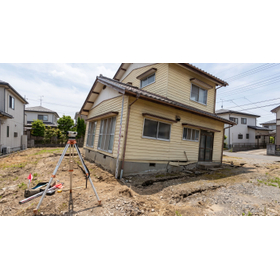
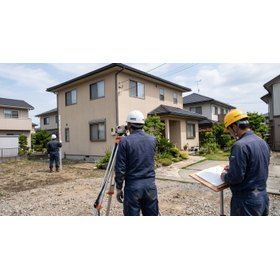
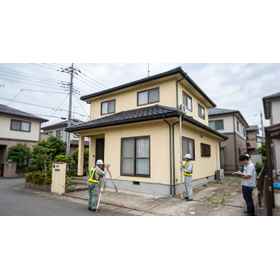
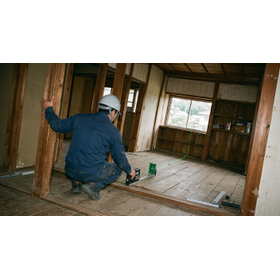
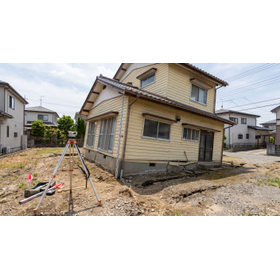
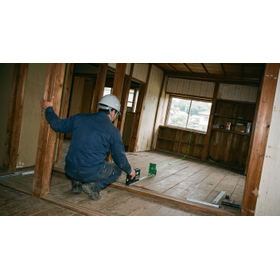
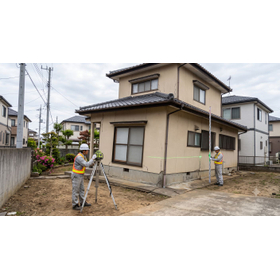
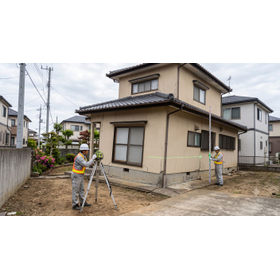
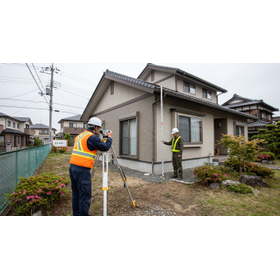
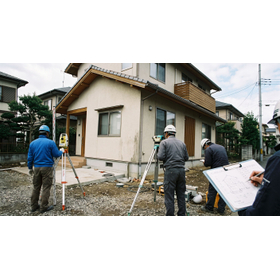
This is a low-cost, high-precision subsidence correction method that repairs building subsidence accompanied by foundation cracks without waste, based on scientific diagnosis through SWS (Screw Weight Penetration) testing and precise level measurement. It accurately analyzes ground resistance values and the distribution of weak layers at multiple points within the site to investigate the true causes of subsidence. For the foundation structure damaged by subsidence stress, high-viscosity epoxy resin is pressure-injected to seal and repair cracks, restoring bending strength and seismic resistance to levels exceeding those of new construction. In the lifting process, pressure plates are concentrated under the foundation in the subsidence area, and small hydraulic jacks are linked with high-precision laser measuring devices to carry out millimeter-level precise leveling adjustments. After jacking up, high-density air-mortar (air milk) is injected into the gap between the foundation and the ground to densify it, preventing future risks of re-subsidence. Since it can be constructed with minimal excavation and partial jacking adjustments, it does not incur excessive construction costs and safely and reliably resolves tilting issues in a short period while residents remain in the building.
Added to bookmarks
Bookmarks listBookmark has been removed
Bookmarks listYou can't add any more bookmarks
By registering as a member, you can increase the number of bookmarks you can save and organize them with labels.
Free membership registration
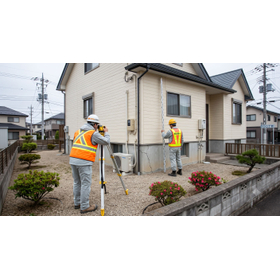
This is a reliable sinking correction solution that fundamentally addresses the issue of building subsidence accompanied by foundation cracks. For structural cracks in the foundation caused by uneven ground or localized softening, high-viscosity epoxy resin is injected and filled under high pressure and density to restore the compromised structural strength and significantly improve waterproofing. At the same time, a pressure plate is precisely installed directly beneath the sunken foundation, and high-precision millimeter-level lift-up is performed using hydraulic jacks to restore the tilted building to a precise horizontal state. After the jacking is completed, air bubble mortar (air milk) is poured into the fine gaps that have formed between the foundation and the ground, filling and solidifying them without any gaps, significantly increasing the contact area to prevent future re-sinking or differential settlement. Since this solution accommodates construction while residents are living in the home without the need for large machinery, extensive demolition, or temporary relocation, it greatly reduces the burden on homeowners' daily lives and secondary costs such as temporary housing rent. With reliable construction techniques and uncompromising quality control, we dramatically restore the seismic resistance, durability, and asset value of homes, providing long-lasting peace of mind.
Added to bookmarks
Bookmarks listBookmark has been removed
Bookmarks listYou can't add any more bookmarks
By registering as a member, you can increase the number of bookmarks you can save and organize them with labels.
Free membership registration
In securing land for warehouses and logistics facilities, the risk of soil contamination due to past land use can lead to unexpected additional costs and development delays. Geotech, as a Ministry of the Environment designated investigation agency, provides a one-stop service for investigations tailored to the land's condition, from historical land use surveys (Phase 1) to overview surveys (Phase 2) and detailed surveys (Phase 3), assessing soil contamination risks. 【Usage Scenarios】 - When acquiring land for new warehouses and logistics facilities - Investigating land for the expansion of existing facilities - Risk assessment in land transactions 【Benefits of Implementation】 - Reduction of soil contamination risks associated with development - Clarification of the presence of hazardous substances through pre-construction soil overview surveys - Support for the preparation of reports for administrative submission
Added to bookmarks
Bookmarks listBookmark has been removed
Bookmarks listYou can't add any more bookmarks
By registering as a member, you can increase the number of bookmarks you can save and organize them with labels.
Free membership registration
In the loan screening process of financial institutions, the assessment of potential risks associated with the real estate used as collateral is crucial. In particular, soil contamination resulting from past land use can be a significant factor leading to unexpected additional costs, development delays, and even a decrease in asset value. GeoTech, designated as a survey organization by the Ministry of the Environment, provides a one-stop service for the determination and evaluation of soil contamination risks based on reliable technical specifications, from historical land use surveys (Phase 1) to general surveys (Phase 2) and detailed surveys (Phase 3). This supports accurate risk understanding of the real estate subject to financing and contributes to more reliable lending decisions. 【Usage Scenarios】 - Assessment of soil contamination risks for collateral real estate in loan screenings - Identification of risk factors in lending decisions for real estate development projects - Understanding potential risks in lending for existing real estate 【Benefits of Implementation】 - Objective evaluation of real estate risks in loan screenings - Reduction of additional costs and development delay risks due to soil contamination - Improved accuracy of lending decisions and strengthened risk management
Added to bookmarks
Bookmarks listBookmark has been removed
Bookmarks listYou can't add any more bookmarks
By registering as a member, you can increase the number of bookmarks you can save and organize them with labels.
Free membership registration
In the demolition industry, after a building is demolished and the land is cleared, the presence or absence of soil contamination due to past land use can affect subsequent land utilization or sale. If soil contamination is discovered, there are concerns about unexpected additional costs and development delays. Therefore, it is important to understand the risks of soil contamination and respond appropriately before the demolition stage. Geotech, as a Ministry of the Environment designated investigation agency, conducts a one-stop assessment and evaluation of soil contamination risks from historical land use surveys (Phase 1) to general surveys (Phase 2) and detailed surveys (Phase 3). This ensures the safety of the land after demolition and supports smooth land clearing. 【Usage Scenarios】 - Site investigation before demolition work - Confirmation of soil conditions for land sale or utilization after land clearing - Verification of contamination due to past business activities 【Benefits of Implementation】 - Reduction of soil contamination risks after demolition - Facilitation of land use planning after land clearing - Support for the preparation of reports for administrative submission
Added to bookmarks
Bookmarks listBookmark has been removed
Bookmarks listYou can't add any more bookmarks
By registering as a member, you can increase the number of bookmarks you can save and organize them with labels.
Free membership registration
In the chemical industry, the risk of soil contamination due to past land use and business activities has become a significant issue for compliance with environmental regulations and business continuity. Unexpected additional costs and development delays can impact business plans. Geotech, as a designated investigation agency by the Ministry of the Environment, conducts assessments and evaluations of soil contamination risks based on reliable technical specifications from Phase 1 to Phase 3. This clarifies the presence or absence of soil contamination in the planning and execution of environmental measures, supporting appropriate responses. Our soil contamination investigation services contribute to strengthening environmental compliance in the chemical industry and promoting sustainable business operations. 【Usage Scenarios】 - New development and expansion within factory premises - Due diligence in M&A - Environmental risk assessment during business relocation - Regular environmental surveys for legal compliance 【Benefits of Implementation】 - Early detection and reduction of soil contamination risks - Reliable response to environmental regulations - Stabilization of business plans and improvement of reliability
Added to bookmarks
Bookmarks listBookmark has been removed
Bookmarks listYou can't add any more bookmarks
By registering as a member, you can increase the number of bookmarks you can save and organize them with labels.
Free membership registration
In the relocation of manufacturing factories, it is important to understand the presence or absence of soil contamination risks due to past land use in advance to prevent unexpected additional costs and development delays. Geotech, as a Ministry of the Environment designated investigation agency, assesses and evaluates soil contamination risks associated with factory relocation from Phase 1 to Phase 3 with reliable technical specifications. We provide a one-stop service from retrospective analysis of land use history to investigation of surface contamination and identification of contamination spread, supporting our clients' factory relocation plans. 【Usage Scenarios】 - Soil contamination risk assessment when acquiring new land for factory relocation - Soil contamination investigation associated with the closure or demolition of existing factories - Confirmation of soil conditions before starting development at the new location 【Benefits of Implementation】 - Reduction of soil contamination risks associated with factory relocation - Clarification of the presence of hazardous substances through pre-construction soil condition surveys and preparation of reports for administrative submission.
Added to bookmarks
Bookmarks listBookmark has been removed
Bookmarks listYou can't add any more bookmarks
By registering as a member, you can increase the number of bookmarks you can save and organize them with labels.
Free membership registration
In real estate development and land acquisition, the risk of soil contamination due to past land use can lead to unexpected additional costs and delays in development. The presence or absence of soil contamination is also an important consideration in the development permit acquisition process. Geotech, as a Ministry of the Environment designated investigation agency, assesses and evaluates soil contamination risks based on reliable technical specifications, from historical land use surveys (Phase 1) to general surveys (Phase 2) and detailed surveys (Phase 3). This helps reduce risks associated with development and supports a smooth acquisition of development permits. 【Usage Scenarios】 - Before starting new real estate development projects - Risk assessment before land acquisition - Confirmation of soil contamination status before development permit application - Demolition and redevelopment of existing buildings 【Benefits of Implementation】 - Reduction of soil contamination risks associated with development - Clear identification of the presence of hazardous substances through reliable soil general surveys (Phase 2) conducted before construction, along with comprehensive support for the preparation of reports for administrative submission.
Added to bookmarks
Bookmarks listBookmark has been removed
Bookmarks listYou can't add any more bookmarks
By registering as a member, you can increase the number of bookmarks you can save and organize them with labels.
Free membership registration
In the chemical industry, managing soil contamination risks arising from past business activities is crucial for business continuity. Particularly when it involves building demolition or land alteration, there is a risk of unexpected soil contamination being discovered, which can lead to project delays and additional costs. Early identification and appropriate response to these risks are essential for executing business plans and ensuring compliance. Geotech provides soil contamination surveys to address these challenges as a Ministry of the Environment designated investigation agency. 【Usage Scenarios】 - Before demolition or renovation work at chemical plants or factories - Assessment of soil contamination risks based on past operational history - Due diligence before purchasing or selling new development land - Conducting surveys for legal compliance 【Benefits of Implementation】 - Risk identification during the planning stage of demolition work - Prevention of construction delays due to unexpected soil contamination - Cost management through appropriate measures - Assurance of legal compliance
Added to bookmarks
Bookmarks listBookmark has been removed
Bookmarks listYou can't add any more bookmarks
By registering as a member, you can increase the number of bookmarks you can save and organize them with labels.
Free membership registration
In the relocation of manufacturing factories, assessing the risk of soil contamination at the old factory site and planning land use at the new location are crucial. Soil contamination resulting from past operational history can lead to unexpected delays in construction, additional costs, and challenges in complying with environmental regulations. Early identification of these risks and implementing appropriate measures are essential for a smooth factory relocation and business continuity. Geotech, as a Ministry of the Environment designated investigation agency, provides one-stop support from historical investigations to detailed surveys, assisting customers with their factory relocations. 【Usage Scenarios】 - Soil contamination surveys before the sale or redevelopment of factory sites - Land evaluation before the construction of new factories at the relocation site - Confirmation of soil contamination associated with demolition work - Analysis of surplus soil generated from construction 【Benefits of Implementation】 - Risk identification during the factory relocation planning phase - Prevention of construction delays due to soil contamination - Cost management through appropriate measures - Assurance of legal compliance
Added to bookmarks
Bookmarks listBookmark has been removed
Bookmarks listYou can't add any more bookmarks
By registering as a member, you can increase the number of bookmarks you can save and organize them with labels.
Free membership registration
In real estate development, early detection of soil contamination risks is essential for proper land valuation and the maintenance of future asset value. Particularly in cases involving the demolition of structures or land alteration, soil contamination stemming from past land use history can lead to unexpected project delays and additional costs. As a survey organization designated by the Ministry of the Environment, Geotech provides one-stop services from historical land use surveys (Phase 1) to soil overview surveys (Phase 2) and detailed investigations (Phase 3), supporting our clients' land evaluations through reliable investigations and report preparation. 【Usage Scenarios】 - Land evaluation before demolition and land clearing - Risk assessment in development planning - Due diligence before purchase or sale 【Benefits of Implementation】 - Proper land valuation and pricing - Smooth progress of development plans - Prevention of unexpected cost increases - Assurance of legal compliance
Added to bookmarks
Bookmarks listBookmark has been removed
Bookmarks listYou can't add any more bookmarks
By registering as a member, you can increase the number of bookmarks you can save and organize them with labels.
Free membership registration
In the construction industry, early identification of soil contamination risks due to past land use is crucial in demolition work and land alteration to prevent delays and additional costs. Geotech, as a designated investigation agency, provides a one-stop service from historical land use surveys (Phase 1) to soil condition surveys (Phase 2) and detailed investigations (Phase 3), ensuring reliable sample collection and soil analysis, and promptly preparing and delivering reports for administrative submission. [Usage Scenarios] - Site investigation before structural demolition - Soil risk assessment before land alteration - Analysis of excavated soil from construction - Sampling in indoor or confined spaces [Benefits of Implementation] - Risk identification during the demolition planning stage - Prevention of construction delays due to unexpected soil contamination - Cost management through appropriate measures - Assurance of legal compliance
Added to bookmarks
Bookmarks listBookmark has been removed
Bookmarks listYou can't add any more bookmarks
By registering as a member, you can increase the number of bookmarks you can save and organize them with labels.
Free membership registration
In conducting collateral evaluations, financial institutions must consider the potential soil contamination risks of the target real estate, as these directly impact asset value fluctuations and the risk of future defaults. Particularly when the past usage of the land is unclear, unexpected environmental issues may arise, significantly undermining collateral value. Therefore, an objective and reliable risk assessment based on accurate information is essential. Our "Designated Investigation Agency | Soil Contamination Investigation and Phase 1 Historical Investigation for Land Transactions" serves as a designated investigation agency by the Ministry of the Environment, ensuring thorough historical investigations that preemptively identify and eliminate these risks, thereby enhancing the accuracy of collateral evaluations. 【Usage Scenarios】 - Collateral real estate evaluation during loan screening - Risk management for real estate collateral loans - Understanding soil contamination risks in asset assessments 【Benefits of Implementation】 - Visualization of potential risks associated with collateral real estate - More accurate assessment of collateral value - Prevention of troubles after loan execution
Added to bookmarks
Bookmarks listBookmark has been removed
Bookmarks listYou can't add any more bookmarks
By registering as a member, you can increase the number of bookmarks you can save and organize them with labels.
Free membership registration
In the selection of land for warehouses and logistics facilities, maintaining future asset value and ensuring smooth transactions are important factors. Particularly in areas with large-scale developments or operational histories, there may be potential risks of soil contamination. It is essential to identify these risks in advance to prevent transaction troubles and declines in asset value. Our "Designated Investigation Agency | Soil Contamination Survey and Phase 1 Historical Investigation for Land Transactions" provides reliable historical investigations based on objective data as a designated investigation agency by the Ministry of the Environment, addressing these challenges. 【Usage Scenarios】 - When acquiring land for new warehouses and logistics facilities - When considering expansion land for existing facilities - In land transactions involving development areas exceeding 3,000 m² - In land selection in former factory sites or industrial areas 【Benefits of Implementation】 - Advance understanding of soil contamination risks and planning of countermeasures - Prevention of troubles in real estate transactions - Contribution to objective evaluation of asset value and price formation - Reliable compliance with legal investigation obligations
Added to bookmarks
Bookmarks listBookmark has been removed
Bookmarks listYou can't add any more bookmarks
By registering as a member, you can increase the number of bookmarks you can save and organize them with labels.
Free membership registration
In the chemical industry, managing the risk of soil contamination associated with business activities and ensuring compliance with laws and regulations in land transactions is essential. In particular, potential contamination from past operational history and substances used can lead to decreased asset value and future troubles. To ensure environmental compliance, objective and comprehensive preliminary investigations are indispensable. Our "Designated Investigation Agency | Soil Contamination Investigation and Phase 1 Historical Investigation for Land Transactions" addresses these challenges and supports safe land transactions. 【Usage Scenarios】 - Buying and selling factory sites and business premises - Acquisition of land for new development - Due diligence in M&A - Compliance with environmental regulations 【Benefits of Implementation】 - Early detection and avoidance of soil contamination risks - Proper assessment of asset value - Prevention of transaction disputes - Reliable proof of legal compliance
Added to bookmarks
Bookmarks listBookmark has been removed
Bookmarks listYou can't add any more bookmarks
By registering as a member, you can increase the number of bookmarks you can save and organize them with labels.
Free membership registration
For those in the manufacturing industry, the risks of soil contamination associated with the purchase or sale of land can have unforeseen impacts on business operations. In particular, the history of past factory operations and the use of specific hazardous substances raise concerns about potential declines in future asset value and issues during transactions. A reliable historical investigation (Phase 1) conducted by an Environment Ministry-designated investigation agency is essential for identifying these risks in advance and enhancing the safety of business continuity plans. Compliance with legal investigation obligations for development areas exceeding 3,000 m², as well as comprehensive analysis of public notification records and historical documents, allows for a multifaceted assessment of potential risks associated with the land. 【Usage Scenarios】 - When purchasing or selling factory land - When acquiring land for business expansion - During due diligence in M&A - When relocating or expanding existing facilities 【Benefits of Implementation】 - Reduction of potential risks in land transactions - Objective assessment of asset value - Prevention of transaction disputes - Assurance of compliance with laws and regulations - Stabilization of business continuity plans
Added to bookmarks
Bookmarks listBookmark has been removed
Bookmarks listYou can't add any more bookmarks
By registering as a member, you can increase the number of bookmarks you can save and organize them with labels.
Free membership registration
In the real estate development industry, assessing the risk of soil contamination in land transactions is essential for the smooth progress of projects and the maintenance of asset value. Particularly when the development area exceeds 3,000 m², there is an obligation to conduct investigations based on the Soil Contamination Countermeasures Act, requiring appropriate responses. If unexpected soil contamination is discovered, additional remediation costs and delays in construction schedules may arise, significantly impacting business plans. Our historical investigation (Phase 1), as a designated investigation agency by the Ministry of the Environment, provides investigations based on reliable technical specifications to identify and eliminate these risks in advance. 【Usage Scenarios】 - Risk assessment before land purchase and handover - Compliance with legal investigation obligations for areas exceeding 3,000 m² - Prevention of transaction disputes 【Benefits of Implementation】 - Reduction of asset value decline risk - Prevention of transaction disputes - Assurance of legal compliance - Understanding the impact on objective price formation
Added to bookmarks
Bookmarks listBookmark has been removed
Bookmarks listYou can't add any more bookmarks
By registering as a member, you can increase the number of bookmarks you can save and organize them with labels.
Free membership registration
In the machinery manufacturing industry, early detection and management of soil contamination risks are essential for business continuity and maintaining future asset value. Particularly during factory operations, there are concerns that investigations may impact business activities; however, it is important to conduct investigations in compliance with the Soil Contamination Countermeasures Act while minimizing the impact on operations through appropriate planning and execution. Our "Designated Investigation Agency | Soil Contamination Investigation (for Operating Factories)" has been developed to meet these needs. 【Usage Scenarios】 - To confirm the presence or absence of soil contamination within the factory premises - To prepare for future land sales or asset evaluations - To conduct investigations while minimizing the impact on operations - To obtain a highly reliable investigation report compliant with the Soil Contamination Countermeasures Act 【Benefits of Implementation】 - Early detection of soil contamination risks and planned countermeasures - Conducting investigations while ensuring business continuity - Contributing to the maintenance and enhancement of asset value - Obtaining reliable investigation results that meet administrative standards
Added to bookmarks
Bookmarks listBookmark has been removed
Bookmarks listYou can't add any more bookmarks
By registering as a member, you can increase the number of bookmarks you can save and organize them with labels.
Free membership registration
In the electronics component industry, identifying sources of soil contamination in operating factories is emphasized as crucial for compliance with environmental regulations and maintaining future asset value. In particular, managing potential contaminants in the manufacturing process is essential from the perspective of business continuity. Improper management poses risks that can lead to operational shutdowns or significant remediation costs. Our soil contamination surveys, conducted as a designated investigation agency by the Ministry of the Environment, ensure the implementation of essential historical investigations (Phase 1) and soil condition surveys (Phase 2) with reliable technical specifications while minimizing impacts on operations. 【Usage Scenarios】 - Risk assessment of soil contamination during factory operations - Identification of sources of emissions in the manufacturing process - Preliminary surveys for future land transfers and asset evaluations - Strategic sampling plans in compliance with Ministry of the Environment regulations 【Benefits of Implementation】 - Understanding and controlling contamination risks while continuing operations - Enabling planned cost estimation for countermeasures - Supporting secure land transfers - Rapid issuance of environmental investigation reports under the name of the designated investigation agency
Added to bookmarks
Bookmarks listBookmark has been removed
Bookmarks listYou can't add any more bookmarks
By registering as a member, you can increase the number of bookmarks you can save and organize them with labels.
Free membership registration
In the plastic products industry, factories are required to manage the risk of soil contamination while continuing operations. Particularly considering future land transfers and asset evaluations, it is important to conduct investigations in compliance with the Soil Contamination Countermeasures Act in advance. Inadequate management can lead to operational shutdowns and unexpected costs. Our soil contamination investigations are carried out with reliable technical specifications as a "designated investigation agency" by the Ministry of the Environment, minimizing the impact on operations. [Utilization Scenarios] - Early detection of soil contamination risks during factory operations - Preparatory measures for future land transfers and asset evaluations - Conducting investigations in compliance with the Soil Contamination Countermeasures Act [Benefits of Implementation] - Managing contamination risks while continuing operations - Supporting the calculation of planned countermeasure costs - Ensuring a safe land transfer
Added to bookmarks
Bookmarks listBookmark has been removed
Bookmarks listYou can't add any more bookmarks
By registering as a member, you can increase the number of bookmarks you can save and organize them with labels.
Free membership registration
In the printing and binding industry, there is a need for the management of harmful substances associated with business activities, as well as soil contamination measures aimed at future land transfer and asset evaluation. Particularly in operating factories, it is important to conduct investigations in compliance with the Soil Contamination Countermeasures Act while minimizing the impact on operations. Our soil contamination investigations, as a "designated investigation agency" by the Ministry of the Environment, are conducted with reliable technical specifications to support our clients' business continuity and compliance. 【Usage Scenarios】 - Soil contamination risk assessment during factory operations - Preliminary investigations for future land sales or asset evaluations - Strengthening of harmful substance management systems - Conducting investigations for legal compliance 【Benefits of Implementation】 - Conducting investigations with minimized impact on operations - Support for planned cost estimation for countermeasures - Safe land transfer - Issuance of highly reliable reports under the name of a designated investigation agency
Added to bookmarks
Bookmarks listBookmark has been removed
Bookmarks listYou can't add any more bookmarks
By registering as a member, you can increase the number of bookmarks you can save and organize them with labels.
Free membership registration
In the metal refining industry, managing the risks of soil contamination associated with operations is crucial. Particularly, in anticipation of future land transfers and asset evaluations, accurate investigations compliant with the Soil Contamination Countermeasures Act are required. Early identification of potential contamination and the implementation of planned measures are essential for business continuity and maintaining compliance. Our designated investigation agency conducts soil contamination surveys with reliable technical specifications while minimizing the impact on operations. Through historical land use surveys (Phase 1), we retrospectively analyze past land use and assess the potential for contamination. Based on the results, we develop a strategic sampling plan in accordance with Ministry of the Environment regulations and scientifically confirm the presence or absence of contamination through soil profile surveys (Phase 2). We promptly prepare and deliver environmental investigation reports under the name of the designated investigation agency, supporting the calculation of planned remediation costs and ensuring safe land transfers. [Usage Scenarios] - Identification of soil contamination within operating factory premises - Preliminary surveys before future land sales or asset evaluations - Conducting investigations to comply with legal regulations [Benefits of Implementation] - Understanding and managing soil contamination risks while continuing operations - Calculating planned remediation costs through contamination identification - Ensuring safe land transfers based on highly reliable investigation results
Added to bookmarks
Bookmarks listBookmark has been removed
Bookmarks listYou can't add any more bookmarks
By registering as a member, you can increase the number of bookmarks you can save and organize them with labels.
Free membership registration
In the chemical industry, early assessment of soil contamination risks at operating factories is required. Particularly, in anticipation of future land transfer and asset evaluation, detailed investigations compliant with the Soil Contamination Countermeasures Act are essential. Geotech, as a "designated investigation agency" by the Ministry of the Environment, provides consistent support from "historical land use surveys (Phase 1)" that analyze past land use history, to sampling plans compliant with Ministry of the Environment regulations based on site area and excavation depth, on-site soil gas surveys, "sample collection," and precise testing of hazardous substances in "soil overview surveys (Phase 2)." This allows for the rapid creation and delivery of "environmental investigation reports under the name of the designated investigation agency," supporting planned cost estimation for countermeasures and ensuring safe land transfer while minimizing impacts on operations. [Usage Scenarios] - Operating factory sites - When anticipating future land sales or asset evaluations - When compliance with environmental regulations is necessary [Benefits of Implementation] - Early understanding and assessment of soil contamination risks - Acquisition of objective data for regulatory compliance - Establishment of a foundation for planned cost estimation for countermeasures - Smooth land transfer and asset management realization
Added to bookmarks
Bookmarks listBookmark has been removed
Bookmarks listYou can't add any more bookmarks
By registering as a member, you can increase the number of bookmarks you can save and organize them with labels.
Free membership registration
In residential foundation reinforcement, it is essential to address issues such as foundation settlement and cracking early on to maintain the long-term safety and comfort of the building. Particularly in the case of strip foundations, certain settlements and structural cracks can potentially impact the building's seismic resistance and structural strength. Ignoring these problems can accelerate the deterioration of the building and increase the risk of major repairs in the future or during an earthquake. Our settlement correction work addresses these challenges with scientific investigation and precise repair techniques, restoring the safety of the building. 【Usage Scenarios】 - Detached houses with partial settlement or structural cracks in strip foundations - Cases requiring recovery of the building's seismic resistance and structural strength - Situations where there is a desire to reduce the risk of future settlement or differential settlement during a major earthquake - Cases where construction needs to proceed while residents are still living in the home 【Benefits of Implementation】 - Reliable recovery of the building's seismic performance and structural strength - Stabilization of the foundation through precise horizontal correction at the millimeter level - Improvement of concrete structural strength through carbon fiber reinforcement - Fundamental elimination of future settlement risks through steel pipe pile driving - Construction that respects the residents' daily routines while they continue to live in the home
Added to bookmarks
Bookmarks listBookmark has been removed
Bookmarks listYou can't add any more bookmarks
By registering as a member, you can increase the number of bookmarks you can save and organize them with labels.
Free membership registration
This proposal is a speed settlement correction solution that achieves millimeter-level high-precision adjustments in an extremely short construction period through the collaboration of digital measurement technology and an elite team, addressing partial subsidence of the foundation and structural cracks. By instantly digitally analyzing the data from the pre-conducted SWS (Screw Weight Penetration) test, we identify the localized soft layers causing the subsidence. During the lifting operation, we use a super high-precision 3D laser level measuring device in conjunction with a small hydraulic jack to accurately return the building to a level position in millimeter increments while monitoring the displacement in real time. For the cracks in the foundation caused by subsidence, we apply pressure injection of high-viscosity epoxy resin to quickly restore the structural strength, and we strongly prevent re-subsidence through the insertion of steel pipe piles into the supporting layer and filling with non-shrink mortar. This process requires no temporary housing or moving, minimizing living stress during the construction period, and swiftly restoring the peace of mind and healthy living environment of a newly built home in a short time.
Added to bookmarks
Bookmarks listBookmark has been removed
Bookmarks listYou can't add any more bookmarks
By registering as a member, you can increase the number of bookmarks you can save and organize them with labels.
Free membership registration
This construction method is a settlement correction solution that addresses partial sinking and structural cracks in cloth foundations, which are issues that arise during the buying and renovating of used single-family homes, significantly enhancing real estate value. Through preliminary SWS (Screw Weight Penetration) tests and high-precision laser surveying, the causes of building tilt and uneven ground settlement are clarified with objective data. During construction, small hydraulic jacks are placed at the sinking areas, and the structure is accurately lifted to a level position in millimeter increments under constant laser level monitoring. Cracked cloth foundations are repaired with epoxy resin injection to restore structural strength, and measures such as the insertion of steel pipe piles into deep support layers and the installation of pressure plates are taken to prevent re-settlement. This process enables the passing of mortgage examinations and building inspections, providing total support up to the re-attachment of ground guarantees. It fundamentally proves the safety of "problematic tilted properties," leading real estate transactions and asset preservation to assured success.
Added to bookmarks
Bookmarks listBookmark has been removed
Bookmarks listYou can't add any more bookmarks
By registering as a member, you can increase the number of bookmarks you can save and organize them with labels.
Free membership registration
This construction method is a surrounding consideration type of settlement correction solution that safely resolves partial sinking of strip foundations and structural cracks that occur in densely populated residential areas or small lots with narrow spacing from neighboring properties. By conducting a pre-emptive SWS (Screw Weight Insertion) test and precise level measurements, we accurately quantify ground unevenness even in tight spaces and identify the causes. During construction, we selectively use electric hydraulic pumps that do not emit exhaust gases, as well as low-noise and low-vibration equipment, while minimizing the storage space for materials to thoroughly reduce traffic obstruction and noise stress for neighbors. We place small multi-stage hydraulic jacks in the limited gaps under the floor and beside the foundation, performing millimeter-level horizontal restoration while monitoring with high-precision laser level measuring instruments. Cracked areas of the foundation are treated with epoxy resin injection, and we strongly prevent re-sinking through the insertion of small-diameter steel pipe piles and the installation of pressure-resistant slabs. This reliable method perfectly balances construction while the client resides in the property and consideration for the neighbors.
Added to bookmarks
Bookmarks listBookmark has been removed
Bookmarks listYou can't add any more bookmarks
By registering as a member, you can increase the number of bookmarks you can save and organize them with labels.
Free membership registration
This construction method is a specialized solution that combines ground analysis based on the SWS (Screw Weight Penetration) test and partial jacking up for single-family homes where some settlement of the foundation and structural cracks have occurred. By conducting a preliminary survey, the causes of uneven settlement in the ground are identified as objective data, and small hydraulic jacks are placed in the settling foundation areas to perform precise horizontal corrections in millimeter increments. For structural cracks in the cloth foundation caused by settlement stress, high-viscosity epoxy resin injection and carbon fiber sheet reinforcement are applied, enhancing the strength of the concrete structure beyond that of a new build. Furthermore, by optimally combining the underpinning method of driving steel pipe piles into the supporting ground, we fundamentally eliminate the risks of future resettlement and uneven settlement during major earthquakes. This method allows for complete construction while residents remain in their homes, ensuring that the homeowner's daily rhythm and comfort are preserved while broadly restoring the overall structural safety of the house, so you can trust us with confidence.
Added to bookmarks
Bookmarks listBookmark has been removed
Bookmarks listYou can't add any more bookmarks
By registering as a member, you can increase the number of bookmarks you can save and organize them with labels.
Free membership registration
This proposal is a settlement correction and structural reinforcement solution that effectively repairs partial settlement of the mat foundation and structural cracks without incurring excessive construction costs. By conducting a preliminary SWS (Screw Weight Insertion) test, we can pinpoint the specific soft layers or settlement areas causing the subsidence. By applying a "partial jack-up method" that selectively lifts and corrects only the necessary areas without jacking up the entire building, we minimize construction equipment and personnel, significantly reducing construction costs and time. Furthermore, for structural cracks in the foundation, we combine high-viscosity epoxy resin injection, carbon fiber sheet application, and additional foundation reinforcement to dramatically enhance the durability and toughness of the foundation structure beyond its original level. After jacking up, we will perform steel pipe pile insertion, pressure plate installation, and mortar filling to completely eliminate the risk of future subsidence recurrence. We provide a rational option that balances cost-effectiveness with reliable safety structures and the preservation of the building's asset value.
Added to bookmarks
Bookmarks listBookmark has been removed
Bookmarks listYou can't add any more bookmarks
By registering as a member, you can increase the number of bookmarks you can save and organize them with labels.
Free membership registration
This plan is a solution for contractors and house manufacturers that covers everything from the scientific clarification of the causes of partial subsidence of the foundation and structural cracks that occur in homes after delivery, to precise corrections and warranty provisions. By conducting SWS (Screw Weight Insertion) tests and high-precision measurements of the building in advance, we visualize the factors of uneven subsidence in the ground and present a correction plan based on clear evidence. We adopt an approach of "repairing while living" that does not require temporary housing or moving, and we prevent secondary complaints through thorough site management with dust protection and low-noise construction. In the construction process, we use a small hydraulic jack in conjunction with a laser measurement device to accurately return the building to a level position without applying pressure to it, down to the millimeter. Along with repairing foundation cracks, we perform permanent ground reinforcement using steel pipe piles and pressure plates, providing a one-stop solution that includes reissuing ground warranties. We aim to transform the trust of clients who have been discouraged by troubles into a solid positive impression by providing "greater peace of mind than at the time of new construction."
Added to bookmarks
Bookmarks listBookmark has been removed
Bookmarks listYou can't add any more bookmarks
By registering as a member, you can increase the number of bookmarks you can save and organize them with labels.
Free membership registration
This construction method is a subsidence correction solution for single-family homes that have experienced partial sinking of the foundation or structural cracks. It scientifically investigates the causes based on SWS (Screw Weight Penetration) tests and high-precision level measurements, allowing for partial jacking up while maintaining the living infrastructure. By implementing flexible piping measures that do not disrupt lifelines such as city gas and water supply and drainage, we achieve complete construction while residents remain in their homes, without the need for temporary housing or relocation. For cracks in the foundation caused by uneven subsidence, we apply structural repairs such as epoxy resin injection, and during lifting, we use small hydraulic jacks and laser measuring devices to safely and precisely restore levelness to the millimeter. Furthermore, by combining the driving of steel pipe piles into the supporting ground and the installation of pressure-resistant slabs, we fundamentally eliminate the risk of future re-subsidence. We dramatically reduce the financial and mental burden on homeowners while ensuring the safety of their homes and enhancing property value, so you can trust us to handle it with confidence.
Added to bookmarks
Bookmarks listBookmark has been removed
Bookmarks listYou can't add any more bookmarks
By registering as a member, you can increase the number of bookmarks you can save and organize them with labels.
Free membership registration
This proposal is a settlement correction method that effectively repairs partial subsidence and cracking issues in strip foundations without incurring excessive construction costs. By conducting a preliminary SWS (Screw Weight Insertion) test, we can pinpoint the specific soft layers or subsidence areas causing the settlement. By applying a "partial jack-up method" that selectively lifts and corrects only the necessary areas without jacking up the entire building, we minimize construction equipment and personnel, achieving significant cost reductions. Furthermore, for structural cracks in the foundation, we combine high-viscosity epoxy resin injection and carbon fiber sheet reinforcement to significantly enhance the durability and toughness of the foundation structure beyond the level of new construction. If necessary, we will implement deep pile driving or pressure slab methods to completely contain the risk of future settlement recurrence. This method is chosen by many contractors and clients as a rational option that balances smart cost management with reliable safety structures and the preservation of the building's asset value.
Added to bookmarks
Bookmarks listBookmark has been removed
Bookmarks listYou can't add any more bookmarks
By registering as a member, you can increase the number of bookmarks you can save and organize them with labels.
Free membership registration
This plan is a resident-friendly subsidence correction solution that precisely and safely repairs partial subsidence of the foundation and structural cracks while protecting the daily lives of residents. By conducting a pre-implementation SWS (Screw Weight Insertion) test and high-precision measurements of the floor levels inside and outside, we visualize the localized causes of subsidence and the unevenness of the ground. Based on the diagnostic results, we ensure dust prevention measures and safe pathways to prevent dust from entering the living space, and we carry out partial jacking using small hydraulic jacks. By lifting and correcting in millimeter increments while monitoring the building's minute movements in real-time with a 3D laser level measuring device, we can restore it to a level position without placing undue stress on walls or columns. For foundation cracks, we apply epoxy resin injection and, if necessary, use steel pipe pile driving and pressure plate reinforcement to prevent re-subsidence. We promise to achieve a worry-free construction process that incurs no temporary housing costs or moving expenses, minimizing the mental and financial stress for the client.
Added to bookmarks
Bookmarks listBookmark has been removed
Bookmarks listYou can't add any more bookmarks
By registering as a member, you can increase the number of bookmarks you can save and organize them with labels.
Free membership registration
This construction method is a groundbreaking settlement correction solution for single-family homes that have experienced partial sinking of the foundation or structural cracks. It scientifically identifies the causes based on SWS (Screw Weight Penetration) tests and precise building level measurements, followed by partial jacking and ground reinforcement. For localized tilting caused by weak ground or uneven consolidation of fill, we use small hydraulic jacks and high-precision laser measurement devices to safely and reliably restore the level to within millimeters. Cracked areas of the foundation are repaired with epoxy resin injection and U-cut seals, and, if necessary, we optimally combine steel pipe pile driving methods and pressure slab methods to fundamentally eliminate the risk of future settlement. Our method fully accommodates construction while residents are living in the home, without the need for moving or temporary housing, allowing work to proceed while maintaining the residents' daily routines. We significantly reduce the financial and mental burden on homeowners, ensuring structural integrity and enhancing long-term asset value, so you can rest assured.
Added to bookmarks
Bookmarks listBookmark has been removed
Bookmarks listYou can't add any more bookmarks
By registering as a member, you can increase the number of bookmarks you can save and organize them with labels.
Free membership registration
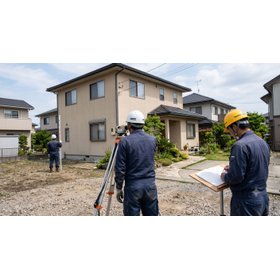
Localized subsidence and cracking in residential shallow foundations can not only cause tilting of the building but also place excessive strain on the plumbing and equipment under the floor, potentially leading to damage incidents. Typical subsidence repairs often involve temporary suspension of utilities and moving to temporary housing, which can impose a significant burden on homeowners. GeoTech's subsidence repair work offers a groundbreaking jack-up plan that can be executed without interrupting essential services such as city gas, water supply, and electricity. While installing flexible joints to prevent pipe breakage and taking careful protective measures, we press and install steel pipe piles into deep hard layers using the weight of the building as a counterforce. We precisely lift the subsided shallow foundation to restore it to a level position within millimeters. At the same time, we inject epoxy resin into the cracks in the foundation concrete to restore strength and waterproofing, and we fill the voids in the subsided ground under the floor with high-density air-entrained mortar (air milk). This allows for construction while living normally, minimizing both the construction period and costs.
Added to bookmarks
Bookmarks listBookmark has been removed
Bookmarks listYou can't add any more bookmarks
By registering as a member, you can increase the number of bookmarks you can save and organize them with labels.
Free membership registration
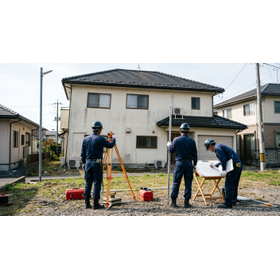
The presence of buried waste and rubble, as well as irregular old embankment layers, which cannot be identified solely from the data of the ground survey conducted in advance, can be significant causes of localized settlement and diagonal cracks in the footing foundation. Such geological factors leading to uneven settlement cannot be prevented by simple surface ground improvement. Geotech's settlement correction work accurately identifies the causes based on excavation verification at the site and applies a steel pipe pile driving method that utilizes the building's own weight as a reaction force. Small-diameter steel pipes are pushed in with hydraulic jacks, penetrating the surface obstruction layers to firmly reach the hard supporting ground below. The irregularly settled footing foundation is safely jacked up and accurately returned to a level position, while cracked concrete foundations are repaired by injecting high-adhesion epoxy resin. Voids created by settlement under the floor and gaps around buried objects are filled with high-density air-entrained mortar to improve bearing capacity from the bottom up. The work can be completed in a short period while the residents remain in the building, fundamentally resolving the issues of irregular settlement.
Added to bookmarks
Bookmarks listBookmark has been removed
Bookmarks listYou can't add any more bookmarks
By registering as a member, you can increase the number of bookmarks you can save and organize them with labels.
Free membership registration
Local subsidence and cracks in the foundation of detached houses that occur after handover are very serious issues for contractors and house manufacturers in terms of customer response and after-sales support. Delays in identifying the cause and inadequate construction responses can lead to secondary complaints and a loss of brand trust for the company. GeoTech's subsidence correction work involves a steel pipe pile pressing method, where small hydraulic jacks use the weight of the building as a reaction force to drive steel pipe piles into deep supporting layers, precisely lifting the problematic foundation and restoring it to a high level of accuracy. Epoxy resin injection is applied to damaged concrete cracks to fully restore structural strength, and lightweight bubble mortar (air milk) is filled into ground cracks and voids to enhance ground contact. The work can be carried out while the residents remain in the house, significantly reducing the burden on homeowners with a short construction period and low vibration. With a reliable construction plan linked to the re-issuance of after-sales guarantees, we quickly resolve issues with homeowners and provide a deep sense of security.
Added to bookmarks
Bookmarks listBookmark has been removed
Bookmarks listYou can't add any more bookmarks
By registering as a member, you can increase the number of bookmarks you can save and organize them with labels.
Free membership registration
This is a cutting-edge engineering document that focuses particularly on technical management and safety within the house-jacking construction plan aimed at maintaining the residents' living conditions. It encompasses a special "pipe-following" construction process that safely corrects differential settlement while residents continue to live in the house, without ever interrupting essential lifelines such as city gas, water supply and drainage, electricity, and internet during the construction period. By controlling multiple hydraulic jacks with a computer and monitoring the building's behavior in real-time using a three-dimensional laser level measuring device, the lifting is performed with millimeter precision, preventing undue deformation stress on the structure. The on-site material storage area is optimized for space, and by adopting low-noise and low-vibration systems such as electric hydraulic pumps and soundproof generators, it perfectly prevents neighborhood troubles during construction in densely populated areas. This technical specification document promises the highest safety quality, explaining methods to reinforce foundation concrete cracks with carbon fiber sheets that possess ten times the strength of steel plates.
Added to bookmarks
Bookmarks listBookmark has been removed
Bookmarks listYou can't add any more bookmarks
By registering as a member, you can increase the number of bookmarks you can save and organize them with labels.
Free membership registration
Local subsidence and cracks in the foundation caused by seismic shaking and consolidation changes in weak ground lead to significant tilting and a dramatic decrease in the seismic resistance of homes. The subsidence correction work carried out by Geotech resolves these issues using a steel pipe pile driving method, where steel pipe piles are driven into a hard support layer under the weight of the building, monitored in real-time to the millimeter with the latest laser measurement systems. Hydraulic jacks are linked to precisely lift the building without adding stress, correcting it to its original level at the time of construction. At the same time, high-adhesion epoxy resin is injected into the cracks of the damaged foundation to fully restore structural strength and waterproofing performance, while high-strength bubble mortar (air milk) is densely injected to fill the cracks and voids that have formed in the subfloor due to subsidence. The work can be done while residents are living in the home, with no need to move to temporary housing, and is completed in a short period with minimal noise and vibration. This simultaneously improves the building's seismic performance and ensures lasting structural stability.
Added to bookmarks
Bookmarks listBookmark has been removed
Bookmarks listYou can't add any more bookmarks
By registering as a member, you can increase the number of bookmarks you can save and organize them with labels.
Free membership registration
Localized subsidence and cracking occurring in the foundation of residential buildings are significant structural issues caused by uneven ground subsidence and localized softening. If left unaddressed, the tilt of the building will further increase, leading to a substantial decrease in asset value and reduced seismic resistance. The subsidence correction work provided by Geotech utilizes the building's own weight as jack reaction force and employs a steel pipe pile pressing method, where high-strength steel pipe piles are driven deep into a hard support layer. Piles are precisely anchored at the locations of localized subsidence, and accurate leveling is restored through precise jacking. Additionally, epoxy resin injection is applied to the cracks in the foundation concrete to restore structural strength, and high-density filling of air bubble mortar is used to raise the ground bearing capacity in areas of subsidence and underground voids. Construction can be carried out while residents are living in the home, minimizing noise and vibration, and compressing the construction period and costs to a minimum. We will permanently protect the structural safety and asset value of your important home.
Added to bookmarks
Bookmarks listBookmark has been removed
Bookmarks listYou can't add any more bookmarks
By registering as a member, you can increase the number of bookmarks you can save and organize them with labels.
Free membership registration
This is a technical and management guide for house lifting construction plans specifically designed for construction companies and house manufacturers, aimed at maintaining the residents' quality of life. It comprehensively covers the process management guidelines for professionals to correct building tilt in the shortest time possible while residents continue to live in the property, without imposing the burden of moving or temporary housing on the owners when issues of differential settlement are discovered after handover. Based on ground investigation data, it accurately combines the use of existing columns, steel pipe jacking methods, and pressure slab methods to detail the process of returning the entire building to a level position without distortion. It includes a checklist of management considerations unique to occupied sites, such as attention to noise reduction, selection of low-noise and low-vibration equipment, and dust prevention measures. This practical document is essential for builders to restore trust and address warranty issues, covering everything from dialogue techniques to alleviate the psychological stress of owners, to various procedural steps for reattaching ground guarantees and insurance application processes.
Added to bookmarks
Bookmarks listBookmark has been removed
Bookmarks listYou can't add any more bookmarks
By registering as a member, you can increase the number of bookmarks you can save and organize them with labels.
Free membership registration
The sinking and cracking of strip foundations caused by the aging of residential buildings and localized ground softening lead to issues that result in stress in daily life and a decrease in the asset value of the property. Large-scale demolition and reconstruction or house-moving work require high costs and temporary housing, but with Geotech's steel pipe pile driving method, it can be safely and reasonably corrected while living in your familiar home. This method utilizes the building's own weight as a reaction force to steadily drive steel pipe piles down to a stable support layer using a small hydraulic jack, accurately jacking up and correcting the sinking areas. Since it can be constructed with partial excavation, the construction period can be minimized, optimizing construction costs. Additionally, high-viscosity resin injection is applied to the cracks in the damaged strip foundation, and lightweight, durable air milk is filled and injected into the voids created by sinking under the floor and underground to restore ground bearing capacity. It generates minimal vibration and noise for neighbors and is the definitive method for correcting residential sinking with excellent cost performance. We will continue to support your important home with a reliable construction system.
Added to bookmarks
Bookmarks listBookmark has been removed
Bookmarks listYou can't add any more bookmarks
By registering as a member, you can increase the number of bookmarks you can save and organize them with labels.
Free membership registration
In residential land development, there are many cases where uneven ground, such as backfilling behind retaining walls and the intersection of cut and fill, leads to ground consolidation settlement and differential settlement due to lateral flow. When differential settlement places excessive stress on the foundation, it can cause cracks in the foundation and ground fissures beneath the floor, increasing the risk to the building structure. The settlement correction work provided by Geotech resolves this issue by utilizing the weight of the building as jack reaction force and employing a steel pipe pile driving method that directly presses high-strength steel pipe piles into stable supporting ground. The foundation on the settlement side is carefully lifted with hydraulic jacks and accurately corrected to a horizontal state. Additionally, high-resin repair materials are injected into the cracks of the foundation, and lightweight, self-hardening air milk is filled without gaps into the voids created underground by the settlement. Construction can be carried out while residents are living in the home, eliminating the need for relocation, and foundation reinforcement is achieved in a safe and secure environment with significantly reduced noise and vibration. We provide optimal construction plans tailored to the customer's needs.
Added to bookmarks
Bookmarks listBookmark has been removed
Bookmarks listYou can't add any more bookmarks
By registering as a member, you can increase the number of bookmarks you can save and organize them with labels.
Free membership registration
Localized subsidence and cracking occurring in the fabric foundation of a residence are serious structural defects caused by localized weakening of the ground or uneven soil pressure due to neighboring embankments or excavations. If left unaddressed, the building's tilt will progress, leading to significant disruptions in daily life, such as wall cracks and malfunctioning window frames. In GeoTech's subsidence correction work, we employ a steel pipe pile driving method that uses hydraulic jacks to vertically press steel pipe piles into a hard support layer deep below the surface, utilizing the building's own weight as a reaction force. Piles are precisely placed at specific locations where localized subsidence has occurred, and the building is accurately jacked up to restore it to a level state. Additionally, cracks in the foundation are treated with epoxy resin injection or U-cut repairs, and ground fissures or voids beneath the floor are filled with high-density air milk, thoroughly reinforcing the overall stability of the structure and the strength of the foundation. The work can be carried out while residents remain in the building, with low vibration and low noise. This is the optimal method for resolving fabric foundation issues at low cost and in a short construction period, regardless of the building's age.
Added to bookmarks
Bookmarks listBookmark has been removed
Bookmarks listYou can't add any more bookmarks
By registering as a member, you can increase the number of bookmarks you can save and organize them with labels.
Free membership registration
This is a specialized document that clearly summarizes the overall plan for the jack-up construction of single-family homes to maintain the residents' living conditions. It covers advanced methods for correcting uneven settlement in wooden houses without the need for moving to temporary housing or relocating belongings, allowing for precise correction of building tilt down to the millimeter while residents remain in their homes. Utilizing a computer-controlled hydraulic jack system linked to high-precision laser measuring devices, the building is safely lifted to a horizontal line without imposing undue deformation stress on the structure. The plan includes meticulous project management that considers limited construction hours, reliable dust protection, and attention to vibration and noise, enabling the completion of work without disrupting daily activities such as remote work, house chores, and childcare. It dramatically alleviates health issues caused by floor tilt, such as dizziness, headaches, and insomnia, while simultaneously repairing issues like malfunctioning doors and windows and wall cracks. This comprehensive construction plan also includes measures to prevent re-settlement through the insertion of steel pipe piles beneath the foundation, minimizing the psychological and economic stress for the client.
Added to bookmarks
Bookmarks listBookmark has been removed
Bookmarks listYou can't add any more bookmarks
By registering as a member, you can increase the number of bookmarks you can save and organize them with labels.
Free membership registration