Submersion Correction Work | Investigation of Foundation Cracks and Epoxy Pressure Plate Correction through SWS Survey
Subsidance correction work

Investigating the causes of basic cracking and partial subsidence through SWS surveys! Achieving cost-effective repairs with minimal waste by combining epoxy resin injection and pressure-resistant slab methods.
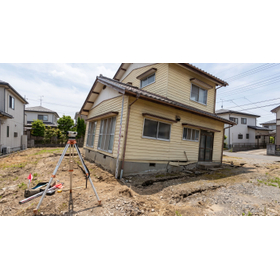
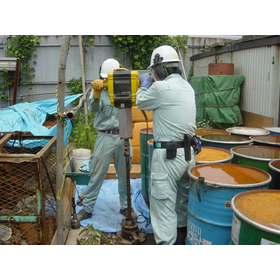
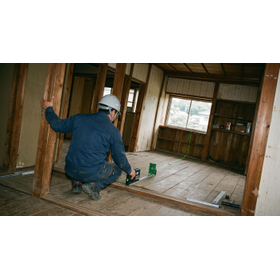
This is a low-cost, high-precision subsidence correction method that repairs building subsidence accompanied by foundation cracks without waste, based on scientific diagnosis through SWS (Screw Weight Penetration) testing and precise level measurement. It accurately analyzes ground resistance values and the distribution of weak layers at multiple points within the site to investigate the true causes of subsidence. For the foundation structure damaged by subsidence stress, high-viscosity epoxy resin is pressure-injected to seal and repair cracks, restoring bending strength and seismic resistance to levels exceeding those of new construction. In the lifting process, pressure plates are concentrated under the foundation in the subsidence area, and small hydraulic jacks are linked with high-precision laser measuring devices to carry out millimeter-level precise leveling adjustments. After jacking up, high-density air-mortar (air milk) is injected into the gap between the foundation and the ground to densify it, preventing future risks of re-subsidence. Since it can be constructed with minimal excavation and partial jacking adjustments, it does not incur excessive construction costs and safely and reliably resolves tilting issues in a short period while residents remain in the building.
Inquire About This Product
basic information
For the preliminary diagnosis, we will use the SWS testing machine and a high-precision laser level measuring device. For the repair of foundation cracks, we will employ a pressure injection nozzle for high-adhesion epoxy resin and U-cut seal filling material to restore the structural strength. For lifting and horizontal correction, we will use a pressure plate made of steel with a thickness of 12mm or more and a square area of 500mm or more, along with a small hydraulic jack unit, to lift the building load as a counterforce. For filling the bottom voids, we will use a self-hardening, high-durability foam mortar (air milk) to uniformly secure the contact surface with the ground.
Price range
Delivery Time
Applications/Examples of results
It is widely used in single-family homes where local subsidence or cracks have occurred in the foundation, and where there is a desire to make partial corrections while keeping the budget in check. It is ideal for proposals to homeowners who want to address ongoing subsidence and future seismic concerns without conducting extensive ground work. Additionally, it is extensively utilized in practical maintenance scenarios that require speed and cost performance, such as adjusting tilts before renovation work, repairing defects related to housing warranty responsibilities, and addressing inspection points.
catalog(4)
Download All Catalogs



Company information

-