316~360 item / All 685 items
Displayed results
Filter by category

Added to bookmarks
Bookmarks listBookmark has been removed
Bookmarks listYou can't add any more bookmarks
By registering as a member, you can increase the number of bookmarks you can save and organize them with labels.
Free membership registration
Contact this company
Contact Us Online316~360 item / All 685 items
Filter by category

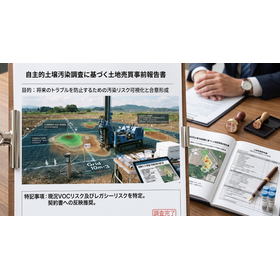
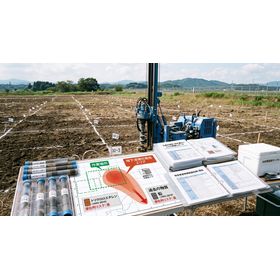
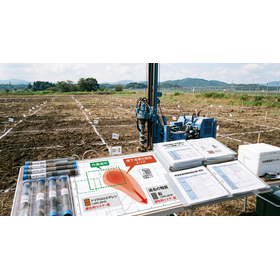
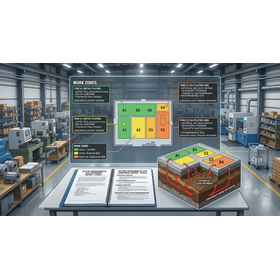
In the chemical industry, managing the risk of soil contamination associated with business activities is emphasized from the perspective of environmental compliance and business continuity. Particularly in the sale of factory sites or new developments, potential soil contamination can lead to delays in transactions or contract cancellations. Understanding these risks in advance and taking appropriate measures is essential for smooth business operations. Our service provides a self-investigation solution based on our track record as a designated investigation agency, enabling those in the chemical industry to accurately and promptly assess soil contamination risks. This helps prevent stagnation in real estate transactions and ensures reliable risk management in environmental management. [Usage Scenarios] - Sale or transfer of factory sites - Acquisition of land for new development - Strengthening environmental compliance - Understanding potential soil contamination risks [Benefits of Implementation] - Smooth and expedited real estate transactions - Prevention of hidden defect issues - Advance estimation of countermeasure costs and reflection in contracts - Maintenance of corporate value and promotion of asset liquidity
Added to bookmarks
Bookmarks listBookmark has been removed
Bookmarks listYou can't add any more bookmarks
By registering as a member, you can increase the number of bookmarks you can save and organize them with labels.
Free membership registration
In selecting the location for logistics facilities, it is important to understand in advance the presence or absence of soil contamination risks that could affect future operations. If potential contamination is identified, there is a risk of prolonged negotiations, delays in planning, and possibly even contract cancellation. Based on our track record as a designated investigation agency, we offer a voluntary investigation service that can be conducted at any time before the land sale contract. This allows for rapid execution of historical land surveys, soil sampling, and official analysis, enabling early determination of the presence of specific harmful substances underground. By visualizing risks at a stage where there is no obligation to report to authorities, it becomes easier to pre-calculate countermeasure costs and reflect them in contracts, thereby facilitating consensus between both sellers and buyers. This can be utilized as risk management to advance logistics facility development projects as scheduled. 【Usage Scenarios】 - When selecting candidate sites for new logistics facilities - When considering expansion land for existing facilities - During due diligence of target real estate in M&A 【Benefits of Implementation】 - Early detection of soil contamination risks and consideration of countermeasures - Shortening of negotiation periods in real estate transactions - Smoothing the process leading up to contract signing - Prevention of hidden defect issues
Added to bookmarks
Bookmarks listBookmark has been removed
Bookmarks listYou can't add any more bookmarks
By registering as a member, you can increase the number of bookmarks you can save and organize them with labels.
Free membership registration
In the reuse of former factory sites, the existence of soil contamination risks can lead to delays in development plans and difficulties in contracts. This service is a specialized solution that allows for early determination of the presence of specific hazardous substances underground through voluntary surveys conducted at any time before land sale contracts. Based on extensive experience as a designated investigation agency, we provide a one-stop, rapid service that includes historical investigations of the target site, accurate soil contamination sampling on-site, and high-precision official analysis. This helps prevent hidden defect issues after handover and accelerates transaction speed for reuse. By visualizing potential risks at a stage that does not involve reporting obligations to authorities, we facilitate smooth pre-calculation of countermeasure costs and incorporation of special clauses into contracts, thereby promoting consensus among stakeholders. This can be utilized as risk management to prevent the depreciation of real estate value and to advance development projects as scheduled. 【Usage Scenarios】 - Sale or transfer of former factory sites - Initial stages of redevelopment projects - Preliminary assessment of environmental risks - Formulation of site utilization plans 【Benefits of Implementation】 - Early understanding of soil contamination risks and consideration of countermeasures - Increased transparency in transactions and smooth consensus formation
Added to bookmarks
Bookmarks listBookmark has been removed
Bookmarks listYou can't add any more bookmarks
By registering as a member, you can increase the number of bookmarks you can save and organize them with labels.
Free membership registration
In the construction industry, project delays and unexpected additional costs are significant factors that hinder the shortening of construction periods. Particularly, if the risk of soil contamination is identified during the initial stages of land acquisition or development projects, the impact can be substantial. This service is a specialized solution that allows for early determination of the presence of specific harmful substances underground through voluntary surveys conducted in the initial stages of construction projects. This helps reduce risks after contracts are signed and supports the progress of the project according to schedule. 【Usage Scenarios】 - Before acquiring new development land - Demolition and rebuilding projects of existing buildings - Infrastructure development projects 【Benefits of Implementation】 - Prevention of construction delays due to unexpected soil contamination - Reduction of the risk of incurring additional remedial costs - Improvement of overall project planning
Added to bookmarks
Bookmarks listBookmark has been removed
Bookmarks listYou can't add any more bookmarks
By registering as a member, you can increase the number of bookmarks you can save and organize them with labels.
Free membership registration
In the real estate development industry, the existence of soil contamination risks can lead to project delays and contract cancellations. To proceed with development projects as scheduled and facilitate asset liquidity, it is crucial to identify and manage potential soil contamination risks early on. This service is a specialized solution that allows for early determination of the presence of specific harmful substances underground through voluntary surveys conducted at any time before land sale contracts. Based on our track record as a designated investigation agency, we provide a one-stop, rapid service from historical research to soil contamination sampling and official analysis. This helps prevent hidden defect issues after handover and accelerates transaction speed. Since risks can be visualized at a stage that does not involve reporting obligations to authorities, it allows for smooth pre-calculation of countermeasure costs and incorporation of special clauses into contracts, facilitating consensus among stakeholders. 【Usage Scenarios】 - Before acquiring new development land - Demolition and rebuilding projects of existing buildings - Risk assessment in due diligence (DD) - Risk identification in the early stages of development projects 【Benefits of Implementation】 - Reduction of risks related to transaction stagnation or cancellation due to soil contamination - Prevention of hidden defect issues
Added to bookmarks
Bookmarks listBookmark has been removed
Bookmarks listYou can't add any more bookmarks
By registering as a member, you can increase the number of bookmarks you can save and organize them with labels.
Free membership registration
In the regeneration of factory sites in the plastic products industry, soil contamination from chemicals used in past manufacturing processes can pose risks of contractual non-compliance and defects during transactions. If specific hazardous substances that have permeated underground over years of operation are discovered after the transfer, it could lead to significant remediation costs and legal disputes. This service provides a methodology for voluntary soil investigations to prevent troubles after the sale of the site, aimed at factory owners and the general affairs and asset management departments of companies. By conducting historical investigations that analyze the operational history of the factory and the handling history of chemicals, we can assess contamination risks by area and demonstrate land safety through sampling and official analysis based on that data. The specialized investigations by the designated research institution, Geotech, build trust with buyers through neutral certification and support the safe regeneration of factory sites. 【Usage Scenarios】 - Sale of factory sites for plastic product manufacturing - Confirmation of soil contamination when repurposing the site into vacant land - Assurance of reliability to buyers 【Benefits of Implementation】 - Reduction of risks in sales contracts - Prevention of unexpected high remediation costs - Smooth realization of site sales
Added to bookmarks
Bookmarks listBookmark has been removed
Bookmarks listYou can't add any more bookmarks
By registering as a member, you can increase the number of bookmarks you can save and organize them with labels.
Free membership registration
In the sale of factory sites in the printing and binding industry, soil contamination from previously used chemicals may pose contract non-conformity liabilities and risks of defects in the sale for the seller. If specific harmful substances that have permeated underground during years of operation are discovered after the transfer, there may be costs for remediation and legal disputes. This environmental technology document details a methodology for voluntary soil investigations aimed at reducing post-sale troubles for factory owners and corporate general affairs and asset management departments. By conducting voluntary historical investigations that analyze the factory's equipment layout and chemical handling history, contamination risks can be assessed by area. Based on that data, sampling and official analysis at optimal locations will be conducted to build evidence proving the safety of the land. Specialized investigations provided by the designated research organization Geotech support the building of trust with buyers and facilitate the safe sale of factory sites. 【Usage Scenarios】 - Considering the sale of a factory site - Concerns about soil contamination risks from past chemical use - Wanting to reduce contract non-conformity liabilities and risks of defects in the sale - Aiming to prevent troubles after the transfer 【Benefits of Implementation】 - Ability to objectively assess risks at the time of sale
Added to bookmarks
Bookmarks listBookmark has been removed
Bookmarks listYou can't add any more bookmarks
By registering as a member, you can increase the number of bookmarks you can save and organize them with labels.
Free membership registration
In the sale of factory sites in the metal processing industry, soil contamination from chemicals previously used can pose a risk of contractual non-compliance liability and defects in the sale for the seller. If specific harmful substances that have permeated underground during years of operation are discovered after the transfer, it could lead to remediation costs or legal disputes. This environmental technology document details a methodology for voluntary soil investigations aimed at reducing post-sale troubles for factory owners and corporate general affairs and asset management departments. By conducting voluntary historical investigations that analyze the factory's equipment layout and chemical handling history, the degree of contamination risk can be assessed by area. Furthermore, based on that data, sampling and official analysis at optimal locations will be conducted to build evidence proving the safety of the land. The specialized investigations provided by the designated research organization, Geotech, help establish trust with buyers through neutral certification and support the safe sale of factory sites. [Usage Scenarios] - When selling the site of a metal processing factory - Reducing the risk of contractual non-compliance liability - Avoiding risks of defects in the sale - Preventing troubles after the transfer [Benefits of Implementation] - Increased peace of mind during the sale process - Building trust with buyers - Reducing potential cost burdens - Achieving a smooth asset sale
Added to bookmarks
Bookmarks listBookmark has been removed
Bookmarks listYou can't add any more bookmarks
By registering as a member, you can increase the number of bookmarks you can save and organize them with labels.
Free membership registration
In the sale of chemical industrial site remnants, soil contamination from chemicals previously used can pose risks of contractual non-conformity liability and defects in the sale for the seller. If specific hazardous substances that have permeated underground during years of operation are discovered after the transfer, it could lead to remediation costs and legal disputes. This service provides a methodology for voluntary soil investigations aimed at reducing post-sale troubles for factory owners and corporate general affairs and asset management departments. By conducting voluntary historical investigations that analyze the factory's equipment layout and chemical handling history, we assess the degree of contamination risk by area. Based on that data, we establish evidence to prove the safety of the land through optimal sampling and official analysis. The specialized investigations provided by the designated research institution, Geotech, support the building of trust with buyers and assist in the sale of factory remnants. 【Usage Scenarios】 - Sale of factory remnants - Environmental risk assessment - Risk reduction of contractual non-conformity liability 【Benefits of Implementation】 - Prevention of troubles at the time of sale - Building trust with buyers - Realization of secure transactions
Added to bookmarks
Bookmarks listBookmark has been removed
Bookmarks listYou can't add any more bookmarks
By registering as a member, you can increase the number of bookmarks you can save and organize them with labels.
Free membership registration
In the real estate development industry, it is essential to address potential soil contamination risks to maintain and enhance the asset value of former factory sites. In particular, soil contamination from specific hazardous substances associated with past operations carries risks of contractual non-conformity liability after handover, unexpected high remediation costs, and legal disputes. These risks can impact the profitability and reliability of development projects. Soil investigations conducted by designated geotechnical investigation agencies help identify these risks in advance and support the preservation of asset value. 【Usage Scenarios】 - Risk assessment before the sale or purchase of former factory sites - Advance understanding of environmental risks in development projects - Objective proof of asset value 【Benefits of Implementation】 - Reduction of contractual non-conformity liability risks during transactions - Mitigation of unexpected additional costs - Smooth transactions through the establishment of trust with buyers - Objective evaluation and preservation of asset value
Added to bookmarks
Bookmarks listBookmark has been removed
Bookmarks listYou can't add any more bookmarks
By registering as a member, you can increase the number of bookmarks you can save and organize them with labels.
Free membership registration
In the plastic manufacturing industry, the risk of soil contamination from additives and chemicals used in the manufacturing process can be a concern for ongoing operations and future land use. In particular, potential contamination from years of operation may impact a company's asset value and social credibility as an unexpected environmental risk. It is important to identify and manage these risks in advance from the perspective of compliance and management risk. This service is a voluntary investigation package that visualizes potential contamination risks on-site while the factory is in operation, supporting planned business operations and the preservation of land asset value. 【Usage Scenarios】 - On-site during factory operations - During rebuilding plans - When selling or transferring land - Promoting environmental management (ESG) 【Benefits of Implementation】 - Future compliance adherence - Reduction of management risks - Preservation of land asset value - Planned business operations
Added to bookmarks
Bookmarks listBookmark has been removed
Bookmarks listYou can't add any more bookmarks
By registering as a member, you can increase the number of bookmarks you can save and organize them with labels.
Free membership registration
In the electronic components manufacturing industry, environmental risk management on-site is emphasized for business continuity and future land utilization. In particular, potential soil contamination resulting from past operations can lead to unexpected cost burdens, delays in business plans, and even impact the company's social credibility. When handling chemicals, including refrigerants, it is essential to understand their effects in advance and respond appropriately. Our service conducts voluntary historical investigations and sampling analyses by designated research institutions while the factory is in operation, visualizing potential contamination risks. This supports compliance adherence and management of business risks, contributing to the preservation of land asset value. 【Usage Scenarios】 - During redevelopment plans on factory premises - Due diligence during business succession or M&A - Proof of commitment to environmental management (ESG) - Risk leveling during future land sales or closures 【Benefits of Implementation】 - Early identification of potential contamination risks - Planned business operations and leveling of cost burdens - Preservation of land asset value - Maintenance and enhancement of corporate social credibility
Added to bookmarks
Bookmarks listBookmark has been removed
Bookmarks listYou can't add any more bookmarks
By registering as a member, you can increase the number of bookmarks you can save and organize them with labels.
Free membership registration
In the printing and binding industry, the potential risk of soil contamination associated with the use of inks and solvents can pose challenges for ongoing operations and future land utilization. In particular, ink leaks and improper waste disposal can lead to contamination of soil and groundwater, potentially affecting the asset value and social credibility of companies. It is important to identify and manage these risks in advance from the perspective of compliance and risk management. This service is a voluntary investigation package that visualizes potential contamination risks on-site while the factory is in operation, supporting environmental risk management in printing and binding factories. 【Usage Scenarios】 - Factory sites with a history of using inks, solvents, and cleaning agents - Factories considering reconstruction or relocation - Factories wanting to strengthen their commitment to environmental management (ESG) - Factories concerned about the possibility of soil contamination from past operations 【Benefits of Implementation】 - Early detection and visualization of potential contamination risks - Risk leveling of future large-scale repair costs - Preservation of land asset value and planned business operations - Acquisition of objective evidence in environmental management (ESG)
Added to bookmarks
Bookmarks listBookmark has been removed
Bookmarks listYou can't add any more bookmarks
By registering as a member, you can increase the number of bookmarks you can save and organize them with labels.
Free membership registration
In the metal processing industry, there are concerns about the risk of soil contamination on-site due to the handling of heavy metals. Ignoring environmental risks during operations can affect future compliance measures and the asset value of the land. This service is a voluntary investigation package that visualizes potential contamination risks on-site while the factory is in operation. It consistently conducts a voluntary historical investigation that scrutinizes past work processes and the handling history of hazardous substances, along with precise sampling analysis in areas that do not affect operations. A neutral designated investigation agency prepares reports based on objective scientific data, which can also be used as evidence of commitment to environmental management (ESG). By understanding the presence and extent of contamination in advance, it is possible to mitigate the risk of future cost burdens and achieve a balance between planned business operations and the preservation of land asset value. 【Usage Scenarios】 - On-site at operating factories - Site evaluation before rebuilding plans - Strengthening compliance in heavy metal management - Preservation of land asset value 【Benefits of Implementation】 - Early identification of potential soil contamination risks - Preparation for future compliance measures - Balancing planned business operations with asset value preservation - Proof of commitment to environmental management (ESG)
Added to bookmarks
Bookmarks listBookmark has been removed
Bookmarks listYou can't add any more bookmarks
By registering as a member, you can increase the number of bookmarks you can save and organize them with labels.
Free membership registration
In the chemical industry and during factory operations, it is essential to understand and manage underground environmental risks related to leakage detection. Particularly in factories that may handle hazardous substances, the discovery of unexpected contamination can lead to operational shutdowns and high repair costs, potentially impacting the company's asset value and social credibility. To prevent these risks in advance and achieve a balance between planned business operations and the preservation of land asset value, it is crucial to objectively assess potential contamination risks on-site based on data. This service visualizes potential contamination risks within the site while the factory is in operation through voluntary historical investigations and sampling analyses conducted by designated research institutions, supporting future compliance adherence and management risk management. 【Usage Scenarios】 - On-site during factory operations - Site evaluation before reconstruction plans - Pre-evaluation of leakage detection - Obtaining evidence for ESG management 【Benefits of Implementation】 - Future compliance adherence - Reduction of management risks - Preservation of land asset value - Realization of planned business operations
Added to bookmarks
Bookmarks listBookmark has been removed
Bookmarks listYou can't add any more bookmarks
By registering as a member, you can increase the number of bookmarks you can save and organize them with labels.
Free membership registration
In residential development, the integrity of the ground is emphasized for safe construction and smooth progress of the construction schedule. Particularly, if unexpected soil contamination is discovered after excavation begins, it can lead to temporary work stoppages and delays in soil disposal, directly resulting in schedule delays and budget overruns. This service is a self-investigation solution designed to avoid such risks and support the reliable progress of projects. Utilizing the expertise as a designated investigation agency, we conduct voluntary historical land surveys that evaluate the past history of the land, as well as precise sampling analyses tailored to the foundation plan, all before construction begins. By visualizing the safety of the ground as evidence in advance, it enables the optimization of construction plans and the proper design of contaminated soil treatment, thereby preventing unforeseen troubles and additional costs from arising. 【Usage Scenarios】 - Before purchasing or developing residential land - During the design phase before building confirmation application - Accountability to the client 【Benefits of Implementation】 - Reduced risk of construction delays - Control of additional costs - Smooth progress of the project - Preservation of asset value
Added to bookmarks
Bookmarks listBookmark has been removed
Bookmarks listYou can't add any more bookmarks
By registering as a member, you can increase the number of bookmarks you can save and organize them with labels.
Free membership registration
In location surveys for projects involving commercial facilities and large-scale land use changes, understanding the potential contamination risks of the ground before construction begins is essential for the smooth progress of the project. If unexpected soil contamination is discovered after excavation begins, it can lead to temporary work stoppages or delays in the removal of excavated soil, which may directly result in project delays and budget overruns. This service is a self-investigation solution designed to avoid such risks and support the reliable progress of projects. Utilizing our expertise as a designated investigation agency, we quickly conduct voluntary historical land surveys that assess the past history of the land, as well as precise depth-specific sampling analyses tailored to the excavation plan before construction starts. By visualizing the safety of the ground as evidence beyond the legal investigation obligations, we enable the optimization of construction plans and the proper design of contaminated soil treatment. This helps eliminate unforeseen troubles and additional costs in advance, supporting accountability to clients and smooth risk management. [Usage Scenarios] - Location surveys for new commercial facility developments - Preliminary investigations for projects involving large-scale land use changes - Assessment of potential contamination risks within excavation plan areas - Optimization of construction plans
Added to bookmarks
Bookmarks listBookmark has been removed
Bookmarks listYou can't add any more bookmarks
By registering as a member, you can increase the number of bookmarks you can save and organize them with labels.
Free membership registration
In selecting land for warehouses and logistics facilities, it is important to minimize the risks of future construction delays and additional costs. If unexpected soil contamination is discovered after excavation begins, it can lead to temporary work stoppages and delays in the removal of excavated soil, directly resulting in project delays and budget overruns. This service is a proactive investigation solution designed to avoid such unexpected risks at construction sites and support the reliable progress of projects. Utilizing our expertise as a designated investigation agency, we quickly conduct a voluntary historical land investigation report that evaluates the land's past history from multiple perspectives, as well as precise depth-specific sampling analysis tailored to foundation piles and excavation plans, all before construction begins. By visualizing the safety of the ground with reliable evidence beyond the legal investigation obligations, we enable the optimization of construction plans and the proper design of contaminated soil treatment. This effectively eliminates unforeseen troubles and additional costs, strongly supporting accountability to clients, smooth risk management between clients and general contractors, and the preservation of the asset value of the construction projects. 【Usage Scenarios】 - When selecting land for new warehouses and logistics facilities - Risk assessment alongside historical land investigations - Identification of contamination risks based on excavation plans
Added to bookmarks
Bookmarks listBookmark has been removed
Bookmarks listYou can't add any more bookmarks
By registering as a member, you can increase the number of bookmarks you can save and organize them with labels.
Free membership registration
In projects involving factory relocations or large-scale land modifications in the manufacturing industry, the discovery of unexpected soil contamination underground after construction begins can lead to temporary work stoppages and delays in the removal of excavated soil, directly resulting in project delays and budget overruns. This service is a self-investigation solution designed to avoid such sudden risks at construction sites and support the reliable progress of projects. Leveraging our expertise as a designated investigation agency, we quickly conduct a comprehensive self-history investigation that evaluates the past history of the land from multiple angles, as well as precise depth-specific sampling analysis tailored to foundation piles and excavation plans, all before construction starts. By visualizing the safety of the ground in advance as evidence, beyond the framework of legal investigation obligations, we enable the optimization of construction plans and the proper design of contaminated soil treatment. This helps eliminate unexpected troubles and additional costs beforehand, supports accountability to clients, facilitates smooth risk management, and preserves the asset value of the construction projects. 【Usage Scenarios】 - Ground investigation for new land associated with factory relocation - Ground risk assessment before site expansion or renovation of existing factories - Minimizing operational downtime and achieving a smooth relocation plan - Reducing risks of additional costs and project delays due to soil contamination
Added to bookmarks
Bookmarks listBookmark has been removed
Bookmarks listYou can't add any more bookmarks
By registering as a member, you can increase the number of bookmarks you can save and organize them with labels.
Free membership registration
In the real estate development industry, the discovery of unexpected soil contamination after the start of large-scale development projects raises concerns about risks that can lead to temporary work stoppages and delays in the removal of excess soil, directly resulting in project delays and budget overruns. To avoid these sudden risks and ensure the smooth progress of projects, prior risk assessment is crucial. Our service utilizes expertise as a designated investigation agency to conduct voluntary historical land surveys that evaluate the past history of the land, as well as precise sampling analyses tailored to excavation plans before construction begins. This enables the optimization of construction plans and the proper design of contaminated soil treatment, preventing unforeseen troubles and additional costs from arising. 【Usage Scenarios】 - Before the start of large-scale development projects - Projects involving changes in land characteristics - Strengthening risk management - Fulfilling accountability to clients 【Benefits of Implementation】 - Prevention of project delays - Reduction of budget overrun risks - Optimization of construction plans - Preservation of asset value
Added to bookmarks
Bookmarks listBookmark has been removed
Bookmarks listYou can't add any more bookmarks
By registering as a member, you can increase the number of bookmarks you can save and organize them with labels.
Free membership registration
In the chemical industry, managing environmental risks associated with business activities is of paramount importance. Even in areas where there is no legal obligation for investigation, the possibility of hazardous substances being present due to past business activities cannot be dismissed. In the unfortunate event that contamination is discovered after the transfer of property, companies face serious disadvantages such as loss of social credibility, significant environmental liabilities, and prolonged legal disputes. This service supports proactive risk management from the perspective of maintaining compliance and social responsibility. Utilizing our expertise as a designated investigation agency, we voluntarily conduct independent historical land surveys to objectively assess land use history and precise sampling analyses to demonstrate the presence or absence of contamination. This helps to visualize and mitigate often-overlooked ground risks, fulfill accountability to stakeholders, and support safe real estate transactions. [Usage Scenarios] - Before acquiring new factory sites - Redevelopment of existing business premises - Due diligence in M&A - Strengthening environmental compliance [Benefits of Implementation] - Early detection and reduction of potential environmental risks - Prevention of unexpected environmental liabilities - Maintenance and enhancement of corporate value - Gaining trust from stakeholders
Added to bookmarks
Bookmarks listBookmark has been removed
Bookmarks listYou can't add any more bookmarks
By registering as a member, you can increase the number of bookmarks you can save and organize them with labels.
Free membership registration
In the warehouse and logistics industry, ground management in operational areas is crucial for ensuring business continuity and employee safety. Even on land where there are no legal investigation obligations, there is a risk of potential contamination from hazardous substances due to past usage. If contamination is discovered after the handover, it could not only disrupt business operations but also lead to a decline in social credibility and unexpected costs. This service is a voluntary investigation solution that allows for the understanding of potential contamination risks without being bound by legal obligations, from the perspective of maintaining compliance and social responsibility, and aims to establish a safe operational foundation. Utilizing expertise as a designated investigation agency, we scientifically assess ground risks through historical land use investigations and precise sampling analysis. This helps identify often-overlooked risks in advance and supports safe and reliable business operations. 【Usage Scenarios】 - Preliminary evaluation of land for new warehouse construction - Environmental risk management within existing warehouse sites - Risk assessment during land acquisition for business expansion - Strengthening employee safety and health management 【Benefits of Implementation】 - Early detection and countermeasures for potential environmental risks - Strengthening of business continuity planning (BCP)
Added to bookmarks
Bookmarks listBookmark has been removed
Bookmarks listYou can't add any more bookmarks
By registering as a member, you can increase the number of bookmarks you can save and organize them with labels.
Free membership registration
In the real estate development industry, it is essential to maintain the asset value of the land being developed and to avoid future risks. Particularly, even if the land does not meet the requirements set forth by the Soil Contamination Countermeasures Act, the possibility of harmful substances being present in the ground cannot be denied. If a company neglects to take measures on the grounds that there is no legal obligation for investigation, and contamination is discovered after the handover, the company may suffer serious disadvantages such as loss of social credibility, the emergence of environmental liabilities, and long-term legal disputes. This service is a voluntary investigation solution that allows companies to take proactive measures from the perspective of maintaining compliance and social responsibility, free from such legal constraints. Utilizing expertise as a designated investigation agency, we conduct voluntary historical investigations to objectively evaluate the land's usage history, as well as precise sampling analyses to demonstrate the presence or absence of contamination. This helps to visualize and mitigate often-overlooked ground risks, supporting governance appeals to stakeholders and facilitating safe real estate transactions. 【Usage Scenarios】 - Voluntary land transactions without legal investigation obligations - Assessment of potential contamination risks of land before development - Strengthening corporate compliance - Fulfilling accountability to stakeholders
Added to bookmarks
Bookmarks listBookmark has been removed
Bookmarks listYou can't add any more bookmarks
By registering as a member, you can increase the number of bookmarks you can save and organize them with labels.
Free membership registration
In the manufacturing industry, the continuity and stability of operations form the foundation of the business. Even in land where there are no legal investigation obligations, there is a risk that harmful substances may be present in the soil due to past usage. If this risk is ignored and contamination is discovered during operations, it could lead to a situation that has a fatal impact on business continuity, such as operational suspension, large-scale soil contamination measures, and even reputational damage. Our service is a voluntary soil contamination investigation solution aimed at identifying such potential risks in advance and stabilizing operations. Leveraging our expertise as a designated investigation agency, we visualize often-overlooked risks through objective historical investigations and precise sampling analysis. This helps fulfill accountability to stakeholders and supports safe and reliable business operations. 【Usage Scenarios】 - Acquisition and expansion of factory sites - Development and expansion within existing factory premises - Due diligence in M&A - Environmental conservation as part of CSR activities 【Benefits of Implementation】 - Reduction of operational suspension risks - Prevention of unexpected environmental liabilities - Maintenance and enhancement of corporate value - Gaining trust from stakeholders
Added to bookmarks
Bookmarks listBookmark has been removed
Bookmarks listYou can't add any more bookmarks
By registering as a member, you can increase the number of bookmarks you can save and organize them with labels.
Free membership registration
In selecting the location for logistics warehouses, it is important to understand underground risks that may impact future operations. In particular, soil contamination surveys on large sites can lead to high analysis costs and long investigation periods, which can delay business plans. This service is a self-investigation solution that emphasizes cost-effectiveness to eliminate such cost burdens and time losses. By leveraging analytical capabilities as a designated investigation agency, we clarify risk assessments through historical investigations. We reduce analysis costs through precise sampling focused on areas with a high likelihood of contamination. This allows for early determination of underground environmental risks, facilitating rapid decision-making and speeding up transactions. Even if contamination is discovered, we can select pinpoint optimal construction methods based on detailed distribution data, minimizing future remediation costs. 【Usage Scenarios】 - When acquiring new warehouse land - When expanding or redeveloping existing warehouse sites - In land selection for building logistics networks 【Benefits of Implementation】 - Reduction of initial investment due to lower investigation costs - Speeding up decision-making through rapid risk assessment - Minimization of future soil contamination remediation costs
Added to bookmarks
Bookmarks listBookmark has been removed
Bookmarks listYou can't add any more bookmarks
By registering as a member, you can increase the number of bookmarks you can save and organize them with labels.
Free membership registration
In the relocation of manufacturing facilities, assessing the soil contamination risk of the new site can lead to delays in planning and unexpected costs. It is particularly important to understand the presence or absence of contamination from past business activities in advance to ensure safe operations and consideration for the surrounding environment. However, traditional soil contamination surveys have often hindered the progress of relocation plans due to high analysis costs and lengthy survey periods. Our service addresses these challenges as a cost-effective self-survey solution. Utilizing our analytical capabilities as a designated survey organization, we identify risk areas based on historical investigations. Through an efficient sampling plan, we reduce analysis costs and enable early determinations. This facilitates rapid decision-making for factory relocations and supports the overall acceleration of the planning process. 【Usage Scenarios】 - When selecting land for factory relocation - Risk assessment before sales contracts - Understanding soil risks in the early stages of relocation planning 【Benefits of Implementation】 - Reduction in survey costs - Acceleration of relocation plans - Mitigation of unexpected additional costs - Support for smooth business succession
Added to bookmarks
Bookmarks listBookmark has been removed
Bookmarks listYou can't add any more bookmarks
By registering as a member, you can increase the number of bookmarks you can save and organize them with labels.
Free membership registration
In real estate development, the application for development permits requires an understanding of soil contamination risks on the site and the optimization of investigation and remediation costs associated with it. Particularly in large-scale developments, risk assessment in the early stages and an efficient investigation plan significantly impact the overall costs and schedule of the project. Uncertain soil contamination risks can lead to delays and unexpected additional costs in the development permit process. Our service leverages its analytical capabilities as a designated investigation agency to conduct risk assessments based on historical site investigations and implement efficient soil contamination sampling focused on areas with a high likelihood of contamination, thereby reducing investigation costs and supporting rapid decision-making for development permits. 【Usage Scenarios】 - Site investigation before development permit application - Initial risk assessment in large-scale developments - Understanding soil contamination risks before sales contracts 【Benefits of Implementation】 - Reduction in investigation costs - Time savings in the development permit process - Minimization of future remediation costs
Added to bookmarks
Bookmarks listBookmark has been removed
Bookmarks listYou can't add any more bookmarks
By registering as a member, you can increase the number of bookmarks you can save and organize them with labels.
Free membership registration
In investment fund due diligence, accurately understanding soil contamination risks in real estate transactions is a crucial factor in investment decisions. High analysis costs and long investigation periods can hinder swift decision-making. This service addresses these challenges as a cost-effective self-investigation solution. Leveraging our analytical capabilities as a designated research institution, we clarify risk assessments at the historical investigation stage. By focusing sampling plans on areas with high contamination potential, we reduce analysis costs. Early determination of underground environmental risks supports faster transactions. 【Usage Scenarios】 - Due diligence in real estate investment - Soil contamination risk assessment of acquisition targets - Need for rapid investment decisions 【Benefits of Implementation】 - Reduction in investigation costs - Acceleration of transaction processes - Mitigation of future remediation costs
Added to bookmarks
Bookmarks listBookmark has been removed
Bookmarks listYou can't add any more bookmarks
By registering as a member, you can increase the number of bookmarks you can save and organize them with labels.
Free membership registration
In conducting real estate collateral evaluations, financial institutions often face challenges with soil contamination surveys due to high analysis costs and lengthy investigation periods, which can hinder the evaluation process. This service is designed as a pre-contract self-investigation solution that prioritizes cost-effectiveness to alleviate such financial burdens and time losses. Utilizing advanced analytical capabilities as a designated investigation agency, we assess the soil contamination risk of the target site during the historical investigation phase. By accurately planning and executing soil contamination sampling focused on areas with a high likelihood of contamination, we optimize the number of samples collected to a minimum, significantly reducing analysis costs. This allows for rapid early determination of underground environmental risks, greatly accelerating the speed of collateral evaluations in real estate transactions. Even if contamination is discovered, we can select pinpoint optimal methods based on detailed distribution data, thereby minimizing future remediation costs. 【Usage Scenarios】 - Understanding risks in real estate collateral evaluations - Rapid soil contamination risk assessment before lending decisions - Controlling evaluation costs 【Benefits of Implementation】 - Accelerated collateral evaluation process - Increased efficiency in evaluation operations through reduced investigation costs - Support for decision-making through early visualization of risks
Added to bookmarks
Bookmarks listBookmark has been removed
Bookmarks listYou can't add any more bookmarks
By registering as a member, you can increase the number of bookmarks you can save and organize them with labels.
Free membership registration
In the construction industry, understanding the presence and extent of soil contamination during land surveys is crucial for the smooth progress of projects and future risk avoidance. However, traditional soil contamination investigations can lead to delays in land acquisition and development planning due to high analysis costs and lengthy survey periods. To eliminate these cost burdens and time losses, cost-effective survey methods are needed to achieve efficient land acquisition. Our service leverages the analytical capabilities of a designated investigation agency to clarify risk assessments based on historical research. By focusing sampling on areas with a high likelihood of contamination, we reduce analysis costs and support faster decision-making through early assessments. Even if contamination is discovered, targeted measures based on detailed distribution data can help minimize future costs. 【Usage Scenarios】 - Risk assessment before land acquisition - Early planning of development projects - Decision-making support before sales contracts 【Benefits of Implementation】 - Reduction in survey costs - Shortening of survey periods - Rapid decision-making and acceleration of transactions - Control of future remediation costs
Added to bookmarks
Bookmarks listBookmark has been removed
Bookmarks listYou can't add any more bookmarks
By registering as a member, you can increase the number of bookmarks you can save and organize them with labels.
Free membership registration
In the development of logistics hubs, investigations based on the Soil Contamination Countermeasures Act after land acquisition can cause significant delays in the progress of development plans due to reporting to authorities and the designation procedures for areas requiring measures. This service is a voluntary pre-sale contract investigation solution implemented at any stage before legal obligations arise, aimed at avoiding such procedural stagnation. While applying neutral and strict standards from designated investigation agencies, we conduct flexible investigation designs that match the speed of private transactions, enabling early determination of contamination through accurate soil contamination sampling. Since it allows for understanding underground environmental risks at a stage where there is no immediate reporting obligation to authorities, it is possible to consider countermeasure costs and negotiation strategies in advance. This helps prevent unnecessary reputational damage and deal cancellations, supports smooth consensus building based on objective environmental evidence, and leads to accelerated hub development. 【Usage Scenarios】 - Before acquiring land for new logistics hubs - Before acquiring land for the expansion of existing logistics facilities - When acquiring logistics facilities through M&A 【Benefits of Implementation】 - Reduces the risk of stagnation in real estate transactions - Prevents delays in development plans - Strengthens negotiation power through prior risk assessment - Achieves smooth hub development
Added to bookmarks
Bookmarks listBookmark has been removed
Bookmarks listYou can't add any more bookmarks
By registering as a member, you can increase the number of bookmarks you can save and organize them with labels.
Free membership registration
In the acquisition of land for warehouse operations, swift decision-making that anticipates future business development is essential. Particularly, once the process progresses to the stage where investigations mandated by the Soil Contamination Countermeasures Act are required, the acquisition process can become prolonged due to reporting to authorities and designated procedures, potentially leading to delays in business plans. This service is a voluntary pre-contractual investigation solution conducted at any stage before legal obligations arise, aimed at avoiding such procedural stagnation. While applying the neutral and stringent standards of designated investigation agencies, it also offers flexible investigation designs that align with the speed of private transactions, allowing for early determination of contamination through accurate soil contamination sampling. Since it enables the quantification of underground environmental risks at a stage where there is no immediate reporting obligation to authorities, companies can first fully grasp their strategies for remediation costs and price negotiations internally. This helps prevent unnecessary reputational damage and transaction cancellations, supporting the formation of rational and smooth agreements that both sellers and buyers can accept based on objective environmental evidence, thereby accelerating the land acquisition process. 【Usage Scenarios】 - Before acquiring new warehouse land - Before acquiring land for the expansion of existing warehouse sites - Due diligence on target real estate in M&A transactions
Added to bookmarks
Bookmarks listBookmark has been removed
Bookmarks listYou can't add any more bookmarks
By registering as a member, you can increase the number of bookmarks you can save and organize them with labels.
Free membership registration
In the construction industry, the smooth progress of projects and adherence to deadlines are extremely important. Especially in cases involving real estate transactions, when investigations based on the Soil Contamination Countermeasures Act are mandated, the reporting to authorities and the designation procedures for areas requiring measures can lead to prolonged stagnation of the project's progress. This directly results in delays in construction timelines and additional costs. This service is a voluntary pre-sale contract self-investigation solution implemented at any stage before legal obligations arise, aimed at avoiding such procedural delays. While applying the neutral and strict standards of designated investigation agencies, it conducts flexible investigation designs that match the speed of private transactions, allowing for early determination of contamination through accurate soil contamination sampling. Since it can quantify the risks of the underground environment at a stage where there is no immediate reporting obligation to authorities, it enables advance understanding of countermeasure costs and pricing negotiation strategies, preventing unnecessary reputational damage and transaction cancellations. Based on objective environmental evidence, it supports rational and smooth consensus-building among stakeholders and contributes to shortening construction timelines through accelerated transaction speeds. 【Usage Scenarios】 - Voluntary investigations before real estate sales contracts - Risk assessment for development projects 【Benefits of Implementation】 - Reduces the risk of transaction stagnation - Supports rapid decision-making
Added to bookmarks
Bookmarks listBookmark has been removed
Bookmarks listYou can't add any more bookmarks
By registering as a member, you can increase the number of bookmarks you can save and organize them with labels.
Free membership registration
When financial institutions conduct assessments for real estate collateral loans, there is a risk that if investigations based on the Soil Contamination Countermeasures Act are revealed later, the execution of the loan may be delayed for an extended period due to administrative procedures. This service avoids such procedural delays through voluntary investigations conducted at any stage before legal obligations arise. Based on the neutral and strict standards of designated investigation agencies, we provide flexible investigation designs and accurate soil contamination sampling that align with the speed of private transactions, allowing for early determination of contamination presence. Since it is possible to understand the risks to the underground environment at a stage where there is no obligation for immediate reporting to the authorities, we can obtain necessary information for loan assessments early on, serving as objective environmental evidence and supporting rapid decision-making. 【Usage Scenarios】 - Preliminary assessment for real estate collateral loans - Risk evaluation before loan execution - Quantification of environmental risks in property evaluations 【Benefits of Implementation】 - Acceleration of the loan assessment process - Reduction of the time until loan execution - Appropriate lending decisions based on risk
Added to bookmarks
Bookmarks listBookmark has been removed
Bookmarks listYou can't add any more bookmarks
By registering as a member, you can increase the number of bookmarks you can save and organize them with labels.
Free membership registration
In the real estate development industry, a rapid process for obtaining development permits is required. If investigations based on the Soil Contamination Countermeasures Act are conducted at the stage when they become a legal obligation, the progress of the development plan may be stalled for a long time due to reporting to the authorities and the designation procedures for areas requiring measures. This service is a voluntary investigation solution conducted at any stage before the legal obligation arises, in order to avoid such procedural delays. Based on the neutral and strict standards of designated investigation agencies, we provide flexible investigation designs and accurate soil contamination sampling that match the speed of private transactions, allowing for early determination of contamination presence. Since it is possible to understand the risks of the underground environment at a stage where there is no immediate reporting obligation to the authorities, it enables internal discussions on development costs and pricing negotiation strategies. This helps prevent unnecessary reputational damage and transaction cancellations, supports the formation of rational and smooth agreements based on objective environmental evidence, and contributes to speeding up the acquisition of development permits. 【Usage Scenarios】 - Risk assessment before the sales contract - Environmental confirmation before the development permit application - Cost estimation during business plan formulation 【Benefits of Implementation】 - Reduction of the time until development permit acquisition - Control of unexpected investigation and countermeasure costs - Facilitation of transactions and improvement of reliability
Added to bookmarks
Bookmarks listBookmark has been removed
Bookmarks listYou can't add any more bookmarks
By registering as a member, you can increase the number of bookmarks you can save and organize them with labels.
Free membership registration
In residential land development, it is essential to ensure the safety of the planned development site and to avoid future risks. In particular, soil contamination resulting from past land use can lead to delays and additional costs in the development plan, making it extremely important to confirm its presence or absence. If soil contamination is discovered, it may result in delays in development and additional purification costs, potentially affecting the overall profitability of the project. Our service supports the assessment of these risks in advance through historical land use investigations and sampling surveys on the buyer's side before the contract, aiding in the formulation of a safe development plan. 【Usage Scenarios】 - Before purchasing land for new residential development - Development involving the demolition and reconstruction of existing buildings - When the past usage history of the planned development site is unclear 【Benefits of Implementation】 - Early detection and avoidance of soil contamination risks - A favorable position in price negotiations with the seller - Strengthening of contract terms (such as warranty clauses) - Improved safety of the development project and increased certainty in planning
Added to bookmarks
Bookmarks listBookmark has been removed
Bookmarks listYou can't add any more bookmarks
By registering as a member, you can increase the number of bookmarks you can save and organize them with labels.
Free membership registration
In the development permit for commercial facilities, understanding the past usage history of the land and potential soil contamination risks is essential for the smooth progress of the development plan and the stability of the business. Overlooked contamination can lead to unexpected additional costs, construction delays, and even the derailment of the development plan. To prevent these risks in advance and lead the development project to success, it is important to objectively assess the condition of the land before the contract stage. Geotech's voluntary soil investigation prioritizes the "buyer-side historical investigation," which evaluates the potential for contamination based on the land's past usage history from the buyer's perspective. Furthermore, if risks are confirmed, a scientifically based "voluntary Phase 2 sampling investigation" is conducted to establish objective evidence. This enables the establishment of a favorable position in negotiations with the seller and facilitates reliable preparations for the development permit application. 【Usage Scenarios】 - Before purchasing land for commercial facility development - Risk assessment prior to development permit application - Price negotiations with the seller - Setting conditions for contract terms 【Effects of Implementation】 - Reduction of risks in land purchase - Securing an advantage in negotiations with the seller - Acquisition of objective data for development permit application - Stabilization of the business plan
Added to bookmarks
Bookmarks listBookmark has been removed
Bookmarks listYou can't add any more bookmarks
By registering as a member, you can increase the number of bookmarks you can save and organize them with labels.
Free membership registration
In selecting the location for warehouses and logistics facilities, understanding the characteristics of the land that influence future expandability and operational stability is crucial. In particular, past usage history may conceal risks of soil contamination, and if this is discovered, it can lead to significant additional costs and delays in development. To prevent these risks in advance and proceed with business confidently, it is essential to accurately assess the condition of the land before signing a contract. Our voluntary soil investigation allows the buyer to proactively research the land's past usage history and evaluate the potential for contamination. Furthermore, if risks are confirmed, we conduct scientifically-based sampling investigations to provide objective data. This enables the buyer to establish a favorable position in price negotiations with the seller and incorporate appropriate conditions into the contract, thereby enhancing the safety of the investment. 【Usage Scenarios】 - When selecting a location for new warehouses and logistics facilities - When purchasing land for the expansion of existing facilities - Due diligence on target real estate in M&A transactions 【Benefits of Implementation】 - Early detection of soil contamination risks at the intended purchase site - Acquisition of objective grounds for price negotiations with the seller - Optimization of contract terms (such as warranty clauses) - Increased certainty in business planning and reduced investment risks
Added to bookmarks
Bookmarks listBookmark has been removed
Bookmarks listYou can't add any more bookmarks
By registering as a member, you can increase the number of bookmarks you can save and organize them with labels.
Free membership registration
In the factory construction industry, risk assessment of soil contamination is crucial when selecting construction sites. It is necessary to understand the potential for contamination based on past usage history and the surrounding environment to prevent risks such as additional costs and delays after construction. Our voluntary soil investigation provides risk assessments based on objective data through pre-contract buyer-side historical investigations and sampling surveys, serving as a basis for making informed decisions to proceed with factory construction with confidence. 【Usage Scenarios】 - Pre-contract risk assessment for factory construction sites - Providing evidence in price negotiations with sellers - Managing contamination risks during the planning phase of construction projects 【Benefits of Implementation】 - Reduction of unexpected additional costs and delays after purchase - Favorable position in land price negotiations - Ensured progress of projects and improved return on investment
Added to bookmarks
Bookmarks listBookmark has been removed
Bookmarks listYou can't add any more bookmarks
By registering as a member, you can increase the number of bookmarks you can save and organize them with labels.
Free membership registration
In the real estate development industry, accurate judgment at the time of land purchase and favorable negotiations with sellers are key to business success. In particular, the risk of soil contamination lurking underground can lead to significant burdens such as unexpected additional costs and development delays after purchase, making its understanding extremely important. However, these risks are often difficult to see and can be overlooked. Our soil self-investigation solution evaluates the potential for contamination based on the historical use of the land through buyer-side historical investigations before the contract. Furthermore, if risks are confirmed, we conduct Phase 2 sampling investigations to obtain objective evidence based on official analysis. This data, grounded in scientific evidence, serves as a powerful tool in price negotiations with sellers and also aids in negotiating contract terms. [Usage Scenarios] - Risk assessment before land purchase - Price negotiations with sellers - Negotiation of contract terms [Effects of Implementation] - Reduction of purchase risks - Conclusion of contracts at favorable prices - Improvement of investment safety
Added to bookmarks
Bookmarks listBookmark has been removed
Bookmarks listYou can't add any more bookmarks
By registering as a member, you can increase the number of bookmarks you can save and organize them with labels.
Free membership registration
In asset evaluation within the finance and insurance industry, it is essential to accurately grasp the hidden risks associated with real estate. Particularly in sites with existing buildings or operational factories, it is crucial to confirm the presence of soil contamination in advance while maintaining the buildings, as this is vital for determining appropriate valuation amounts and managing future risks. Waiting for the site to be cleared before conducting investigations makes rapid decision-making and budget formulation difficult. Our services contribute to improving the accuracy of asset evaluations by identifying soil contamination risks in advance through buyer-side historical investigations and self-investigations using small drilling equipment that can be operated while buildings remain. 【Usage Scenarios】 - Pre-identification of soil contamination risks in real estate collateral evaluations - Soil contamination investigations in due diligence for M&A - Verification of soil contamination conditions in planned development sites - Soil contamination investigations beneath existing buildings 【Benefits of Implementation】 - Reduction of uncertainty in asset evaluations - Improved accuracy in estimating future soil contamination remediation costs - Support for rapid asset evaluation and decision-making - Avoidance of losses through early detection of hidden risks
Added to bookmarks
Bookmarks listBookmark has been removed
Bookmarks listYou can't add any more bookmarks
By registering as a member, you can increase the number of bookmarks you can save and organize them with labels.
Free membership registration
In the chemical industry, it is essential to accurately assess soil contamination risks in small sites where operational areas and existing buildings remain. Particularly, conducting investigations while continuing production activities is crucial for understanding the contamination status accurately while minimizing the impact on operations. However, typical soil surveys often assume that the land is cleared, which may not align with decision-making for land purchases or estimating demolition budgets. Our service identifies soil contamination risks in advance through self-directed investigations that accommodate site constraints while maintaining the buildings. 【Usage Scenarios】 - Within operational factory premises - In urban small sites - On land with existing buildings - In locations difficult for large machinery to access 【Benefits of Implementation】 - Risk assessment before land purchase - Early estimation of demolition budgets - Minimizing impact on operations - Accurate understanding of contamination status
Added to bookmarks
Bookmarks listBookmark has been removed
Bookmarks listYou can't add any more bookmarks
By registering as a member, you can increase the number of bookmarks you can save and organize them with labels.
Free membership registration
In factories and manufacturing, balancing business continuity with environmental conservation is essential. Particularly in sites where existing buildings remain or in operational factories, understanding the presence of soil contamination is crucial for future land use and business planning. However, conventional soil surveys often assume the land is cleared, making it difficult to conduct investigations without interrupting operations. There is a challenge in that decisions regarding land purchases and estimating demolition budgets need to be made before contracts are signed, leaving little time for thorough investigations. Geotech's soil survey services address these on-site constraints, allowing for the identification of soil contamination risks in advance without disrupting operations and while keeping the buildings intact. 【Usage Scenarios】 - Operational factory sites - Small plots with existing buildings - Urban areas inaccessible to large machinery - Risk assessment before land purchase 【Benefits of Implementation】 - Minimizes impact on operations - Enables decision-making based on accurate information before contracts - Improves accuracy in estimating demolition budgets - Early identification of development risks
Added to bookmarks
Bookmarks listBookmark has been removed
Bookmarks listYou can't add any more bookmarks
By registering as a member, you can increase the number of bookmarks you can save and organize them with labels.
Free membership registration
In the construction industry, accurate understanding of soil contamination risks is essential for the safe progress of projects and the reliable execution of future land use plans. Particularly in sites where existing buildings remain, operational factories, or narrow urban areas, there are constraints such as the inability for heavy machinery to enter or the inability to halt operations, making it difficult to respond with conventional survey methods. In these situations, it is extremely important to ascertain the presence or absence of soil contamination before demolition or development to prevent unexpected additional costs and delays, and to establish a safe construction plan. GeoTech's soil investigation services address these challenges by identifying soil contamination risks in advance without disrupting operations or while maintaining the buildings. 【Usage Scenarios】 - Narrow urban areas with existing buildings - Sites of operational factories or buildings - Locations where large machinery cannot easily access - Risk assessment before land purchase 【Benefits of Implementation】 - Accurate understanding of soil contamination risks before contracts - Optimization of demolition and development budgets - Reduction of construction delay risks - Development of safe construction plans
Added to bookmarks
Bookmarks listBookmark has been removed
Bookmarks listYou can't add any more bookmarks
By registering as a member, you can increase the number of bookmarks you can save and organize them with labels.
Free membership registration
In the real estate development industry, accurately understanding soil contamination risks before purchasing land is crucial for formulating business plans and estimating demolition budgets. This is particularly important in urban areas with small plots of land where existing buildings remain, or on operating factory sites, where the entry of large machinery may be difficult, or where it is necessary to conduct investigations without halting operations, leading to site-specific constraints. These constraints can make it challenging to address issues with standard soil surveys. Our service is a self-investigation solution that accurately assesses soil contamination risks while maintaining the buildings and accommodating these site constraints. 【Usage Scenarios】 - Risk assessment before purchasing land in small urban plots - Preliminary identification of soil contamination on operating factory sites - Understanding soil contamination conditions before demolishing existing buildings 【Benefits of Implementation】 - Accelerated decision-making for land purchases - Improved accuracy of demolition and development budgets - Reduced soil risks in business planning
Added to bookmarks
Bookmarks listBookmark has been removed
Bookmarks listYou can't add any more bookmarks
By registering as a member, you can increase the number of bookmarks you can save and organize them with labels.
Free membership registration