136~180 item / All 685 items
Displayed results
Filter by category

Added to bookmarks
Bookmarks listBookmark has been removed
Bookmarks listYou can't add any more bookmarks
By registering as a member, you can increase the number of bookmarks you can save and organize them with labels.
Free membership registration
Contact this company
Contact Us Online136~180 item / All 685 items
Filter by category

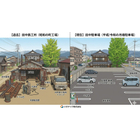
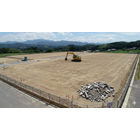
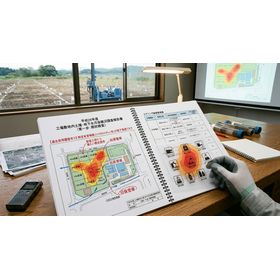
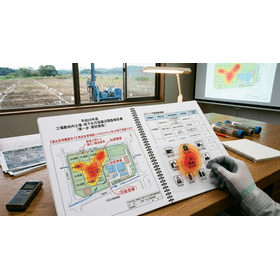
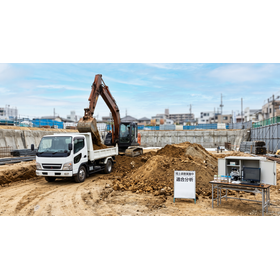
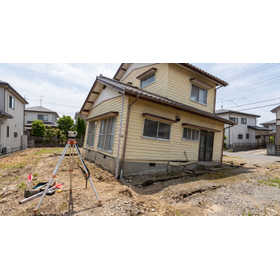
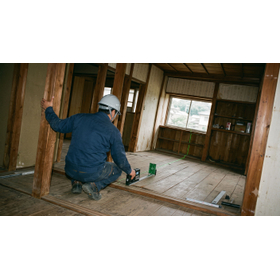
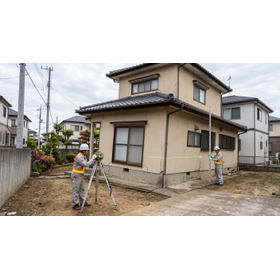
In the redevelopment of former factory sites, the integrity of the ground is emphasized for safe construction and smooth progress of the construction schedule. Particularly, if unexpected soil contamination is discovered after excavation begins, it can lead to temporary work stoppages or delays in soil disposal, which may directly result in schedule delays and budget overruns. This service is a self-investigation solution designed to avoid such risks and support the reliable progress of projects. Utilizing our expertise as a designated investigation agency, we conduct voluntary historical land surveys to assess the past history of the land, as well as precise sampling analyses tailored to the foundation plan, all before construction begins. By visualizing the safety of the ground as evidence in advance, we can optimize construction plans and design appropriate treatment for contaminated soil, thereby preventing unforeseen troubles and additional costs from arising. 【Usage Scenarios】 - Before purchasing or developing former factory sites - During the design phase before building confirmation applications - Accountability to clients 【Benefits of Implementation】 - Reduced risk of construction delays - Control of additional costs - Smooth progress of the project - Preservation of asset value
Added to bookmarks
Bookmarks listBookmark has been removed
Bookmarks listYou can't add any more bookmarks
By registering as a member, you can increase the number of bookmarks you can save and organize them with labels.
Free membership registration
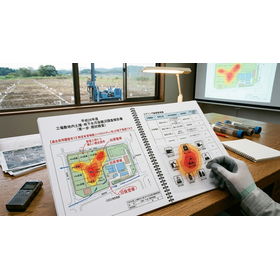
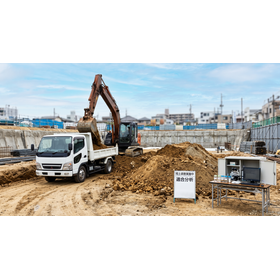
In the renovation industry, the integrity of the ground is emphasized for the safe refurbishment of buildings and smooth progress of construction schedules. Particularly, if unexpected soil contamination is discovered after excavation begins, it can lead to temporary work stoppages and delays in soil disposal, directly resulting in project delays and budget overruns. This service is a self-investigation solution designed to avoid such risks and support the reliable progress of projects. Utilizing expertise as a designated investigation agency, we conduct voluntary historical land surveys to assess the past history of the land, as well as precise sampling analyses tailored to foundation plans, all before construction begins. By visualizing the safety of the ground as evidence in advance, it enables the optimization of construction plans and the proper design of contaminated soil treatment, thereby preventing unforeseen troubles and additional costs from arising. 【Usage Scenarios】 - When planning renovations of existing buildings - Accountability to clients 【Benefits of Implementation】 - Reduction of construction delay risks - Control of additional costs - Smooth progress of projects - Preservation of asset value
Added to bookmarks
Bookmarks listBookmark has been removed
Bookmarks listYou can't add any more bookmarks
By registering as a member, you can increase the number of bookmarks you can save and organize them with labels.
Free membership registration
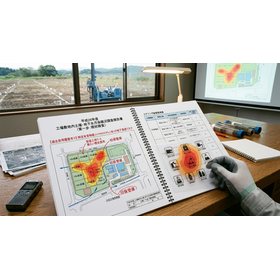
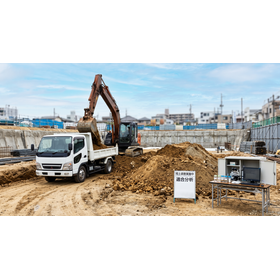
For landowners, the sound maintenance of assets and their future utilization are important concerns. Particularly when considering the sale or development of land, potential issues with the ground can pose risks of unexpected costs and delays in planning. If unforeseen soil contamination is discovered, it could impact land use plans and potentially lead to a decrease in asset value. This service is a self-investigation solution designed to identify such risks in advance, supporting smooth project progression while protecting land value. Utilizing our expertise as a designated investigation agency, we conduct voluntary historical investigations to assess the past history of the land, as well as precise sampling analyses tailored to future plans. By visualizing the safety of the ground in advance as evidence, we enable proper evaluation of the land and optimization of future development plans, preventing unforeseen troubles and impacts on asset value. 【Usage Scenarios】 - Before selling or purchasing land - When considering effective use or development of land - Asset evaluation during inheritance 【Benefits of Implementation】 - Preservation of land asset value - Smooth progression of sales and development plans - Reduction of unexpected additional costs - Expansion of future land use possibilities
Added to bookmarks
Bookmarks listBookmark has been removed
Bookmarks listYou can't add any more bookmarks
By registering as a member, you can increase the number of bookmarks you can save and organize them with labels.
Free membership registration
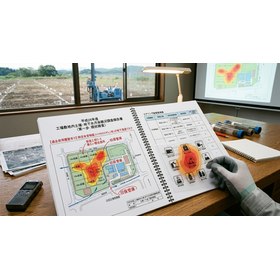
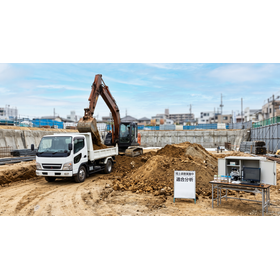
In the loan screening process of financial institutions, the reliable progress of residential development projects and the preservation of asset value are emphasized. In particular, if unexpected soil contamination is discovered after excavation begins, it can lead to temporary work stoppages or delays in soil disposal, which may directly result in project delays and budget overruns. This poses a risk that can affect the borrower's repayment ability and collateral value. This service is a self-investigation solution designed to avoid such risks and support the reliable progress of projects. Utilizing our expertise as a designated investigation agency, we conduct voluntary historical investigations to assess the past history of the land and perform precise sampling analysis tailored to the foundation plan before construction begins. By visualizing the safety of the ground in advance as evidence, we provide objective information that serves as a basis for lending decisions, preventing unexpected troubles and additional costs. 【Usage Scenarios】 - Before purchasing or developing residential land - During the design phase before building confirmation application - Accountability to the client 【Benefits of Implementation】 - Reduction of construction delay risks - Control of additional costs - Smooth progress of the project - Preservation of asset value
Added to bookmarks
Bookmarks listBookmark has been removed
Bookmarks listYou can't add any more bookmarks
By registering as a member, you can increase the number of bookmarks you can save and organize them with labels.
Free membership registration
For house builders, the integrity of the ground is crucial for safe construction and smooth progress of the construction schedule. In particular, if unexpected soil contamination is discovered after excavation begins, it can lead to temporary work stoppages and delays in soil disposal, directly resulting in project delays and budget overruns. This service is a self-investigation solution designed to avoid such risks and support the reliable progress of projects. Utilizing our expertise as a designated investigation agency, we conduct voluntary historical land surveys to assess the past history of the land, as well as precise sampling analyses tailored to foundation plans, all before construction begins. By visualizing the safety of the ground as evidence in advance, we can optimize construction plans and design appropriate treatment for contaminated soil, thereby preventing unforeseen troubles and additional costs from arising. 【Usage Scenarios】 - Before purchasing or developing residential land - During the design phase before building confirmation application - Accountability to clients 【Benefits of Implementation】 - Reduced risk of construction delays - Control of additional costs - Smooth progress of projects - Preservation of asset value
Added to bookmarks
Bookmarks listBookmark has been removed
Bookmarks listYou can't add any more bookmarks
By registering as a member, you can increase the number of bookmarks you can save and organize them with labels.
Free membership registration
In real estate development, the integrity of the ground is emphasized for smooth construction progress and safe building after obtaining development permits. Particularly, if unexpected soil contamination is discovered after excavation begins, it can lead to temporary work stoppages and delays in soil disposal, directly resulting in project delays and budget overruns. This service is a self-investigation solution designed to avoid such risks and support the reliable progress of projects. Utilizing the expertise of a designated investigation agency, we conduct voluntary historical land surveys that assess the past history of the land, as well as precise sampling analyses tailored to foundation plans, all before construction begins. By visualizing the safety of the ground as evidence in advance, we enable the optimization of construction plans and the proper design of contaminated soil treatment, thereby preventing unforeseen troubles and additional costs from arising. 【Usage Scenarios】 - Before purchasing or developing residential land - During the design phase before building confirmation applications - Accountability to clients 【Benefits of Implementation】 - Reduced risk of construction delays - Control of additional costs - Smooth progress of projects - Preservation of asset value
Added to bookmarks
Bookmarks listBookmark has been removed
Bookmarks listYou can't add any more bookmarks
By registering as a member, you can increase the number of bookmarks you can save and organize them with labels.
Free membership registration
In the construction industry, strict regulations and additional requirements for the disposal of construction soil are demanded based on regional ordinances. In particular, due to concerns about the inflow of soil from other prefectures and inadequate embankment measures, each municipality and disposal site has established its own acceptance standards and sampling specifications, which must be adhered to. Inadequate responses can lead to additional costs and delays in construction schedules. Our service provides a pre-compliance analysis that covers these complex standards, ensuring full compliance. 【Usage Scenarios】 - Land development projects in the metropolitan area (Tokyo, Chiba, Saitama, etc.) - Compliance with different soil acceptance standards in various regions - Optimization of sampling specifications 【Benefits of Implementation】 - Reduction of excessive investigation costs - Complete adherence to compliance - Smooth disposal of soil
Added to bookmarks
Bookmarks listBookmark has been removed
Bookmarks listYou can't add any more bookmarks
By registering as a member, you can increase the number of bookmarks you can save and organize them with labels.
Free membership registration
In the demolition construction industry, proper handling of generated soil is required. Especially in the metropolitan area, due to concerns about inflow from other prefectures and inadequate embankment measures, strict local ordinances and additional regulations have been established. To comply with these regulations, it is essential to accurately understand the acceptance standards and sampling specifications tailored to each site’s location and to conduct conformity analysis. Improper handling may lead to compliance violations and additional costs. Our service provides pre-conformity analysis based on specialized knowledge to support compliance adherence. 【Usage Scenarios】 - Disposal of construction residual soil in the metropolitan area (Tokyo, Chiba, Saitama, etc.) - Response to different acceptance standards in various regions - Confirmation of sampling specifications 【Benefits of Implementation】 - Reduction of excessive investigation costs - Complete compliance with regulations - Smooth disposal of residual soil
Added to bookmarks
Bookmarks listBookmark has been removed
Bookmarks listYou can't add any more bookmarks
By registering as a member, you can increase the number of bookmarks you can save and organize them with labels.
Free membership registration
In the real estate development industry, particularly in the application for development permits, the proper disposal of construction soil is an important issue. In the metropolitan area, due to concerns about inflow from other prefectures and inadequate earthworks measures, strict local ordinances and additional regulations have been established, and compliance with these is a prerequisite for obtaining development permits. If these complex acceptance standards and sampling specifications are not met, delays in disposal may occur, potentially affecting the overall progress of the project. Our service provides a pre-compliance analysis that covers these regional standards, ensuring compliance while reducing excessive investigation costs. 【Usage Scenarios】 - Development projects in the metropolitan area (Tokyo, Chiba, Saitama, etc.) - Compliance with strict local soil acceptance ordinances - Formulation of soil disposal plans in development permit applications 【Benefits of Implementation】 - Smoothening the development permit application process - Ensuring compliance with soil disposal regulations - Reducing excessive investigation costs
Added to bookmarks
Bookmarks listBookmark has been removed
Bookmarks listYou can't add any more bookmarks
By registering as a member, you can increase the number of bookmarks you can save and organize them with labels.
Free membership registration
In the construction industry, particularly in soil management, it is essential to respond to the unique regulations and additional regulations set by each municipality and disposal site. In the metropolitan area, regulations are becoming stricter year by year due to concerns about inflow from other prefectures and inadequate soil filling measures. It is required to accurately understand and comply with the different acceptance standards and sampling specifications for each region. Inadequate responses can lead to disposal delays, additional costs, and even the risk of compliance violations. Our service provides a pre-compliance analysis that covers these complex regulations, supporting smooth soil disposal. 【Usage Scenarios】 - Compliance with Chiba Prefecture's "5-point mixing method" for every 5000m3 - Compliance with Tokyo Port's "mixing prohibition and sea surface reclamation standards" for every 2500m3 - Selection of the most suitable acceptance sites for each project location - Screening of analysis items specified by regulations (including dioxins, oil content, fluorine, and more than 45 other items) 【Benefits of Implementation】 - Reduction of excessive investigation costs - Complete compliance with regulations - Facilitation of smooth soil disposal
Added to bookmarks
Bookmarks listBookmark has been removed
Bookmarks listYou can't add any more bookmarks
By registering as a member, you can increase the number of bookmarks you can save and organize them with labels.
Free membership registration
In the real estate sector, the stability and durability of buildings are required to maintain the long-term asset value of properties. In particular, uneven settlement caused by overlooked buried debris, often found in gaps in ground survey data, can lead to building tilting and structural issues, posing a risk of decreased asset value. At Geotech, we conduct hand auger drilling and pinpoint subsurface exploration as part of ground and foundation diagnostics before renovations, visualizing the extent of buried debris and settlement factors as objective numerical data. In the leveling process, we apply a jack-up method using pressure plates that does not require extensive demolition work, allowing for precise millimeter-level horizontal restoration using small hydraulic jacks that leverage the building's own weight. After lifting, we pressure-inject high-flow air-entrained mortar (air milk) into the voids beneath the floor to equalize ground pressure, and we encapsulate damaged fabric foundation structures with high-adhesion epoxy resin to restore structural strength exceeding that of new construction. Geotech's settlement correction construction menu enhances the overall quality and durability of renovations, contributing to the maintenance of asset value. [Usage Scenarios] - Checking the ground and foundation condition before purchasing a used property - Stabilizing buildings before renovations or refurbishments - Maintaining and improving long-term asset value - Resolving building tilting and floor irregularities
Added to bookmarks
Bookmarks listBookmark has been removed
Bookmarks listYou can't add any more bookmarks
By registering as a member, you can increase the number of bookmarks you can save and organize them with labels.
Free membership registration
In the construction industry, when planning large-scale renovations or seismic reinforcement work, debris and buried waste hidden in the gaps of ground survey data can pose a hidden risk of uneven settlement, leading to floor re-tilting or issues with fixtures after the completion of the work. No matter how much the upper structure is renewed, if the foundation or the ground beneath is left weakened, the building's inherent longevity cannot be achieved. At Geotech, we conduct hand auger drilling and pinpoint subsurface exploration as part of the ground and foundation diagnosis before starting renovations, visualizing the extent of buried waste and settlement factors as objective numerical data. In the leveling process, we apply a pressure plate jack-up method that does not require extensive demolition work, using small hydraulic jacks to achieve precise horizontal restoration in millimeter increments, leveraging the building's own weight as a counterforce. After lifting, we pressure-inject high-flow air bubble mortar into the voids beneath the floor to equalize the ground pressure, and we encapsulate the damaged cloth foundation structure with high-adhesion epoxy resin to restore structural strength beyond that of new construction. Geotech's settlement correction work menu enhances the overall quality and durability of the renovation. 【Usage Scenarios】 - When ground reinforcement and uneven settlement correction are needed - When there is a risk of settlement due to buried waste hidden in the gaps of ground survey data
Added to bookmarks
Bookmarks listBookmark has been removed
Bookmarks listYou can't add any more bookmarks
By registering as a member, you can increase the number of bookmarks you can save and organize them with labels.
Free membership registration
In the demolition industry, accurate situational understanding is required before the demolition of a building. Particularly in the assessment of used houses for sale and proposals for renovations, the tilt of the floor serves as an important indicator of the building's condition. Floor inclinations caused by uneven ground subsidence may suggest structural problems within the building, potentially affecting demolition plans and assessment prices. GeoTech's subsidence correction work provides information to objectively grasp floor inclinations through high-precision measurements, allowing for an accurate evaluation of the building's condition. This supports precise preliminary investigations before demolition and contributes to smooth transactions and the development of appropriate demolition plans. 【Usage Scenarios】 - Preliminary investigations before the demolition of used houses - Objective understanding of the building's tilt condition - Provision of foundational information during sales assessments and renovation proposals 【Benefits of Implementation】 - Accurate understanding of the building's condition before demolition - Provision of objective data for sales assessments - Improved accuracy of demolition plans
Added to bookmarks
Bookmarks listBookmark has been removed
Bookmarks listYou can't add any more bookmarks
By registering as a member, you can increase the number of bookmarks you can save and organize them with labels.
Free membership registration
In structural diagnosis by design offices, it is essential to accurately assess the integrity of buildings and predict future risks. In particular, floor inclinations caused by uneven ground settlement are an important sign indicating structural issues, which can affect the safety of residents and the asset value of the building. Objectively understanding these issues and proposing appropriate measures is crucial for enhancing the reliability of the design office. Our settlement correction work provides professional techniques and data-driven solutions to address these challenges. 【Usage Scenarios】 - Identifying structural issues during inspections of used houses - Investigating the causes of floor inclinations during structural diagnosis of existing buildings - Proposing measures to enhance the asset value of buildings in renovation proposals 【Effects of Implementation】 - Improved accuracy of structural diagnosis and provision of objective data - Alleviation of concerns regarding the safety and livability of buildings - Increased reliability in transactions involving used houses
Added to bookmarks
Bookmarks listBookmark has been removed
Bookmarks listYou can't add any more bookmarks
By registering as a member, you can increase the number of bookmarks you can save and organize them with labels.
Free membership registration
In the ground investigation industry, identifying the causes of differential settlement in buildings and accurately assessing the resulting floor tilt is essential. Particularly, floor inclinations that affect the asset value of the building and the health of its residents must be objectively understood, and appropriate measures taken. Our settlement correction work addresses these challenges through high-precision surveys and low-noise construction methods. 【Usage Scenarios】 - Addressing inspection issues in the buying and selling assessment of used homes - Resolving floor inclinations that cause dizziness or health issues for residents - Proposing renovations aimed at increasing the asset value of the building 【Effects of Implementation】 - Precise leveling restoration of floor inclinations to the millimeter - Low-noise, short construction periods, allowing work to be done while residents remain in the building - Long-term stabilization of the building through measures to prevent re-settlement
Added to bookmarks
Bookmarks listBookmark has been removed
Bookmarks listYou can't add any more bookmarks
By registering as a member, you can increase the number of bookmarks you can save and organize them with labels.
Free membership registration
In the field of foundation repair, cases where the slope of the floor becomes an issue are often seen in the buying and selling of used homes and in renovation proposals. The slope of the floor is caused by differential settlement of the building and can lead to health problems for residents and a decrease in the asset value of the property. In response to these challenges, our settlement correction work utilizes a low-noise hydraulic jack method to enhance the asset value of the building and improve the living environment. 【Usage Scenarios】 - When floor slope is pointed out during an inspection of a used home - When the slope of the floor becomes a hurdle during renovation proposals - When the cause of residents' dizziness or health issues is suspected to be the floor slope 【Effects of Implementation】 - Increase in the asset value of the building - Improvement in residents' living comfort (resolution of dizziness issues) - Enhanced reliability in real estate transactions and renovation work
Added to bookmarks
Bookmarks listBookmark has been removed
Bookmarks listYou can't add any more bookmarks
By registering as a member, you can increase the number of bookmarks you can save and organize them with labels.
Free membership registration
In transactions involving used houses and renovation proposals, floor tilt can be a significant issue. This tilt not only causes dizziness and health problems for residents but also affects the asset value of the building. At Geotech, we objectively assess the condition of the building through high-precision measurements and low-noise hydraulic jacking methods, allowing for precise leveling restoration down to the millimeter. This leads to improvements in the living environment and increases in asset value. 【Usage Scenarios】 - When floor tilt is pointed out during an inspection of a used house - When it is believed that residents' dizziness or health issues are caused by floor tilt - When wanting to improve the condition of the building in a valuation for buying or selling a used house - When considering repairs to the foundation of the building as part of a renovation proposal 【Benefits of Implementation】 - Resolution of health issues for residents (such as dizziness and headaches) - Increase in the asset value of the building - Enhanced reliability in real estate transactions - Improvement in living comfort
Added to bookmarks
Bookmarks listBookmark has been removed
Bookmarks listYou can't add any more bookmarks
By registering as a member, you can increase the number of bookmarks you can save and organize them with labels.
Free membership registration
In the remodeling industry, the tilt of floors can be a challenge in the buying and selling of used homes and in renovation proposals. Floor tilt can lead to health issues for residents, such as dizziness and headaches, and can also affect the asset value of the building. At Geotech, we precisely restore floor tilt with high-precision measurements and low-noise hydraulic jacking methods, taking the building's structure into consideration. This improves the living environment and enhances the asset value of the building, increasing the reliability of renovation work. 【Usage Scenarios】 - Renovation of used homes - When floor tilt is pointed out during an inspection - When residents' health issues (such as dizziness and headaches) may be caused by floor tilt - Renovations aimed at increasing the asset value of the building 【Benefits of Implementation】 - Improvement of residents' health and comfort - Maintenance and enhancement of the building's asset value - Increased reliability of renovation work - Long-term peace of mind through prevention of re-sinking
Added to bookmarks
Bookmarks listBookmark has been removed
Bookmarks listYou can't add any more bookmarks
By registering as a member, you can increase the number of bookmarks you can save and organize them with labels.
Free membership registration
In the construction industry, maintaining the safety and asset value of buildings is essential. In particular, floor inclinations caused by uneven ground subsidence can affect not only the structural integrity of the building but also the health of its occupants. Even millimeter-level floor inclinations can lead to health issues such as dizziness and headaches. At Geotech, we provide subsidence correction work that enhances the asset value of buildings and improves living comfort through high-precision measurements and low-noise hydraulic jack methods. 【Usage Scenarios】 - Repairing issues identified during inspections prior to the sale of used homes - Increasing added value in renovation proposals - Resolving health issues for residents (such as dizziness) - Enhancing the asset value of buildings 【Benefits of Implementation】 - Restoration of the building's level state - Improvement of residents' health conditions - Increased reliability in real estate transactions - Maintenance and enhancement of the building's asset value
Added to bookmarks
Bookmarks listBookmark has been removed
Bookmarks listYou can't add any more bookmarks
By registering as a member, you can increase the number of bookmarks you can save and organize them with labels.
Free membership registration
In real estate sales assessments, the condition of the building is directly linked to its asset value, making the floor's slope, as pointed out in inspections, an important concern. The slope of the floor can not only cause dizziness or health issues for residents but may also indicate structural problems with the building, potentially affecting the buyer's willingness to purchase. Geo-tech settlement correction work addresses these challenges and enhances the reliability and appeal of used homes. 【Usage Scenarios】 - During the sales assessment of used homes - Properties where floor slope has been pointed out in inspections - Cases where the cause of residents' health issues (such as dizziness) is suspected to be the floor slope - When proposing renovations aimed at increasing the building's asset value 【Effects of Implementation】 - Improved property evaluation during sales assessments - Providing reassurance to potential buyers - Enhanced comfort for residents - Long-term maintenance of the building's asset value
Added to bookmarks
Bookmarks listBookmark has been removed
Bookmarks listYou can't add any more bookmarks
By registering as a member, you can increase the number of bookmarks you can save and organize them with labels.
Free membership registration
In densely populated areas with closely packed residential buildings or near property boundaries, hidden buried waste or construction debris between representative points of pre-ground surveys can cause significant problems by leading to irregular uneven settlement. In environments where site space is limited, it is often impossible to bring in large improvement machinery, and concerns about noise and vibrations from construction can force sites to abandon necessary measures due to friction with neighbors. GeoTech employs portable hand auger drilling and pinpoint subsurface exploration to accurately visualize the range of foreign objects lurking near boundaries and the settlement gradient as objective data. In the horizontal correction process, a jack-up method using pressure-resistant slabs is applied, allowing construction to be carried out with minimal working space from the property boundary. Using the building's own weight as a reaction force, small hydraulic jacks perform precise lifting in millimeter increments, avoiding encroachment on neighboring properties and unnecessary demolition work. After lifting, high-flow air bubble mortar is injected into the underground voids, and high-viscosity epoxy resin is also used for the foundation structure where unevenness has occurred. Through GeoTech's settlement correction construction menu, we provide reliable construction that takes into account the concerns of neighbors, even in narrow and densely populated areas.
Added to bookmarks
Bookmarks listBookmark has been removed
Bookmarks listYou can't add any more bookmarks
By registering as a member, you can increase the number of bookmarks you can save and organize them with labels.
Free membership registration
When planning large-scale renovations or seismic reinforcement work, debris and buried waste hidden in the gaps of ground survey data can pose a hidden risk of uneven settlement, leading to floor re-tilting or fixture malfunctions after the completion of the construction. No matter how much the upper structure is renewed, if the foundation and the underlying ground's softening are left unaddressed, the building's inherent longevity cannot be achieved. At Geotech, we conduct hand auger drilling and pinpoint underground exploration as part of the ground and foundation diagnosis before starting renovations, visualizing the extent of buried waste and settlement factors as objective numerical data. In the leveling process, we apply a pressure plate jack-up method that does not require extensive demolition work, using small hydraulic jacks to achieve precise horizontal restoration in millimeter increments, leveraging the building's own weight as a reaction force. After lifting, we pressure-inject high-flow air bubble mortar (air milk) into the voids under the floor to equalize the ground pressure, and we encapsulate the damaged cloth foundation structure with high-adhesion epoxy resin to restore structural strength beyond that of new construction. Geotech's settlement correction work menu enhances the overall quality and durability of the renovation.
Added to bookmarks
Bookmarks listBookmark has been removed
Bookmarks listYou can't add any more bookmarks
By registering as a member, you can increase the number of bookmarks you can save and organize them with labels.
Free membership registration
Buried waste such as rubble and construction debris hidden in the gaps of ground investigation data can cause uneven settlement over time, creating excessive tensile stress on urban gas and water supply pipes buried directly beneath buildings. To prevent serious equipment issues like pipe breaks and leaks, advanced technology is required to accurately identify the causes without halting the operation of homes and businesses, and to level the ground. At Geotech, we clearly visualize the relationship between underground pipes and buried waste through hand auger drilling and pinpoint subsurface exploration, objectively identifying the causes of settlement. For leveling, we employ a space-saving pressure slab jack-up method, using the building's own weight as a reaction force to carefully lift in millimeter increments with small hydraulic jacks. By continuously monitoring the displacement of the piping with laser measurements during construction, safe horizontal restoration can be achieved without interrupting infrastructure functions. Furthermore, we combine pressurized filling of air milk into underground voids with high-viscosity epoxy resin injection into foundation cracks to prevent re-settlement and ensure long-term equipment protection. Geotech's settlement correction construction menu maintains a safe living environment.
Added to bookmarks
Bookmarks listBookmark has been removed
Bookmarks listYou can't add any more bookmarks
By registering as a member, you can increase the number of bookmarks you can save and organize them with labels.
Free membership registration
Buried waste such as debris and construction waste hidden in the gaps of ground survey data poses a significant risk factor for unexpected localized subsidence after the handover of a house or in the early stages of a new construction. Since these issues cannot be fully captured by representative points in preliminary surveys, cases often arise where rapid inclinations or structural cracks occur in parts of the mat foundation, leading to disputes with homeowners. At Geotech, we conduct hand auger drilling and pinpoint subsurface exploration to accurately visualize the extent of buried waste and the causes of subsidence as objective numerical data. In the repair process, we apply a space-saving jack-up method for pressure plates, synchronously driving small hydraulic jacks using the building's own weight as a reaction force, and performing precise horizontal adjustments in millimeter increments under constant high-precision laser monitoring. After the lift-up is completed, we inject high-flow air bubble mortar into the voids created under the floor to equalize the ground pressure across the surface, while also pressurizing and sealing high-adhesion epoxy resin into the damaged mat foundation structure to restore its structural strength. Geotech's subsidence correction construction menu strongly supports builders in their after-sales service.
Added to bookmarks
Bookmarks listBookmark has been removed
Bookmarks listYou can't add any more bookmarks
By registering as a member, you can increase the number of bookmarks you can save and organize them with labels.
Free membership registration
Unforeseen underground debris and buried waste that cannot be anticipated during ground surveys can cause irregular localized subsidence, where only part of the building sinks. Implementing comprehensive piling or large-scale ground improvement can incur significant construction costs, so a rational correction method that precisely identifies and addresses the buried areas causing the subsidence is extremely effective. GeoTech locally identifies the subsidence areas caused by buried waste through hand auger drilling and pinpoint underground exploration, thoroughly cutting unnecessary preliminary survey costs and overall construction expenses. For horizontal adjustment, we apply a jack-up method using compact thick steel plates. Even in narrow sites where the transport of temporary machinery is difficult, we achieve precise lifting in millimeter increments using small hydraulic jacks, leveraging the building's weight as a reaction force, dramatically reducing construction time and costs. After lifting, we flow air-entrained mortar (air milk) into the voids under the floor, and for cracks in the foundation, we also use high-viscosity epoxy resin injection. GeoTech's subsidence correction construction menu provides reliable restoration at a low cost.
Added to bookmarks
Bookmarks listBookmark has been removed
Bookmarks listYou can't add any more bookmarks
By registering as a member, you can increase the number of bookmarks you can save and organize them with labels.
Free membership registration
Underground debris and buried waste that cannot be detected at standard representative points in ground surveys can cause irregular localized subsidence over time, becoming a significant factor for price reductions in the sale of used homes and inspection evaluations. Uneven subsidence caused by hidden underground obstacles leads to sudden sinking in specific areas or foundation cracks rather than tilting of the entire building, making it essential to investigate the causes based on objective data rather than relying on intuition. Geotech clearly visualizes the presence of foreign material layers through hand auger probing and pinpoint underground exploration, and conducts numerical analysis of distortions in the exterior and interior using high-precision laser level measurements down to the millimeter. For subsidence correction, we adopt a jack-up method with pressure plates that can be implemented even on narrow sites, accurately returning the structure to a level state by linking small hydraulic jacks to the building's self-weight without putting a burden on the structural body. Furthermore, we combine high-density filling of air bubble mortar (air milk) into underground voids with the injection of high-adhesion epoxy resin into foundation cracks to prevent re-subsidence and establish the seismic and structural safety of the entire building. Geotech's subsidence correction construction menu ensures a balance of reliable quality and asset value protection.
Added to bookmarks
Bookmarks listBookmark has been removed
Bookmarks listYou can't add any more bookmarks
By registering as a member, you can increase the number of bookmarks you can save and organize them with labels.
Free membership registration
Buried waste such as rubble and construction debris lurking in the gaps of ground investigation data can cause irregular ground softening due to aging and uneven load distribution, leading to significant localized subsidence where only parts of a building sink. Since representative point data from tests like SWS cannot capture this, sudden structural cracks or dangerous deformations may occur at specific locations of the shallow foundation. At Geotech, we conduct hand auger drilling and pinpoint subsurface exploration to accurately visualize the location and extent of buried waste as objective numerical data. In the repair process, we apply a space-saving jack-up method using pressure plates, synchronously driving small hydraulic jacks with the building's own weight as a reaction force, and performing precise horizontal adjustments in millimeter increments under constant high-precision laser monitoring. After the lift-up is completed, we inject high-flow air-entrained mortar (air milk) into the voids created under the floor to equalize the ground pressure over the area, while also pressurizing and sealing high-adhesion epoxy resin into the damaged shallow foundation structure to restore its integrity and structural strength beyond that of when it was newly built. Through Geotech's advanced subsidence correction construction menu, we establish lasting structural safety at the foundation level.
Added to bookmarks
Bookmarks listBookmark has been removed
Bookmarks listYou can't add any more bookmarks
By registering as a member, you can increase the number of bookmarks you can save and organize them with labels.
Free membership registration
Underground debris and buried waste that cannot be fully anticipated during ground surveys can cause irregular localized subsidence, where only part of a building sinks. Implementing comprehensive piling or large-scale ground improvement can incur significant construction costs, so a rational corrective method that precisely identifies and addresses the buried areas causing the subsidence is extremely effective. Geotech locally identifies the subsidence areas caused by buried waste through hand auger drilling and pinpoint subsurface exploration, thoroughly cutting unnecessary preliminary survey costs and overall construction expenses. For horizontal adjustment, we apply a pressure plate jack-up method using compact thick steel plates. Even in narrow sites where the transport of temporary machinery is difficult, we perform precise lifting in millimeter increments using small hydraulic jacks, leveraging the building's own weight as a reaction force, dramatically reducing construction time and costs. After lifting, we flow air-entrained mortar (air milk) into the voids under the floor and use high-viscosity epoxy resin injection for any cracks in the foundation. Geotech's subsidence correction construction menu provides reliable and low-cost restoration of the foundation.
Added to bookmarks
Bookmarks listBookmark has been removed
Bookmarks listYou can't add any more bookmarks
By registering as a member, you can increase the number of bookmarks you can save and organize them with labels.
Free membership registration
Underground debris and buried waste that cannot be captured at representative points during ground surveys can cause irregular localized subsidence over time, significantly impacting the structural safety of buildings, regardless of whether they are new or old. When underground obstacles hidden between standard SWS tests are the cause, rapid subsidence or structural cracks occur in specific areas rather than the entire building tilting, necessitating an investigation based on scientific data rather than intuitive repairs. Geotech visualizes the location and extent of obstacles through hand auger drilling and pinpoint underground exploration, and conducts numerical analysis of distortions in the exterior and interior using high-precision laser level measurements down to the millimeter. For subsidence correction, we employ a jack-up method with pressure plates that can be implemented in narrow spaces, synchronously driving small hydraulic jacks using the building's own weight as a reaction force, allowing for precise leveling without burdening the structure. Additionally, we combine high-density filling of air bubble mortar (air milk) into underground voids with high-adhesion epoxy resin injection into foundation cracks to prevent re-subsidence and establish the overall seismic and structural safety of the building. Geotech's comprehensive subsidence correction service menu supports a safe living environment.
Added to bookmarks
Bookmarks listBookmark has been removed
Bookmarks listYou can't add any more bookmarks
By registering as a member, you can increase the number of bookmarks you can save and organize them with labels.
Free membership registration
The debris and buried garbage hidden in the gaps of ground investigation data can cause irregularities in the ground, leading to significant localized subsidence where only parts of a building settle after construction or over time. Even if no abnormalities are detected in the preliminary investigation data, localized softening can result in dangerous distortions or structural cracks in the foundation and exterior walls. At Geotech, we conduct pinpoint underground exploration and situation identification through hand auger drilling to accurately clarify the causes of subsidence and the extent of abnormalities. In the repair process, we apply a pressure plate jack-up method using compact thick steel plates, allowing for precise millimeter-level horizontal lift-ups with small hydraulic jacks, even in confined spaces, using the building's weight as a counterforce. Furthermore, we fill any voids or cracks that occur after lifting with highly fluid air bubble mortar (air milk) and combine this with high-viscosity epoxy resin injection into the uneven foundation structure, achieving improved foundation strength and preventing re-subsidence. With Geotech's extensive subsidence correction construction menu, we provide structural repairs that ensure peace of mind while living in the building.
Added to bookmarks
Bookmarks listBookmark has been removed
Bookmarks listYou can't add any more bookmarks
By registering as a member, you can increase the number of bookmarks you can save and organize them with labels.
Free membership registration
This brochure explains the sinking correction work that resolves dizziness and health issues by correcting floor tilts without moving or temporarily relocating, allowing residents to continue their daily lives as usual. Millimeter-level floor inclinations that occur in homes continuously stress the human vestibular system, leading to unexplained dizziness and autonomic nervous system disorders. Our company conducts a preliminary Swedish-style sounding (SWS) survey and precise level measurements to objectively visualize the depth of ground weakness and the mechanisms of differential settlement. The construction procedure involves evenly placing compact hydraulic jacks directly under the foundation and safely lifting and correcting the building while implementing measures to follow the piping. We use low-noise, low-vibration quiet equipment for the work, allowing us to proceed quietly without causing noise issues, even in narrow sites close to property boundaries. After lifting, we combine steel pipe pile driving, i-LIFT, and the stubborn old man method to effectively prevent future re-settlement, thereby restoring a safe and healthy living environment.
Added to bookmarks
Bookmarks listBookmark has been removed
Bookmarks listYou can't add any more bookmarks
By registering as a member, you can increase the number of bookmarks you can save and organize them with labels.
Free membership registration
This document is a technical material that clearly explains the sinking correction work to rectify floor tilts, which can be a bottleneck in used housing transactions and renovation proposals, thereby resolving dizziness issues for residents and enhancing the asset value of the building. Millimeter-level floor tilts caused by uneven ground subsidence can create illusions in the human vestibular system and semicircular canals, leading to chronic dizziness, headaches, and other health problems. At Geotech, we conduct building perimeter level measurements using high-precision levels and SWS tests to objectively visualize the degree of subsidence and ground conditions as digital data. For tilt correction, we apply a low-noise hydraulic jack method that utilizes the building's own weight as a counterforce, allowing for precise leveling without placing excessive burden on the superstructure. Even in narrow sites where large machinery cannot enter, we can safely carry out the work in a short period while residents remain in the building. After restoration, we prevent re-subsidence through the insertion of steel pipe piles and the injection of bubble mortar, and we also accommodate the reattachment of ground guarantees. This strongly supports the reliability of real estate transactions and renovation work.
Added to bookmarks
Bookmarks listBookmark has been removed
Bookmarks listYou can't add any more bookmarks
By registering as a member, you can increase the number of bookmarks you can save and organize them with labels.
Free membership registration
This catalog explains a sinking correction method that addresses the often-overlooked floor tilt during renovations, fundamentally improving residents' dizziness and health issues. Subtle floor inclinations caused by uneven ground subsidence can chronically stress the semicircular canals, leading to autonomic nervous system disturbances and headaches. Our company objectively clarifies the causes of subsidence through precise level measurements around the building and Swedish sounding (SWS) surveys. During construction, we carefully lift the building while monitoring its displacement in millimeter increments in real-time, using small hydraulic jacks. By employing low-noise equipment that minimizes operational sounds and vibrations, we can restore the level state within a short period without requiring residents to leave their familiar homes or move to temporary accommodations. Furthermore, by combining steel pipe pile driving into deep supporting layers and filling voids under the foundation, we thoroughly prevent future subsidence. We propose technology that enhances the structural safety of homes and realizes a safe and healthy living environment.
Added to bookmarks
Bookmarks listBookmark has been removed
Bookmarks listYou can't add any more bookmarks
By registering as a member, you can increase the number of bookmarks you can save and organize them with labels.
Free membership registration
In uneven ground where narrow plots are close to property boundaries and mixed with embankments and excavations, localized subsidence can cause houses to tilt, leading to unexplained dizziness, headaches, and autonomic nervous system disorders for the residents. GeoTech's subsidence correction method is an advanced technology that protects both the building and the health of its occupants from the ground up, even in harsh construction environments. During site surveys, the distribution depth of soft layers and the deformation angles of foundations are accurately analyzed through screw weight penetration (SWS) tests and peripheral level measurements. In actual repairs, we utilize a steel pipe pile driving method (underpinning) using small hydraulic jacks and the i-LIFT method, which injects non-dispersive cement-based grout. Even in narrow sites where large machinery cannot enter, we perform millimeter-level horizontal corrections without relocating to temporary housing, while continuing to use essential utilities such as water and gas. After correction, high-density bubble mortar (air milk) is injected into the ground voids, and for foundation cracks, resin injection and carbon fiber sheet application are carried out, providing strong footing stabilization along with high seismic resistance and extended lifespan.
Added to bookmarks
Bookmarks listBookmark has been removed
Bookmarks listYou can't add any more bookmarks
By registering as a member, you can increase the number of bookmarks you can save and organize them with labels.
Free membership registration
Claims regarding defects in residential properties and issues such as differential settlement and floor tilt that arise during inspections not only lower the value of the building but also cause residents to experience autonomic nervous system disorders such as dizziness and tinnitus. GeoTech Co., Ltd. provides settlement analysis based on objective evidence and high-precision settlement correction solutions. In preliminary investigations, we conduct screw weight penetration (SWS) tests and laser measurements around the building's perimeter to quantify soil properties, ground resistance values, and deformation angles, scientifically clarifying the factors contributing to settlement. During the restoration process, we utilize a low-noise, low-vibration hydraulic jack system to perform precise leveling corrections in millimeter increments without putting stress on the building's structure, all under continuous digital monitoring. This allows construction to proceed while residents remain in the property, thoroughly eliminating secondary costs such as temporary housing expenses and moving. After the corrections, we ensure load-bearing capacity through the installation of steel pipe piles and pressure plates, and by injecting air milk and resin into foundation cracks, we achieve lasting structural safety and enhancement of asset value.
Added to bookmarks
Bookmarks listBookmark has been removed
Bookmarks listYou can't add any more bookmarks
By registering as a member, you can increase the number of bookmarks you can save and organize them with labels.
Free membership registration
The uneven settlement of residential buildings and the tilting of floors due to aging can cause persistent stress to the vestibular system and autonomic nervous system of the residents, leading to unexplained symptoms such as dizziness, headaches, and nausea. The settlement correction work provided by Geotech Co., Ltd. is an advanced technology that fundamentally resolves these unpleasant symptoms and restores a healthy living environment in homes. Before construction, laser measuring devices and leveling instruments are used to visualize the tilt of the building's exterior and interior in millimeter detail, and optimal repair designs are planned based on objective technical data. During the actual correction work, low-noise and low-vibration multi-stage hydraulic jacks are used to accurately lift the tilted foundation structure to a horizontal state, utilizing the weight of the building and ground reaction forces. This process does not require any relocation to temporary housing, allowing the construction to be completed while maintaining essential living infrastructure such as water and gas, thus avoiding unnecessary secondary costs and mental burdens. After construction, resin injection into foundation cracks and air milk filling into ground voids are carried out to ensure permanent stabilization and prevention of re-settlement.
Added to bookmarks
Bookmarks listBookmark has been removed
Bookmarks listYou can't add any more bookmarks
By registering as a member, you can increase the number of bookmarks you can save and organize them with labels.
Free membership registration
In public works, there is a demand for strengthening disaster response capabilities. In particular, securing a solid and stable foundation is essential to protect infrastructure and the safety of local residents from natural disasters such as earthquakes and flooding. The vulnerability of the ground increases the risk of structural collapse and flooding damage, which can require significant time and cost for recovery. Our small-diameter steel pipe pile method is less affected by soil conditions and water levels, and can be constructed with low vibration and low noise, contributing to infrastructure development for disaster preparedness and enhancing local disaster resilience. 【Application Scenarios】 - Development of disaster-resistant infrastructure (roads, bridges, levees, etc.) - Ground reinforcement for evacuation facilities and public buildings - Liquefaction countermeasures - Stabilization of structural foundations on weak ground 【Benefits of Implementation】 - Reduction of damage and early recovery during disasters - Extension of infrastructure lifespan - Ensuring the safety of local residents - Shortening construction periods while minimizing impact on the surrounding environment
Added to bookmarks
Bookmarks listBookmark has been removed
Bookmarks listYou can't add any more bookmarks
By registering as a member, you can increase the number of bookmarks you can save and organize them with labels.
Free membership registration
In the housing industry, a strong and stable foundation is required to maintain the long-term safety and comfort of buildings. Particularly in areas with weak soil or high groundwater levels, buildings are prone to sinking or tilting, which can affect livability and property value. Therefore, reliable ground reinforcement that firmly supports the building and prevents sinking is essential. The small-diameter steel pipe pile method by Geotech Co., Ltd. effectively addresses the issue of preventing house sinking in residential buildings by ensuring that the steel pipe piles reach a solid support layer, thereby providing strong support for the structure. 【Usage Scenarios】 - New single-family homes on weak soil - Construction on land with high groundwater levels - Sinking countermeasures for existing homes 【Benefits of Implementation】 - Suppression of building sinking and tilting - Improvement of long-term building safety - Maintenance of comfort in living spaces
Added to bookmarks
Bookmarks listBookmark has been removed
Bookmarks listYou can't add any more bookmarks
By registering as a member, you can increase the number of bookmarks you can save and organize them with labels.
Free membership registration
In commercial facilities, a solid foundation is required to ensure the safety of stores and to allow customers to use them with peace of mind. In particular, building settlement can directly lead to dysfunction of the store and a decrease in customer satisfaction. Our small-diameter steel pipe pile method is a support pile method that is less affected by soil conditions and groundwater levels, providing stable quality to support buildings. This ensures the long-term safety of commercial facilities and contributes to the stability of store operations. 【Usage Scenarios】 - Ground improvement during new store construction - Ground reinforcement associated with renovations of existing stores - Settlement countermeasures for the entire commercial facility 【Benefits of Implementation】 - Improved store safety by reducing the risk of building settlement - Maintenance and enhancement of customer satisfaction - Stabilization of long-term store operations
Added to bookmarks
Bookmarks listBookmark has been removed
Bookmarks listYou can't add any more bookmarks
By registering as a member, you can increase the number of bookmarks you can save and organize them with labels.
Free membership registration
In manufacturing factories, a strong and stable foundation is required to ensure the stable operation of production equipment and the long-term safety of buildings. In particular, vibrations caused by the installation and operation of large machinery, as well as fluctuations in groundwater levels, pose risks of ground subsidence and building tilt, which can lead to production line stoppages and damage to equipment. Our small-diameter steel pipe pile method addresses these challenges by ensuring that steel pipe piles reach a reliable support layer, thereby firmly supporting the building and facilitating stable factory operations. 【Application Scenarios】 - Ground improvement during new factory construction - Ground reinforcement during the expansion or renovation of existing factories - Prevention of subsidence in areas where large machinery is installed - Stabilization in sites with significant fluctuations in groundwater levels 【Benefits of Implementation】 - Increased productivity through stable operation of production equipment - Reduced risk of building subsidence and tilt - Assurance of long-term building safety - Construction with minimized impact on neighboring areas
Added to bookmarks
Bookmarks listBookmark has been removed
Bookmarks listYou can't add any more bookmarks
By registering as a member, you can increase the number of bookmarks you can save and organize them with labels.
Free membership registration
In the real estate sector, the long-term safety of buildings and the maintenance of asset value are required. In particular, the condition of the ground is directly linked to the sinking or tilting of buildings and can significantly impact asset value. Inadequate ground measures carry the risk of future repair costs and decreased valuation at the time of sale. GeoTech Co., Ltd.'s small-diameter steel pipe pile method aims to firmly support buildings by ensuring that the steel pipe piles reach a reliable bearing layer, with the primary goal of preventing sinking. This enhances the stability of buildings and contributes to the maintenance and improvement of asset value. 【Application Scenarios】 - Ground reinforcement for newly built single-family homes - Sinking measures for existing buildings - Construction projects on soft ground 【Effects of Implementation】 - Reduction of risks related to building sinking and tilting - Assurance of long-term building safety - Contribution to the maintenance and enhancement of asset value
Added to bookmarks
Bookmarks listBookmark has been removed
Bookmarks listYou can't add any more bookmarks
By registering as a member, you can increase the number of bookmarks you can save and organize them with labels.
Free membership registration
In the construction industry, ensuring the long-term stability of buildings requires a strong foundation and ground. Particularly in areas with weak soil or high groundwater levels, the risk of building settlement or tilting increases, which can affect the safety of structures. Therefore, appropriate foundation reinforcement to enhance the ground's bearing capacity and reliably support the building is essential. The small-diameter steel pipe pile method by Geotech Co., Ltd. addresses these challenges and provides solutions for robust building support. 【Usage Scenarios】 - Buildings on weak ground - Sites with high groundwater levels - Urban areas requiring consideration for neighboring properties - From single-family homes to general buildings 【Benefits of Implementation】 - Prevention of building settlement - Improved stability of structures - Contribution to shortened construction periods - Reduced impact on the surrounding environment
Added to bookmarks
Bookmarks listBookmark has been removed
Bookmarks listYou can't add any more bookmarks
By registering as a member, you can increase the number of bookmarks you can save and organize them with labels.
Free membership registration
In real estate development, the long-term safety of buildings and the maintenance of asset value are required. In particular, the stability of the ground is a crucial factor directly related to the durability of the building and the safety of its occupants. The quality of the ground can affect the performance of the building, and appropriate ground reinforcement is essential for enhancing asset value. Our Pure Pile method achieves high-quality, high-strength pile-type ground reinforcement unaffected by soil conditions, providing a reliable and secure construction foundation. 【Usage Scenarios】 - Ground improvement for new development sites - Ground strengthening associated with the expansion or renovation of existing buildings - When construction methods that minimize impact on the surrounding environment are necessary 【Benefits of Implementation】 - Ensuring long-term stability of buildings - Maintaining and enhancing asset value - Reducing ground risks
Added to bookmarks
Bookmarks listBookmark has been removed
Bookmarks listYou can't add any more bookmarks
By registering as a member, you can increase the number of bookmarks you can save and organize them with labels.
Free membership registration
In public facilities (schools and hospitals), the long-term stability of buildings is essential to ensure the safety of users. In particular, the condition of the ground is directly linked to the safety of the building, making reliable ground reinforcement indispensable. Inadequate ground reinforcement can lead to settlement or tilting of the building, potentially jeopardizing user safety. The Pure Pile method by Geotech Co., Ltd. provides stable high strength unaffected by soil conditions, contributing to the safety of public facilities. 【Application Scenarios】 - Ground reinforcement during the construction or expansion of schools and hospitals - Construction in areas where ground weakness or liquefaction risks are a concern - Public buildings requiring long-term safety 【Benefits of Implementation】 - Ensuring long-term stability of buildings - Reducing the risk of ground settlement and tilting - Contributing to the safety of users
Added to bookmarks
Bookmarks listBookmark has been removed
Bookmarks listYou can't add any more bookmarks
By registering as a member, you can increase the number of bookmarks you can save and organize them with labels.
Free membership registration
In factories and warehouses, a strong and stable foundation is required to install and operate heavy equipment. In particular, ground subsidence caused by the vibration and weight of equipment can increase the risk of operational shutdowns and equipment damage. Therefore, regardless of the type of ground, it is important to ensure reliable bearing capacity through ground reinforcement. The Pure Pile method is a technique that solidifies cement milk into pile shapes underground, demonstrating high quality and strength without being affected by soil conditions, making it suitable for ground reinforcement that can support the weight of factory and warehouse equipment. 【Application Scenarios】 - Ground reinforcement in areas for heavy machinery installation - Ground reinforcement in areas for high-rise rack installation within warehouses - Ground strengthening in anticipation of future equipment expansion 【Benefits of Implementation】 - Increased productivity due to stable operation of equipment - Reduced risk of ground subsidence - Protection of long-term equipment investments
Added to bookmarks
Bookmarks listBookmark has been removed
Bookmarks listYou can't add any more bookmarks
By registering as a member, you can increase the number of bookmarks you can save and organize them with labels.
Free membership registration