181~225 item / All 685 items
Displayed results
Filter by category

Added to bookmarks
Bookmarks listBookmark has been removed
Bookmarks listYou can't add any more bookmarks
By registering as a member, you can increase the number of bookmarks you can save and organize them with labels.
Free membership registration
Contact this company
Contact Us Online181~225 item / All 685 items
Filter by category

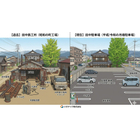
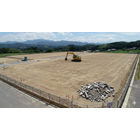
In the expansion and renovation of commercial facilities, a strong foundation that can support new loads while minimizing the impact on existing structures is required. Particularly in situations where the characteristics of the ground are difficult to predict or where consideration for the surrounding environment is necessary, reliable ground reinforcement is essential. Inadequate ground reinforcement can lead to building settlement or structural issues. The Pure Pile method by Geotech Co., Ltd. is a pile-type ground reinforcement method that demonstrates high quality and strength regardless of soil type, contributing to solving ground challenges in the expansion and renovation of commercial facilities. 【Usage Scenarios】 - Expansion and renovation of commercial facilities - Ground reinforcement near existing buildings - New construction or expansion in areas with unclear ground conditions 【Benefits of Implementation】 - Stable support for ground loads associated with expansion and renovation - Construction that minimizes impact on the surrounding environment - Assurance of long-term building safety
Added to bookmarks
Bookmarks listBookmark has been removed
Bookmarks listYou can't add any more bookmarks
By registering as a member, you can increase the number of bookmarks you can save and organize them with labels.
Free membership registration
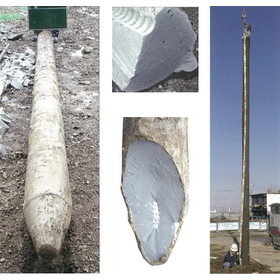
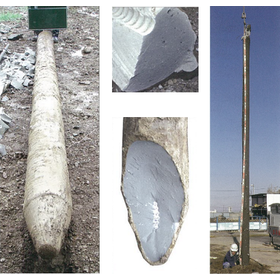
In the residential construction industry, a solid foundation is required to ensure the long-term safety and durability of buildings. In particular, improving earthquake resistance against natural disasters such as earthquakes is crucial for protecting the safety of residents. Insufficient ground strength and differential settlement can increase the risk of damage to buildings and the safety of residents. GeoTech's Pure Pile Method is a pile foundation reinforcement technique for single-family homes that provides stable high strength unaffected by soil conditions, addressing these challenges. 【Usage Scenarios】 - Ground reinforcement for new single-family homes - Construction on weak ground or land with liquefaction risk - Ground improvement aimed at enhancing earthquake resistance 【Benefits of Implementation】 - Ensuring long-term stability of buildings - Reducing building sway and damage during earthquakes - Preventing building issues caused by ground conditions
Added to bookmarks
Bookmarks listBookmark has been removed
Bookmarks listYou can't add any more bookmarks
By registering as a member, you can increase the number of bookmarks you can save and organize them with labels.
Free membership registration
In warehouse construction, a strong foundation is required to safely store large quantities of goods. In particular, the burden on the ground due to the load can be significant, and ground subsidence or differential settlement can affect the safety and functionality of the building. Reliable ground reinforcement that provides adequate bearing capacity is essential for the long-term stable operation of warehouses. The Tiger Pile method by Geotech Co., Ltd. is a soil-cement column method using stepped steel pipes as core materials, which has obtained architectural technology performance certification from the Japan Architectural Institute. By combining the stable material strength of steel pipe pile methods with the high frictional force of column methods, this hybrid approach compensates for the shortcomings of each method and ensures reliable high bearing capacity. The core material effect also enhances resistance to bending and shear forces during earthquakes, minimizing the impact even in cases of poor ground solidification. [Application Scenarios] - Reinforcement of foundation ground in warehouse construction - Reduction of ground subsidence risk due to load - Mitigation of structural impact during earthquakes [Effects of Implementation] - Realization of long-term stable operation of warehouses - Improvement of building safety - Reduction of maintenance costs
Added to bookmarks
Bookmarks listBookmark has been removed
Bookmarks listYou can't add any more bookmarks
By registering as a member, you can increase the number of bookmarks you can save and organize them with labels.
Free membership registration
In the construction of public facilities, long-term stability and durability are required. In particular, the effects of ground subsidence and earthquakes are important issues for the longevity of the facilities. If these challenges cannot be addressed, it may hinder the safety and functionality of the facilities, leading to an increased frequency of renovations or rebuilds. The Tiger Pile Method by Geotech Co., Ltd. has obtained architectural technology performance certification and contributes to the longevity of public facilities. 【Usage Scenarios】 - New construction and renovation of public facilities requiring stable support over the long term - Construction of facilities in earthquake-prone areas - When there is a desire to reduce the risk of ground subsidence 【Benefits of Implementation】 - Ensuring long-term stability of the facilities - Reducing the impact on structures during earthquakes - Contributing to the reduction of maintenance costs
Added to bookmarks
Bookmarks listBookmark has been removed
Bookmarks listYou can't add any more bookmarks
By registering as a member, you can increase the number of bookmarks you can save and organize them with labels.
Free membership registration
In infrastructure development, long-term stability and durability are required. In particular, the effects of ground subsidence and earthquakes pose significant challenges to the maintenance of infrastructure functionality. To address these challenges, reliable bearing capacity and high seismic resistance are essential. Our Tiger Pile Method has obtained certification for construction technology performance and provides solutions to meet these demands. 【Application Scenarios】 - Foundation reinforcement for roads, bridges, tunnels, etc. - Ground stabilization around structures such as dams and levees - Improvement of bearing capacity for critical infrastructure like airports and port facilities 【Effects of Implementation】 - Enhanced long-term stability of structures - Reduced impact on structures during earthquakes - Lower lifecycle costs for infrastructure facilities
Added to bookmarks
Bookmarks listBookmark has been removed
Bookmarks listYou can't add any more bookmarks
By registering as a member, you can increase the number of bookmarks you can save and organize them with labels.
Free membership registration
In factory construction, a strong and stable foundation is required for the stable operation of large equipment and precision machinery. In particular, vibrations during operation and the placement of heavy objects can impose significant loads on the foundation, potentially causing settlement and differential settlement. These issues can have serious consequences, such as reduced equipment accuracy, malfunctions, and production line stoppages. The Tiger Pile Method by Geotech Co., Ltd. is a soil-cement column method that uses a stepped steel pipe as the core material and has obtained certification for construction technology performance. By combining the material strength of steel pipe pile methods with the large frictional force of column methods, this hybrid method overcomes the challenges of ground variability and small-diameter steel pipe piles, ensuring reliable high load-bearing capacity. The core material effect also enhances resistance during earthquakes, reducing the impact of some poorly solidified areas. 【Application Scenarios】 - Ground improvement for large machinery installation sites - Prevention of settlement in precision equipment installation areas - Ground reinforcement due to production line expansions - Ground strengthening in areas requiring vibration mitigation 【Benefits of Implementation】 - Stable operation and longevity of equipment - Maintenance and improvement of production accuracy - Reduction of risks from unexpected ground settlement - Assurance of a safe operating environment
Added to bookmarks
Bookmarks listBookmark has been removed
Bookmarks listYou can't add any more bookmarks
By registering as a member, you can increase the number of bookmarks you can save and organize them with labels.
Free membership registration
In the construction of commercial facilities, ground reinforcement with reliable load-bearing capacity is required to ensure the long-term stability and safety of the building. Particularly in commercial facilities where diverse uses and users are anticipated, ground subsidence and differential settlement can lead to significant issues affecting the functionality of the facility and the safety of its users. Therefore, selecting a highly reliable ground reinforcement method suited to the characteristics of the ground is crucial. The Tiger Pile method is a soil-cement column method that uses a stepped steel pipe as the core material and has obtained architectural technical performance certification from the Japan Architectural Institute Foundation. By combining the material strength of steel pipe pile methods with the frictional force of column methods, this hybrid method compensates for the shortcomings of each method and demonstrates reliable high load-bearing capacity. The core material effect also enhances resistance to bending and shear forces during earthquakes, addressing ground unevenness. [Application Scenarios] - New construction of large-scale commercial facilities - Construction of stores and tenant buildings - Load support for parking lots and plazas - Weak ground and ground with liquefaction risk [Benefits of Implementation] - Improved stability of buildings due to high load-bearing capacity - Enhanced safety during earthquakes - Reduced impact from ground variability - Long-term maintenance cost reduction
Added to bookmarks
Bookmarks listBookmark has been removed
Bookmarks listYou can't add any more bookmarks
By registering as a member, you can increase the number of bookmarks you can save and organize them with labels.
Free membership registration
In the residential construction industry, a solid foundation is required to ensure the safety and long-term durability of buildings. Particularly, improving earthquake resistance against natural disasters such as earthquakes is crucial for protecting the safety of residents. Insufficient ground can lead to settlement, tilting, and even structural damage to buildings. Our Tiger Pile Method has obtained a construction technology performance certification and demonstrates reliable high bearing capacity through a soil-cement column method using stepped steel pipes as core materials. 【Usage Scenarios】 - Ground improvement for new residential buildings - Homes requiring enhanced earthquake resistance - Construction of homes on weak ground 【Benefits of Implementation】 - Improved resistance to bending and shear forces during earthquakes - Stabilization of buildings due to increased ground bearing capacity - Reduction of differential settlement risks
Added to bookmarks
Bookmarks listBookmark has been removed
Bookmarks listYou can't add any more bookmarks
By registering as a member, you can increase the number of bookmarks you can save and organize them with labels.
Free membership registration
In the telecommunications industry, especially in the installation of base stations, long-term stable operation and compatibility with the ground conditions of the installation site are required. Base stations need a robust support foundation that can withstand heavy objects such as radio towers and communication equipment, as well as natural environments like wind, rain, and earthquakes. Ground subsidence and tilting pose direct risks of communication failures and equipment malfunctions. Our RES-P method is a ground reinforcement technique that has obtained architectural technology performance certification, and it prevents building subsidence even on soft ground through the combined effects of pipes and the ground, contributing to the stable installation of base stations. 【Usage Scenarios】 - New installation of base stations - Improvement of seismic resistance of communication infrastructure - Installation of communication equipment on soft ground 【Benefits of Implementation】 - Long-term stable operation of base stations - Reduction of communication failure risks - Flexible response to ground conditions at installation sites
Added to bookmarks
Bookmarks listBookmark has been removed
Bookmarks listYou can't add any more bookmarks
By registering as a member, you can increase the number of bookmarks you can save and organize them with labels.
Free membership registration
In the energy equipment industry, a solid and stable foundation is required to ensure the stable operation and long-term safety of equipment. Particularly for heavy equipment or equipment that generates vibrations during operation, ground subsidence and differential settlement increase the risk of damage, functional decline, and even accidents. Therefore, reliable ground reinforcement is essential. Our RES-P method has obtained building technology performance certification and contributes to the stabilization of equipment foundations on weak ground. 【Application Scenarios】 - Foundations for facilities such as power plants and substations - Foundations for plant equipment - Foundations for wind power generation equipment 【Benefits of Implementation】 - Stable operation of equipment by preventing building subsidence - Increased support capacity through the combined effects of the ground and pipes - Reduced maintenance costs due to long-term durability
Added to bookmarks
Bookmarks listBookmark has been removed
Bookmarks listYou can't add any more bookmarks
By registering as a member, you can increase the number of bookmarks you can save and organize them with labels.
Free membership registration
In public facilities, reliable support from the ground, which serves as the foundation for buildings, is essential for long-term stable operation and maintenance. Particularly in aiming for the longevity of facilities, it is important to address initial settlement suppression and future risks of ground deterioration. Inappropriate ground reinforcement can lead to differential settlement of buildings, resulting in increased repair costs and restrictions on facility use. The RES-P method by Geotech is a ground reinforcement technique that has obtained architectural technical performance certification. It involves driving small-diameter steel pipes into soft ground, utilizing the combined effects of the ground and the pipes to prevent building settlement and contribute to the longevity of the facility. 【Application Scenarios】 - New construction of public facilities - Renovation of existing public facilities for longevity - Construction of public facilities on soft ground 【Benefits of Implementation】 - Ensuring long-term stability of buildings - Reducing the risk of differential settlement - Controlling maintenance costs
Added to bookmarks
Bookmarks listBookmark has been removed
Bookmarks listYou can't add any more bookmarks
By registering as a member, you can increase the number of bookmarks you can save and organize them with labels.
Free membership registration
In the field of infrastructure, ensuring the long-term stability and safety of structures is essential. In particular, improving earthquake resistance against natural disasters such as earthquakes is crucial for maintaining social infrastructure. Ground subsidence and differential settlement can compromise the overall stability of structures and lead to a decrease in seismic performance. Our RES-P method is a ground reinforcement technique that has obtained certification for architectural technical performance, contributing to the suppression of subsidence in structures on soft ground. 【Usage Scenarios】 - Ground reinforcement during the construction or renovation of infrastructure structures - Ground improvement for enhancing seismic performance - Stabilization of structures on soft ground 【Effects of Implementation】 - Improved stability through the suppression of structural subsidence - Contribution to the maintenance and enhancement of seismic performance - Reduction of long-term infrastructure maintenance management costs
Added to bookmarks
Bookmarks listBookmark has been removed
Bookmarks listYou can't add any more bookmarks
By registering as a member, you can increase the number of bookmarks you can save and organize them with labels.
Free membership registration
In factories and warehouses, there are concerns about the load on the ground caused by the installation and operation of heavy objects. Especially when installing precision equipment or large machinery, even slight ground subsidence or deformation can lead to a decrease in equipment accuracy, malfunctions, and even production line stoppages. Therefore, a solid foundation capable of safely and stably supporting heavy objects is essential. Our RES-P method is a ground reinforcement technique that has obtained architectural technology performance certification, achieving stabilization of the ground suitable for heavy object installation. 【Usage Scenarios】 - Areas for installing heavy machinery within factories - High-load areas within warehouses - Locations for installing equipment that generates vibrations 【Benefits of Implementation】 - Reduction of ground subsidence risks due to heavy object installation - Stable operation and maintenance of equipment accuracy - Mitigation of production line stoppage risks
Added to bookmarks
Bookmarks listBookmark has been removed
Bookmarks listYou can't add any more bookmarks
By registering as a member, you can increase the number of bookmarks you can save and organize them with labels.
Free membership registration
In commercial facilities, it is necessary to improve the ground's bearing capacity to accommodate the increased loads associated with expansions and renovations. Particularly during construction while continuing the operation of existing buildings, it is crucial to ensure reliable ground reinforcement while minimizing the impact on the surrounding environment. Inadequate ground reinforcement can lead to building settlement and structural issues. Our RES-P method is a ground reinforcement technique that has obtained building technology performance certification, preventing building settlement even on soft ground through the combined effect of pipes and the ground. 【Usage Scenarios】 - Expansion of existing commercial facilities - Increased loads due to changes in store layouts - Ground improvement aimed at enhancing earthquake resistance 【Benefits of Implementation】 - Addresses increased loads from expansions - Reduces the risk of building settlement - Ensures construction does not interfere with the operation of existing buildings
Added to bookmarks
Bookmarks listBookmark has been removed
Bookmarks listYou can't add any more bookmarks
By registering as a member, you can increase the number of bookmarks you can save and organize them with labels.
Free membership registration
In the residential construction industry, a solid foundation is required to ensure the long-term safety and durability of buildings. Particularly in soft ground, it is important to prevent settlement and differential settlement of buildings and to enhance their stability against shaking during earthquakes. Inadequate ground measures can lead to structural problems in buildings and pose risks to the safety of residents. The Geotech RES-P method is a ground reinforcement technique that has obtained architectural technical performance certification, enhancing the bearing capacity of soft ground and preventing building settlement. 【Usage Scenarios】 - Construction of single-family homes on soft ground - Residential construction in areas with high earthquake risk - Cases where long-term stability of buildings is prioritized 【Benefits of Implementation】 - Reduction of risks related to building settlement and differential settlement - Improved stability of buildings against earthquakes - Assurance of long-term durability of buildings
Added to bookmarks
Bookmarks listBookmark has been removed
Bookmarks listYou can't add any more bookmarks
By registering as a member, you can increase the number of bookmarks you can save and organize them with labels.
Free membership registration
In the construction of data centers, a strong and stable foundation that supports the precise installation of server equipment is essential. Even slight ground subsidence or fluctuations increase the risk of equipment malfunction and data loss. Therefore, ensuring the quality and stability of the ground is extremely important for maintaining the reliability of data centers. The GeoTech Cross-Wing Column Method is a slurry-based mechanical mixing deep mixing treatment method that has obtained the Building Technical Performance Certification (GBRC Performance Certification) from the General Incorporated Foundation Japan Building Disaster Prevention Association, achieving stable ground improvement that is not affected by soil quality and providing the high reliability required for precise installation. 【Application Scenarios】 - Improvement of foundation ground in data center construction - Ground stabilization in server rack installation areas - Subsidence suppression for the installation of precision equipment 【Benefits of Implementation】 - Improved ground stability with assured high quality, with a variation coefficient of 25% or less - Contribution to cost management by suppressing excessive material use - Assurance of reliability through rigorous quality inspections
Added to bookmarks
Bookmarks listBookmark has been removed
Bookmarks listYou can't add any more bookmarks
By registering as a member, you can increase the number of bookmarks you can save and organize them with labels.
Free membership registration
In the construction of logistics warehouses, a strong foundation capable of withstanding heavy loads and frequent transportation is essential. In particular, the installation of large warehouses, high-rise racks, and the movement of forklifts continuously exert pressure on the ground. Ground subsidence and differential settlement can lead to serious issues such as reduced safety of the building, damage to stored goods, and operational shutdowns. Therefore, reliable ground reinforcement in the initial stages contributes to long-term stable operation and business continuity. The Cross-Wing Column Method is a high-precision deep mixing treatment method that has obtained GBRC performance certification, achieving stable ground improvement regardless of soil type, and strongly supports the construction of logistics warehouses that handle heavy loads. 【Usage Scenarios】 - New construction of large logistics warehouses - Warehouses planned for high-rise rack installation - Facilities where heavy goods are frequently loaded and unloaded - Construction in areas where ground subsidence risk is a concern 【Benefits of Implementation】 - Construction of a strong foundation capable of withstanding loads from heavy goods - Realization of long-term stable operation of buildings - Reduction of subsidence and differential settlement risks - Improvement of safe warehouse operations and business continuity
Added to bookmarks
Bookmarks listBookmark has been removed
Bookmarks listYou can't add any more bookmarks
By registering as a member, you can increase the number of bookmarks you can save and organize them with labels.
Free membership registration
In infrastructure development, preventing ground subsidence is extremely important to ensure the long-term stability and safety of structures. Particularly on heavily trafficked roads and important structures, even slight ground movements can lead to significant problems. Therefore, reliable ground reinforcement technologies are in demand. The Cross-Wing Column Method has obtained the Architectural Technology Performance Certification (GBRC Performance Certification) from the General Incorporated Foundation Japan Building Disaster Prevention Association, effectively preventing ground subsidence with high-precision construction. 【Application Scenes】 - Foundations for infrastructure structures such as roads, bridges, and tunnels - Civil engineering structures such as rivers and port facilities - Ground preparation in large-scale developments 【Benefits of Implementation】 - Extended lifespan of structures through subsidence suppression - Reduced maintenance costs - Improved overall safety of infrastructure
Added to bookmarks
Bookmarks listBookmark has been removed
Bookmarks listYou can't add any more bookmarks
By registering as a member, you can increase the number of bookmarks you can save and organize them with labels.
Free membership registration
In factory construction, a solid foundation that supports the stable operation of large equipment and precision machinery is essential. Ground subsidence and differential settlement can lead to significant risks such as decreased equipment performance, malfunctions, and even production line shutdowns. Therefore, ensuring the quality of the ground and maintaining long-term stability is extremely important. The Cross-Wing Column Method is a slurry-based mechanical mixing deep mixing treatment method that has obtained the Building Technology Performance Certification (GBRC Performance Certification) from the Japan Architectural Institute Foundation. It achieves reliable ground reinforcement through stable mixing performance that is not affected by soil quality. [Usage Scenarios] - Installation sites for large manufacturing equipment - Areas for installing precision machinery - Locations susceptible to vibrations and loads - Factory sites requiring long-term stable operation [Benefits of Implementation] - Realization of stable operation by suppressing equipment subsidence - Reduction of production line shutdown risks - Contribution to the longevity of equipment - Control of maintenance costs
Added to bookmarks
Bookmarks listBookmark has been removed
Bookmarks listYou can't add any more bookmarks
By registering as a member, you can increase the number of bookmarks you can save and organize them with labels.
Free membership registration
In commercial facility construction, a ground with reliable load-bearing capacity is required to ensure the stability and long-term safety of the building. Particularly in commercial facilities that are heavily utilized and equipped with heavy machinery, ground settlement and differential settlement can significantly impact the safety and functionality of the facility. Therefore, highly reliable ground reinforcement is essential. Our Cross-Wing Column Method is a high-precision deep mixing treatment method that has obtained GBRC performance certification, providing the high reliability required for load support in commercial facilities. 【Application Scenarios】 - New construction of commercial facilities - Ground reinforcement associated with large-scale renovations - Ground improvement in areas for heavy equipment installation 【Benefits of Implementation】 - Improved stability of the building - Reduced risk of settlement and differential settlement - Control of long-term facility maintenance costs
Added to bookmarks
Bookmarks listBookmark has been removed
Bookmarks listYou can't add any more bookmarks
By registering as a member, you can increase the number of bookmarks you can save and organize them with labels.
Free membership registration
In the residential construction industry, a solid foundation is required to ensure the long-term safety and durability of buildings. Particularly in Japan, where natural disasters such as earthquakes are frequent, the stability of the ground is extremely important for enhancing the seismic resistance of structures. Differential settlement and liquefaction of the ground increase the risk of damage and collapse of buildings. Our Crosswing Column Method is a reliable deep mixing treatment method that has obtained the Building Technical Performance Certification (GBRC Certification) from the General Incorporated Foundation Japan Architectural Research Institute, and is necessary to support the safety of residential buildings. 【Usage Scenarios】 - Ground improvement for new residential buildings - Ground reinforcement aimed at enhancing seismic resistance - Construction on soft ground or land with liquefaction risk 【Effects of Implementation】 - Reduction of the risk of differential settlement in buildings - Improvement of the stability of buildings against earthquakes - Maintenance of long-term durability of buildings
Added to bookmarks
Bookmarks listBookmark has been removed
Bookmarks listYou can't add any more bookmarks
By registering as a member, you can increase the number of bookmarks you can save and organize them with labels.
Free membership registration
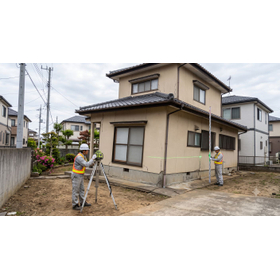
The sinking of buildings and tilting of floors caused by disasters such as earthquakes, liquefaction, and heavy rain is a serious issue that, in addition to the stress of being affected, can lead to unexplained dizziness, headaches, and nausea in residents, resulting in severe autonomic nervous system disorders. GeoTech's sinking correction service focuses on the relationship between structural distortion and biological stress after a disaster, providing solutions to quickly rebuild a safe and secure living environment. First, we conduct high-precision measurements of the building's perimeter levels, visualizing and data-collecting the height differences around the building, maximum sinking amount, and deformation angles in millimeter detail. Based on this objective diagnosis, which is also effective as evidence for disaster certificates and insurance claims, we plan and execute "sinking correction while living," eliminating the need to relocate to shelters or temporary housing. We protect living infrastructure, reduce secondary costs, and alleviate residents' anxieties. Furthermore, we block the risk of re-sinking and re-disaster through precise lift-up using the "i-LIFT method" with pressurized liquid injection and the "Ganko Oyaji method," which reinforces the foundation structure. We are committed to protecting the health and homes of affected families for the long term.
Added to bookmarks
Bookmarks listBookmark has been removed
Bookmarks listYou can't add any more bookmarks
By registering as a member, you can increase the number of bookmarks you can save and organize them with labels.
Free membership registration
Ground subsidence and floor tilting that occur in mixed-use residential and commercial buildings can lead to health issues such as dizziness, headaches, and nausea for family members and employees, as well as discomfort for customers and negative impacts on business operations. GeoTech's subsidence correction service focuses on the relationship between building tilt and physical/store environment stress, providing optimal solutions to restore levelness without interrupting business or daily life. We first conduct high-precision measurements of the building's perimeter levels, visualizing and analyzing the height differences around the building, maximum subsidence, and deformation angles in millimeter detail. Based on this objective data, we plan and execute "subsidence correction while living," which requires no business closure or temporary relocation. By using low-noise, low-vibration equipment and thorough dust control measures, we minimize the impact on customers and residents. Additionally, we strengthen the foundation from the ground up with precision lifting using the "i-LIFT method" and foundation reinforcement with the "Ganko Oyaji method." We are committed to protecting the health of your family and the stability of your business for the long term.
Added to bookmarks
Bookmarks listBookmark has been removed
Bookmarks listYou can't add any more bookmarks
By registering as a member, you can increase the number of bookmarks you can save and organize them with labels.
Free membership registration
In the business of purchasing and reselling used homes or renovation projects, ground subsidence and floor tilting are significant risk factors that can lead to buyers withdrawing from the purchase or complaints about health issues such as dizziness and headaches after handover. GeoTech's subsidence correction solutions clarify the relationship between building tilt and physical stress, achieving both the regeneration of real estate value and the protection of residents' health simultaneously. First, we conduct precise level measurements of the building's perimeter using high-precision equipment, detailing and visualizing the height differences and deformation angles around the building down to the millimeter. Based on this scientific evidence, we plan and execute "subsidence correction while living in the home," which requires no temporary housing or relocation. This approach avoids secondary costs such as moving expenses and allows for a smooth progression of the buying, selling, or renovation schedule. Furthermore, we reinforce the foundation from the ground up using the "i-LIFT method," which involves precise lift-up through pressure-injected liquids, and the "Ganko Oyaji method," which strengthens the foundation structure. This prevents re-subsidence and significantly enhances market value as a high-quality home that fulfills accountability.
Added to bookmarks
Bookmarks listBookmark has been removed
Bookmarks listYou can't add any more bookmarks
By registering as a member, you can increase the number of bookmarks you can save and organize them with labels.
Free membership registration
Differential settlement of the ground and floor inclinations not only induce unexplained health issues such as dizziness, headaches, and nausea in residents but also lead to a catastrophic drop in asset value during the sale of used homes and inspection assessments. GeoTech's settlement correction solutions achieve the simultaneous restoration of structural distortion, improvement of health issues, and maximization of residential asset value. First, we conduct high-precision measurements of the building's perimeter levels, detailing the height differences around the building, maximum settlement amounts, and deformation angles down to the millimeter. Based on this scientific data, we plan and execute "settlement correction while living" that eliminates the need for temporary housing or relocation. By maintaining living infrastructure and minimizing secondary costs, we significantly reduce both mental and financial burdens. Furthermore, we permanently prevent re-settlement using various techniques such as the "i-LIFT method," which performs precise lift-up through pressure injection of liquid, and the "Ganko Oyaji method," which strengthens the foundation structure. We are committed to protecting the healthy lives of residents and their valuable residential assets for the long term.
Added to bookmarks
Bookmarks listBookmark has been removed
Bookmarks listYou can't add any more bookmarks
By registering as a member, you can increase the number of bookmarks you can save and organize them with labels.
Free membership registration
In families of the child-rearing generation and remote workers who have increased their time at home, unexplained symptoms such as dizziness, headaches, insomnia, and fatigue are often observed to be caused by minute inclinations of the floor in their daily environment, which continuously stress their sense of balance. GeoTech's subsidence correction solutions focus on the relationship between the tilt of the home and the stress of daily life, providing a repair approach that prioritizes the comfort of the living environment. First, we conduct high-precision measurements of the building's perimeter level, visualizing and analyzing the level differences and subsidence angles around the building in millimeter increments. Based on this objective data, we plan and execute "subsidence correction while living in the home," which requires no temporary housing or relocation. We protect the living infrastructure and carry out construction without disrupting the daily rhythms of children and families by using low-noise, low-vibration equipment and strict dust protection measures. Furthermore, we prevent re-subsidence with the "i-LIFT method" using pressurized liquid injection and the foundation reinforcement "Ganko Oyaji method." We are committed to safeguarding a healthy and secure living environment for the long term.
Added to bookmarks
Bookmarks listBookmark has been removed
Bookmarks listYou can't add any more bookmarks
By registering as a member, you can increase the number of bookmarks you can save and organize them with labels.
Free membership registration
Unexplained dizziness, unsteadiness, and lightheadedness experienced by elderly individuals and their families are often caused by minute floor inclinations in everyday spaces, which can place constant stress on the semicircular canals and balance sense. GeoTech's subsidence correction service focuses on the relationship between home distortion and physical discomfort, restoring the level state of homes with advanced technology. First, we conduct high-precision measurements of the building's perimeter levels, visualizing and digitizing the height differences and maximum subsidence around the building in millimeter detail. Based on these reliable analysis results, we plan and execute "subsidence correction while living," which requires no moving or temporary housing. By maintaining a familiar living environment, we minimize the mental and physical burden on the elderly to zero and completely prevent the high secondary costs associated with relocation. Furthermore, we prevent re-subsidence with the "i-LIFT method," which performs precise lifting through liquid pressure injection, and the "Ganko Oyaji method," which reinforces the foundation structure. We support the extension of your family's healthy lifespan and provide a safe living environment for the long term.
Added to bookmarks
Bookmarks listBookmark has been removed
Bookmarks listYou can't add any more bookmarks
By registering as a member, you can increase the number of bookmarks you can save and organize them with labels.
Free membership registration
The often-overlooked tilting of floors during large-scale renovations and interior improvements is not just a visual issue; it can also be a significant cause of unexplained dizziness, headaches, and nausea for residents. GeoTech's settlement correction service focuses on the relationship between structural distortion of buildings and physical stress, providing the optimal solution to restore the level condition of homes before renovations. First, we conduct high-precision measurements of the building's perimeter level, quantifying and visualizing the height differences around the building, maximum settlement amounts, and deformation angles down to the millimeter. Based on a reliable diagnosis, we plan and execute "settlement correction while living," which requires no temporary housing or moving. We minimize stress for residents through low-noise and low-vibration construction, ensuring that living infrastructure remains uninterrupted. Additionally, we reinforce the foundation from the ground up with precision lift-up using the "i-LIFT method" and strengthen the foundation structure with the "Ganko Oyaji method." We are committed to protecting the value of the renovated home and the health of the family for the long term.
Added to bookmarks
Bookmarks listBookmark has been removed
Bookmarks listYou can't add any more bookmarks
By registering as a member, you can increase the number of bookmarks you can save and organize them with labels.
Free membership registration
Unexplained physical discomforts such as dizziness, headaches, and a feeling of floating are caused by slight tilts in the floor due to differential settlement of the building, which puts unpleasant stress on the semicircular canals and balance sense. At Geotech, we focus on the correlation between structural distortion and physical discomfort, providing settlement correction solutions based on advanced numerical data. First, we conduct high-precision measurements of the building's perimeter levels, analyzing and visualizing the height differences around the building, maximum settlement amounts, and deformation angles (whether it is a uniform tilt or a deformed tilt) to the millimeter. Additionally, we identify ground behavior by combining investigations such as SWS tests. In the correction process, we apply "settlement correction while living" that does not require temporary housing or moving, allowing us to carry out construction without disrupting living infrastructure. Our core technology, the "i-LIFT method," integrates the formation of support plates and precise lift-up through pressurized injection of liquid into the deep ground. By combining this with the foundation reinforcement method "Ganko Oyaji," we prevent re-settlement in advance, scientifically restoring a safe, secure, and comfortable living space.
Added to bookmarks
Bookmarks listBookmark has been removed
Bookmarks listYou can't add any more bookmarks
By registering as a member, you can increase the number of bookmarks you can save and organize them with labels.
Free membership registration
Chronic issues such as dizziness, insomnia, and headaches, for which the cause cannot be identified during hospital examinations, are often found to be caused by minute inclinations in the floor due to differential settlement of the residence, which exerts continuous stress on the semicircular canals. GeoTech's settlement correction service focuses on the relationship between the distortion of the residence and the physical stress on its occupants, employing advanced technology to scientifically restore horizontal space. First, precise measurements of the building's perimeter level are conducted, and the height differences and deformation angles around the building are quantified in millimeters to analyze settlement behavior. Based on this objective data, we plan and execute "settlement correction while living," which requires no temporary housing or relocation. We protect and maintain living infrastructure, eliminating stress during construction through low-noise, low-vibration work and dust prevention measures. Additionally, we prevent re-settlement using the "i-LIFT method" with pressurized liquid injection and the "Ganko Oyaji method," which strengthens the foundation. This enhances the structural safety of the building and ensures the long-term health of your family and the preservation of your important home.
Added to bookmarks
Bookmarks listBookmark has been removed
Bookmarks listYou can't add any more bookmarks
By registering as a member, you can increase the number of bookmarks you can save and organize them with labels.
Free membership registration
Ground subsidence and floor tilting that occur after the handover of a house are serious issues that can cause not only damage to fixtures and walls but also health problems for residents, such as dizziness, headaches, and nausea. GeoTech's subsidence correction solutions provide a rapid and reliable repair plan based on objective evidence for builders and housing manufacturers in after-sales service and defect warranty situations. First, we conduct high-precision measurements of the building's perimeter level, digitizing and analyzing the height differences and deformation angles around the building down to the millimeter. Based on this visualized data, we plan and execute "subsidence correction while living in the house," which eliminates the need for temporary housing or relocation for the homeowner. This approach avoids secondary costs such as moving expenses and minimizes the mental burden on residents. Furthermore, we strengthen the structural foundation from the ground up through precision lift-up using the "i-LIFT method" and by reinforcing the foundation structure with the "Ganko Oyaji method." We fulfill our technical accountability and ensure the long-term health of residents and the reliability of their valuable housing assets.
Added to bookmarks
Bookmarks listBookmark has been removed
Bookmarks listYou can't add any more bookmarks
By registering as a member, you can increase the number of bookmarks you can save and organize them with labels.
Free membership registration
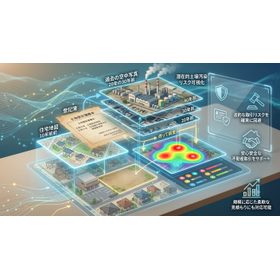
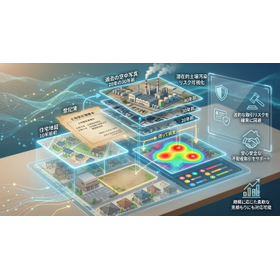
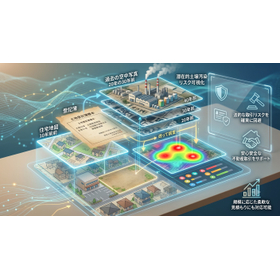
In the data center industry, maintaining infrastructure is emphasized to ensure stable operation and long-term reliability of facilities. Particularly when planning for reconstruction or large-scale renovations, the risk of chemical leakage into the ground from past operations can lead to future negative legacies, unexpected construction delays, and additional costs. To proactively avoid these risks, it is essential to understand the soil conditions from the operational phase and identify potential environmental risks. Early soil condition surveys by Geotech, as a designated investigation agency by the Ministry of the Environment, utilize the latest analytical expertise to visualize the contamination status of the ground as objective evidence without affecting factory operations. This facilitates quicker administrative discussions and development approvals, supporting the planned reconstruction and renovation of data centers. [Usage Scenarios] - When planning the reconstruction or equipment renovation of data centers - Assessment of potential soil contamination risks based on past operational history - Reduction of risks related to construction delays and additional costs - Smoothening of administrative discussions and development approval processes [Benefits of Implementation] - Reduces the risk of unexpected delays and cost increases in reconstruction and renovation projects - Strengthens environmental risk management from the perspective of business continuity planning (BCP)
Added to bookmarks
Bookmarks listBookmark has been removed
Bookmarks listYou can't add any more bookmarks
By registering as a member, you can increase the number of bookmarks you can save and organize them with labels.
Free membership registration
In the logistics warehouse industry, during facility reconstruction or large-scale renovations, the emergence of future environmental risks and unexpected delays in construction schedules can become challenges. In particular, the risk of chemical leakage into the ground associated with past operations may impact business continuity. To proactively avoid these risks and ensure the smooth progress of projects, it is important to understand the soil conditions from the operational phase. Early soil condition surveys by Geotech visualize the contamination status of the ground as objective evidence without affecting factory operations, supporting the acceleration of administrative consultations and development permits. 【Usage Scenarios】 - When planning the reconstruction or expansion of logistics warehouses - If there is a history of handling chemical substances in the past - When wanting to minimize the risk of construction delays - When wanting to prevent unexpected costs from arising 【Benefits of Implementation】 - Smooth progress of reconstruction and renovation projects - Reduction of future environmental risks - Acceleration of administrative consultations and development permits - Control of unexpected additional costs
Added to bookmarks
Bookmarks listBookmark has been removed
Bookmarks listYou can't add any more bookmarks
By registering as a member, you can increase the number of bookmarks you can save and organize them with labels.
Free membership registration
To those in charge of planning the reconstruction of commercial facilities or large-scale equipment renovations: To proactively avoid the risks of future negative legacies and construction delays, early voluntary soil condition surveys are essential. With years of operation, the risk of chemical leakage into the ground due to pipe deterioration and aging infrastructure is increasing. To prevent these issues, it is important to conduct a legacy risk inventory that scrutinizes the history of hazardous substance handling from the operational phase, and to implement reliable measures to prevent chemical leaks. This document clearly maps out the practical procedures for conducting early soil condition surveys that should be carried out at a clear stage before construction work begins. By utilizing the advanced sampling and the latest analytical expertise of Geotech, an investigation agency designated by the Ministry of the Environment, we can visualize the invisible contamination status of the ground as objective evidence without halting facility operations, and present a concrete approach to expedite administrative consultations and development permit approvals. 【Usage Scenarios】 - During the planning of reconstruction or renovation of commercial facilities - Environmental risk assessment before tenant attraction - Expediting development permit applications - Avoiding future soil contamination issues 【Benefits of Implementation】 - Reduction of construction delay risks - Suppression of unexpected additional costs
Added to bookmarks
Bookmarks listBookmark has been removed
Bookmarks listYou can't add any more bookmarks
By registering as a member, you can increase the number of bookmarks you can save and organize them with labels.
Free membership registration
In the factory and plant industry, it is essential to avoid the emergence of future environmental risks and the risk of construction delays during the rebuilding or renovation of chemical handling departments. The risk of chemical leakage into the ground due to years of operation may increase due to the deterioration of piping and aging infrastructure. To prevent these issues, it is important to scrutinize the history of hazardous substance handling from the operational stage and implement reliable measures to prevent chemical leakage. Our early soil condition survey presents practical procedures for conducting investigations at a clear stage before construction work, visualizing the invisible contamination of the ground as objective evidence without halting factory operations. 【Usage Scenarios】 - Rebuilding or renovating chemical handling departments - When wanting to minimize the impact on operational lines - Aiming for expedited administrative consultations or development permits 【Benefits of Implementation】 - Reduction of construction delay risks - Prevention of unexpected additional costs - Avoidance of future negative legacy risks - Smooth project progression
Added to bookmarks
Bookmarks listBookmark has been removed
Bookmarks listYou can't add any more bookmarks
By registering as a member, you can increase the number of bookmarks you can save and organize them with labels.
Free membership registration
Design firms are required to conduct meticulous preliminary investigations to prevent the emergence of future environmental risks and delays in construction schedules during building replacements and large-scale renovations. Particularly in facilities that handle chemical substances, it is essential to understand the potential for soil contamination resulting from past operations and to incorporate appropriate measures at the design stage, which is crucial for the smooth progress of the entire project and cost management. Our early soil condition surveys visualize the contamination status of the ground as objective data without affecting operations in active factories, supporting improved design accuracy and expedited administrative consultations. 【Utilization Scenarios】 - Early design phase of factory replacement and renovation projects - Historical investigations of chemical substance handling departments - Soil and soil gas sampling in confined spaces or around equipment - Evidence acquisition for administrative consultations and development permit applications 【Benefits of Implementation】 - Early detection of risks and planning of countermeasures during the design phase - Reduction of risks related to construction delays and additional costs - Facilitation of administrative consultations and acceleration of development permits - Design based on reliable and objective data
Added to bookmarks
Bookmarks listBookmark has been removed
Bookmarks listYou can't add any more bookmarks
By registering as a member, you can increase the number of bookmarks you can save and organize them with labels.
Free membership registration
In the real estate development industry, environmental risk assessment of land is emphasized for the smooth progress of development projects and future risk avoidance. Particularly in areas such as former factory sites or chemical handling facilities, concerns about soil contamination may arise, which carries the risk of unexpected project delays, additional costs, and even the potential for future negative legacies. To prevent these risks in advance and ensure the success of development projects, it is essential to understand the soil conditions before the start of development. Geotech's early soil condition surveys utilize expertise as a Ministry of the Environment-designated investigation agency and the latest analytical technologies to visualize the contamination status of the ground as objective evidence, without affecting the operation of factories. This supports the acceleration of administrative consultations and development approvals, contributing to the reliable advancement of projects. 【Usage Scenarios】 - Development of former factory sites and chemical handling facility sites - Initial stage risk assessment in large-scale development projects - Understanding soil contamination status before development permit applications 【Benefits of Implementation】 - Reduction of project delay risks - Suppression of unexpected additional costs - Support for the smooth advancement of development projects and rapid acquisition of permits - Avoidance of future environmental risks
Added to bookmarks
Bookmarks listBookmark has been removed
Bookmarks listYou can't add any more bookmarks
By registering as a member, you can increase the number of bookmarks you can save and organize them with labels.
Free membership registration
In the electronics component industry, managing the risk of soil contamination is crucial when selling factory sites or organizing assets. The discovery of soil contamination pointed out by buyers can lead to unjustified price reductions or contract cancellations. To prevent such situations, it is beneficial for sellers to proactively conduct soil investigations from the operational phase to visualize underground risks, which can lead to favorable transaction conditions led by the seller. By establishing evidence of safety in advance, excessive discount requests can be addressed based on objective data. Geotech, a Ministry of the Environment designated investigation agency, supports land transactions that protect your asset value through high-precision analysis without halting factory operations. 【Usage Scenarios】 - Sale or transfer of factory sites - Asset organization and business restructuring - Due diligence during M&A - Prior understanding of environmental risks 【Benefits of Implementation】 - Securing an advantage based on objective data in price negotiations during sales - Avoiding unjustified discount requests from buyers - Smooth contract conclusion and prevention of delays in development plans - Maintenance and enhancement of asset value
Added to bookmarks
Bookmarks listBookmark has been removed
Bookmarks listYou can't add any more bookmarks
By registering as a member, you can increase the number of bookmarks you can save and organize them with labels.
Free membership registration
In the printing industry, there may be concerns about the risk of soil contamination associated with the use of inks and solvents. For businesses planning to sell factory sites or organize assets in the future, it is important to voluntarily conduct soil investigations from the operational stage to secure a seller-led price advantage and negotiation power in land transactions. Discovering soil contamination due to buyer-side inquiries carries the risk of unjust price reductions or contract cancellations. By establishing evidence of safety in advance, it is possible to aim for smooth transactions under favorable conditions for the seller based on objective data. GeoTech, a Ministry of the Environment designated investigation agency, will support land transactions that protect your asset value through high-precision analysis without hindering factory operations. 【Usage Scenarios】 - Factories using inks and solvents - Future factory site sales - Asset organization - Pre-assessment of ink contamination risks 【Benefits of Implementation】 - Securing an advantage in price negotiations during sales - Responding to unjust discount requests from buyers - Smooth contract conclusion - Maintaining and enhancing asset value
Added to bookmarks
Bookmarks listBookmark has been removed
Bookmarks listYou can't add any more bookmarks
By registering as a member, you can increase the number of bookmarks you can save and organize them with labels.
Free membership registration
In the sale of factory land and asset management in the metal processing industry, it is important to understand the risks of soil contamination associated with past operations in advance and respond appropriately. If soil contamination is discovered due to a buyer's inquiry, it could lead to unjustified price reductions or contract cancellations. By voluntarily conducting soil surveys from the operational stage, the underground risks can be visualized, and evidence of safety can be established, leading to transactions under favorable conditions led by the seller. GeoTech, a Ministry of the Environment designated investigation agency, supports land transactions that protect your asset value through high-precision analysis without disrupting factory operations. 【Usage Scenarios】 - Sale or transfer of factory land - Asset management during business succession - Due diligence in M&A - Advance understanding of environmental risks 【Benefits of Implementation】 - Securing price advantages in sale negotiations - Countering unjust discount requests from buyers - Promoting smooth contract conclusion - Maintaining and enhancing asset value
Added to bookmarks
Bookmarks listBookmark has been removed
Bookmarks listYou can't add any more bookmarks
By registering as a member, you can increase the number of bookmarks you can save and organize them with labels.
Free membership registration
In the chemical industry, managing the risk of soil contamination is particularly important when selling factory sites or organizing assets. If soil contamination is discovered during operations, there is a heightened risk of price reduction requests or contract cancellations from buyers, which can significantly impact business plans. To prevent these situations, it is essential to conduct voluntary soil investigations during factory operations to identify and visualize underground risks early. By establishing safety evidence in advance, negotiations based on objective data can be conducted against unreasonable discount requests from buyers, allowing sellers to aim for favorable terms in the transaction. GeoTech, an investigation agency designated by the Ministry of the Environment, supports land transactions that protect your asset value with high-precision analysis while minimizing the impact on operations. 【Usage Scenarios】 - Sale or transfer of factory sites - Asset organization and redevelopment plans - Due diligence in M&A - Pre-evaluation of environmental risks 【Benefits of Implementation】 - Securing an advantage in price negotiations during sale - Gaining trust from buyers and facilitating smooth transactions - Avoiding risks from unexpected discoveries of soil contamination - Proper evaluation and preservation of asset value
Added to bookmarks
Bookmarks listBookmark has been removed
Bookmarks listYou can't add any more bookmarks
By registering as a member, you can increase the number of bookmarks you can save and organize them with labels.
Free membership registration
In the electronics components industry, the risk of soil contamination stemming from past operations can act as a "hidden defect" in M&A, business succession, and real estate transactions, potentially leading to disputes after the transaction and a decline in the company's social credibility. This risk is particularly concerning in factories that use freon or organic solvents. To prevent such risks in advance and achieve safe and transparent transactions, it is crucial to conduct voluntary soil investigations by a neutral and rigorous designated investigation agency before the transaction. Investigations can be carried out without halting operations in active factories, allowing for a clear understanding of the contamination status, which clarifies the responsibilities and cost burdens in contracts. 【Usage Scenarios】 - Due diligence before M&A and business succession of factories - Assessment of soil contamination risks in real estate transactions - Early detection of environmental risks in operating factories - Confirmation of the presence or absence of soil contamination in factories using freon and organic solvents 【Benefits of Implementation】 - Reduction of hidden defect risks after transactions - Avoidance of long-term legal battles and damage claims - Maintenance and enhancement of corporate social credibility - Establishment of favorable evidence in contract negotiations
Added to bookmarks
Bookmarks listBookmark has been removed
Bookmarks listYou can't add any more bookmarks
By registering as a member, you can increase the number of bookmarks you can save and organize them with labels.
Free membership registration
In the printing industry, risks of soil contamination arising from past operations can become potential issues in M&A, business succession, and real estate transactions. If soil contamination is discovered after a transaction, it may lead to unexpected cost burdens, legal disputes, and a decline in the company's social credibility. To prevent such risks in advance and ensure safe and transparent transactions, it is important to conduct voluntary soil investigations by specialized agencies before the transaction. Even in operational factories, it is possible to identify hidden soil contamination risks early without affecting operations and reflect them in the contract terms. 【Usage Scenarios】 - M&A and business succession of printing factories - Real estate transactions related to printing facilities - Confirmation of the presence or absence of soil contamination related to ink component analysis - Reduction of environmental liability risks after the transaction 【Benefits of Implementation】 - Reduction of hidden defect risks in M&A and real estate transactions - Avoidance of unexpected damage claims and contract termination risks - Maintenance and enhancement of the company's social credibility - Assurance of transparency and safety in transactions
Added to bookmarks
Bookmarks listBookmark has been removed
Bookmarks listYou can't add any more bookmarks
By registering as a member, you can increase the number of bookmarks you can save and organize them with labels.
Free membership registration
In the metal processing industry, there is a risk that soil contamination resulting from past operations may be discovered as a "hidden defect" during business succession or real estate transactions. This could lead to long-term legal battles, substantial damages, and contract cancellations, potentially affecting the company's credibility. To avoid such risks, it is important to conduct voluntary soil investigations by designated research institutions before transactions. Even in operating factories, confirming safety without hindering operations and understanding the presence of contamination can clarify responsibility and cost burdens in contracts. Geotech supports transparent transactions by eliminating often-overlooked risks through solid evidence building and high-precision analysis. 【Usage Scenarios】 - When there are concerns about contamination from heavy metals (e.g., cadmium, lead, hexavalent chromium) on factory premises - As part of due diligence before M&A or business succession - Assessment of environmental risks in real estate sales contracts - Confirmation of environmental compliance in operating factories 【Benefits of Implementation】 - Reduction of unexpected environmental liability risks in M&A and sales contracts - Avoidance of disputes and damage claims due to hidden soil contamination - Maintenance and enhancement of corporate social credibility and corporate value
Added to bookmarks
Bookmarks listBookmark has been removed
Bookmarks listYou can't add any more bookmarks
By registering as a member, you can increase the number of bookmarks you can save and organize them with labels.
Free membership registration
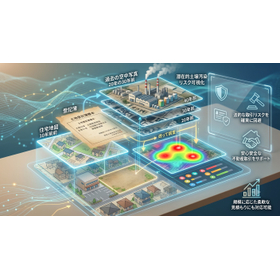
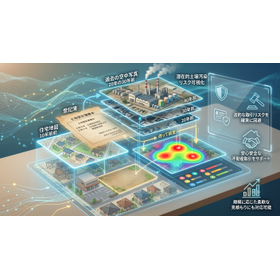
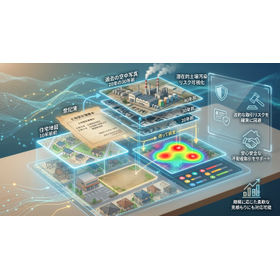
In the chemical industry, understanding potential soil contamination risks is crucial in factory M&A, business succession, and real estate transactions. If contamination is discovered underground after the transaction, it can lead to serious issues such as long-term legal battles, substantial damage claims, and contract cancellations, which may affect the company's social credibility. To avoid such risks and prevent the erosion of corporate value, it is effective to take the initiative before the transaction and conduct voluntary historical investigations and sampling by a neutral and rigorous designated investigation agency. Even in operational factories, early safety assessments while continuing operations can help clarify the responsibilities for countermeasures and cost burdens in contracts by understanding the actual state of contamination. GeoTech, as a designated investigation agency, supports safe and transparent business transactions by reducing often-overlooked defect risks through reliable evidence building and high-precision official analysis. 【Usage Scenarios】 - Due diligence before factory M&A and business succession - Assessment of soil contamination risks in real estate transactions - Strengthening environmental compliance in operational factories - Buying and selling facilities that handle chemical substances
Added to bookmarks
Bookmarks listBookmark has been removed
Bookmarks listYou can't add any more bookmarks
By registering as a member, you can increase the number of bookmarks you can save and organize them with labels.
Free membership registration