iPROS Urban Planning
  • Search for products by classification category

    • Building Materials
      Building Materials
      36684items
    • Facilities
      Facilities
      57739items
    • Lighting and Interior
      Lighting and Interior
      17588items
    • Common materials
      Common materials
      37230items
    • Civil Engineering Materials
      Civil Engineering Materials
      10206items
    • Construction, work and methods
      Construction, work and methods
      29179items
    • Surveys, Measurements, and Services
      Surveys, Measurements, and Services
      29722items
    • IT/Software
      IT/Software
      33558items
    • others
      others
      89321items
    • Store and facility supplies
      Store and facility supplies
      4600items
    • Office and commercial supplies
      Office and commercial supplies
      11746items
    • Hospital and welfare facility supplies
      Hospital and welfare facility supplies
      1057items
    • Logistics Equipment
      Logistics Equipment
      7343items
    • Energy and Resources
      Energy and Resources
      11969items
  • Search for companies by industry

    • Information and Communications
      7295
    • others
      7211
    • Building materials, supplies and fixtures manufacturers
      6632
    • Service Industry
      4756
    • Trading company/Wholesale
      3074
    • Other construction industries
      2445
    • Electrical equipment construction business
      720
    • Construction Consultant
      607
    • Interior Design
      520
    • General contractors and subcontractors
      491
    • Facility Design Office
      490
    • Architectural design office
      363
    • retail
      362
    • Housing manufacturers and construction companies
      351
    • Warehousing and transport related industries
      329
    • Building Management
      294
    • Electricity, Gas and Water Industry
      285
    • Interior construction business
      278
    • Medical and Welfare
      276
    • Educational and Research Institutions
      253
    • Renovation and home construction industry
      222
    • Water supply and drainage construction business
      205
    • Transportation
      174
    • Real Estate Developers
      166
    • Fisheries, Agriculture and Forestry
      132
    • Structural Design Office
      65
    • Finance, securities and insurance
      41
    • Restaurants and accommodations
      32
    • self-employed
      31
    • Mining
      26
    • Public interest/special/independent administrative agency
      20
    • Police, Fire Department, Self-Defense Forces
      17
    • Property Owner
      9
    • Store and building owners
      9
    • Government
      9
    • Individual
      9
  • Special Features
  • Ranking

    • Overall Products Ranking
    • Overall Company Ranking
Search for Products
  • Search for products by classification category

  • Building Materials
  • Facilities
  • Lighting and Interior
  • Common materials
  • Civil Engineering Materials
  • Construction, work and methods
  • Surveys, Measurements, and Services
  • IT/Software
  • others
  • Store and facility supplies
  • Office and commercial supplies
  • Hospital and welfare facility supplies
  • Logistics Equipment
  • Energy and Resources
Search for Companies
  • Search for companies by industry

  • Information and Communications
  • others
  • Building materials, supplies and fixtures manufacturers
  • Service Industry
  • Trading company/Wholesale
  • Other construction industries
  • Electrical equipment construction business
  • Construction Consultant
  • Interior Design
  • General contractors and subcontractors
  • Facility Design Office
  • Architectural design office
  • retail
  • Housing manufacturers and construction companies
  • Warehousing and transport related industries
  • Building Management
  • Electricity, Gas and Water Industry
  • Interior construction business
  • Medical and Welfare
  • Educational and Research Institutions
  • Renovation and home construction industry
  • Water supply and drainage construction business
  • Transportation
  • Real Estate Developers
  • Fisheries, Agriculture and Forestry
  • Structural Design Office
  • Finance, securities and insurance
  • Restaurants and accommodations
  • self-employed
  • Mining
  • Public interest/special/independent administrative agency
  • Police, Fire Department, Self-Defense Forces
  • Property Owner
  • Store and building owners
  • Government
  • Individual
Special Features
Ranking
  • Overall Products Ranking
  • Overall Company Ranking
  • privacy policy
  • terms of service
  • About Us
  • Careers
  • Advertising
  1. Home
  2. Other construction industries
  3. ジオテック
  4. Product/Service List
Other construction industries
  • Added to bookmarks

    Bookmarks list

    Bookmark has been removed

    Bookmarks list

    You can't add any more bookmarks

    By registering as a member, you can increase the number of bookmarks you can save and organize them with labels.

    Free membership registration

ジオテック

capital5000Ten thousand
number of employees77
addressTokyo/Toshima-ku/3-20-21 Higashi-Ikebukuro, Kosen Building 3F
phone03-5985-8191
  • Special site
  • Official site
last updated:Jun 12, 2026
ジオテックlogo
  • Contact this company

    Contact Us Online
  • Company information
  • Products/Services(685)
  • catalog(378)
  • news(0)

ジオテック List of Products and Services

  • category

91~135 item / All 373 items

Displayed results

Filter by category

地盤調査 地盤調査
地盤補強(地盤改良)工事 地盤補強(地盤改良)工事
沈下修正工事・曳家工事 沈下修正工事・曳家工事
土壌汚染調査 土壌汚染調査
その他の住宅関連事業 その他の住宅関連事業
地歴調査 地歴調査
残土調査 残土調査
地歴調査

地歴調査

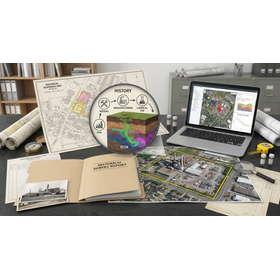
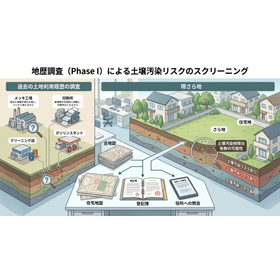
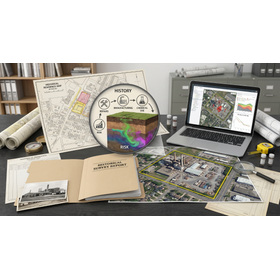
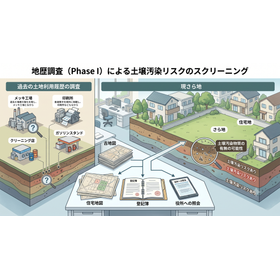
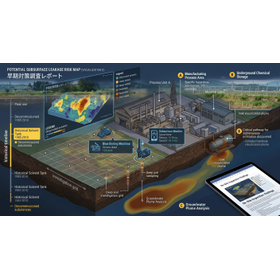
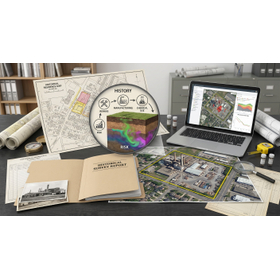
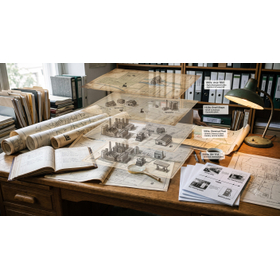
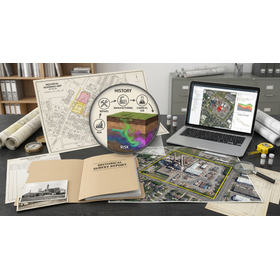
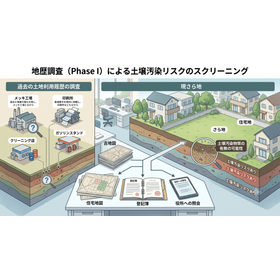
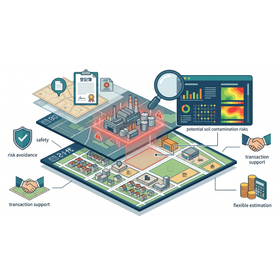
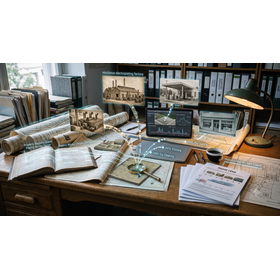
不動産鑑定評価基準において、土壌汚染の有無は住宅地・商業地・工業地における重要な個別的要因として明確に規定されており、不動産の効用や経済価値を決定づける価格形成要因の一つです 。適正な価格判定や最有効使用の判断を行うには、市場参加者の観点からこのリスクを明確に把握し分析することが欠かせません 。そのため、土地の購入前や引渡し前の早期段階で地歴調査(フェイズ1)を実施することは、予期せぬ資産価値の下落を防ぎ、土地売買時のトラブルを回避する上で極めて有益です 。一見して現在は問題がなさそうな土地であっても、過去に工場等が存在した履歴を住宅地図や登記簿から調べることで、引き渡しのリスクを事前にコントロールできます 。
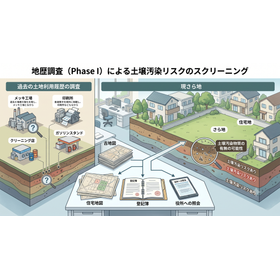

Designated investigation agency | Investigations to prevent the cancellation of land transactions and damages after sale.

Prevent the cancellation of land transactions and unfair price negotiations in advance! A historical investigation to strongly supplement important explanations and lead safe real estate transactions driven by the seller.

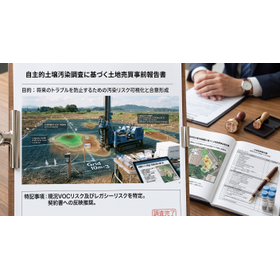
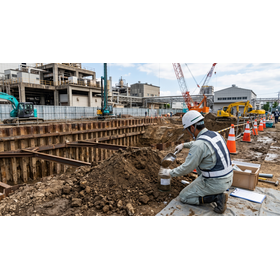
In the practice of land sale contracts, the discovery of soil contamination during negotiations or after the transfer can trigger significant delays in transactions, cancellations, and even lead to costly legal battles over damages. Particularly, "hidden defects" that the seller may not be aware of pose a brokerage risk that cannot be fully addressed by standard important matter explanations. This explanatory document details the strategic use of "historical land investigations before sale" to protect the trust of both sellers and buyers and facilitate smooth real estate transactions. Geotech, a designated investigation agency under the Soil Contamination Countermeasures Act, meticulously examines the past usage of the land and public documents to prepare an objective risk assessment report that strongly supplements the important matter explanations. Furthermore, it covers the establishment of numerical data evidence through voluntary sampling surveys for contamination concerns and how to incorporate special provisions into the sales contract. This practical guide emphasizes thorough risk management by brokerage firms, enhancing social credibility while leading safe transactions.

Added to bookmarks

Bookmarks list

Bookmark has been removed

Bookmarks list

You can't add any more bookmarks

By registering as a member, you can increase the number of bookmarks you can save and organize them with labels.

Free membership registration

Designated Investigation Agency | Historical investigations to prevent hidden defects even in small plots of land or buildings currently in operation.

Visualizing risks even in small plots of land and operating factories! A historical investigation that supplements important explanations and overcomes technical constraints to establish safe land transactions.

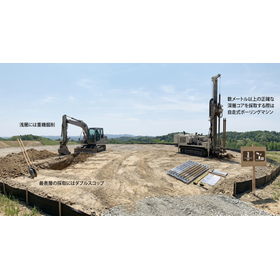
In the case of real estate transactions in buildings that are currently operating factories or in narrow sites where the entry of large machinery is impossible, accurately assessing the risk of soil contamination has posed significant challenges with traditional investigation methods. However, proceeding with the transfer while leaving the risks unclear can lead to serious disputes in the future over massive damages or contract cancellations. This explanatory document details the know-how for real estate brokerage companies to overcome such technical constraints and establish safe land transactions without halting operations through the use of "strategic historical investigations." The designated investigation agency, Geotech, meticulously examines past public notification materials and detailed land histories to prepare objective reports that strongly supplement the reliability of important disclosures. Furthermore, it covers the establishment of numerical data evidence using a unique small-scale sampling technique that can be implemented in locations inaccessible to large equipment, as well as how to incorporate warranty clauses into contracts. This book aims to strengthen the risk management systems of brokerage companies themselves and to carry out reliable contractual practices while maintaining social credibility.

Added to bookmarks

Bookmarks list

Bookmark has been removed

Bookmarks list

You can't add any more bookmarks

By registering as a member, you can increase the number of bookmarks you can save and organize them with labels.

Free membership registration

Designated Investigation Agency | Investigation to Protect Developers' Land Acquisition Practices and Social Credibility

Thorough environmental compliance during land acquisition! Conducting historical investigations to supplement important explanations and proactively eliminate development risks for developers.

For real estate developers engaged in large-scale residential land development, condominium construction, and commercial facility development, hidden defects related to soil contamination in procurement sites represent a serious management risk that can lead to significant delays in business plans, enormous additional costs, and even a loss of corporate social credibility. This explanatory document details the effectiveness of "pre-contract historical investigations" to ensure that land procurement personnel at real estate brokerage firms and developers can lead business advancement while strictly adhering to compliance. Geotech, a designated investigation agency under the Soil Contamination Countermeasures Act, meticulously examines past public notification documents and detailed land histories to prepare objective evaluation reports that dramatically enhance the reliability of important matter explanations. Furthermore, it covers methods for building legal evidence through voluntary sampling surveys for contamination concerns, as well as how to incorporate reliable special provisions into sales contracts, providing a comprehensive practical guide filled with know-how to eliminate risks in advance and facilitate safe land transactions.

Added to bookmarks

Bookmarks list

Bookmark has been removed

Bookmarks list

You can't add any more bookmarks

By registering as a member, you can increase the number of bookmarks you can save and organize them with labels.

Free membership registration

Designated Investigation Agency | Historical Research to Mitigate Risks in Land Transactions

Detect hidden defects in land transactions before the contract! A groundbreaking historical investigation that supplements important explanations to prevent customer troubles after the handover.

In real estate transactions, the discovery of significant defects such as soil contamination after the handover can trigger major legal and financial disputes for both the seller and the buyer. Particularly, "hidden defects" that the seller may not even be aware of are often overlooked with standard land inspections. This document clearly explains the importance and utilization of "historical land investigations before contracts" to ensure that real estate brokerage companies can effectively prevent customer troubles and lead safe land transactions. By having a neutral and rigorous designated investigation agency analyze the past usage history of the land and public documents from multiple perspectives, it becomes possible to visualize potential underground risks in advance and strongly supplement the explanation of important matters. Furthermore, it covers the establishment of numerical data through voluntary sampling investigations in cases of contamination concerns and the methods for concluding defect liability clauses in sales contracts. This book is packed with professional contract practices aimed at enhancing the risk management and social credibility of brokerage companies while providing absolute peace of mind for both sellers and buyers.

Added to bookmarks

Bookmarks list

Bookmark has been removed

Bookmarks list

You can't add any more bookmarks

By registering as a member, you can increase the number of bookmarks you can save and organize them with labels.

Free membership registration

Designated Investigation Agency | Historical Survey Supplementing Important Information Explanation

A practical guide to complementing important matter explanations and eliminating disputes in land transactions! Completely prevent hidden defect risks through historical land investigations and sampling before contracts.

In the field of real estate transactions, the discovery of soil contamination after the handover can escalate into a serious dispute involving not only the seller and buyer but also the brokerage company. Particularly overlooked "hidden defects" can create significant development risks and legal or financial troubles if no prior measures are taken. This explanatory document thoroughly discusses the benefits of introducing "historical land investigations before contracts" to prevent customer disputes in real estate brokerage and enhance the accuracy of important disclosures. By meticulously analyzing the past usage history of the land and public notification documents, the neutral and rigorous designated investigation agency, Geotech, visualizes the invisible underground risks and strongly complements the important disclosures. Furthermore, in cases where there are concerns about contamination, voluntary sampling investigations can be conducted to establish reliable numerical data evidence, facilitating negotiations to include specific defect liability clauses in the sales contract. This is practical know-how to protect the brokerage company's own risk management and social credibility, ensuring safe and smooth land transactions.

Added to bookmarks

Bookmarks list

Bookmark has been removed

Bookmarks list

You can't add any more bookmarks

By registering as a member, you can increase the number of bookmarks you can save and organize them with labels.

Free membership registration

Designated Investigation Agency | Pre-contractual Background Investigation to Prevent Customer Troubles

Eliminate defects and troubles in land transactions before they occur! A strategic historical investigation to strongly supplement the important explanations and enhance the social credibility of the brokerage company.

In land sale contracts, the discovery of soil contamination after the transaction poses a serious risk that can lead to significant legal and financial troubles. Particularly, "hidden defects" that even the seller is unaware of can result in major complaints from clients and a loss of social credibility for real estate brokerage companies. This explanatory document clearly summarizes the strategic utilization of "historical land investigations before contracts" to maximize the safety of land transactions and prevent customer disputes. By meticulously examining past land usage and public documents, Geotech, as a reliable designated investigation agency, can completely visualize the invisible risks of the ground and strongly supplement the reliability of important disclosures. In the event that contamination concerns are identified, conducting voluntary sampling investigations will establish accurate numerical data as evidence, facilitating negotiations to include specific defect liability clauses in the sales contract. This is an essential practical guide for brokerage companies to thoroughly manage risks and ensure safe and reliable transactions.

Added to bookmarks

Bookmarks list

Bookmark has been removed

Bookmarks list

You can't add any more bookmarks

By registering as a member, you can increase the number of bookmarks you can save and organize them with labels.

Free membership registration

Designated Investigation Agency | A thorough historical investigation that strongly complements important information explanations and prevents hidden defects.

Strongly supplementing important matter explanations to prevent contract cancellations! Practical historical investigations to thoroughly manage risks and prevent customer troubles in real estate brokerage companies.

In the practice of real estate sales contracts, the discovery of soil contamination after the transfer of property poses a significant business risk, leading to long-term legal battles over damage claims and contract cancellations. Particularly, it is extremely difficult to detect "hidden defects" that even the seller may not be aware of, solely through regular land inspections. This explanatory document provides a detailed practical guide on "historical land investigations before contracts" to maximize the safety of transactions and thoroughly prevent customer disputes after the transfer. By rigorously examining the past usage history of the land and public notification documents, GeoTech, a designated investigation agency under the Soil Contamination Countermeasures Act, visualizes invisible underground risks in advance and strongly supplements the reliability of important matter explanations. Furthermore, it covers the establishment of numerical data evidence through voluntary sampling investigations in cases of contamination concerns, as well as how to incorporate defect liability clauses into sales contracts. This practical guide aims to strengthen the risk management system of brokerage companies and promote smooth land transactions while maintaining social credibility.

Added to bookmarks

Bookmarks list

Bookmark has been removed

Bookmarks list

You can't add any more bookmarks

By registering as a member, you can increase the number of bookmarks you can save and organize them with labels.

Free membership registration

Designated Investigation Agency | Investigation to Prevent Violations of Disclosure Obligations and Supplement Important Explanations

Optimize the seller's disclosure obligations and alleviate the buyer's concerns! Enhance the safety of land transactions through accurate due diligence based on historical land surveys before the contract.

In real estate transactions, the seller's duty to disclose and issues related to the history of land use carry the risk of developing into significant legal disputes after the contract is signed. Particularly, unseen soil contamination underground is the greatest concern for buyers and a major factor that hinders safe transactions. This explanatory document details the effectiveness of "pre-contract historical investigations" that real estate brokerage companies can use to quickly alleviate customer anxieties and facilitate smooth land transactions through honest information disclosure. GeoTech, a specialized organization designated by the government, prepares objective evaluation reports that significantly enhance the reliability of important matter explanations by analyzing and scrutinizing past public notification documents and detailed land histories from multiple perspectives. Furthermore, it covers methods for building scientific evidence through voluntary sampling investigations when contamination risks arise, as well as how to incorporate defect warranty clauses into contracts. This practical guide emphasizes thorough due diligence as a brokerage company, ensuring reliable contract practices while protecting the asset values of both parties.

Added to bookmarks

Bookmarks list

Bookmark has been removed

Bookmarks list

You can't add any more bookmarks

By registering as a member, you can increase the number of bookmarks you can save and organize them with labels.

Free membership registration

Designated Investigation Agency | Thoroughly block environmental liabilities in M&A before contracts and supplement the explanatory materials.

Prevent environmental liabilities in real estate M&A before they occur! Optimize the transaction price through detailed historical investigations before the contract, and thoroughly prevent customer troubles after the handover.

In corporate M&A and large-scale real estate transactions, potential soil contamination at the target site can later become a massive environmental liability, posing a significant management risk that can lead to catastrophic losses for the purchasing company and its post-merger operations. To prevent both sellers and buyers from becoming embroiled in long-term damage claims or futile legal disputes after the sale or acquisition, it is essential to conduct advanced due diligence at the timing of contract execution. This explanatory document details the strategic use of "pre-contract historical investigations" that real estate brokerage firms can employ to properly manage environmental risks and lead reliable transaction promotion. GeoTech, a designated investigation agency under the Soil Contamination Countermeasures Act, enables the calculation of appropriate sale prices that take into account future remediation costs by meticulously analyzing past operational histories and public notification materials, thereby strongly supplementing the reliability of important matter explanations. Furthermore, it covers the construction of legal evidence through voluntary sampling investigations concerning contamination concerns and how to incorporate warranty clauses, making it a practical resource for protecting the social credibility of brokerage firms.

Added to bookmarks

Bookmarks list

Bookmark has been removed

Bookmarks list

You can't add any more bookmarks

By registering as a member, you can increase the number of bookmarks you can save and organize them with labels.

Free membership registration

Designated Investigation Agency | Historical Investigation for Expediting Administrative Discussions on Land Use Change of Former Factory Sites

Completely avoid sudden stagnation and delays in development permit applications and administrative consultations for residential areas! Confirm the land history for changing the use to eliminate the risks of converting former factory sites into residential land.

When redeveloping a former factory site into a large-scale residential area or apartment complex, how to swiftly and smoothly advance the development permit application based on urban planning laws and administrative discussions with local governments is a crucial key to the success or failure of the project. Neglecting prior historical land checks and discovering sudden soil contamination during construction can lead to long-term work stoppages or re-investigations mandated by authorities, resulting in serious schedule delays and significant opportunity losses. This catalog provides a detailed explanation of the role and practical know-how of "historical land checks for use change" to preemptively avoid sudden stagnation in administrative procedures and to obtain smooth and speedy approvals. It covers advanced data analysis techniques by geotech for scrutinizing public notification materials, tracking the history of past land alterations and fill, and the process of sampling surveys compliant with public standards that serve as a solid safety certification for residents towards authorities and surrounding residents. Please utilize this book widely to legally control the risks of land use change, ensure the successful completion of business plans, and achieve safe urban development.

Added to bookmarks

Bookmarks list

Bookmark has been removed

Bookmarks list

You can't add any more bookmarks

By registering as a member, you can increase the number of bookmarks you can save and organize them with labels.

Free membership registration

Designated Investigation Agency | Historical Investigation for Changing Land Use of Former Factories to Comply with Regulations

Thoroughly eliminate regulatory risks associated with changes in characteristics or investigation orders at temporarily exempted sites! Confirm the history of land use changes to detect risks of converting former factory sites into residential land.

In the case of land that has received a temporary exemption from investigation obligations due to confirmation under Article 3, Paragraph 1 of the Soil Contamination Countermeasures Act at the site of a factory where the use of harmful substances has been discontinued, if redevelopment and change of use to residential areas or similar are to be carried out, strict compliance with legal risks cannot be avoided. Particularly when changing the characteristics of land of 900 square meters or more in exempted areas, prior notification is mandatory, and the governor will issue an investigation order requiring certain measures. This catalog provides a detailed explanation of the practicalities of "historical confirmation for change of use" to fully control such regulatory risks and prevent compliance violations and unexpected business stagnation. It covers advanced historical investigation methods by Geotech that multilaterally trace the handling history of harmful substances and changes in equipment layout from the analysis of public notification materials, as well as the process of legally compliant sampling surveys that fully meet administrative orders. Please make wide use of this book to completely eliminate legal risks and smoothly complete the development of healthy and clean residential land, thereby protecting the social credibility of your company. PDF and four other documents.

Added to bookmarks

Bookmarks list

Bookmark has been removed

Bookmarks list

You can't add any more bookmarks

By registering as a member, you can increase the number of bookmarks you can save and organize them with labels.

Free membership registration

Designated Investigation Agency | Historical Survey for Changing the Use of Factory Sites to Reduce Unexpected Costs

Avoid the occurrence of unexpected purification costs exceeding 40% of land prices and the cancellation of transactions! Fully budget the risks of converting factory sites to residential land by verifying the land history for change of use.

When changing the use of a former factory site to sell or redevelop it as residential land, the opaque costs associated with underground soil contamination measures become the biggest budget risk in the business plan. If a severe contamination is discovered after the land sale without prior historical land investigation, it may necessitate the most expensive soil replacement method, leading to remediation costs exceeding 40% of the land price, which can result in the project being abandoned or stalled. This catalog provides a detailed explanation of the know-how for "historical land use verification" to completely control such uncertain risks of land conversion and to visualize and budget the full extent of remediation costs in advance. It covers everything from scrutinizing public notification documents to preventive management techniques to prevent the spread of contamination during operations, as well as practical sampling surveys compliant with official methods to select optimal techniques such as inexpensive bio-injection to avoid costly replacement methods. This book can be widely utilized to fully manage budget risks within the legal framework of contracts, achieving dramatic cost reductions and protecting corporate value. PDF and 4 other documents.

Added to bookmarks

Bookmarks list

Bookmark has been removed

Bookmarks list

You can't add any more bookmarks

By registering as a member, you can increase the number of bookmarks you can save and organize them with labels.

Free membership registration

Designated Investigation Agency | Regional Historical Survey to Prevent Secondary Contamination from Land Use Change of Former Factory Sites

Completely eliminate secondary pollution and conflicts with local residents caused by large-scale urban redevelopment! A historical investigation of land use change for factory sites to protect area value.

In an urban redevelopment project that transforms a vast factory site into a residential area, ensuring the overall safety of the community and achieving sustainable area management is an extremely important administrative and social responsibility. Ignoring the presence of harmful substances associated with past operations while carrying out large-scale land alterations and infrastructure development can lead to widespread risks of contamination spreading to surrounding residential areas and groundwater systems, potentially creating serious conflicts with the local community. This catalog comprehensively covers the entire process of "historical land use verification" to completely control such secondary contamination risks from both technical and legal perspectives. It explains advanced geotechnical historical investigation methods that digitally overlay old maps and chronological aerial photographs, tracking the changes in land reclamation and embankment that once existed, as well as the history of surface elevation. Furthermore, it details the practical implementation of official sampling surveys to fully comply with unique municipal environmental standards and soil disposal regulations, along with the establishment procedures for a solid safety certification for residents that can be directly used in community explanations, making it an essential resource for creating clean urban environments.

Added to bookmarks

Bookmarks list

Bookmark has been removed

Bookmarks list

You can't add any more bookmarks

By registering as a member, you can increase the number of bookmarks you can save and organize them with labels.

Free membership registration

Designated Investigation Agency | Historical Site Verification Survey to Mitigate Risks of Rebuilding on Small Lots and During Ongoing Operations

Break through physical constraints such as factory operating space and indoor floor voids! Completely eliminate the risk of land use change during rebuilding without stopping operations by confirming the land history for the change of use.

When changing the use of part of the site of an operational factory to residential facilities or attached housing and carrying out partial reconstruction, ensuring underground safety without halting operations is an extremely important practical issue for balancing production efficiency and risk management. If construction begins while overlooking the risk of soil contamination lurking beneath the building's floor or in narrow spaces, unexpected environmental liabilities may arise during the construction process, potentially leading to a complete shutdown of both the production line and construction work, resulting in catastrophic losses. This catalog covers advanced approaches to "historical verification of use change" that break through such physical and spatial constraints and proactively address underground risks while operations continue. It explains GeoTech's historical investigation techniques that detail the aging routes of underground piping through the analysis of past operational histories and public notification documents. Additionally, it provides detailed descriptions of special sampling methods, such as simple mechanical boring machines that ensure reliable sample collection even in buildings and narrow spaces, as well as procedures for early acquisition of safety certifications for future residents, making it an essential resource for reconstruction plans during ongoing operations.

Added to bookmarks

Bookmarks list

Bookmark has been removed

Bookmarks list

You can't add any more bookmarks

By registering as a member, you can increase the number of bookmarks you can save and organize them with labels.

Free membership registration

Designated Investigation Agency | Land Use Change History Investigation to Mitigate Risks of Residential Development on Former Factory Sites

Completely eliminate the risks of converting factory sites into residential areas! Uncover hidden soil contamination through historical land use verification for zoning changes.

In the process of redeveloping former factory sites into residential areas, the prevention of "land use conversion risks" associated with soil contamination is an extremely important management issue for real estate developers. If harmful substances are discovered after the handover, it could lead to fatal troubles such as the cancellation of land transactions or massive compensation claims. Therefore, an effective measure is to conduct a "historical land use verification" before the contract is signed. This catalog explains GeoTech's investigative methods, which break down past operational histories and public notification materials in a multi-layered manner, objectively identifying often-overlooked underground leakage risks. Furthermore, it covers specific risk management know-how to protect asset value, including the effectiveness of voluntary sampling surveys to facilitate contract negotiations and the practicalities of concluding warranty clauses when non-compliance with standards is discovered. This book serves as a resource to prevent legal entanglements and ensure safe asset acquisition, and it can be widely utilized by professionals involved in development practices and real estate transactions.

Added to bookmarks

Bookmarks list

Bookmark has been removed

Bookmarks list

You can't add any more bookmarks

By registering as a member, you can increase the number of bookmarks you can save and organize them with labels.

Free membership registration

Designated Investigation Agency | Resident Safety Certification for Changing the Use of Factory Sites to Residential Areas

Eliminate defect troubles when changing the use of factory sites to residential areas! Conduct historical investigations to prevent legal disputes after handover and establish safety certifications for residents.

When changing the use of former factory sites to residential areas and promoting redevelopment, the most concerning issue is the "defect trouble" that arises when soil contamination is discovered after handover. This not only undermines the social credibility of residential construction companies but also poses a significant risk to the health of residents. This catalog explains the practicalities of "historical land use verification" to eliminate future legal disputes and provide solid assurance to residents. Based on a detailed risk classification according to past operational history and land use purposes, Geotech comprehensively identifies areas of concern for underground leakage, such as chemical handling locations and drainage pipe routes. Furthermore, it also elaborates on the importance of early assessment to avoid unexpected delays in construction and the sampling investigation process compliant with public law that serves as legal evidence. This guide is ideally suited for house manufacturers, construction companies, and real estate owners to ensure a safe and secure living environment and to successfully complete business plans.

Added to bookmarks

Bookmarks list

Bookmark has been removed

Bookmarks list

You can't add any more bookmarks

By registering as a member, you can increase the number of bookmarks you can save and organize them with labels.

Free membership registration

Designated investigation agency | Conducting a historical survey to prevent defects when changing the use of and selling factory sites.

Blocking environmental liabilities and hidden defect risks associated with the change of use or sale of our former factory site! A meticulous historical investigation to protect the company's social credibility.

Due to the closure of our own factories and business sites, when considering the change of land use to residential areas for sale or effective utilization, the greatest uncertainty faced by managers is the risk of soil contamination, which is a "hidden defect." If serious contamination comes to light after the sale, the company's social responsibility and credibility will be severely undermined, leading to long-term legal disputes and unexpected large compensation claims. This catalog emphasizes the importance of "historical verification of land use change," which is led by the seller to facilitate the smooth sale and M&A of company land. It analyzes the handling history of specific harmful substances unique to the industry and the evolution of past manufacturing processes based on a database in a multilayered manner. Furthermore, it systematically compiles practical knowledge on neutral sampling surveys to prevent unfair lowball offers and on warranty clauses for planned management of confirmed contamination costs within contracts. Please use this book to solidify the company's social credibility and achieve sound asset disposal while appropriately maintaining the asset value of the land.

Added to bookmarks

Bookmarks list

Bookmark has been removed

Bookmarks list

You can't add any more bookmarks

By registering as a member, you can increase the number of bookmarks you can save and organize them with labels.

Free membership registration

Designated Investigation Agency | Independent Soil Survey to Strengthen Factory Aging Countermeasures and BCP System

Essential for updating aging factory infrastructure and strengthening BCP systems! Thoroughly defend against the risk of environmental contamination expansion during disasters through early voluntary soil contamination surveys conducted while in operation.

This document proposes methods for preventing secondary disasters and managing environmental risks through voluntary soil investigations during operations, aimed at operators who are updating aging infrastructure and strengthening disaster prevention and business continuity plans (BCP). In factories that have been in operation for many years, there is always a latent risk of underground infiltration due to the aging of invisible underground pipes and storage tanks. If this is left unaddressed and a natural disaster such as a major earthquake or heavy rainfall occurs, harmful substances could rapidly spread outside the site due to liquefaction or sudden changes in groundwater flow, potentially causing significant secondary disasters that could severely impact the local environment. To prevent such unforeseen circumstances, it is essential to lead early voluntary investigations during operations, before legal obligations arise, to accurately understand the contamination status underground. GeoTech, a designated investigation agency, will fully support the establishment of robust evidence to objectively prove the safety of the company through optimal sampling methods that do not interfere with daily operations or production activities, as well as high-precision official analyses, thereby enhancing the company's disaster recovery capabilities with clean environmental disaster prevention measures.

Added to bookmarks

Bookmarks list

Bookmark has been removed

Bookmarks list

You can't add any more bookmarks

By registering as a member, you can increase the number of bookmarks you can save and organize them with labels.

Free membership registration

Designated Investigation Agency | Voluntary Soil Survey to Identify Potential Environmental Liabilities in Business Succession and MBOs

Completely shut out environmental liabilities during business succession among relatives, MBOs, and internal reorganizations! Protect the next generation's management foundation through voluntary soil surveys conducted during operations.

This document proposes methods for clarifying environmental liabilities and eliminating risks through voluntary soil investigations conducted during ongoing operations, aimed at business owners, successors, and legal and financial personnel planning for business succession among relatives, management buyouts (MBOs), or organizational restructuring and internal spin-offs within a group. Leaving hidden soil contamination risks underground and unaddressed during the transfer process of company management rights and factory assets can lead to significant discrepancies in stock value assessment at the final stage of the transfer process or even a complete halt of the succession process. To prevent such serious management disruptions, it is crucial to lead early voluntary investigations from the operational phase of the factory to accurately identify the presence of specific hazardous substances at this point in time. Geotech, a designated investigation agency, will fully support the establishment of reliable evidence to robustly protect the next generation of management foundations and corporate social credibility through optimal sampling methods and high-precision official analyses that do not interfere with daily operations or production activities on-site.

Added to bookmarks

Bookmarks list

Bookmark has been removed

Bookmarks list

You can't add any more bookmarks

By registering as a member, you can increase the number of bookmarks you can save and organize them with labels.

Free membership registration

Designated Investigation Agency | Early voluntary soil contamination survey in anticipation of the sale of operating factory premises

To facilitate the advantageous sale of the factory site, we conduct voluntary soil contamination surveys during operations to detect hidden risks early. Smooth land transactions with reliable data.

This document proposes the importance and specific benefits of voluntarily conducting soil contamination surveys from the operational stage for businesses planning to sell factory land or rebuild. In land transactions, the discovery of hidden defects such as soil contamination after the transfer can lead to serious disputes, including the cancellation of sales contracts and claims for damages. To prevent these issues, it is crucial to conduct early voluntary historical investigations and sampling at operational factories to visualize underground infiltration risks. Since there is time available while the factory is operational, it allows for a thorough assessment of the actual contamination, enabling a calm consideration of optimal countermeasures other than costly soil replacement, as well as control over remediation costs and schedules. GeoTech, a designated investigation agency by the Ministry of the Environment, will ensure safe and smooth land transactions through high-precision official analysis and evidence building without halting on-site operations. To protect your company's social credibility and valuable asset value, we strongly encourage you to consider early measures led by the seller.

Added to bookmarks

Bookmarks list

Bookmark has been removed

Bookmarks list

You can't add any more bookmarks

By registering as a member, you can increase the number of bookmarks you can save and organize them with labels.

Free membership registration

Designated Investigation Agency | Prevention of Soil Contamination and Planned Annual Remediation at Operating Factory Sites

Balancing factory operations and cost reduction! We propose preventive measures to prevent underground infiltration through early voluntary soil surveys and optimal planned annual purification.

This document proposes an optimal process for "early detection, preventive measures, and annual purification," starting from voluntary soil surveys during operation, aimed at managers and facility managers who wish to simultaneously achieve the maintenance of factory operations and minimize soil contamination remediation costs. If soil contamination is left unaddressed, it will expand underground over time, leading to a situation where, during future land sales or closures, the only option available is the very costly soil replacement method, resulting in significant management risks due to high remediation costs. In contrast, by voluntarily clarifying the current situation through sampling at an early stage during factory operations and identifying the causes of subsurface infiltration to implement preventive measures, the new expansion of contamination can be completely halted. Furthermore, for the remaining past contamination, it is possible to establish a manageable annual plan in line with the business plan, allowing for systematic purification using long-term and low-cost methods while keeping the factory operational. GeoTech, a designated investigation agency, fully supports efficient investigations that do not impact the factory's production activities and directly contribute to cost reductions through the latest compact drilling technology and high-precision official analysis for clean environmental measures.

Added to bookmarks

Bookmarks list

Bookmark has been removed

Bookmarks list

You can't add any more bookmarks

By registering as a member, you can increase the number of bookmarks you can save and organize them with labels.

Free membership registration

Designated Investigation Agency | Preventing Hidden Defect Risks in Factory M&A through Voluntary Soil Contamination Surveys

Block environmental liabilities during factory M&A and sales contracts! Early detection of hidden defect risks through voluntary soil surveys during operations, safeguarding the company's social credibility.

This document proposes a voluntary soil investigation process aimed at management, legal, and financial personnel who are preparing for M&A, business succession, or real estate transactions, to mitigate the hidden environmental liabilities of soil contamination risks. If contamination is discovered underground after a transaction, it can escalate into a serious dispute characterized by long-term litigation, substantial damage claims, and contract termination, significantly undermining the company's social credibility as a major "hidden defect." To prevent such erosion of corporate value, it is crucial to take the initiative before the transaction by conducting voluntary historical investigations and sampling through a neutral and rigorous designated investigation agency. Even in operational factories, it is possible to assess safety early without halting operations, and by exposing the reality of contamination, it becomes feasible to clearly incorporate provisions regarding responsibility for countermeasures and cost burdens into the contract. GeoTech, the designated investigation agency, will firmly support safe and transparent business transactions by completely eliminating often-overlooked defect risks through reliable evidence building and high-precision official analysis.

Added to bookmarks

Bookmarks list

Bookmark has been removed

Bookmarks list

You can't add any more bookmarks

By registering as a member, you can increase the number of bookmarks you can save and organize them with labels.

Free membership registration

Designated Investigation Agency | Implementation of Early Voluntary Soil Surveys to Prevent Delays in Construction Period During Factory Reconstruction

Completely avoid construction delays during factory rebuilding! We support the reliable execution of business plans by early detection of risks through voluntary soil contamination surveys conducted during operations.

This document proposes methods for preventing construction delays and managing risks by voluntarily conducting soil investigations from the operational phase for businesses considering factory reconstruction or large-scale facility renovations. Generally, if soil contamination is discovered after the demolition of existing buildings, it necessitates prior notification to the authorities and unexpected soil replacement work, which can lead to a complete halt of construction for an extended period. This results in significant opportunity losses due to delays in the start of operations and serious issues such as soaring remediation costs. In contrast, by proactively conducting historical investigations and planned sampling during the operational phase of the factory, it becomes possible to visualize all underground infiltration risks in advance. If the presence and extent of contamination can be accurately identified beforehand, cleanup measures can be seamlessly incorporated into the construction plans and budget, allowing for complete control over the schedule. GeoTech, an investigation agency designated by the Ministry of the Environment, will fully support the construction of reliable evidence to thoroughly prevent construction delays by employing optimal investigation methods that do not halt site operations at all.

Added to bookmarks

Bookmarks list

Bookmark has been removed

Bookmarks list

You can't add any more bookmarks

By registering as a member, you can increase the number of bookmarks you can save and organize them with labels.

Free membership registration

Designated Investigation Agency | Strongly managing environmental risks through voluntary soil surveys during factory operations.

Strengthen factory compliance and ESG management! By conducting voluntary soil contamination surveys during operations, we will detect potential risks early and protect corporate value.

This document proposes a method for strengthening environmental risk management through voluntary soil contamination surveys conducted during operations, aimed at management teams and environmental management departments of companies that prioritize social responsibility, compliance, and ESG management. In modern corporate management, neglecting hidden soil contamination risks underground can lead not only to future land value degradation but also to a loss of corporate social credibility and significant management crises due to the emergence of unexpected environmental liabilities. To prevent such situations, it is essential to lead early voluntary surveys during operations, before legal obligations are imposed, to accurately understand the environmental conditions on-site. Since there is time available during operations, if contamination is discovered, the cause of underground infiltration can be immediately identified, allowing for effective preventive measures to be implemented and completely halting further contamination spread. GeoTech, a designated investigation agency, will thoroughly support the establishment of robust evidence to objectively demonstrate the company's soundness through optimal sampling methods and high-precision official analysis that do not interfere with daily operations or production activities on-site.

Added to bookmarks

Bookmarks list

Bookmark has been removed

Bookmarks list

You can't add any more bookmarks

By registering as a member, you can increase the number of bookmarks you can save and organize them with labels.

Free membership registration

Designated Investigation Agency | Independent Soil Investigation to Enhance Seller's Negotiation Power in Factory Site Sale

Sell the future factory site with overwhelming advantages! Visualize risks through early voluntary soil contamination surveys during operations, ensuring price superiority and negotiation power led by the seller.

This document proposes a strategic approach for businesses planning to sell factory land or organize assets in the future, by voluntarily conducting soil investigations from the operational stage to secure overwhelming price advantages and strong negotiating power led by the seller in land transactions. In real estate transactions, if significant defects such as soil contamination are discovered due to buyer-side inquiries before delivery or at the final stages of the contract, the seller may be forced to accept unfair price reductions or face serious risks of complete stagnation of the entire development plan due to unilateral contract termination. To prevent such situations, it is crucial to proactively complete self-led historical investigations and sampling from an early stage of factory operations to fully visualize underground risks. By establishing reliable evidence of safety in advance, sellers can firmly reject excessive discount demands from buyers based on objective data and guide the transaction smoothly under favorable conditions for the seller. GeoTech, a designated investigation agency by the Ministry of the Environment, will strongly support land transactions that maximize your asset value through high-precision official analysis without stopping factory operations.

Added to bookmarks

Bookmarks list

Bookmark has been removed

Bookmarks list

You can't add any more bookmarks

By registering as a member, you can increase the number of bookmarks you can save and organize them with labels.

Free membership registration

Designated Investigation Agency | Practical Application of Article 3 of the Law in Relation to Factory Reconstruction Due to the Abolition of Specific Facilities

Responding to the Article 3 investigation during the reconstruction of factories involving the abolition of specific facilities for the use of harmful substances. A seamless process from efficient historical research to sampling and administrative reporting.

This theme explains the "practical procedures for Article 3 investigations during factory rebuilds and production line updates" associated with the abolition of specified facilities using harmful substances, focusing on preventing delays in the process and ensuring an efficient approach. The soil contamination investigation imposed on landowners, triggered by the notification of the abolition of specified facilities, carries risks that can severely impact the demolition and construction schedule. To facilitate smooth operations, GeoTech's investigation first thoroughly conducts a Phase 1 historical survey, meticulously identifying the underground infiltration risks of specified harmful substances from architectural drawings and public documents, and appropriately classifying the target site by risk categories. In the subsequent soil sampling process, reliable soil gas surveys for first-class substances and soil collection for second and third-class substances are conducted to establish accurate numerical data based on official methods. Furthermore, we provide comprehensive support from the preparation of high-quality administrative reports that eliminate the risk of re-investigation orders to the submission process to the prefectural governor. This ensures the confirmation of legal compliance is completed reliably, allowing for a safe transition to the next step of construction work as planned.

Added to bookmarks

Bookmarks list

Bookmark has been removed

Bookmarks list

You can't add any more bookmarks

By registering as a member, you can increase the number of bookmarks you can save and organize them with labels.

Free membership registration

Designated Investigation Agency | Article 3 Investigation in Relation to the Sale of Factory Land Due to the Abolition of Specific Facilities

Responding to legal Article 3 investigations during factory sales or M&A involving the abolition of specific facilities for the use of harmful substances. Visualizing environmental liabilities and mitigating dispute risks after the transfer.

This theme explains how to clarify environmental liabilities and mitigate management risks in the context of "soil contamination status investigations under Article 3 of the law during the sale or M&A of factory sites," accompanied by the abolition of specified facilities using harmful substances. With the submission of the notification of the cessation of use of specified facilities, landowners and others are obligated to conduct soil contamination status investigations based on the main text of Article 3, Paragraph 1 of the law. In this legal response, it is essential for both buyers and sellers to take the initiative in managing risks before the contract stage to prevent long-term legal troubles such as massive damage claims or contract cancellations due to the discovery of soil contamination after the transfer. GeoTech's investigation begins with a meticulous historical survey that comprehensively verifies past public notification documents and chemical usage history, accurately classifying the target site based on the risk of underground infiltration of specified harmful substances. Next, it arranges unit plots according to the risk categories and conducts soil gas surveys and precise soil sampling in accordance with public standards to establish numerical data as irrefutable legal evidence. We provide a seamless service from the preparation of reliable administrative reports to the submission to the prefectural governor, ensuring safe real estate transactions and the maintenance of asset value.

Added to bookmarks

Bookmarks list

Bookmark has been removed

Bookmarks list

You can't add any more bookmarks

By registering as a member, you can increase the number of bookmarks you can save and organize them with labels.

Free membership registration

Designated Investigation Agency | Investigation of the Status under Article 3 of the Law for Operating Factories Due to the Abolition of Specific Facilities

Responding to the Article 3 investigation of operating factories associated with the abolition of specific facilities for the use of harmful substances. Completed practical work without stopping production using sampling technology suitable for narrow spaces.

This theme explains how to complete the "Soil Contamination Survey under Article 3 of the Law in Operating Factories and Buildings on Limited Sites" without stopping production lines and without waste, in conjunction with the abolition of the use of specified facilities for harmful substances. With the submission of the notification for the discontinuation of the use of specified facilities, landowners and others are obligated to conduct a soil contamination survey based on the main text of Article 3, Paragraph 1 of the Law. However, in operating factories, halting operations for an extended period for the survey can lead to significant business losses. GeoTech's investigation begins with a thorough historical survey that meticulously verifies past public notification documents and chemical usage history, accurately classifying the target area based on the risk of underground infiltration of specified harmful substances. In the subsequent soil sampling process, even in confined indoor areas, around piping, or in limited outdoor spaces where large machinery cannot enter, advanced sampling techniques using compact specialized equipment are employed to establish reliable numerical data based on official methods while completely clearing any constraints on production. We handle everything from the preparation of the governor's report to the submission process in a seamless manner, eliminating the risk of re-investigation orders and fully fulfilling the obligation of legal compliance.

Added to bookmarks

Bookmarks list

Bookmark has been removed

Bookmarks list

You can't add any more bookmarks

By registering as a member, you can increase the number of bookmarks you can save and organize them with labels.

Free membership registration

Designated Investigation Agency | Efficient Practical Procedures for Article 3 Investigations Related to the Abolition of Specific Facilities

Streamlining the soil contamination investigation under Article 3 of the law due to the abolition of specific facilities using harmful substances. Supporting accurate sampling from efficient historical investigations to the governor's report without waste.

This theme thoroughly explains efficient practical procedures for conducting soil contamination status investigations under Article 3 of the Soil Contamination Countermeasures Act, aimed at preventing schedule delays during operational shutdowns or factory closures. It covers points to minimize costs and construction periods regarding the progression of soil contamination status investigations imposed on landowners, triggered by the notification of the closure of specified facilities. At the crucial stage of historical investigation, we meticulously identify underground infiltration risks from public notification materials and past operational records, rationally narrowing down the areas that require sampling. In the subsequent soil sampling process, we conduct soil gas investigations for first-class substances and soil collection for second- and third-class substances in an efficient arrangement, establishing legally compliant, high-precision numerical data. Furthermore, we provide comprehensive support, condensing the know-how of our designated investigation agency, Geotech, from the preparation of reliable administrative reports that eliminate the risk of re-investigation orders to the practical submission to the prefectural governor. This content is practical for avoiding legal contract risks and development delays, ensuring the safe and swift maintenance of asset value.

Added to bookmarks

Bookmarks list

Bookmark has been removed

Bookmarks list

You can't add any more bookmarks

By registering as a member, you can increase the number of bookmarks you can save and organize them with labels.

Free membership registration

Designated Investigation Agency | Soil Risk Management Practices under Article 3 of the Law Associated with the Abolition of Specific Facilities

Fully compliant with Article 3 investigations during factory closures and the abolition of facilities using hazardous substances. Comprehensive investigations from historical research to soil sampling and administrative reporting to mitigate risks.

This theme explains comprehensive risk defense measures based on the Soil Contamination Countermeasures Act, aimed at protecting a company's social credibility during factory closures, mergers and acquisitions, and land sales, through the "Investigation of the Situation under Article 3 of the Law Accompanying the Abolition of Facilities Using Hazardous Substances." It covers the obligations for investigations that arise for landowners and others upon the submission of facility closure notifications, highlighting hidden defects before contracts are signed to preemptively block future massive damage claims and long-term legal disputes. In the practical process, a historical investigation is first conducted to thoroughly verify public notification materials and past usage history, clarifying the classification of risks according to underground infiltration concerns. Next, units reflecting these results are arranged, and soil gas surveys and accurate soil sampling based on public law are carried out to establish numerical data as irrefutable legal evidence. Finally, a report of the investigation results that fully complies with regulatory requirements is submitted to the governor to complete the investigation. Geotech, as the designated investigation agency, provides total support for this series of practical tasks, ensuring the acquisition of safe land and the maximization of asset value.

Added to bookmarks

Bookmarks list

Bookmark has been removed

Bookmarks list

You can't add any more bookmarks

By registering as a member, you can increase the number of bookmarks you can save and organize them with labels.

Free membership registration

[Confidential] Soil Contamination | Category B (Site, Demolition, Other Civil Engineering)


Added to bookmarks

Bookmarks list

Bookmark has been removed

Bookmarks list

You can't add any more bookmarks

By registering as a member, you can increase the number of bookmarks you can save and organize them with labels.

Free membership registration

Designated Investigation Agency | Environmental Survey of Residential Land History to Detect Risks from Past Land Use Records

Technology to eliminate blind spots in land transactions. Thoroughly scrutinizing past land use change histories and mixed-use land risks, and pre-visualizing underground soil contamination through residential land sale sampling.

This document is a technical investigation guidance to objectively visualize the historical land risk hidden in the registration history, even if the current land is not forest or wilderness but residential land. In land transactions and real estate development, thoroughly tracing the past "land category change history" serves as a decisive defense measure for discovering hidden soil contamination and underground buried objects. In particular, land that was registered as "mixed-use land" in the past is likely to have been used as a material storage site, waste accumulation area, or a small-scale hazardous substance handling facility, necessitating careful examination. Our company conducts precise "residential land sale sampling" in addition to scrutinizing aerial photographs and administrative documents, based on the solid knowledge cultivated as a designated investigation agency by the Ministry of the Environment. This allows for the rapid extraction of the presence of specific hazardous substances that cannot be captured by paper records alone, in line with on-site practices. We comprehensively explain the optimal historical land confirmation solution that blocks fatal legal troubles such as warranty liability and damages after handover, thereby eliminating the management risks for developers and purchasers.

Added to bookmarks

Bookmarks list

Bookmark has been removed

Bookmarks list

You can't add any more bookmarks

By registering as a member, you can increase the number of bookmarks you can save and organize them with labels.

Free membership registration

Designated Investigation Agency | Land Survey to Identify Risks of Factory Site from Past Land Use Changes

Convert the former factory site into a safe residential area. Thoroughly analyze the history of land use changes and the risks of mixed-use land, and reliably detect underground contamination through sampling of residential land transactions.

This technical document is a practical guide for operators promoting a land-use conversion project for sites resulting from factory closures, summarizing methods to detect soil contamination risks based on historical land use records. Even if the target area is currently residential land, by scrutinizing past "land use change histories" other than forests or wastelands, it reveals potential risks of specific hazardous substances associated with heavy metals and volatile organic compounds that were handled at the time. In particular, it focuses on the period of "mixed land risk," which was frequently used for temporary waste storage and drum can placement, explaining an advanced historical verification process that cross-references chronological aerial photographs and administrative ledgers. Furthermore, it covers optimal layout design for "residential land sales sampling" that should be conducted in the early stages of development planning, as well as reliable evidence-building procedures as a designated investigation agency by the Ministry of the Environment. This definitive guide completely blocks legal troubles that could lead to project cancellations, such as hidden defects and damages discovered after handover, and ensures technical support for safe, high-value-added land-use conversion and maximization of land asset value.

Added to bookmarks

Bookmarks list

Bookmark has been removed

Bookmarks list

You can't add any more bookmarks

By registering as a member, you can increase the number of bookmarks you can save and organize them with labels.

Free membership registration

Designated Investigation Agency | Asset Evaluation of Residential Land History to Detect Risks from Past Land Categories

Block corporate environmental liabilities. Thoroughly evaluate past land use change history and mixed-use land risks, and fully visualize potential underground contamination through residential land transaction sampling.

This document is a practical guide for the management planning departments and legal and financial personnel of companies engaged in M&A, organizational restructuring, and real estate securitization. It aims to uncover environmental liabilities hidden beneath the land owned or acquired by these companies by examining past land registration categories. Even for residential land other than forests and wilderness, a meticulous review of the historical "land category change records" can visualize the contamination risks of specific hazardous substances that could undermine a company's social credibility. In particular, it focuses on the "mixed-use land risk," which is often ambiguous in usage and prone to contamination risks, and explains strict historical verification methods using public registers and chronological aerial photographs. Furthermore, it covers the introduction procedures for "land sale sampling," which enables definitive financial evaluations, and the process for building public evidence through designated investigative agencies. This highly practical guide aims to mitigate critical corporate risks such as hidden defects and damages related to soil contamination that may be discovered after transactions, thereby supporting reliable corporate value assessment and compliance adherence from a technical perspective.

Added to bookmarks

Bookmarks list

Bookmark has been removed

Bookmarks list

You can't add any more bookmarks

By registering as a member, you can increase the number of bookmarks you can save and organize them with labels.

Free membership registration

Designated Investigation Agency | Measures to Address Delays in Construction Periods by Detecting Risks from Land Use History

Technology that prevents construction work from stopping. By pre-examining past land use change histories and mixed-use land risks, we can reliably visualize underground contamination through residential land sale sampling.

This technical document is a practical guide for construction managers and development personnel overseeing residential housing, condominiums, and commercial facility construction projects. It summarizes practical methods to detect ground risks from past land registrations, preventing unexpected construction delays and budget overruns. Even for general residential land other than forests and wilderness, thoroughly tracing the past "land use change history" is a critical risk management strategy for discovering soil contamination and underground buried objects before construction begins. In particular, it focuses on the period of "mixed land risk," which has a history of improper backfilling and material stockpiling, and shares know-how for rigorous historical verification using time-series aerial photographs and administrative documents. Additionally, it covers efficient procedures for conducting "land transaction sampling" to ensure safety before construction starts, as well as methods for obtaining reliable public evidence from designated investigation agencies. This indispensable guide completely eliminates the risk of fatal legal troubles caused by the sudden discovery of hazardous substances during excavation, ensuring the safe and planned progress of construction work.

Added to bookmarks

Bookmarks list

Bookmark has been removed

Bookmarks list

You can't add any more bookmarks

By registering as a member, you can increase the number of bookmarks you can save and organize them with labels.

Free membership registration

Designated Investigation Agency | Compliance with Residential Land History to Detect Past Risks

Protect the social credibility of the company. Rigorously examine past land category change histories and mixed-use land risks, and completely visualize potential underground contamination through residential land transaction sampling.

This technical document is a specialized resource for corporate CSR (Corporate Social Responsibility) departments, legal risk management personnel, and general affairs managers overseeing real estate assets. It rigorously evaluates environmental risks associated with land transactions and the operation of owned assets based on historical land registration categories, aiming to strengthen compliance. Even if the current status is generally residential land, tracing back the historical "land category change records" beyond forests and wilderness becomes a decisive defense measure to identify past facility usage that may have caused soil contamination. In particular, it details the rigorous historical verification process that identifies the duration of "mixed land risk," which is prone to the improper handling of hazardous substances and waste abandonment, by cross-referencing aerial photographs and public registries. Furthermore, it covers the procedures for "residential land transaction sampling" that substantiate safety with objective data, as well as reliable evidence acquisition methods by designated investigation agencies. This document effectively prevents the loss of social credibility and disputes over damages due to environmental contamination discovered after handover, strongly supporting sincere land transactions and the maintenance of corporate value.

Added to bookmarks

Bookmarks list

Bookmark has been removed

Bookmarks list

You can't add any more bookmarks

By registering as a member, you can increase the number of bookmarks you can save and organize them with labels.

Free membership registration

Designated Investigation Agency | Negotiation Techniques for Real Estate Transactions by Detecting Risks from Past Land Use

Technology to prevent the cancellation of land sales. Disclosing past land category change history and mixed-use land risks in advance, and proving the safety of underground conditions through residential land sale sampling.

This technical document serves as strategic selling guidance for landowners and asset management personnel considering the sale of their owned land, factory sites, or idle assets. It emphasizes the seller's control in clarifying historical land use risks based on past registration categories to prevent transaction cancellations or price reduction demands. Even if the current land use is typical residential, thoroughly tracing the historical "land use change history" beyond forests and wastelands becomes a crucial defense strategy to preemptively address buyer inquiries regarding soil contamination. In particular, it explains rigorous methods for objectively verifying safety using chronological aerial photographs and old maps, especially concerning the "mixed-use land risk," which is often viewed with suspicion regarding contamination. Additionally, it covers procedures for utilizing "residential land sale sampling" to foster buyer confidence and dramatically accelerate contract agreements, as well as the know-how for building reliable disclosure evidence through designated investigative agencies. This practical guide aims to completely eliminate disputes over hidden defects after transfer and ensure smooth and advantageous real estate sales.

Added to bookmarks

Bookmarks list

Bookmark has been removed

Bookmarks list

You can't add any more bookmarks

By registering as a member, you can increase the number of bookmarks you can save and organize them with labels.

Free membership registration

Designated Investigation Agency | Investigating the Risks of Mixed Land from Past Land Use Changes through Defect Confirmation Surveys

A technology that uncovers hidden defects in land. It thoroughly extracts past land use change histories and mixed-use land risks, and precisely visualizes underground contamination through residential land transaction sampling.

This technical document is a guide for practitioners involved in real estate acquisition, sales negotiations, or asset value assessment. It aims to extract "hidden defects" in land to the fullest extent from the land category history in the registry, in order to avoid fatal legal disputes. Even if the current status is a clean residential area, thoroughly tracing the past "land category change history" beyond forests and wastelands is the most reliable defense measure to understand potential soil contamination and underground buried objects in advance. In particular, it focuses rigorously on the period of past "mixed land risk," which is prone to contamination by specific harmful substances, using a combination of old maps from the Taisho era, chronological aerial photographs, and administrative ledgers to explain strict land history verification methods. Furthermore, it covers the appropriate point selection for "residential land transaction sampling" to build technical backing, as well as advanced official analysis practices as a designated investigation agency by the Ministry of the Environment. This document is an essential resource for practitioners to completely eliminate the risk of massive damages or contract termination due to soil contamination discovered after handover, ensuring safe and reliable land transactions.

Added to bookmarks

Bookmarks list

Bookmark has been removed

Bookmarks list

You can't add any more bookmarks

By registering as a member, you can increase the number of bookmarks you can save and organize them with labels.

Free membership registration

Designated Investigation Agency | Efficient Investigation of Residential Land History to Detect Risks from Past Land Categories

Reduce the cost of land and historical surveys. Quickly examine past land use change histories and mixed-use land risks, and visualize underground contamination at low cost through residential land transaction sampling.

This technical document serves as an efficiency guideline for quickly and cost-effectively extracting and assessing soil contamination risks in real estate development, land acquisition, or corporate asset management practices, particularly when there are budget and timeline constraints. Even for general residential land other than forests or wastelands, rapidly scrutinizing the historical "land category change records" becomes the most rational defense strategy to identify hidden defects while thoroughly eliminating unnecessary investigation costs. In particular, it explains the rigorous historical verification know-how to efficiently digitally match time-series aerial photographs and old maps against periods of past "mixed land risk," where concerns about contamination risks are high, accurately narrowing down the areas that require sampling. Additionally, it covers the optimization procedures for "residential land sale sampling" to minimize the number of samples and reduce analysis costs, as well as the rapid official analysis practices as a designated investigation agency. This document is an essential resource for preventing transaction cancellations and ensuring the safety of the underground environment with overwhelming cost performance.

Added to bookmarks

Bookmarks list

Bookmark has been removed

Bookmarks list

You can't add any more bookmarks

By registering as a member, you can increase the number of bookmarks you can save and organize them with labels.

Free membership registration

Designated Investigation Agency | Quickly Clear Risks of Urban Residential Land from Past Land Use Changes

Accelerate administrative agreements and development permits. Thoroughly examine past land category change histories and mixed-use land risks, and fully meet the residual soil ordinance standards through residential land sale sampling.

This technical document serves as an administrative guidance for businesses engaged in large-scale residential land development and construction projects, such as condominiums and commercial facilities, primarily in metropolitan areas including the Tokyo metropolitan area. It aims to swiftly navigate the increasingly complex local government regulations regarding surplus soil and development permit applications by utilizing historical land registration records. Even for residential land that is not forest or wilderness, comprehensively tracing the past "land category change history" is a crucial risk management strategy for accurately explaining ground safety during administrative consultations. The document particularly focuses on the past "mixed-use land risk" period when regulations on soil removal were strict, and it explains rigorous historical verification methods using aerial photographs and official registries. Additionally, it covers efficient sampling design for "land sale sampling" to publicly prove compliance with ordinance standards, as well as practical methods for establishing reliable analytical evidence through designated survey organizations. This specialized guide is an essential resource for completely eliminating legal and temporal risks, such as delays in review and construction start, thereby dramatically accelerating the administrative approval process in urban development.

Added to bookmarks

Bookmarks list

Bookmark has been removed

Bookmarks list

You can't add any more bookmarks

By registering as a member, you can increase the number of bookmarks you can save and organize them with labels.

Free membership registration

Designated Investigation Agency | Avoiding Residential Land Risks in Important Matters Explanation Based on Past Land Use History

Avoid legal risks in re-explanation. Thoroughly examine past land category change histories and mixed-use land risks in advance, and ensure the cleanliness of the underground through sampling in residential land transactions.

This technical document serves as practical guidance for real estate brokerage companies and licensed real estate agents leading land and housing transactions. It aims to identify legal risks associated with important matters explanations (known as "juusetsu") and contracts by examining past registration histories, ensuring the avoidance of disclosure obligation violations and post-transfer defect disputes. Even if the current status is a typical residential land, scrutinizing the past "land category change history" from closed registration records is a decisive risk management measure to discover contamination risks from specific harmful substances lurking underground and the presence of buried objects before transactions. In particular, it explains a rigorous method for verifying land history that objectively identifies actual usage by utilizing chronological aerial photographs and administrative ledgers, focusing on the historical "mixed-use land risk," which is prone to claims for damages due to disclosure omissions. Additionally, it covers procedures for utilizing "land sale sampling" to perfectly complement the descriptions in important matters explanations and accelerate buyer agreement, as well as methods for obtaining reliable public evidence from designated investigation agencies. This specialized document aims to protect the social credibility of brokerage companies and promise clean and safe land transactions.

Added to bookmarks

Bookmarks list

Bookmark has been removed

Bookmarks list

You can't add any more bookmarks

By registering as a member, you can increase the number of bookmarks you can save and organize them with labels.

Free membership registration

Designated Investigation Agency | Safe and Prompt Excavation Soil Removal Methods in Each Section of the Condominium

A method for safely and quickly transporting excavated soil while thoroughly managing the contamination risk in each construction area of the condominium, with an optimal plan to prevent construction delays and a short-term public analysis.

In large-scale civil engineering and construction projects for condominium development, a significant amount of excavated soil is generated from the vast site. Safely and smoothly transporting this soil off-site is an extremely important mission to ensure adherence to the overall construction schedule. This document clearly explains practical methods to achieve efficient transportation while appropriately addressing the risk of soil contamination on-site. Specifically, it introduces the concept of "sectional management," which prevents contamination mixing by subdividing the site into grids, and the process of formulating a "soil transportation plan" that optimizes vehicle dispatch and routes. Furthermore, it comprehensively covers the utilization of "short-term public analysis," which is essential for meeting the acceptance criteria, as well as the strengths and specific support system of Geotech as a designated investigation agency by the Ministry of the Environment. This is an indispensable guidebook for developers and construction professionals to fully comply with laws and local government soil disposal regulations, preventing unexpected costs and construction delays.

Added to bookmarks

Bookmarks list

Bookmark has been removed

Bookmarks list

You can't add any more bookmarks

By registering as a member, you can increase the number of bookmarks you can save and organize them with labels.

Free membership registration

Designated Investigation Agency | Efficient Off-site Management of Excavated Soil from Condominiums

A method for efficiently managing the excavation soil from each section of the apartment complex with section-specific management and a waste-free soil transportation plan, allowing for low-cost off-site disposal through short-term public analysis.

In civil engineering for condominium construction, the substantial costs associated with the disposal of excavated soil significantly impact the overall profitability of the project. This document is a specialized book that comprehensively covers specific methods of "soil removal management" pursued to the utmost limits of economic efficiency and effectiveness. It thoroughly analyzes the structural causes of unnecessary costs and presents concrete approaches to eliminate them. It clearly explains practical methods such as "sectional management," which minimizes the contamination area on-site to reduce disposal costs, and how to create a "soil removal plan" that eliminates unnecessary waiting time for dump trucks. Furthermore, it introduces techniques to significantly reduce heavy machinery leasing costs and labor expenses by utilizing "short-term public analysis," which eliminates gaps in inspection procedures. Based on objective data that completely excludes exaggerated expressions, this book condenses practical know-how for construction companies and budget managers to maximize on-site productivity and achieve reliable cost reductions.

Added to bookmarks

Bookmarks list

Bookmark has been removed

Bookmarks list

You can't add any more bookmarks

By registering as a member, you can increase the number of bookmarks you can save and organize them with labels.

Free membership registration

Designated Investigation Agency | Method for Removing Excavated Soil from Condominiums in Full Compliance with Soil Disposal Regulations

A method to clear the residual soil regulations of each municipality through section-based management, eliminating the risk of violations related to the excavation soil of the condominium by means of a soil transportation plan and a short-term official analysis.

In recent years, regulations regarding the proper disposal of construction soil have been tightened across municipalities nationwide, and severe penalties such as work stoppages and public disclosure of company names are imposed for violations. This document is a compliance guide that explains specific practical procedures to fully comply with various laws and local ordinances concerning excavated soil generated from condominium construction. It details methods for "sectional management" based on risk classifications for each site, as well as know-how for developing a "soil transportation plan" to meet the complex acceptance criteria set by disposal sites during the planning stage. Furthermore, it explains how to accurately respond to specific analysis items and frequencies required by ordinances, and how to quickly obtain reliable measurement certificates through the use of "short-term official analysis." It also outlines the specialized legal and technical support system provided by Geotech, a Ministry of the Environment-designated investigation organization. This practical document is essential for businesses that want to thoroughly comply with regulations and completely eliminate legal risks.

Added to bookmarks

Bookmarks list

Bookmark has been removed

Bookmarks list

You can't add any more bookmarks

By registering as a member, you can increase the number of bookmarks you can save and organize them with labels.

Free membership registration

Designated Investigation Agency | Methods for Safely Removing Excavated Soil from Large-Scale Apartment Construction Sites

A method for safely transporting excavated soil from large-scale development off-site by managing and sorting the vast amount of soil from apartment construction by grid sections, along with a soil removal plan and expedited official analysis.

In large development sites such as vast properties and super high-rise condominiums, it is not uncommon for the amount of excavated soil to reach tens of thousands of cubic meters, requiring specialized construction management capabilities for its handling. This document compiles technical know-how for developers and large construction companies involved in such mega-projects to safely and seamlessly manage vast amounts of soil. It provides detailed explanations of specific grid design methods for "sectional management" to completely control the movement of large machinery and yard congestion, as well as how to optimize large "soil transportation plans" involving hundreds of dump trucks per day. Furthermore, it introduces the operational system for "short-term public analysis" that processes a large number of soil samples in parallel without slowing down construction pace, along with GeoTech's advanced sampling techniques and agility, which have been proven in numerous large sites. This is an essential read for resolving the unique mixed-load risks and logistics delays characteristic of large-scale sites.

Added to bookmarks

Bookmarks list

Bookmark has been removed

Bookmarks list

You can't add any more bookmarks

By registering as a member, you can increase the number of bookmarks you can save and organize them with labels.

Free membership registration
Prev 12345...9 Next
  • 目的・課題から技術・サービスを探せるリスク対策&危機管理専門サイト
    • Contact this company

      Contact Us Online

    Products

    • Search for Products

    Company

    • Search for Companies

    Special Features

    • Special Features

    Ranking

    • Overall Products Ranking
    • Overall Company Ranking

    support

    • site map
    IPROS
    • privacy policy Regarding external transmission of information
    • terms of service
    • About Us
    • Careers
    • Advertising
    IPROS Services
    • >IPROS GMS | Search site for the manufacturing industry
    • >IPROS | Search site for the B2B industry
    COPYRIGHT © 2001-2026 IPROS CORPORATION ALL RIGHTS RESERVED.
    Please note that the English text on this page is automatically translated and may contain inaccuracies.