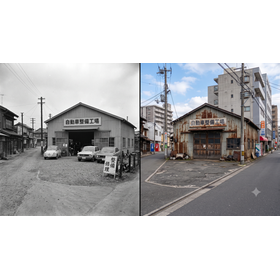
Designated Investigation Agency | Comprehensive Soil Investigation Procedure to Prevent Leakage from Aging Equipment
Soil contamination survey

A cost optimization study to manage phased sampling from phases 1 to 3 to prevent underground leakage of chemicals due to aging factory infrastructure and disasters.
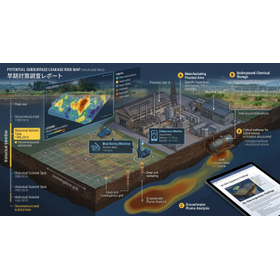
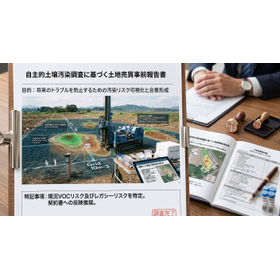
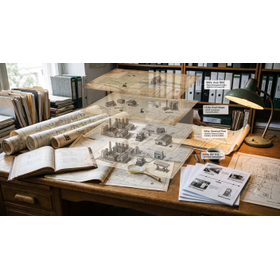
This document is a practical guide for managers of equipment maintenance, environmental safety, and chemical handling departments at factories and business sites that have been in operation for many years. It aims to detect and prevent the underground leakage of specific hazardous substances from aging pipes and pits at an early stage, thereby preventing future negative legacies and the expansion of environmental liabilities through a phased comprehensive soil investigation. The underground infiltration of liquefied chemicals due to infrastructure aging and disaster risks such as earthquakes is extremely difficult to detect visually, and if left unaddressed, it can lead to severe soil and groundwater contamination, posing a risk of incurring enormous remediation costs. This document explains the specific approach from Phase 1, which identifies potential leakage risk areas based on past equipment layouts and repair histories, to Phases 2 and 3, which involve gradually collecting on-site data. It eliminates excessive investigations that uniformly examine the site and accurately conducts "incremental sampling" at high-risk areas, thereby completely suppressing unnecessary high analysis costs and presenting know-how that achieves robust compliance governance and overwhelming optimization of investigation costs without halting operations.
Inquire About This Product
basic information
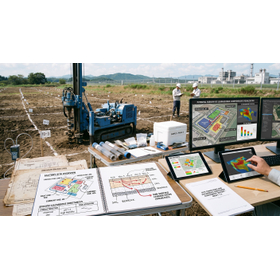
As the technical specifications for a comprehensive soil survey for the maintenance of aging equipment, we will conduct phase-based design in accordance with the factory's daily inspection standards and the Ministry of the Environment's voluntary survey guidelines. In Phase 1, the historical investigation will integrate past chemical tank layouts, the historical changes of drainage ditches, and the quantities of hazardous substances stored and used to generate a risk map. In the overview sampling specifications for Phases 2 and 3, we will promote surface sampling, focusing on the areas directly beneath pits and outdoor piping joints, and conduct official analyses registered under the measurement certification business (for the conformity assessment of volatile organic compounds, heavy metals, pesticides, etc.), creating measurement reports based on quantitative evidence.
Price information
-
Price range
P3
Delivery Time
P4
Applications/Examples of results
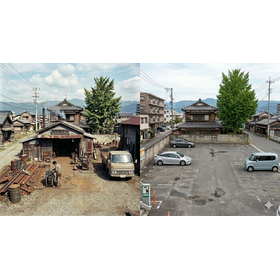
This survey method is utilized for aging infrastructure deterioration investigations in factories engaged in chemical manufacturing, metal plating, electronic components, and automotive maintenance, as well as for voluntary safety checks after disasters and environmental risk prevention inventories in environmental management systems (ISO 14001). It is suitable for practical scenarios where potential underground infiltration risks are screened in advance in confined indoor spaces, such as gaps in equipment piping and within chemical storage areas, without halting production activities or truck operations on the factory premises. It addresses preventive maintenance applications aimed at preventing the spread of contamination, minimizing remediation costs, and protecting the company's social credibility and asset value.
catalog(3)
Download All Catalogs

Company information

-