Designated Investigation Agency | Optimization of Soil Investigation Costs through Gradual Narrowing Down
Soil contamination investigation

A comprehensive soil survey that narrows down soil contamination risks through phased sampling in stages 1 to 3, achieving optimal investigation costs with reliable evidence.
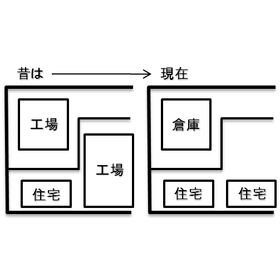
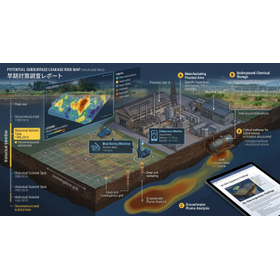
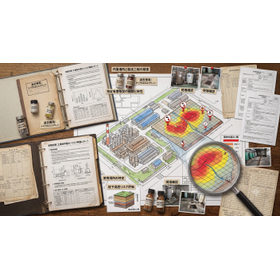
This document is a guidebook that explains specific methods to achieve optimization of overall investigation costs by progressively advancing through each step from Phase 1 to Phase 3 in comprehensive soil investigations based on the Soil Contamination Countermeasures Act. When visualizing environmental risks associated with land transactions or factory rebuilds, conducting deep excavation across the entire site from the outset creates significant cost waste. Therefore, we first conduct a desktop review of historical land use (Phase 1) to identify the usage of specific hazardous substances and areas with potential contamination. Based on the results, we implement targeted phased sampling (Phases 2 and 3) at the minimum necessary locations, ensuring reliable legal evidence while thoroughly eliminating unnecessary analysis points and labor costs. With the advanced technical expertise developed by Geotech, a Ministry of the Environment-designated investigation organization, and sampling methods that utilize specialized equipment for small sites without halting operations, along with accurate data management based on official analyses, we propose an optimal plan that preemptively mitigates hidden defect risks and environmental liabilities after handover, thereby strongly protecting the company's social credibility and asset value.
Inquire About This Product
basic information
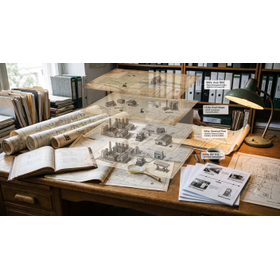
As specifications for the comprehensive soil survey, a phased approach in accordance with the Ministry of the Environment's guidelines and the Soil Contamination Countermeasures Act will be applied. In Phase 1, the historical investigation will scrutinize the history of specific hazardous substances using various materials such as old maps, aerial photographs, and registries. In Phase 2, the overview survey will divide the site into grids of 10 meters or 30 meters, and sampling of surface soil (soil gas surveys and analysis of soil leachate and content) will be conducted. In Phase 3, the detailed survey will involve drilling in the depth direction of areas that do not meet standards, accurately determining the horizontal extent and vertical depth of contamination. All analyses will be conducted using officially recognized analytical methods in accordance with the measurement certification business registration, and a highly reliable measurement certificate will be issued.
Price information
Price range
P3
Delivery Time
P4
Applications/Examples of results
This research method is utilized for voluntary investigations aimed at understanding legal obligations during the sale and purchase of land by companies, the reconstruction of factories and business sites, and the closure of specific facilities. It is also applicable for pre-assessing environmental liabilities during M&A or organizational restructuring. Additionally, it serves as optimal supporting documentation for compliance with off-site transportation standards for excavated soil and surplus soil during condominium development or land acquisition by developers, as well as for mitigating legal risks in important matter explanations. In practical scenarios where reliable soil sampling is required in restricted spaces such as narrow plots, operational factory sites, and indoor parking lots where large machinery cannot access, it supports cost reduction through phased narrowing and facilitates rapid administrative consultations and acquisition of development permits.
catalog(2)
Download All Catalogs

Company information

-

![[Case Study] Successful "Monetization" of Waste Plastics through Sensor Utilization! Japan Special Ceramics Co., Ltd.](https://image.www.ipros.com/public/product/image/245/2001484916/IPROS11668876257031716160.jpg?w=280&h=280)