
Latest acceptance standards to prevent soil disposal troubles and methods for reducing analysis costs.
Soil survey

Latest acceptance standards to prevent soil disposal troubles and methods for reducing analysis costs.
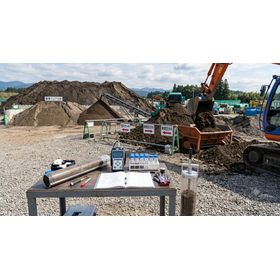
In the disposal of excavated soil generated from construction work, preliminary surveys aimed at preventing environmental pollution and avoiding work stoppages are essential. This technology provides the latest analytical methods and survey processes that significantly reduce the analysis costs of construction residual soil while accurately meeting the various regulations and acceptance standards that differ greatly by region and municipality. It covers everything from selecting acceptance sites suited to land and marine reclamation environments to responding to strict volume-based standard values and choosing the optimal construction methods according to the situation. Through Geotech's reliable survey process, it eliminates significant risks such as legal penalties and loss of social credibility associated with improper disposal, thereby fully supporting the smooth progress of projects.
Inquire About This Product
basic information
Based on the national soil environmental standards (approximately 29 items), we can conduct analyses for more than 45 items, including dioxins, oil content, and fluorine. Sampling methods are differentiated by conditions, using double shovels (surface layer), heavy machinery excavation (shallow layer), and self-propelled drilling machines (deep core). We can design surveys in accordance with various regulations, such as those in Chiba Prefecture (mixed method every 5000m3 at 5 locations) and Tokyo Port terminal (no mixing every 2500m3 or every 50m square).
Price information
Price range
P3
Delivery Time
P4
Applications/Examples of results
Development of disposal plans for excavated soil before the start of construction and civil engineering works, pre-compliance analysis based on regulations from various municipalities (Chiba, Tokyo, Saitama, etc.), approval procedures for transporting to disposal sites, and voluntary residual soil risk management associated with land transactions and construction. It is utilized for pinpoint soil sampling and screening surveys at sites where large machinery cannot easily access, such as narrow plots, operating factories, and directly beneath underground pits.
catalog(2)
Download All Catalogs![Trouble prevention through residual soil standard analysis [Designated Investigation Agency: Geotech]](https://image.www.ipros.com/public/catalog/image/321794/IPROS13341464396587631824.jpeg?w=120&h=170)

Company information

-


![Proposal for Logistics Reform and Cost Reduction [Free Comprehensive Catalog Provided]](https://image.www.ipros.com/public/product/image/5cd/2000473579/IPROS55653220554813120670.png?w=280&h=280)