406~450 item / All 685 items
Displayed results
Filter by category

Added to bookmarks
Bookmarks listBookmark has been removed
Bookmarks listYou can't add any more bookmarks
By registering as a member, you can increase the number of bookmarks you can save and organize them with labels.
Free membership registration
Contact this company
Contact Us Online406~450 item / All 685 items
Filter by category

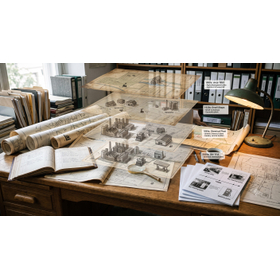
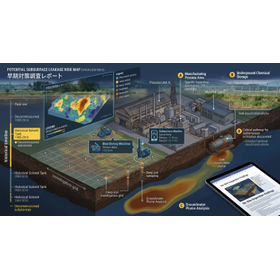
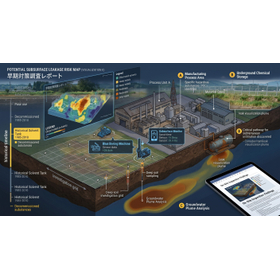
In the real estate development industry, the emergence of unexpected environmental risks in development projects can lead to delays in construction schedules and additional costs. Particularly in developments on land that has previously handled chemical substances, it is crucial to identify the risk of leakage into the ground in advance and take appropriate measures. To prevent these risks from materializing, it is necessary to understand the soil conditions from the planning stage of the development. As a designated investigation agency by the Ministry of the Environment, we provide early soil investigation strategies to clients planning factory rebuilds or large-scale facility renovations, aiming to eliminate environmental risks associated with chemical handling sectors and prevent delays in project timelines and unexpected costs. 【Usage Scenarios】 - Development of factory sites with chemical handling sectors - Development on land with unknown historical handling of hazardous substances - Risk assessment before applying for development permits 【Benefits of Implementation】 - Reduction of construction delay risks - Control of unexpected additional costs - Acceleration of administrative consultations and development permit approvals - Avoidance of future environmental risks
Added to bookmarks
Bookmarks listBookmark has been removed
Bookmarks listYou can't add any more bookmarks
By registering as a member, you can increase the number of bookmarks you can save and organize them with labels.
Free membership registration
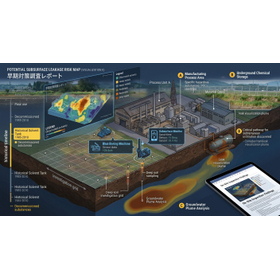
In the real estate development industry, it is important to understand the soil contamination risks of planned development sites in advance to prevent future environmental liabilities. In particular, there may be concerns about the underground infiltration of harmful substances that cannot be visually confirmed due to past land use history and influences from the surrounding environment. Ignoring these risks can lead to purification costs and litigation risks after development. Geotech's comprehensive soil investigation identifies high-risk areas in pre-development soil assessments and conducts phased sampling surveys to control excessive investigation costs and achieve efficient evaluations. 【Usage Scenarios】 - Pre-evaluation before purchasing new development land - Soil investigation before the demolition and reconstruction of existing buildings - Evaluation of land with concerns about influences from the surrounding environment 【Benefits of Implementation】 - Accurate understanding of pre-development risks - Reduction of unnecessary investigation costs and improvement of cost efficiency - Reduction of future environmental risks
Added to bookmarks
Bookmarks listBookmark has been removed
Bookmarks listYou can't add any more bookmarks
By registering as a member, you can increase the number of bookmarks you can save and organize them with labels.
Free membership registration
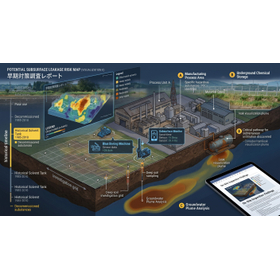
In the management of factory sites in the manufacturing industry, it is necessary to address the risks of aging equipment that has been in operation for many years and the risk of underground leakage of chemicals due to disaster risks. In particular, underground infiltration, which is difficult to detect visually, can expand into severe soil and groundwater contamination, posing the risk of incurring enormous purification costs. Our comprehensive soil survey is a practical guide to early detection and prevention of these risks, aimed at preventing the expansion of future environmental liabilities. From Phase 1 surveys that identify potential leakage risk areas based on past equipment layouts and repair histories, to Phases 2 and 3 that gradually collect on-site data, we accurately conduct "incremental sampling" at high-risk locations, thereby controlling unnecessary high analysis costs and achieving compliance governance while optimizing investigation costs without halting operations. 【Usage Scenarios】 - Assessment of the risk of hazardous substance leakage from aging pipes and pits - Understanding the risk of underground infiltration due to disaster risks such as earthquakes - Early detection of soil and groundwater contamination within factory premises - Conducting surveys in accordance with the Ministry of the Environment's self-investigation guidelines 【Benefits of Implementation】 - Prevention of the expansion of future environmental liabilities - Control of enormous purification costs - Conducting surveys with minimal impact on operations - Optimization of investigation costs
Added to bookmarks
Bookmarks listBookmark has been removed
Bookmarks listYou can't add any more bookmarks
By registering as a member, you can increase the number of bookmarks you can save and organize them with labels.
Free membership registration
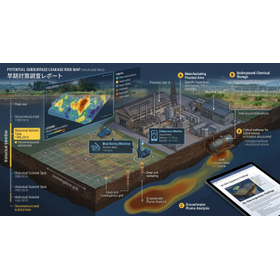
In the chemical plant industry, there is a need to address the risks of aging equipment that has been in operation for many years and the potential for underground leakage of chemicals due to disasters. In particular, leaks from tanks and piping are difficult to detect visually, and if left unaddressed, they can lead to serious soil and groundwater contamination, resulting in enormous cleanup costs. Early detection and preventive measures are essential to prevent the expansion of future environmental liabilities. Geotech's comprehensive soil investigation provides accurate measures through a phased approach to tackle these challenges. 【Usage Scenarios】 - Maintenance of equipment in long-operating plants - Environmental safety measures in preparation for disaster risks such as earthquakes - Risk management in the storage and handling of chemicals - Leak detection from aging piping and pits 【Benefits of Implementation】 - Prevents the expansion of future environmental liabilities - Reduces the risk of incurring enormous cleanup costs - Allows investigations to be conducted without halting operations - Controls unnecessary high analysis costs - Achieves robust compliance governance
Added to bookmarks
Bookmarks listBookmark has been removed
Bookmarks listYou can't add any more bookmarks
By registering as a member, you can increase the number of bookmarks you can save and organize them with labels.
Free membership registration
In the chemical industry, proper management of hazardous substances in manufacturing processes and accurate understanding of situations in the event of contamination are required. Particularly, identifying the presence and extent of soil contamination is extremely important for compliance with environmental regulations, business continuity planning, and minimizing impacts on local communities. Inadequate investigations carry the risk of additional costs due to oversights and unnecessary expenses from excessive measures. Geotech's comprehensive environmental surveys provide high-precision solutions based on reliable analytical techniques as a designated investigation agency, obtaining objective data that meets scientific standards and leading to accurate determination of contamination ranges. This supports environmental risk management in the chemical industry. [Usage Scenarios] - Soil contamination surveys within factory premises - Risk assessments based on past operational history - Identification of the spread of hazardous substances - Soil surveys in environmental assessments - Confirmation of soil contamination status during business succession [Effects of Implementation] - Optimization of countermeasure volumes through accurate understanding of contamination ranges - Acquisition of highly reliable data through rigorous sampling in accordance with measurement laws - Efficient planning of countermeasures through three-dimensional determination of contamination ranges - Ensured compliance with regulations - Contribution to stabilization of business plans and cost reduction
Added to bookmarks
Bookmarks listBookmark has been removed
Bookmarks listYou can't add any more bookmarks
By registering as a member, you can increase the number of bookmarks you can save and organize them with labels.
Free membership registration
In the manufacturing industry, proper management of emissions associated with business activities is crucial for compliance with environmental regulations and maintaining good relationships with the local community. In particular, accurately understanding the presence and extent of soil contamination resulting from past business activities is essential for avoiding future risks and implementing appropriate measures. Inadequate investigations can lead to additional costs due to oversights or unnecessary expenses from excessive measures. Geotech's comprehensive environmental surveys utilize expertise as a designated investigation agency, advanced sampling techniques, and soil gas analysis to support the accurate determination of contamination extent based on objective and scientific evidence. This enables compliance with emissions management and cost optimization. [Usage Scenarios] - Soil contamination risk assessment within factory premises - Environmental surveys prior to the construction of new facilities - Acquisition of baseline data for developing emissions management plans - Identification of potential contamination sites based on past operational history [Effects of Implementation] - Reduction of excessive mitigation costs through accurate understanding of contamination extent - Acquisition of highly reliable data through rigorous sampling in accordance with measurement laws - Efficient planning of mitigation measures through three-dimensional determination of contamination extent
Added to bookmarks
Bookmarks listBookmark has been removed
Bookmarks listYou can't add any more bookmarks
By registering as a member, you can increase the number of bookmarks you can save and organize them with labels.
Free membership registration
In the real estate industry, accurate assessment of environmental risks is required regarding land asset value and future usage plans. In particular, the history of past usage and the presence of soil contamination are critical factors in the acquisition, development, and sale of properties. Uncertain information or insufficient investigations can lead to unexpected additional costs and delays in responding to regulations, potentially impacting business plans. GeoTech's comprehensive environmental surveys utilize expertise as a designated investigation agency and advanced sampling techniques to provide objective and scientifically-based data, clearly assessing environmental risks in real estate transactions. 【Usage Scenarios】 - Environmental risk assessment before land purchase - Confirmation of soil contamination in development plans - Environmental compliance certification at the time of property sale - Site investigation of existing buildings 【Benefits of Implementation】 - Appropriate pricing and negotiation through accurate understanding of environmental risks - Confirmation of regulatory compliance and reduction of future risks - Facilitation of smooth real estate transactions - Increased certainty in business planning
Added to bookmarks
Bookmarks listBookmark has been removed
Bookmarks listYou can't add any more bookmarks
By registering as a member, you can increase the number of bookmarks you can save and organize them with labels.
Free membership registration
In the construction industry, inappropriate sampling and ambiguous measurements in soil contamination measures can lead to overlooked contamination and excessive remediation costs. This can result in risks of project delays and increased costs. Our comprehensive environmental survey, based on analytical techniques as a designated investigation agency, acquires objective data that meets scientific standards and supports accurate determination of contamination extent. In Phase 1, we identify risks through a historical usage survey, and in Phase 2, we quantify subsurface conditions with high-precision soil gas analysis and sampling compliant with measurement laws. When standards are exceeded, we confirm the three-dimensional extent of contamination through depth-specific sampling via detailed boring, optimizing the volume of remediation soil to balance budget management and compliance adherence. 【Usage Scenarios】 - Site investigation before new construction or renovation - Confirmation of contamination due to past business activities - Understanding soil conditions around buried objects - Accurate data acquisition for regulatory compliance 【Benefits of Implementation】 - Risk reduction through reliable identification of contamination - Control of excessive remediation costs - Smooth progress of project plans - Assurance of compliance adherence
Added to bookmarks
Bookmarks listBookmark has been removed
Bookmarks listYou can't add any more bookmarks
By registering as a member, you can increase the number of bookmarks you can save and organize them with labels.
Free membership registration
In conducting loan assessments, understanding the potential environmental risks associated with the land of the target company is crucial for mitigating future default risks. In particular, legacy risks such as the underground infiltration of chemicals from past operations can lead to expanded contamination if discovered late, potentially affecting the company's asset value and creditworthiness. Our comprehensive soil investigation begins with a Phase 1 document review and narrows down sampling locations based on historical evidence through "tiered sampling," which helps minimize unnecessary costs while providing an environmental risk assessment based on objective legal evidence. This supports improved accuracy in risk evaluation during loan assessments. 【Use Cases】 - Assessment of soil contamination risks on the premises of loan target companies - Identification of environmental risk factors in asset value evaluations - Confirmation of environmental compliance in due diligence 【Benefits of Implementation】 - Objective evaluation of environmental risks in loan assessments - Reduction of potential future losses due to environmental risks - Support for more reliable lending decisions
Added to bookmarks
Bookmarks listBookmark has been removed
Bookmarks listYou can't add any more bookmarks
By registering as a member, you can increase the number of bookmarks you can save and organize them with labels.
Free membership registration
In manufacturing industrial sites, potential environmental risks such as the underground infiltration of chemicals associated with operations may impact future corporate brand value and social credibility. It is important to identify these risks early and to robustly protect corporate compliance and social trust. Our comprehensive soil investigation supports companies aiming to enhance ESG management and corporate governance. By progressing in phases—from Phase 1, which scrutinizes past handling history, to Phase 2 and 3, which collect on-site data—we eliminate unnecessary uniform investigations across the entire site, achieving both cost-effectiveness and cost optimization. The objective legal evidence provided by Geotech, a Ministry of the Environment-designated investigation agency, supports the establishment of a safe management foundation and sustainable corporate value. [Usage Scenarios] - Environmental risk assessment during the purchase or sale of industrial land - Identification of potential soil contamination within existing factory sites - Environmental due diligence aimed at ESG investment and enhancing corporate value - Strengthening compliance and risk management [Benefits of Implementation] - Early detection of environmental risks and planning of countermeasures - Reduction of unnecessary investigation and countermeasure costs - Maintenance and enhancement of corporate social credibility and brand value - Establishment of a sustainable corporate management foundation
Added to bookmarks
Bookmarks listBookmark has been removed
Bookmarks listYou can't add any more bookmarks
By registering as a member, you can increase the number of bookmarks you can save and organize them with labels.
Free membership registration
In the real estate development industry, it is essential to understand the potential environmental risks of the development site and to prevent future declines in asset value. In particular, soil contamination resulting from past usage can lead to unexpected cost increases and project delays, potentially affecting the reliability and market value of the property. Early identification and appropriate response to these risks are crucial for sustainable business development. Geotech's comprehensive soil investigation efficiently and economically assesses environmental risks through phased sampling, supporting the preservation of asset value. 【Usage Scenarios】 - Pre-purchase evaluation of new development sites - Due diligence for existing properties - Early identification of environmental risks in development plans - Ensuring reliability from the local community 【Benefits of Implementation】 - Mitigation of unexpected additional costs - Stabilization of the development schedule - Maintenance and enhancement of property asset value - Increased reliability through compliance adherence
Added to bookmarks
Bookmarks listBookmark has been removed
Bookmarks listYou can't add any more bookmarks
By registering as a member, you can increase the number of bookmarks you can save and organize them with labels.
Free membership registration
In the infrastructure development industry and related facilities, ensuring the safety and sustainability of structures over the long term is essential. In particular, the impact of underground installations and the surrounding environment is a critical issue directly linked to the long-term durability of infrastructure. If potential soil contamination risks are left unaddressed, it may lead to increased future remediation costs and a decline in infrastructure functionality. Our company provides comprehensive soil investigations as a Ministry of the Environment-designated investigation agency to protect corporate compliance and social credibility. Through phased sampling, from Phase 1, which scrutinizes past handling history, to Phase 2 and 3, which collect field data, we support the reliable identification of environmental risks while minimizing unnecessary costs. [Usage Scenarios] - Site investigations before new infrastructure construction - Environmental risk assessments around existing infrastructure - Development of long-term maintenance management plans [Benefits of Implementation] - Early detection of risks to ensure the long-term durability of infrastructure - Mitigation of cost increases due to future environmental risks - Strengthening of business compliance and maintenance of social credibility
Added to bookmarks
Bookmarks listBookmark has been removed
Bookmarks listYou can't add any more bookmarks
By registering as a member, you can increase the number of bookmarks you can save and organize them with labels.
Free membership registration
In the construction industry, accurate assessment of ground risks in the early stages of a project is essential for preventing future troubles and managing costs. In particular, the history of land use and the presence of potential contamination are critical factors that influence the safety of construction work and its impact on the surrounding environment. If these risks are not identified and addressed appropriately in advance, unexpected additional work or environmental mitigation costs may arise, potentially leading to overall project delays and a decline in the company's image. Geotech's comprehensive soil investigation provides effective risk management through a phased approach to address these unique challenges in the construction industry. 【Usage Scenarios】 - Environmental risk assessment of land for new construction projects - Soil contamination risk investigation before renovation or expansion of existing facilities - Land history investigation for compliance purposes - Soil investigation in environmental assessments 【Benefits of Implementation】 - Early detection of potential environmental risks and low-cost inventorying - Improved cost-effectiveness through phased sampling - Maintenance and enhancement of corporate social credibility and brand value - Establishment of a safe business foundation and enhancement of sustainable corporate value
Added to bookmarks
Bookmarks listBookmark has been removed
Bookmarks listYou can't add any more bookmarks
By registering as a member, you can increase the number of bookmarks you can save and organize them with labels.
Free membership registration
In real estate transactions, understanding the potential soil contamination risks of the target site is crucial for ensuring the safety of the transaction and avoiding future risks. Accurately grasping the historical usage and underground contamination status is essential to prevent unexpected environmental liabilities and maintain corporate credibility. Our voluntary comprehensive investigation is an environmental risk management service that goes beyond legal obligations to strongly protect a company's social trust. 【Usage Scenarios】 - Due diligence during real estate sales and purchases - Preliminary surveys for development sites - Environmental risk assessments of existing properties 【Benefits of Implementation】 - Reduction of potential risks in transactions - Maintenance and enhancement of corporate value - Strengthening of compliance adherence
Added to bookmarks
Bookmarks listBookmark has been removed
Bookmarks listYou can't add any more bookmarks
By registering as a member, you can increase the number of bookmarks you can save and organize them with labels.
Free membership registration
In the supplier assessment for the manufacturing industry, confirming the environmental risk management system of business partners is emphasized. In particular, the presence or absence of soil contamination caused by past business activities is directly linked to future environmental liabilities and reputational risks, necessitating careful evaluation. Properly managing the potential soil contamination risks beneath company-owned land is a crucial mission that forms the foundation of corporate governance. This comprehensive investigation goes beyond legal obligations and serves as a voluntary environmental risk management practice to robustly protect a company's social credibility. A rigorous report from a designated investigation agency is helpful in evaluating the reliability of suppliers. 【Usage Scenarios】 - Environmental risk assessment when selecting new suppliers - Verification of compliance status of existing suppliers - Environmental risk assessment in ESG procurement standards 【Benefits of Implementation】 - Objective evaluation of suppliers' environmental risks - Reduction of potential environmental liability risks - Strengthening of the overall compliance system of the company
Added to bookmarks
Bookmarks listBookmark has been removed
Bookmarks listYou can't add any more bookmarks
By registering as a member, you can increase the number of bookmarks you can save and organize them with labels.
Free membership registration
金融機関が企業を評価する上で、保有地の潜在的な土壌汚染リスクは、将来的な環境債務や事業継続性に関わる重要な要素となります。これらのリスクを適切に把握することは、的確な信用評価とリスク管理に不可欠です。当社の自主総合調査は、法的な義務を超え、企業の社会的信用を維持・向上させるための環境リスク管理サービスとして、金融機関の評価業務を支援します。フェイズ1の利用履歴調査では、登記簿や行政図面だけでなく、過去の操業実績や施設配置の変更履歴までを専門者が精査し、隠れたリスク区画を抽出します。続くフェイズ2の概況調査では、操業中の稼働に支障を与えない方法で高精度な土壌ガス分析を実施し、地中の安全性を科学的に定量化します。汚染が検知された場合は、フェイズ3の詳細ボーリングにより正確な汚染範囲を確定し、将来の環境債務を適正に評価します。指定調査機関としての厳格な報告書は、企業の信頼性を客観的に示す資料となります。 【活用シーン】 ・融資審査における担保物件の環境リスク評価 ・投資判断におけるデューデリジェンス ・M&Aにおける対象企業の環境リスク評価 ・ポートフォリオ管理における環境リスクの把握
Added to bookmarks
Bookmarks listBookmark has been removed
Bookmarks listYou can't add any more bookmarks
By registering as a member, you can increase the number of bookmarks you can save and organize them with labels.
Free membership registration
In the chemical industry, managing potential environmental risks associated with business activities is of great importance. In particular, the possibility of soil contamination due to past land use history and operational conditions carries risks that can lead to unexpected liabilities and troubles in business continuity and real estate transactions. It is essential to identify these risks in advance and implement appropriate measures to maintain the stability and reliability of the business. Our "Designated Investigation Agency | Soil Contamination Investigation and Phase 1 Historical Investigation by Designated Investigation Agency" serves as a designated investigation agency by the Ministry of the Environment, providing a reliable Phase 1 historical investigation to assess and evaluate the presence of soil contamination risks faced by those in the chemical industry. [Usage Scenarios] - When purchasing or selling factory land - Environmental risk assessment during business succession - Site investigation before introducing new equipment - Regular risk assessments for compliance purposes [Benefits of Implementation] - Reduction of future cost risks due to soil contamination - Prevention of troubles in real estate transactions - Clarification of environmental risks in business continuity planning (BCP) - Fulfillment of accountability to stakeholders
Added to bookmarks
Bookmarks listBookmark has been removed
Bookmarks listYou can't add any more bookmarks
By registering as a member, you can increase the number of bookmarks you can save and organize them with labels.
Free membership registration
In the real estate industry, it is essential to understand the presence or absence of potential soil contamination risks in advance when evaluating asset values in real estate transactions. In particular, soil contamination resulting from past land use can lead to troubles or unexpected costs after the sale. To prevent these risks and proceed with transactions confidently, objective and reliable investigations are crucial. Our designated investigation agency's historical land use survey (Phase 1) addresses these issues and enhances the safety of transactions. 【Usage Scenarios】 - Before signing land sale contracts - Before property handover - Risk assessment during asset value evaluation 【Benefits of Implementation】 - Prevention of troubles through prior understanding of soil contamination risks - Increased transparency and reliability of transactions - Improved accuracy of asset value evaluations
Added to bookmarks
Bookmarks listBookmark has been removed
Bookmarks listYou can't add any more bookmarks
By registering as a member, you can increase the number of bookmarks you can save and organize them with labels.
Free membership registration
In the continuation of manufacturing operations, understanding the risks of soil contamination due to past land use is crucial. Particularly, if unexpected soil contamination is discovered during operations, it can lead to production stoppages and high remediation costs, significantly impacting business continuity. Therefore, it is essential to assess potential soil contamination risks in advance when acquiring business land or managing existing sites and to implement countermeasures. Our designated investigation agency's historical investigation (Phase 1) helps prevent these risks and supports stable operations. 【Usage Scenarios】 - When acquiring or selling factory land - Management of existing factory sites - Risk assessment during business succession - Compliance with environmental regulations 【Benefits of Implementation】 - Reduction of operational stoppage risks due to soil contamination - Avoidance of unexpected environmental liability risks - Prevention of troubles in real estate transactions - Strengthening of business continuity plans (BCP)
Added to bookmarks
Bookmarks listBookmark has been removed
Bookmarks listYou can't add any more bookmarks
By registering as a member, you can increase the number of bookmarks you can save and organize them with labels.
Free membership registration
In manufacturing plant relocation plans, it is essential to accurately assess the environmental risks of the new site and avoid future environmental liabilities. In particular, the possibility of soil contamination may be a concern due to past operational history and the surrounding environment. Conducting extensive and in-depth investigations from the initial stages may lead to unnecessary cost increases. Geotech's comprehensive soil investigation progresses in phases from Phase 1 to Phase 3, effectively narrowing down contamination risks while securing reliable evidence and optimizing investigation costs. 【Usage Scenarios】 - Acquisition of new land for factory relocation - Reconstruction or expansion of existing factories - Compliance with environmental regulations - Reduction of hidden environmental risks 【Benefits of Implementation】 - Control of excessive investigation costs - Acquisition of reliable legal evidence - Maintenance of corporate social credibility and asset value
Added to bookmarks
Bookmarks listBookmark has been removed
Bookmarks listYou can't add any more bookmarks
By registering as a member, you can increase the number of bookmarks you can save and organize them with labels.
Free membership registration
In selecting factory sites for the manufacturing industry, understanding the past usage of the land and potential soil contamination risks is crucial from the perspective of business continuity and compliance with environmental regulations. In particular, the impact of past industrial activities and the possibility of contamination from the surrounding environment pose risks that could lead to unexpected troubles or additional costs after the business begins. Evaluating these risks before signing contracts and implementing appropriate measures forms the foundation for safe and efficient factory operations. GeoTech's historical land investigation, as a designated research organization, analyzes the past usage history of the land, public documents, and map information from multiple angles to objectively assess its suitability as a factory site. This helps to supplement the explanation of important matters and reduce risks after the business starts. 【Usage Scenarios】 - Selection of new factory construction sites - Evaluation of land for the expansion of existing factories - Risk assessment of target land in M&A - Confirmation of environmental compliance 【Benefits of Implementation】 - Early detection of potential soil contamination risks at factory sites - Avoidance of unexpected troubles or additional costs after contracts are signed - Increased certainty in business planning - Support for compliance with environmental regulations
Added to bookmarks
Bookmarks listBookmark has been removed
Bookmarks listYou can't add any more bookmarks
By registering as a member, you can increase the number of bookmarks you can save and organize them with labels.
Free membership registration
In the continuation of manufacturing operations, the safety of the business site is extremely important. Soil contamination caused by past operations or the surrounding environment can lead to unexpected cost increases and the risk of operational suspension. Particularly during the buying and selling or transfer of land, there are concerns that potential contamination risks could lead to liability for contractual nonconformity or damage compensation issues. Geotech Co., Ltd., as a Ministry of the Environment designated investigation agency, consistently addresses soil contamination risks caused by chlorinated organic solvents such as tetrachloroethylene and pesticides, seen in cleaning stores and former factory sites, from historical investigations to detailed surveys, providing objective and highly reliable evidence. This helps protect the asset value of business sites and establishes a foundation for continuing operations with peace of mind. 【Usage Scenarios】 - When purchasing or selling business sites - Risk assessment during factory relocation or expansion - Environmental risk management of existing business sites - Soil surveys before demolition or redevelopment 【Benefits of Implementation】 - Reduction of liability for contractual nonconformity and damage compensation risks - Avoidance of unexpected additional costs - Strengthening of business continuity plans (BCP) - Maintenance and enhancement of real estate asset value - Proper information disclosure to authorities
Added to bookmarks
Bookmarks listBookmark has been removed
Bookmarks listYou can't add any more bookmarks
By registering as a member, you can increase the number of bookmarks you can save and organize them with labels.
Free membership registration
In the abandoned sites of manufacturing factories, there may be potential risks of soil contamination associated with past operations. Particularly, if chemicals were used or waste was processed, there is a risk of leakage into the ground from organic solvents such as trichloroethylene and heavy metals. If these contaminations are discovered after the transfer of ownership, it could lead to significant losses and disputes, including costs for remediation, compensation issues, and delays in business plans. Therefore, conducting voluntary soil contamination surveys before contracts is crucial in the buying and selling or M&A of factory sites. 【Usage Scenarios】 - Buying and selling or M&A of factory sites - Redevelopment projects - Effective land utilization - Assessment of environmental liability risks 【Benefits of Implementation】 - Early detection of hidden defects and environmental liability risks - Risk assessment and reflection in price negotiations before contracts - Smooth transactions - Reduction of future disputes and compensation risks
Added to bookmarks
Bookmarks listBookmark has been removed
Bookmarks listYou can't add any more bookmarks
By registering as a member, you can increase the number of bookmarks you can save and organize them with labels.
Free membership registration
In the evaluation of collateral value for loans by financial institutions, understanding the environmental risks associated with the target real estate is crucial. In particular, the potential for soil contamination related to land transactions and development can pose hidden risks that affect collateral value. Conducting extensive and in-depth investigations from the initial stages may lead to unnecessary cost increases. Our comprehensive soil investigation employs a phased approach from Phase 1 to Phase 3, efficiently narrowing down soil contamination risks and optimizing investigation costs based on reliable evidence. This enables the acquisition of accurate information necessary for lending decisions in a cost-effective manner. 【Usage Scenarios】 - Evaluation of collateral value for loan-targeted real estate - Pre-verification of environmental risks in real estate transactions - Environmental due diligence in development projects 【Benefits of Implementation】 - Improved accuracy in collateral value assessment - Reduction of unnecessary investigation costs - Early detection and response to environmental risks - Assurance of reliability in lending decisions
Added to bookmarks
Bookmarks listBookmark has been removed
Bookmarks listYou can't add any more bookmarks
By registering as a member, you can increase the number of bookmarks you can save and organize them with labels.
Free membership registration
In real estate development, it is essential to accurately understand the environmental risks of the land and implement appropriate measures in order to obtain development permits. In particular, evaluating the potential for contamination from past usage and surrounding environments in advance, and establishing a streamlined investigation plan, is crucial for overall project cost management. Insufficient investigations can lead to unexpected cost increases due to additional surveys or remedial work later on, as well as risks of development delays. GeoTech's comprehensive soil investigation, based on its track record as a Ministry of the Environment-designated survey organization, ensures reliable evidence while optimizing investigation costs by progressing in phases from Phase 1 to Phase 3. 【Usage Scenarios】 - Environmental risk assessment before land transactions - Development of former factory sites and old town areas - Understanding soil contamination status for development permit applications - Investigations on small plots or operational sites 【Benefits of Implementation】 - Reduction of excessive investigation costs and cost optimization - Acquisition of reliable legal evidence - Reduction of hidden defect risks and environmental liabilities - Maintenance of corporate social credibility and asset value
Added to bookmarks
Bookmarks listBookmark has been removed
Bookmarks listYou can't add any more bookmarks
By registering as a member, you can increase the number of bookmarks you can save and organize them with labels.
Free membership registration
In the construction industry, it is essential to accurately assess the presence of soil contamination to ensure land safety and avoid future risks. Particularly in new construction and large-scale renovations, hidden environmental risks can lead to project delays and additional costs. Excessive investigations in the early stages can increase cost burdens, so an efficient and reliable approach is crucial. Geotech's comprehensive soil investigation optimizes investigation costs while narrowing down the potential for contamination through phased investigations from Phase 1 to Phase 3, ensuring reliable evidence. 【Usage Scenarios】 - Before purchasing land for new construction - Before rebuilding or renovating factories and facilities - Evaluating environmental risks in land transactions - Environmental surveys around existing facilities 【Benefits of Implementation】 - Reduction of unnecessary analysis points and labor costs - Acquisition of reliable legal evidence - Reduction of hidden defect risks after handover - Maintenance of corporate social credibility and asset value
Added to bookmarks
Bookmarks listBookmark has been removed
Bookmarks listYou can't add any more bookmarks
By registering as a member, you can increase the number of bookmarks you can save and organize them with labels.
Free membership registration
In the construction industry, safe and reliable execution is required. In particular, potential risks such as soil contamination and buried objects resulting from the land's past usage history can lead to unexpected accidents, delays in construction schedules, and additional costs. Understanding these risks in advance and reflecting them in the construction plan is essential for the success of the project and the safety of stakeholders. Geotech's historical land surveys support risk assessment before construction by analyzing the land's past usage history and public documents from multiple angles, visualizing potential underground risks. This contributes to the development of safe construction plans and the prevention of issues after handover. 【Usage Scenarios】 - Preliminary surveys for new construction sites - Investigations before the demolition and reconstruction of existing buildings - Risk assessment in land development projects - Confirmation of the presence of underground buried objects 【Benefits of Implementation】 - Reduction of unexpected troubles during construction - Mitigation of construction schedule delay risks - Suppression of additional cost occurrences - Assurance of a safe construction environment - Improvement of overall project reliability
Added to bookmarks
Bookmarks listBookmark has been removed
Bookmarks listYou can't add any more bookmarks
By registering as a member, you can increase the number of bookmarks you can save and organize them with labels.
Free membership registration
In financial institutions, accurately assessing the collateral value of real estate that is the subject of loans is crucial from a risk management perspective. In particular, "hidden defects" such as soil contamination resulting from the past use of land are often overlooked in superficial investigations, and if these issues are discovered, they can lead to a decrease in collateral value and the emergence of future remediation costs. It is essential to identify these risks in advance and conduct more precise collateral evaluations. GeoTech's historical land surveys, as a designated research institution, contribute to improving the accuracy of collateral evaluations by analyzing the past usage history of land and public documents from multiple angles, thereby visualizing potential underground risks. 【Usage Scenarios】 - Preliminary investigation of collateral properties in loan examinations - Identification of risk factors during real estate collateral evaluations - Reduction of the risk of non-performing loans 【Benefits of Implementation】 - Improvement of objectivity and reliability in collateral evaluations - Reduction of risks after loan execution - Stabilization of the real estate collateral portfolio
Added to bookmarks
Bookmarks listBookmark has been removed
Bookmarks listYou can't add any more bookmarks
By registering as a member, you can increase the number of bookmarks you can save and organize them with labels.
Free membership registration
In real estate development, understanding potential risks based on the historical usage of the development site and public documents is essential for the success of the project. In particular, "hidden defects" such as soil contamination can lead to unexpected troubles and additional costs after development, potentially affecting the overall timeline and profitability of the project. Identifying these risks in advance and implementing appropriate measures is crucial for managing the legal and financial risks of the developer and ensuring smooth project execution. GeoTech's historical investigation services, as a designated research organization, visualize the potential risks of the land based on objective data and support decision-making in the early stages of development planning. 【Usage Scenarios】 - Before acquiring new development land - Demolition and redevelopment projects of existing buildings - Risk assessment in large-scale developments - Compliance with environmental regulations 【Benefits of Implementation】 - Early detection and reduction of development risks - Mitigation of unexpected additional costs - Improved accuracy of project planning - Assurance of reliability among stakeholders
Added to bookmarks
Bookmarks listBookmark has been removed
Bookmarks listYou can't add any more bookmarks
By registering as a member, you can increase the number of bookmarks you can save and organize them with labels.
Free membership registration
In the construction industry, particularly in foundation design, safety and environmental considerations are essential. Proper disposal of construction waste generated during the excavation process is a critical issue directly linked to project profitability and adherence to timelines. Improper disposal not only increases the risk of environmental pollution but can also lead to delays and additional costs due to violations of regulations. Our company, as a designated investigation agency under the Soil Contamination Countermeasures Act, provides high-precision official analysis and sampling services to meet the stringent residual soil regulations and individual acceptance criteria of disposal sites nationwide. Even within tight schedules before construction begins, we clarify the procedures for pre-specification confirmation that clients and construction managers need to know, ensuring comprehensive sampling according to excavation depth. We deliver optimal residual soil disposal solutions that guarantee construction will not be halted. 【Usage Scenarios】 - Disposal of excavated soil during the excavation process at construction sites - Compliance with local government residual soil regulations - Adherence to unique acceptance criteria of disposal sites - Addressing the requirement of "no reuse of existing data" in public works 【Benefits of Implementation】 - Reduction of acceptance refusal issues related to soil disposal - Improvement in project profitability and adherence to timelines - Rapid preparation of evidence documents for submission to authorities and disposal sites
Added to bookmarks
Bookmarks listBookmark has been removed
Bookmarks listYou can't add any more bookmarks
By registering as a member, you can increase the number of bookmarks you can save and organize them with labels.
Free membership registration
In the civil engineering and construction industry, the proper disposal of construction-generated soil that occurs during the excavation process is a critical issue directly linked to project profit margins and adherence to schedules. In particular, high-precision analysis and sampling are required to meet residual soil regulations and the specific acceptance criteria of disposal sites. Ensuring comprehensive all-layer sampling according to excavation depth and covering additional analysis items unique to disposal sites is essential to avoid acceptance rejection issues. 【Usage Scenarios】 - Disposal of residual soil in the excavation process of construction work - Compliance with local government residual soil regulations (such as in Chiba Prefecture) - Meeting the unique acceptance criteria of disposal sites - Addressing the principle of "no reuse of existing data" in public works 【Benefits of Implementation】 - Elimination of troubles related to residual soil disposal - Improvement of project profit margins and adherence to schedules - Rapid preparation of evidence documents for submission to authorities and disposal sites - Reduction of risks associated with work interruptions
Added to bookmarks
Bookmarks listBookmark has been removed
Bookmarks listYou can't add any more bookmarks
By registering as a member, you can increase the number of bookmarks you can save and organize them with labels.
Free membership registration
When financial institutions conduct loan assessments, the valuation of real estate serving as collateral is extremely important. Particularly in the case of cleaning stores or former factory sites, there are hidden risks of soil contamination, such as tetrachloroethylene, stemming from past operations. If these risks are discovered, it could lead to a decrease in the asset value of the real estate and unexpected remediation costs. These risks can affect the recoverability of loans, necessitating careful evaluation. Our comprehensive soil contamination investigation service, designated by the Ministry of the Environment, clarifies the specific contamination risks associated with the cleaning industry and provides objective materials for loan assessments. This enables financial institutions to appropriately evaluate risks and confidently execute loans. [Usage Scenarios] - Valuation of collateral real estate during loan assessments - Risk management in real estate-backed loans - Reduction of non-performing loan risks [Effects of Implementation] - Accurate asset value assessment of collateral real estate - Reduction of risks in loan execution - Avoidance of liability for contractual nonconformity and damage compensation risks
Added to bookmarks
Bookmarks listBookmark has been removed
Bookmarks listYou can't add any more bookmarks
By registering as a member, you can increase the number of bookmarks you can save and organize them with labels.
Free membership registration
When financial institutions evaluate real estate as collateral for loans, the presence or absence of future environmental liability risks becomes an important factor in their decision-making. In maintenance factories, there is a possibility of soil contamination from organic solvents such as trichloroethylene, as well as specific hazardous substances like lead and hexavalent chromium, due to past business activities. If such contamination is discovered later, it could lead to a decrease in the value of the property and, in some cases, removal costs, posing a risk that affects the collateral value. Therefore, objectively understanding soil contamination risks before executing loans is essential for financial institutions. Our soil contamination surveys, as a designated investigation agency, clarify risks before contracts and support safe lending decisions. 【Usage Scenarios】 - Evaluation of collateral properties before loan execution - Risk management in real estate collateral loans - Due diligence in M&A 【Benefits of Implementation】 - Understanding hidden environmental risks of collateral properties - Providing objective grounds for lending decisions - Reducing future environmental liability risks
Added to bookmarks
Bookmarks listBookmark has been removed
Bookmarks listYou can't add any more bookmarks
By registering as a member, you can increase the number of bookmarks you can save and organize them with labels.
Free membership registration
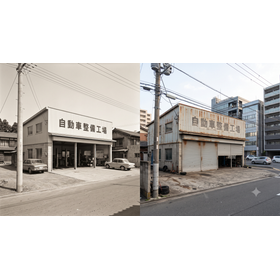
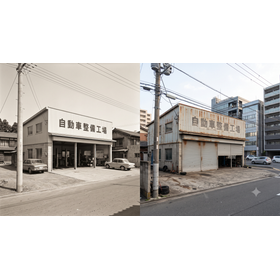
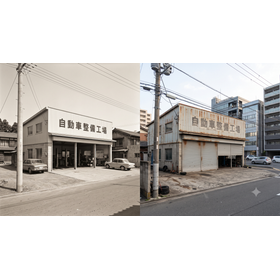
In utilizing the site of a former automobile maintenance factory, the presence or absence of soil contamination resulting from past business activities becomes a significant issue in land transactions and redevelopment. There is a possibility that harmful substances, such as organic solvents used for cleaning and degreasing or those originating from plating processes, have permeated the ground. If these are discovered, there is a risk of incurring substantial costs and legal disputes. Therefore, to facilitate the smooth progression of site utilization, it is essential to conduct an objective soil contamination survey before entering into contracts to identify potential risks in advance. Our company supports safe and smooth land transactions for our clients as a designated investigation agency recognized by the government. 【Utilization Scenes】 - Sale and purchase of former automobile maintenance factory sites - Due diligence in M&A - Initial stages of redevelopment projects - Effective land utilization planning 【Benefits of Implementation】 - Avoidance of unexpected costs through risk identification before contracts - Realization of smooth land transactions - Increased reliability in planning site utilization - Reduction of environmental liability risks
Added to bookmarks
Bookmarks listBookmark has been removed
Bookmarks listYou can't add any more bookmarks
By registering as a member, you can increase the number of bookmarks you can save and organize them with labels.
Free membership registration
As demolition professionals proceed with land clearing, particularly on former automobile maintenance factory sites, there may be a latent risk of soil contamination due to past usage. There is a possibility that organic solvents used for cleaning and degreasing, or lead and hexavalent chromium from putty polishing and anti-corrosion plating, have leaked into the ground. If such contamination is discovered during the demolition work, additional investigations and remedial measures may be required, leading to the risk of delays and unexpected costs. Therefore, it is crucial to objectively ascertain the presence of soil contamination before commencing demolition work to ensure safe and timely land clearing. Our soil contamination surveys, as a designated investigation agency, provide consistent support from historical investigations to detailed surveys, offering reliable evidence to facilitate smooth demolition work. 【Usage Scenarios】 - Before demolition work on former automobile maintenance factory sites - When considering land sale or redevelopment after land clearing - When wanting to understand potential environmental liability risks in advance 【Benefits of Implementation】 - Reduction of the risk of unexpected contamination discovery during demolition work - Control of delays and additional costs - Achievement of safe and planned land clearing - Prevention of troubles in land transactions
Added to bookmarks
Bookmarks listBookmark has been removed
Bookmarks listYou can't add any more bookmarks
By registering as a member, you can increase the number of bookmarks you can save and organize them with labels.
Free membership registration
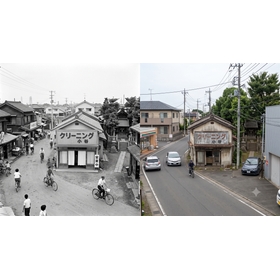
In construction industry development permit applications, the safety of the land is rigorously questioned. Particularly, land that has previously been used as a dry cleaning facility carries the risk of soil contamination from chlorinated organic solvents such as tetrachloroethylene, which can lead to unexpected delays, additional costs, and even legal liability issues in obtaining development permits and carrying out subsequent business operations. It is essential to identify and appropriately address these risks in advance to ensure the smooth progression of development projects. GeoTech Co., Ltd., as a Ministry of the Environment designated investigation agency, provides specialized soil contamination investigation services for former dry cleaning sites, offering objective and highly reliable evidence necessary for development permit applications to support our clients' businesses. 【Usage Scenarios】 - When acquiring new development land - Understanding land conditions before applying for development permits - Investigating land with a history of past dry cleaning operations - Due diligence for planned acquisition sites 【Benefits of Implementation】 - Streamlining development permit applications - Reducing risks of contractual non-compliance and damages - Avoiding unexpected additional costs - Preserving the asset value of the land
Added to bookmarks
Bookmarks listBookmark has been removed
Bookmarks listYou can't add any more bookmarks
By registering as a member, you can increase the number of bookmarks you can save and organize them with labels.
Free membership registration
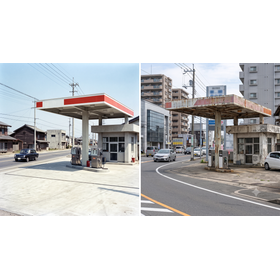
In investment decisions by financial institutions, it is important to accurately understand the potential risks associated with the target real estate. In particular, former gas station sites may have a risk of soil contamination due to past operations, which can affect the profitability of the business and the future asset value. Investing without conducting appropriate soil contamination investigations may expose one to unexpected additional costs and risks of business delays. Our "Designated Investigation Agency | Soil Contamination Investigation Solutions for Gas Station Redevelopment" provides one-stop support from historical research to detailed analysis, consideration of countermeasures, and confirmation of soil disposal, offering objective and reliable information necessary for investment decisions. 【Usage Scenarios】 - Due diligence in real estate investment - Collateral evaluation in loan examinations - Risk assessment in business revitalization projects - Asset evaluation in M&A 【Benefits of Implementation】 - Reduction of risks in investment decisions - Accurate assessment of asset value - Mitigation of unexpected cost occurrences - Support for smooth business advancement
Added to bookmarks
Bookmarks listBookmark has been removed
Bookmarks listYou can't add any more bookmarks
By registering as a member, you can increase the number of bookmarks you can save and organize them with labels.
Free membership registration
In the real estate development industry, it is essential to identify potential risks associated with land in advance and to formulate safe and reliable development plans. Particularly, land that has previously been used as an automobile maintenance facility raises concerns about the risk of soil contamination from specific hazardous substances such as organic solvents and heavy metals. If these risks are discovered after the transfer of ownership, it could lead to significant financial burdens and legal disputes. Therefore, voluntary soil contamination surveys prior to development are crucial for the sound progression of the business. Our designated investigation agency conducts soil contamination surveys to objectively identify these risks before contracts are signed, supporting safe land transactions. 【Usage Scenarios】 - Before acquiring new development land - Due diligence in M&A - Surveys before the demolition and reconstruction of existing buildings 【Benefits of Implementation】 - Reduction of hidden environmental liability risks - Provision of objective grounds for contract negotiations - Improvement of development plan safety and avoidance of dispute risks
Added to bookmarks
Bookmarks listBookmark has been removed
Bookmarks listYou can't add any more bookmarks
By registering as a member, you can increase the number of bookmarks you can save and organize them with labels.
Free membership registration
In the real estate industry, maintaining and enhancing the asset value of land is emphasized. Particularly, land that was previously used as a dry cleaning store may harbor risks of soil contamination from chlorinated organic solvents such as tetrachloroethylene. If such contamination is discovered, it could lead to financial troubles such as liability for non-conformity after a sales contract or unexpected damage claims, potentially resulting in a decrease in asset value. Our service, designated by the Ministry of the Environment as a research institution, specializes in investigating and clarifying the risks of soil contamination in the buying and selling of land for dry cleaning stores and factories, thereby preventing these risks in advance. 【Usage Scenarios】 - Buying and selling of former dry cleaning store sites - Buying and selling of former factory sites - Land surveys before real estate development - Due diligence on land aimed at preserving asset value 【Benefits of Implementation】 - Reduction of liability for non-conformity and damage claim risks - Ability to proceed with land transactions with peace of mind - Protection of land asset value - Facilitation of smooth real estate transactions
Added to bookmarks
Bookmarks listBookmark has been removed
Bookmarks listYou can't add any more bookmarks
By registering as a member, you can increase the number of bookmarks you can save and organize them with labels.
Free membership registration
In the construction industry, it is important to accurately assess the presence of soil contamination to ensure the safety of development projects and avoid unexpected troubles. Particularly in land that was previously used as gas stations, there are concerns about soil contamination from harmful substances such as benzene, lead, and cadmium due to leaks from underground tanks and fueling equipment. This contamination can potentially affect the health of workers, impact the surrounding environment, and even relate to the safety of buildings after development. Our "Designated Investigation Agency | Soil Contamination Investigation Solutions for Gas Station Redevelopment" is essential for identifying these risks in advance and promoting safe development. 【Usage Scenarios】 - Demolition and land clearing work for former gas station sites - New construction projects utilizing the site - Soil contamination risk assessment before land transactions - Establishing safety management systems in development plans 【Benefits of Implementation】 - Reduction of construction delay risks due to soil contamination - Improvement of worker safety and health management - Minimization of impact on the surrounding environment - Compliance with regulations in development projects - Proper valuation of land and support for smooth transactions
Added to bookmarks
Bookmarks listBookmark has been removed
Bookmarks listYou can't add any more bookmarks
By registering as a member, you can increase the number of bookmarks you can save and organize them with labels.
Free membership registration
In real estate development, accurate assessment of land and safe project advancement require a precise understanding of the presence and extent of soil contamination. Particularly concerning are lands that were previously used as gas stations, where there are risks of contamination from leaks in fueling equipment and maintenance pits. Proceeding with development without properly assessing these risks can lead to unexpected additional costs, delays in project timelines, and even environmental pollution issues. Our "Designated Investigation Agency | Soil Contamination Investigation Solutions for Gas Station Redevelopment" provides one-stop support for the challenges of land evaluation in real estate development, from historical research to detailed analysis, consideration of countermeasures, and confirmation of soil disposal, thereby facilitating safe and reliable business transitions and transactions. 【Usage Scenarios】 - Soil contamination risk assessment before purchasing or selling former gas station sites - Conducting soil contamination investigations in redevelopment plans - Appropriate analysis and consideration of disposal methods when generating excess soil - Investigations to ensure compliance with environmental regulations 【Benefits of Implementation】 - Proper evaluation of land and appropriate pricing - Reduction of development risks and control of unexpected costs - Smooth progress of business plans and contribution to adherence to project timelines - Compliance with environmental regulations and enhancement of corporate reliability
Added to bookmarks
Bookmarks listBookmark has been removed
Bookmarks listYou can't add any more bookmarks
By registering as a member, you can increase the number of bookmarks you can save and organize them with labels.
Free membership registration
In real estate development, accurate assessment of land and safe project advancement require a precise understanding of the presence and extent of soil contamination. Particularly concerning are lands previously used as gas stations, where there are risks of contamination from leaks in fueling equipment and maintenance pits. Advancing development without properly evaluating these risks can lead to unexpected additional costs, delays in project timelines, and even environmental pollution issues. Our "Designated Investigation Agency | Soil Contamination Investigation Solutions for Gas Station Redevelopment" provides one-stop support for the challenges of land evaluation in real estate development, from historical research to detailed analysis, consideration of countermeasures, and confirmation of soil disposal, thereby facilitating safe and reliable business transitions and transactions. 【Usage Scenarios】 - Soil contamination risk assessment before purchasing or selling former gas station sites - Conducting soil contamination investigations in redevelopment plans - Appropriate analysis and consideration of disposal methods when soil is generated - Investigations to ensure compliance with environmental regulations 【Benefits of Implementation】 - Proper evaluation of land and corresponding appropriate pricing - Reduction of development risks and control of unexpected costs - Contribution to smooth progress of business plans and adherence to project timelines
Added to bookmarks
Bookmarks listBookmark has been removed
Bookmarks listYou can't add any more bookmarks
By registering as a member, you can increase the number of bookmarks you can save and organize them with labels.
Free membership registration
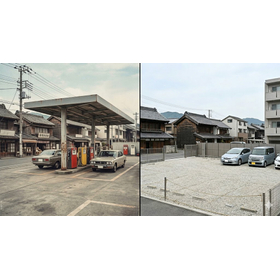
To smoothly complete the redevelopment of former gas station sites and land transactions, a planned soil contamination survey that aligns with the development process is essential. Our company provides one-stop support as a designated investigation agency, from historical surveys to detailed analysis, consideration of countermeasures, and confirmation of soil disposal. We can address a wide range of hazardous substances, including benzene from the refueling process, past tetraethyl lead and 1,2-dichloroethane, dichloromethane and trichloroethylene from maintenance pits, boron and fluorine from car wash and rust prevention agents, as well as lead, cadmium, arsenic, and selenium associated with electrical components and batteries. After identifying risk areas in Phase 1 historical surveys, we conduct soil gas and surface sampling in Phase 2 to quickly determine the presence of contamination. If contamination is confirmed, we establish the three-dimensional extent of contamination through boring investigations in Phase 3 and propose optimal countermeasure methods according to the redevelopment budget. Including soil analysis during removal work, we comprehensively support the success of business transformation.
Added to bookmarks
Bookmarks listBookmark has been removed
Bookmarks listYou can't add any more bookmarks
By registering as a member, you can increase the number of bookmarks you can save and organize them with labels.
Free membership registration
Soil contamination surveys during the sale of gas station land are essential procedures for compliance with the Soil Contamination Countermeasures Act and local government ordinances, as well as for preventing future legal liability risks. Our service, designated as a survey organization by the Ministry of the Environment, accurately and smoothly evaluates and visualizes the specific risks of hazardous chemicals associated with fueling stations. We can conduct comprehensive surveys covering gasoline components such as benzene, past additives like tetraethyl lead and 1,2-dichloroethane, as well as degreasers used in maintenance processes like dichloromethane and trichloroethylene, and contaminants from car wash detergents and refrigerants such as boron and fluorine, along with lead and cadmium related to batteries. After establishing risk areas in the first phase of historical investigation, we conduct soil gas and surface sampling in the second phase to assess the actual contamination. If necessary, we perform deep boring investigations and groundwater monitoring in the third phase to determine the three-dimensional extent of the contamination. Furthermore, we provide consistent support for the proper treatment analysis of demolition soil, strongly backing compliance with laws and facilitating smooth real estate transactions.
Added to bookmarks
Bookmarks listBookmark has been removed
Bookmarks listYou can't add any more bookmarks
By registering as a member, you can increase the number of bookmarks you can save and organize them with labels.
Free membership registration
When proceeding with the sale of land at a former gas station site, understanding the risks of soil contamination associated with past operations is an extremely important process. This proposal introduces a phased soil contamination investigation solution to avoid legal and economic risks during real estate transactions. It addresses specific hazardous substances unique to gas stations, such as benzene contained in gasoline, past tetraethyl lead, dichloromethane and trichloroethylene used in maintenance work, as well as boron and fluorine from car wash detergents and coolants, and heavy metals related to batteries. First, a historical investigation (Phase 1) will identify risk concern points based on the site's usage and equipment layout. Next, a sampling investigation of surface soil and soil gas (Phase 2) will be conducted to accurately measure the presence of contamination. If any exceedance of standard values is confirmed, we will transition to a detailed investigation (Phase 3) to determine the extent of contamination through deep boring and groundwater measurements. Additionally, we will provide consistent support up to the investigation of residual soil during building demolition, ensuring safe and secure land transactions.
Added to bookmarks
Bookmarks listBookmark has been removed
Bookmarks listYou can't add any more bookmarks
By registering as a member, you can increase the number of bookmarks you can save and organize them with labels.
Free membership registration