iPROS Urban Planning
  • Search for products by classification category

    • Building Materials
      Building Materials
      36677items
    • Facilities
      Facilities
      57733items
    • Lighting and Interior
      Lighting and Interior
      17577items
    • Common materials
      Common materials
      37228items
    • Civil Engineering Materials
      Civil Engineering Materials
      10205items
    • Construction, work and methods
      Construction, work and methods
      29180items
    • Surveys, Measurements, and Services
      Surveys, Measurements, and Services
      29721items
    • IT/Software
      IT/Software
      33558items
    • others
      others
      89306items
    • Store and facility supplies
      Store and facility supplies
      4600items
    • Office and commercial supplies
      Office and commercial supplies
      11728items
    • Hospital and welfare facility supplies
      Hospital and welfare facility supplies
      1057items
    • Logistics Equipment
      Logistics Equipment
      7343items
    • Energy and Resources
      Energy and Resources
      11969items
  • Search for companies by industry

    • Information and Communications
      7295
    • others
      7211
    • Building materials, supplies and fixtures manufacturers
      6632
    • Service Industry
      4755
    • Trading company/Wholesale
      3074
    • Other construction industries
      2445
    • Electrical equipment construction business
      721
    • Construction Consultant
      607
    • Interior Design
      519
    • General contractors and subcontractors
      491
    • Facility Design Office
      490
    • Architectural design office
      363
    • retail
      362
    • Housing manufacturers and construction companies
      351
    • Warehousing and transport related industries
      329
    • Building Management
      293
    • Electricity, Gas and Water Industry
      285
    • Interior construction business
      278
    • Medical and Welfare
      276
    • Educational and Research Institutions
      253
    • Renovation and home construction industry
      222
    • Water supply and drainage construction business
      205
    • Transportation
      174
    • Real Estate Developers
      166
    • Fisheries, Agriculture and Forestry
      132
    • Structural Design Office
      65
    • Finance, securities and insurance
      41
    • Restaurants and accommodations
      32
    • self-employed
      31
    • Mining
      26
    • Public interest/special/independent administrative agency
      20
    • Police, Fire Department, Self-Defense Forces
      17
    • Property Owner
      9
    • Store and building owners
      9
    • Government
      9
    • Individual
      9
  • Special Features
  • Ranking

    • Overall Products Ranking
    • Overall Company Ranking
Search for Products
  • Search for products by classification category

  • Building Materials
  • Facilities
  • Lighting and Interior
  • Common materials
  • Civil Engineering Materials
  • Construction, work and methods
  • Surveys, Measurements, and Services
  • IT/Software
  • others
  • Store and facility supplies
  • Office and commercial supplies
  • Hospital and welfare facility supplies
  • Logistics Equipment
  • Energy and Resources
Search for Companies
  • Search for companies by industry

  • Information and Communications
  • others
  • Building materials, supplies and fixtures manufacturers
  • Service Industry
  • Trading company/Wholesale
  • Other construction industries
  • Electrical equipment construction business
  • Construction Consultant
  • Interior Design
  • General contractors and subcontractors
  • Facility Design Office
  • Architectural design office
  • retail
  • Housing manufacturers and construction companies
  • Warehousing and transport related industries
  • Building Management
  • Electricity, Gas and Water Industry
  • Interior construction business
  • Medical and Welfare
  • Educational and Research Institutions
  • Renovation and home construction industry
  • Water supply and drainage construction business
  • Transportation
  • Real Estate Developers
  • Fisheries, Agriculture and Forestry
  • Structural Design Office
  • Finance, securities and insurance
  • Restaurants and accommodations
  • self-employed
  • Mining
  • Public interest/special/independent administrative agency
  • Police, Fire Department, Self-Defense Forces
  • Property Owner
  • Store and building owners
  • Government
  • Individual
Special Features
Ranking
  • Overall Products Ranking
  • Overall Company Ranking
  • privacy policy
  • terms of service
  • About Us
  • Careers
  • Advertising
  1. Home
  2. Educational and Research Institutions
  3. Tohoku Techno Arch Co., Ltd.
  4. Product/Service List
Educational and Research Institutions
  • Added to bookmarks

    Bookmarks list

    Bookmark has been removed

    Bookmarks list

    You can't add any more bookmarks

    By registering as a member, you can increase the number of bookmarks you can save and organize them with labels.

    Free membership registration

Tohoku Techno Arch Co., Ltd.

addressMiyagi/Aoba-ku, Sendai-shi/6-6-10 Aobayama, 2nd floor, Tohoku University Center for Advanced Future Science and Technology Research
phone022-222-3049
  • Official site
last updated:Apr 22, 2026
Tohoku Techno Arch Co., Ltd.logo
  • Contact this company

    Contact Us Online
  • Company information
  • Products/Services(397)
  • catalog(397)
  • news(0)

Tohoku Techno Arch Co., Ltd. List of Products and Services

  • category

271~315 item / All 397 items

Displayed results

class="retina-image"

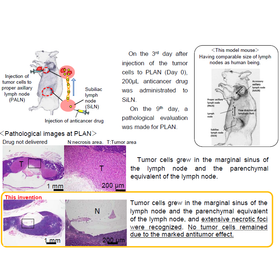
Tohoku University Technology: Lymphatic drug delivery system: T17-036

Administration of little amount of prepared liquid drug shows excellent antitumor efficacy!

Many cancers spread to regional lymph nodes through the lymphatic vessels. Intravenous administration of chemotherapeutic agents through blood vessels is a common treatment for metastatic lymph nodes. Drugs administered intravenously leak from the capillaries into the interstitium in peripheral tissues and are reabsorbed by the blood vessels and lymphatic vessels. However, the lymphatic system is characterized by the preferential uptake of large-sized particles and polymers, and thus anticancer drugs, which are generally small molecules, are considered difficult to deliver to the lymphatic system.  A modern drug delivery system by lymphatic vessels can deliver drugs to a target lymph nodes directly. In this way, not only these lymph nodes, but also the downstream lymphatic system can be treated properly.  This invention shows that a liquid preparation having a particular osmotic pressure range provided high drug retention in the target lymph node, high delivery to the downstream lymph node, and excellent drug efficacy. The investigation for diseases other than cancers is being researched with data unpublished.

  • others

Added to bookmarks

Bookmarks list

Bookmark has been removed

Bookmarks list

You can't add any more bookmarks

By registering as a member, you can increase the number of bookmarks you can save and organize them with labels.

Free membership registration

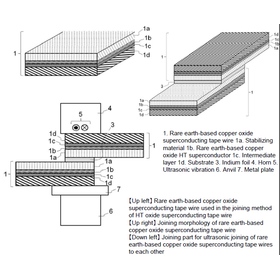
Tohoku University Technology: Joining method for high-temperature oxide superconducting tape wire: T18-517

Able to product high-temperature oxide superconducting tape wire over several kilometers without degrading superconducting properties

Since the discovery of a copper oxide superconductor, the hightemperature (HT) oxide superconducting tape wire that can be used for cables has been developed. Currently, a joining method that can minimize the degradation of superconducting property is required to obtain stable low resistance. However, in the case of solder joint, superconducting property degradation and joining resistance variation have been a problem due to the need of temperature adjustment to ensure wettability and pressure. It was also difficult to produce long, stable-quality HT oxide superconducting tape wire of more than several kilometers.  This invention is able to provide a method of joining HT oxide superconducting tape wires that enables joining homogeneous or dissimilar tape wires that can suppress superconducting property degradation. This invention is characterized by the ultrasonic joining of overlapping portions of two tape wires through indium at room temperature and in an atmospheric environment.

  • others

Added to bookmarks

Bookmarks list

Bookmark has been removed

Bookmarks list

You can't add any more bookmarks

By registering as a member, you can increase the number of bookmarks you can save and organize them with labels.

Free membership registration

Tohoku University Technology: Functional piezoelectric material: T21-003

It is possible to harvest energy from vibration as well as impact

Energy harvesting devices that can convert mechanical energy such as heat, wind, and vibration etc. into electrical energy are attracting attention. Piezoelectric material is one of the materials for energy harvesting. It is sensitive to small strains and can be expected to have high power density and voltage. In addition, because it can be made compact, it is the optimum solution as a power supply source of various sizes. The invention is a flexible piezoelectric material formed by mixing piezoelectric polymer and piezoelectric ceramics. Conventionally, piezoelectric ceramics are affected by fatigue cracks when repeatedly subjected to a load, so that it is difficult to secure flexibility by itself. The invention does not require any countermeasures and has an advantage that the applicable range can be expanded.

  • others

Added to bookmarks

Bookmarks list

Bookmark has been removed

Bookmarks list

You can't add any more bookmarks

By registering as a member, you can increase the number of bookmarks you can save and organize them with labels.

Free membership registration

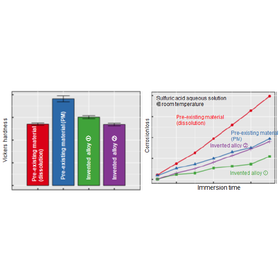
Tohoku University Technology: Fe-based Alloy: T18-074

High wear and corrosion resistance for molding super engineering plastics! Low cost mass production deployment is possible since powder metallurgy technology is not used

This invention overcomes the corrosion resistance decrease with a unique alloy design, which has been an issue for high-hardness alloys with dispersed carbides, and provides an Fe-based alloy with an excellent balance between hardness and corrosion resistance. The alloy of this invention can be manufactured using ordinary melting and processing equipment, and can reduce material cost by replacing existing powdered metallurgy materials. It is expected to have a wide range of applications such as a component of a screw, etc. used in the molding of super engineering plastics like a PPS resin or such as a mold material used in corrosive environments.

  • others

Added to bookmarks

Bookmarks list

Bookmark has been removed

Bookmarks list

You can't add any more bookmarks

By registering as a member, you can increase the number of bookmarks you can save and organize them with labels.

Free membership registration

Tohoku University Technology: Polymer coating by cold spray method: T14-018

Easy to coat polymer which is difficult to mold by injection

Ultra-high molecular weight polyethylene (UHMWPE) is a material with excellent impact resistance, wear resistance, etc. However, due to poor flowability at high temperature, the injection molding, which is a common molding method for polymer, was not simple to use.  Therefore, ceramic nanoparticles (alumina, etc.) were mixed to UHMWPE, then deposited by the cold spray technique. This method has succeeded to form a thick film easily. It is expected that other polymers can be deposited in the same way by mixing ceramic nanoparticles.

  • others

Added to bookmarks

Bookmarks list

Bookmark has been removed

Bookmarks list

You can't add any more bookmarks

By registering as a member, you can increase the number of bookmarks you can save and organize them with labels.

Free membership registration

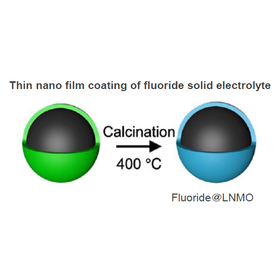
Tohoku University Technology: Realization of 4.7 V class lithium-ion battery: T20-2758

Avoid side reaction and prevent battery performance degradation

Lithium-ion battery (LIB) makes part of our live through a wide range of applications such as smartphone, mobile battery, laptop PC, car, etc. In this context, there are constant requests for performance improvement, such as operation at higher voltage. It is known that operation at high voltage results in a decrease in battery capacity and in cycle retention rate due to side reaction between the electrolyte and the positive-electrode active material.  This invention overcomes the conventional issues by coating the positive-electrode active material with a layer. This coating layer reduces side reactions, which results in more stable operation at high voltage than conventional technology.  This invention can improve for example the charge/discharge cycle characteristic of high-potential spinel oxide positive electrode, which is a LIB positive electrode material that does not use cobalt metal having a supply chain risk. Therefore, it can create high energy density storage battery which is low cost & risk-free metal resources.

  • others

Added to bookmarks

Bookmarks list

Bookmark has been removed

Bookmarks list

You can't add any more bookmarks

By registering as a member, you can increase the number of bookmarks you can save and organize them with labels.

Free membership registration

Tohoku University Technology: Co-based alloy powder for electron beam lamination shaping: T16-191

Able to obtain formed body with excellent corrosion & wear resistance, and high hardness & toughness

Co-based alloy has excellent corrosion and wear resistance, and it is widely used for biomaterial and casting mold material. However, it could not be used for industrial product requiring mechanical strength because the strength is lower than an iron-based material. Although the addition of nitrogen or carbon is known to increase the strength of Co-based alloy, it is not sufficient to use as an industrial product. The lamination shaping method using Co-based alloy powder as raw material is also known to product a body with complex shape having excellent corrosion and wear resistance, but the product fabricated by this method has still not enough strength to use as an industrial product.  This invention is able to provide a Co-based alloy powder for electron beam lamination shaping with extremely high hardness & toughness which is comparable to that of a steel material, while keeping the corrosion and wear resistance of Co-based alloy. The Cobased alloy powder of this invention has a particle size of 1 to 200 mm. This invention enables the production of industrial product made by lamination shaping with high hardness & toughness while keeping the corrosion and wear resistance of Co-based alloy.

  • others

Added to bookmarks

Bookmarks list

Bookmark has been removed

Bookmarks list

You can't add any more bookmarks

By registering as a member, you can increase the number of bookmarks you can save and organize them with labels.

Free membership registration

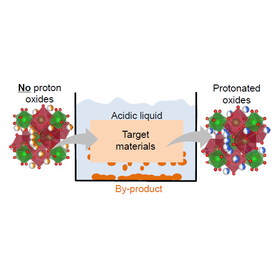
Tohoku University Technology: Method for producing Proton-containing oxides : T21-224

To enrich the variety of ceramic materials developed that contain protons.

 Research and development of high-proton-conducting oxides, which are stable at intermediate temperatures around 300 ~ 600°C, have been carried out for practical applications in electrochemical devices such as fuel cells. However, since most of the existing materials are synthesized through high-temperature sintering, they are limited to perovskite-type or related crystal systems or specific material systems, and the degree of freedom of crystal structure and composition is limited, which limits the development of practical materials.  The present invention relates to a manufacturing technique for obtaining a proton-containing oxide by introducing a proton into an oxide by reacting a basic oxide with a carboxylic acid melt. According to this method, it is possible to introduce a proton into various ceramics, which are conventionally difficult to examine, and the range of material selection can be expanded. The present invention, which does not select the shape of the raw material, is expected to be applicable to components such as electrochemical devices, and contributes to the practical application of proton-conducting oxides.
  • others

Added to bookmarks

Bookmarks list

Bookmark has been removed

Bookmarks list

You can't add any more bookmarks

By registering as a member, you can increase the number of bookmarks you can save and organize them with labels.

Free membership registration

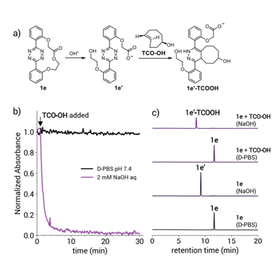
Tohoku Univ. Technology:External stimulus responsive click reaction technology:T21-077

Controling Inverse-Electron-Demand Diels–Alder Reaction with macrocyclic tetrazine

 Inverse-Electron-Demand Diels–Alder Reaction(IEDDA), a cyclization reaction between tetrazine and dienophile, is used in various fields from materials science to biological applications due to its fast reactivity and high selectivity. If this reactivity can be controlled, the application range is expected to expand dramatically. A method for controlling the reaction by oxidizing dihydrotetrazine to tetrazine, which is less reactive, has been reported, but there are problems such as the effect of natural oxidation and the inability to respond to stimuli other than oxidation.   The inventors found that the IEDDA reaction can be completely suppressed by derivatizing tetrazine to a macrocyclic structure, and that the reaction proceeds rapidly when the reaction is converted from a cyclic to an acyclic structure by stimulation. The stimuli in the present invention can be selected according to the application, such as light, heat, pH, enzymatic reaction, redox, etc. By using the present invention, it is expected to be applied to the in vivo synthesis of active pharmaceuticals, environmentally responsive drug delivery systems, chemical sensors, nuclear medicine diagnostics, etc.
  • others

Added to bookmarks

Bookmarks list

Bookmark has been removed

Bookmarks list

You can't add any more bookmarks

By registering as a member, you can increase the number of bookmarks you can save and organize them with labels.

Free membership registration

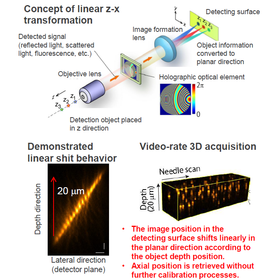
Tohoku University Technology: Holographic optical element and its manufacturing method: T17-106

Conversion of depth information linearly into planar information!

In 3D imaging, it is important to effectively encode z information, which is the image formation displacement of the target object, into XY information, which is displacement from the optical axis of the image surface. On the other hand, in single-pixel imaging using only a single detector, it is important to encode in efficient manner the XY information of the target into the time information. However, the conventional encoding method has a limit on distance resolution, imaging distance range, z information decoding accuracy and encryption uniqueness. This invention provides a new and improved hologram optical element, its manufacturing method and an optical device able to mutually convert Z & XY information with simple configuration. This invention is able to realize high accuracy and high spatial resolution for high-speed 3D imaging (patent US10816474) by converting the object depth direction information of the optical detection system into the planar direction information at the detecting surface.

  • others

Added to bookmarks

Bookmarks list

Bookmark has been removed

Bookmarks list

You can't add any more bookmarks

By registering as a member, you can increase the number of bookmarks you can save and organize them with labels.

Free membership registration

Tohoku University Technology: An anonymous key exchange technology with good security and simplicity: T18-057

User ID (public-key) management method for highly anonymous decentralized services

In cryptocurrencies such as Bitcoin, the user's offline privacy, which is linked to user ID (public-key), may be leaked by the frequent trading, because all transactions are fully disclosed on the blockchain. This invention provides a new technology for secretly exchanging depleted user IDs whose anonymity has declined with fresh ones through collaboration among other users (support users). Compared with current technologies, it has a resistance to the support users betray without any special changing of the blockchain mechanism. Amazingly, not only user's anonymity can be ensured, but also the transparency and versatility of services including the blockchain will be retained.

  • others

Added to bookmarks

Bookmarks list

Bookmark has been removed

Bookmarks list

You can't add any more bookmarks

By registering as a member, you can increase the number of bookmarks you can save and organize them with labels.

Free membership registration

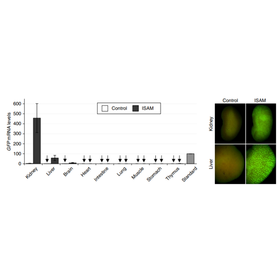
Tohoku Univ. Technology: Epo-deficient GFP anemic mice: T10-050

Anemia developed after birth without fetal lethality

Although the development of erythropoietin (Epo) -related drugs requires the existence of animal models for disease states such as renal anemia, Epo knockout mice are not suitable as a model because of the embryonic lethality and the large inter-experiment/inter-individual differences in the anemia state in the models produced by surgery/drug treatment. The present invention relates to transgenic mice (I-SAM) that have overcome these problems.   In I-SAM, the endogenous Epo gene is homologically knocked out by insertion of the GFP gene, and a region from 3.3kbp upstream to 4.5kbp downstream of the Epo gene transcription start point (Transgene) is introduced. In I-SAM before birth, transgene-derived Epo is expressed in the liver, etc., and there is no embryonic lethality. After birth, transgene does not express Epo because it has no transcriptional activity in the major Epo-producing tissues, such as the kidney, and there is anemia.   I-SAM has the following characteristics. ・Epo knockout but not embryonic lethality ・Stably develop high levels of anemia after birth ・Have normal renal function ・Have tissue Epo-producing cells labeled with GFP ・Have a long lifespan and can reproduce by mating

  • others

Added to bookmarks

Bookmarks list

Bookmark has been removed

Bookmarks list

You can't add any more bookmarks

By registering as a member, you can increase the number of bookmarks you can save and organize them with labels.

Free membership registration

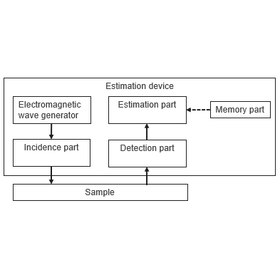
Tohoku Univ. Technology:Device and method for estimating the molecular chain aggregation:T18-488

High accuracy estimation based on the electromagnetic wave propagation property

 Materials containing nanocellulose are known to have higher strength than the base material. However, the nanocellulose properties vary depending on the degree of its aggregation. The light scattering is known as a method to estimate the aggregation. However, when the scattered light from the molecular chain is weak, as in the case of materials containing nanocellulose, it is not possible to estimate the aggregation with high accuracy from this method.   This invention is able to provide a device and method that estimates the aggregation with high accuracy, and its material manufacturing method. This invention can estimate the aggregation for not only nanocellulose but also multiple molecular chains with structures containing water molecules. This invention is based on the feature that there is a strong correlation between the aggregation and the electromagnetic wave propagation property in order to have high accuracy estimation.

  • others

Added to bookmarks

Bookmarks list

Bookmark has been removed

Bookmarks list

You can't add any more bookmarks

By registering as a member, you can increase the number of bookmarks you can save and organize them with labels.

Free membership registration

Tohoku University Technology: Thermoelectric material and thermoelectric module: T16-130

To provide a thermoelectric material having an improved figure of merit.

Development of thermoelectric materials and modules are promoted to effect ively ut ilize unused thermal energy. Thermoelectric materials with nanoparticles have been developed to improve the figure of merit by lowering the thermal conductivity using phonon scattering. However, it is limited to a material in which nanoparticles can be formed, and the dispersion of nanoparticles requires a search for precise conditions and a complicated process. It is an object of the present invention to provide a thermoelectric material and a thermoelectric module having an improved figure of merit, which do not require a process for producing a raw material of nanoparticles, can reduce thermal conductivity by scattering of phonons, can improve electrical conductivity and Seebeck coefficient by quantum confinement effect, and can be expected to be put into practical use.

  • others

Added to bookmarks

Bookmarks list

Bookmark has been removed

Bookmarks list

You can't add any more bookmarks

By registering as a member, you can increase the number of bookmarks you can save and organize them with labels.

Free membership registration

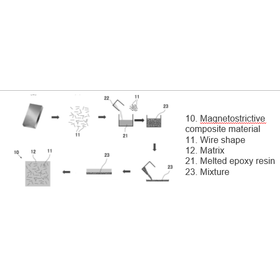
Tohoku University Technology: Magnetostrictive composite material and its manufacturing method: T19-755

Relatively soft material with excellent magnetostrictive properties

Since a flexible and soft magnetostrictive material does not exist,a soft magnetostrictive composite has been developed by mixing magnetostrictive material with resin. Wire and thin sheet from iron-based magnetostrictive alloy have also been developed as filler embedded in the matrix. However, although these magnetostrictive composite materials are soft, strong processing causes modification in the internal crystal orientation and generates internal defect, resulting in a significant reduction in magnetostrictive properties. In addition, since the filler material consisting of magnetostrictive material of predetermined dimension is embedded into the matrix, the composite material becomes a bit hard.  This invention is able to provide a magnetostrictive composite material which is relatively soft with excellent magnetostrictive properties, and its manufacturing method. This invention consists of an iron based magnetostrictive alloy which is characterized by a large number of wire shape having a predetermined range of diameter and length dispersed in a resin matrix which has excellent flexibility and softness. It also has an excellent magnetostrictive properties since the strong processing has only a limited impact on magnetostrictive properties modification.

  • others

Added to bookmarks

Bookmarks list

Bookmark has been removed

Bookmarks list

You can't add any more bookmarks

By registering as a member, you can increase the number of bookmarks you can save and organize them with labels.

Free membership registration

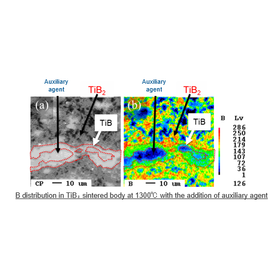
Tohoku University Technology: hard-sintering transition metal boride: T19-801

Expanding application by increasing density through low-temperature sintering !

With the increasing demand for highly efficient energy sources and the development of aerospace technologies, materials used in these fields must be able to withstand harsh environments. Among the materials expected in the aerospace field, TiB₂ is used as a heat-resistant and wear-resistant material because of its high melting point and strength, as well as its high electrical conductivity, etc. However, TiB₂ is a hard-sintering material that requires high temperature and pressure for sintering, which limits its domain of usage.  The sintering technology of this invention has an effect similar to the original properties of transition metal boride even with the addition of auxiliary agents. This result expands the possibilities of using transition metal diborides as structural components, which have been limited to powder and thin film applications due to their difficult sintering properties.

  • others

Added to bookmarks

Bookmarks list

Bookmark has been removed

Bookmarks list

You can't add any more bookmarks

By registering as a member, you can increase the number of bookmarks you can save and organize them with labels.

Free membership registration

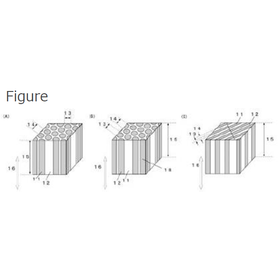
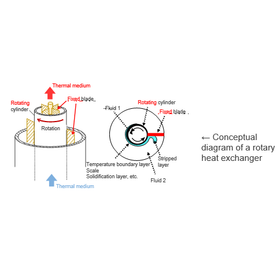
Tohoku Univ. Technology:Rotary heat exchanger:T16-043_T20-1120

High efficiency heat exchange under solid-phase formation systems such as latent heat storage materials and hot spring water
The rotary heat exchanger has a structure in which a fixed blade is in sliding contact with a rotary cylinder. Therefore, the temperature boundary layer (boundary film) of the heat transfer surface on the rotary cylinder is removed, and the fluid inside and outside the rotary cylinder can continuously exchange heat with high efficiency. In addition, even in the system where the solidification layer such as the scale is likely to occur (Hot spring water, polluted water, etc.), the solidification layer is always removed, and stable operation can be realized. In the conventional rotary heat exchanger, since only one side in the axial direction of the rotary cylinder is supported, there is a problem that the gap between the rotary cylinder and the fixed blade is likely to occur due to the run-out of the rotary cylinder, and the boundary film and solid phase are likely to remain. In addition, a rotary heat exchanger with both sides support has been devised, but the difficulty is that the rotating mechanism is immersed in the fluid, so it is unsuitable for the system with solid phase formation. In response to the above problems, the inventors have developed a mechanism (* (2)) in which the rotating mechanism on both sides touches only the clean fluid, and have created an invention that contributes to the practical application of the rotary heat exchanger such as a combination (* (1)) with a latent heat storage material.

  • others

Added to bookmarks

Bookmarks list

Bookmark has been removed

Bookmarks list

You can't add any more bookmarks

By registering as a member, you can increase the number of bookmarks you can save and organize them with labels.

Free membership registration

Tohoku University Technology: Highly crystalline carbon production method, its precursor and its production method: T20-1564

Possible to produce highly crystalline carbon from sustainable resource raw material

So far, crystalline carbon material with relatively large crystallite size and relatively small average interplanar spacing has been used as anode material for lithium-ion secondary battery and catalyst material for cathode in fuel cell. This highly crystalline carbon material is made from raw materials such as hyper-eutectoid molten pig iron, natural graphite and kish graphite. However, these raw materials are depletable resources and could be depleted in the future.   This invention is able to provide a highly crystalline carbon production method, its precursor production method and the precursor itself, using sustainable resources as raw material. This invention has a precursor production process in which at least one of iron, nickel or cobalt is impregnated into the raw material containing biomass which is a sustainable resource, followed by heat treatment to obtain a precursor, and a carbonization process in which the precursor is carbonized by heating and then washed by acid. This invention allows the production of highly crystalline carbon and its precursor.

  • others

Added to bookmarks

Bookmarks list

Bookmark has been removed

Bookmarks list

You can't add any more bookmarks

By registering as a member, you can increase the number of bookmarks you can save and organize them with labels.

Free membership registration

Tohoku University Technology: Conductive material, porous material and their production method, electrode material and electrical storage device: T19-065

A good balance between large specific surface area and high conductivity

In recent years, the development of rechargeable battery using organic material has been promoted due to environmental impact and safety. For such device, activated carbon and hard carbon having a large specific surface area and high conductivity, are used as electrode material. However, activated carbon has a relatively low conductivity although its large specific surface area. Moreover, since it is manufactured using petroleum coke, it has an important environmental impact. In addition, hard carbon is manufactured only from specific tree species, making it expensive to obtain.   This invention is able to provide a conductive material that can reduce manufacturing cost, a porous material having a good balance between large specific surface area and high conductivity, and their manufacturing method, as well as an electrode material and an electrical storage device using these conductive material or porous material. The conductive material consists of hard carbon derived from charcoal. The raw material can be made from easily available tree species, thus reducing production cost. Like hard carbon, this invention has graphite-structured nanodomain, so it has a large specific surface area and high electrical conductivity.

  • others

Added to bookmarks

Bookmarks list

Bookmark has been removed

Bookmarks list

You can't add any more bookmarks

By registering as a member, you can increase the number of bookmarks you can save and organize them with labels.

Free membership registration

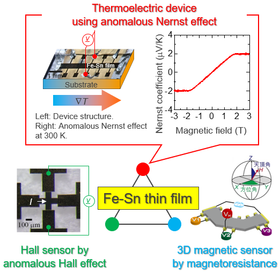
Tohoku University Technology: New thermoelectric materials: T21-339

Amorphous alloy will simplify the structure of thermoelectric conversion elements, reduce costs, and make them multifunctional.

The efficient use of thermal energy has become important to realize a sustainable energy recycling society. So, there is a demand for the development of thermoelectric materials.   This technology relates to novel thermoelectric materials using the anomalous Nernst effect. Conventional thermoelectric transducers employ complex three-dimensional structures to achieve high thermoelectric power. On the other hand, the anomalous Nernst effect makes it possible to design a variety of thermoelectric devices. Therefore, we investigated the anomalous Nernst effect of a versatile amorphous alloy thin film made mainly of Fe and Sn, which are inexpensive and have excellent environmental harmony, and found that it has the largest class of performance at room temperature.

  • others

Added to bookmarks

Bookmarks list

Bookmark has been removed

Bookmarks list

You can't add any more bookmarks

By registering as a member, you can increase the number of bookmarks you can save and organize them with labels.

Free membership registration

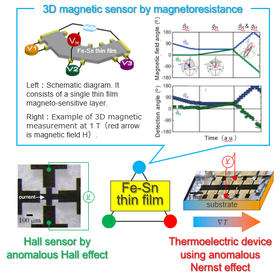
Tohoku University Technology: Magnetic field detection with a single planar element: T21-257

Contributing to miniaturization of 3D magnetic field sensors for IoT applications

 Magnetic field sensors are used in a variety of applications such as contactless current detection and electronic compasses, etc. Because an ordinary magnetic element detects only magnetic field components in a specific direction, detecting the direction of a magnetic field vector in 3D space requires a 3D combination of elements corresponding to each direction. This is an issue to device miniaturization and integration, which are rapidly increasing in demand in the IoT field.   This technology relates to the invention of a planar magnetic field sensor that does not require a 3D structure. The direction of the magnetic field vector in 3D space is determined from the voltage generated in each part of the ferromagnetic Fe-Sn thin films[1]. A 3D magnetic field sensor can be fabricated by patterning a single magneto-sensitive layer by a general-purpose device processing method. In addition to magnetic field sensors, this thin film can be expected to create new applications by combining functions[2-5].

  • others

Added to bookmarks

Bookmarks list

Bookmark has been removed

Bookmarks list

You can't add any more bookmarks

By registering as a member, you can increase the number of bookmarks you can save and organize them with labels.

Free membership registration

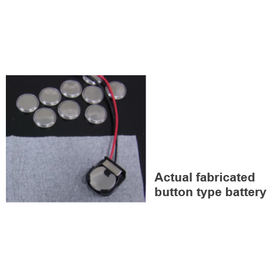
Tohoku University Technology: All-Solid-State Lithium Secondary Battery: T11-030

Succeed to improve cycle life by using metal free low cost organic active material (cathode)!

Lithium-ion battery is used in laptop and digital camera because of its light weight and high capacity. The cathode material is said to be one of the most expensive material used in lithium-ion battery. LiCoO2 is commonly used as cathode material, which is not only expensive but also a rare metal with few reserve, and there is concern about its stable supply. Therefore, the development of new electrode material that is low cost and that can be stably supplied from a resource is actively pursued.   This invention is about a new cathode material that is low cost and that can be stably supplied from a resource. The organic active material doesn't contain Ni or Co. Nevertheless the capacity of the new cathode material is over 180 (mAh/g), which is equal to or higher than that of the conventional cathode material. Moreover, this material has the property of being resistant to deterioration due to charging and discharging.

  • others

Added to bookmarks

Bookmarks list

Bookmark has been removed

Bookmarks list

You can't add any more bookmarks

By registering as a member, you can increase the number of bookmarks you can save and organize them with labels.

Free membership registration

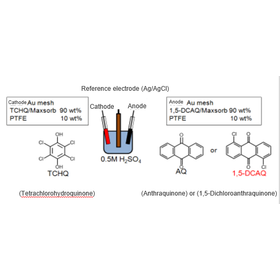
Tohoku University Technology: Power storage device and material for its electrode: T12-175

Achieve energy density equivalent to lead battery by using only organic material! Safe, Low cost, and Long life

The applicability of quinone compound for both cathode and anode has been considered, aiming for low cost and safe energy storage material that does not contain rare or toxic element. However, even if quinone compound is supported on a porous material such as activated carbon, the quinone compound leaches out from the porous material, resulting in a short life span (that is to say poor cycle life) as an energy storage material.   This invention solves the issue of cycle life. Consequently, we have demonstrated that the energy density of the new power storage device reaches the same level as a lead battery even though it is composed only of organic material.

  • others

Added to bookmarks

Bookmarks list

Bookmark has been removed

Bookmarks list

You can't add any more bookmarks

By registering as a member, you can increase the number of bookmarks you can save and organize them with labels.

Free membership registration

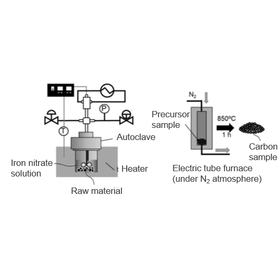
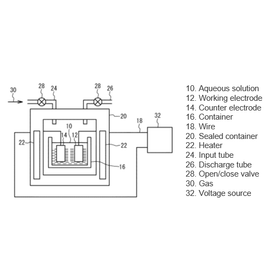
Tohoku Univ. Technology:Production method of carbon material:T13-160

Large amount production of carbon material at relatively low temperature

CVD and electrochemical method are known to product carbon material such as carbon nanotubes or graphenes. In the CVD process, carbon material is produced at high temperature in order to decompose the precursor molecule that provides the carbon. The hydrothermal electrochemical method can produce carbon material at lower temperature than CVD method. However, the amount of carbon material produced by this method is small.   This invention is to enable to produce large amount of carbon material at relatively low temperature. In this production method, carbon material is produced from aqueous solution in which the temperature is 100℃ or higher, the pressure is greater than 1 atm, and soluble carbonaceous precursors by a hydrothermal electrochemical method. The produced carbon material can be composed of at least one of diamond like carbon, carbon nanotube, graphene, diamond. This invention is to enable to produce large amount of carbon material at relatively low temperature.

  • others

Added to bookmarks

Bookmarks list

Bookmark has been removed

Bookmarks list

You can't add any more bookmarks

By registering as a member, you can increase the number of bookmarks you can save and organize them with labels.

Free membership registration

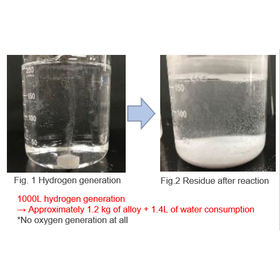
Tohoku University Technology: Mg alloy that generates hydrogen inside neutral aqueous solution: T21-060

Alloy that does not stop reaction during the process and continues to produce only hydrogen

Hydrogen is attracting attention as a sustainable energy source, but all current hydrogen generation methods, such as water electrolysis or steam reforming of fossil fuel, have an important environmental impact. The "hydrolysis" which generates hydrogen by reacting metallic material with water, is attracting attention as a hydrogen generation method with a small environmental impact. The advantage of the hydrolysis is that it does not generate oxygen but only hydrogen, so the oxygen separation process is not necessary and there is no risk of explosion.  Hydrogen generating materials consisting of Mg or Mg alloy have been reported as material for hydrolysis, but the phase which does not react with water such as Mg(OH)2 is formed and the reaction stops in the middle of the reaction process. Therefore, most of the previously reported hydrogen generating materials have a small hydrogen generation per unit weight.  This invention is about the hydrogen generating alloy that does not stop reaction even inside neutral aqueous solution. This alloy generates a large amount of hydrogen per unit weight because it reacts with water until the end without stopping the reaction in the middle. Moreover, the alloy is composed only of Mg and Ca elements, which are present in large quantity on Earth and are not toxic to the ecosystem. There are very few hydrogen generating materials that do not generate heavy metal ions through hydrolysis, and this alloy has potential to use in any location.

  • others

Added to bookmarks

Bookmarks list

Bookmark has been removed

Bookmarks list

You can't add any more bookmarks

By registering as a member, you can increase the number of bookmarks you can save and organize them with labels.

Free membership registration

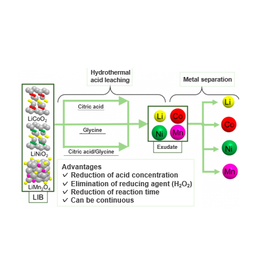
Tohoku Univ. Technology:Recycling of Lithium-ion Battery Cathode Materials through Hydrothermal Reaction: T18-116

Expected to reduce environmental load, avoid corrosion of equipment, and shorten reaction time

 As a method for recovering valuable metals from spent LIB cathode materials, a wet scouring method is mainly used in which various metals are separated using a back extraction method using an organic solvent after leaching metal components using an acid. However, sulfuric acid and nitric acid, which are used as acids, cause a large environmental load because toxic gases are generated, and hydrogen peroxide, which is used as a reducing agent, has problems such as explosiveness and carcinogenicity. In a system without adding hydrogen peroxide, the recovery rate of metal ions decreases, so that improvement of the process is required.   In order to solve the above problems, the inventors focused on a hydrothermal reaction and examined reaction conditions such as the type of acid. As a result, they succeeded in almost completely leaching metals without using strong acids and reducing agents by using organic acids such as citric acid and the amino acid glycine. The effects of continuous operation, shortening of reaction time, and avoiding corrosion of equipment can be expected by the present invention. 

  • others

Added to bookmarks

Bookmarks list

Bookmark has been removed

Bookmarks list

You can't add any more bookmarks

By registering as a member, you can increase the number of bookmarks you can save and organize them with labels.

Free membership registration

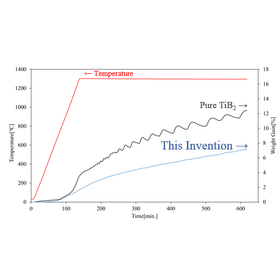
Tohoku University Technology: High-temperature oxidation-resistant transition metal borides: T22-234

Exploring the applicability of transition metal borides, which are difficult to sinter, as high-temperature structural materials.

 With the increasing demand for highly efficient energy sources and technological developments in the aerospace sector, materials used in these fields are required to be usable in multi-extreme condition. Among promising materials in the aerospace field, TiB2 is used as a heat-resistant and wear-resistant material due to its high melting point, mechanical strength and high conductivity. However, it is known that the mechanical strength of TiB2 deteriorates due to the oxidation of the material in a high temperature environment, which limits its industrial application.   The present invention demonstrates the potential of transition metal boride as a structural material in a high-temperature environment without compromising its inherent properties by adding a twist to the sintering process. This is a result of expanding the potential of transition metal borides as structural members, which are limited to powder and thin film applications due to their poor sinterability.

  • others

Added to bookmarks

Bookmarks list

Bookmark has been removed

Bookmarks list

You can't add any more bookmarks

By registering as a member, you can increase the number of bookmarks you can save and organize them with labels.

Free membership registration

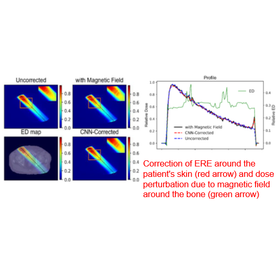
Tohoku Univ. Technology:Quick dose calculation algorithm under magnetic field using deep learning:T20-199

Quick and accurate dose calculation under magnetic field

 MR-Linac, which combines MR device that uses magnetic field and radiotherapy device (Linac), has begun to develop as a new treatment device for radiotherapy. On the other hand, since the therapeutic radiation is bent by the magnetic field emitted from the device, it is necessary to create a treatment plan based on the dose distribution in order to take into account magnetic field influence, but existing methods require time-consuming.   In general, calculation algorithm such as convolution / superposition is quick (about 1-2 minutes), but it cannot take into account magnetic field influence. On the other hand, high precision algorithm such as the Monte Calro Algorithm can take into account magnetic field influence, but the calculation is slow (about 10 to 20 minutes).  This invention solves above issue by using deep learning technology to perform dose calculation. Currently, there is no accurate and quick dose calculation algorithm under magnetic field, so this invention is essential for MRI guided radiotherapy.

  • others

Added to bookmarks

Bookmarks list

Bookmark has been removed

Bookmarks list

You can't add any more bookmarks

By registering as a member, you can increase the number of bookmarks you can save and organize them with labels.

Free membership registration

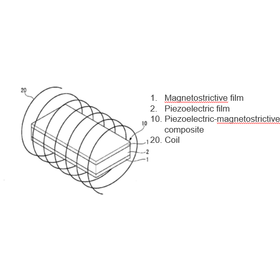
Tohoku University Technology: Piezoelectric-magnetostrictive composite and power generation element: T18-006

Mechanical energy conversion into electrical energy with more efficiency by interaction between piezoelectric and magnetostrictive films

In recent years, power generation element that converts mechanical energy into electrical energy, such as vibration, has been attracting attention. For example, piezoelectric and magnetostrictive materials are known to convert mechanical energy into electrical energy. However, mechanical energy such as vibration has not been fully used so far. Therefore, there is a need for power generation element that can convert mechanical energy into electrical energy more efficiently.   This invention is able to provide a high power generating element and a piezoelectric-magnetostrictive composite to use for this device. This invention laminates a magnetostrictive film and a piezoelectric film and forms a microscopic irregularity at the interface between them. This configuration increases the frequency of contact between the 2 materials at the microscopic interface area, causing electromagnetic physical interaction between magnetostrictive film and piezoelectric film, which improves the power generation element's output characteristics. This allows mechanical energy to convert efficiently into electrical energy.

  • others

Added to bookmarks

Bookmarks list

Bookmark has been removed

Bookmarks list

You can't add any more bookmarks

By registering as a member, you can increase the number of bookmarks you can save and organize them with labels.

Free membership registration

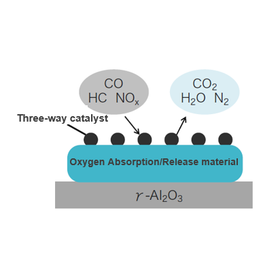
Tohoku Univ. Technology:Oxygen storage material, catalyst for cleaning exhaust gas, and method for manufacturing oxygen storage material: T20-3135

Oxygen storage material comprising oxide containing κ phase having large specific surface area

CeO2-ZrO2 composite oxide with excellent oxygen storage capacity (OSC) has been used as an atmosphere control material for ternary catalysts used to purify exhaust gas from automobiles. Among CeO2-ZrO2 composite oxides, κ phase (cubic pyrochlore like structure) is known to exhibit the highest OSC. However, due to the high temperature required for the synthesis process of κ phase, the specific surface area is significantly reduced and practical application of κ phase is difficult.  In the present invention, it has become possible to provide an atmosphere-controlling material consisting of an oxide containing κ phase, in which the decrease in the specific surface area is greatly suppressed by the synthesis process at a lower temperature than in the conventional process. The low temperature is realized by adding Fe oxide during the synthesis of the complex oxide. The material by this synthesis process shows a clear XRD pattern assigned to the κ phase and has a specific surface area of 3 m2/g or more. This shows the possibility of practical application of the κ phase, and it can be said that the technology is expected to improve the purification ability of exhaust gas.

  • others

Added to bookmarks

Bookmarks list

Bookmark has been removed

Bookmarks list

You can't add any more bookmarks

By registering as a member, you can increase the number of bookmarks you can save and organize them with labels.

Free membership registration

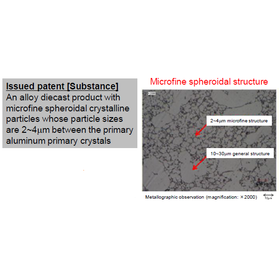
Tohoku University Technology: A semi-solid diecast product with its particles’ diameter as 2~4μm: T12-102

A cost down semi-solid die-casting method, applicable to present apparatus

Compared with semi-solid diecast products, the ones produced by conventional diecast methods not only arise rougher surface, but also trend to fail to fill up the end surface with thickness of 0.1mm. So far, semi-solid diecast method cannot be simply applied to conventional apparatus, and thus increased cost turns to be a problem in industry.  This invention solves such a problem by optimization of proportion of solid phase, sleeve factor, and nucleation temperature for conventional apparatus. Semi-solid slurry can be generated in the sleeves of conventional apparatus, and notably, the thin surface fill-up result shows satisfied roughness and dimensional accuracy. [Substance] patent has been issued.

  • others

Added to bookmarks

Bookmarks list

Bookmark has been removed

Bookmarks list

You can't add any more bookmarks

By registering as a member, you can increase the number of bookmarks you can save and organize them with labels.

Free membership registration

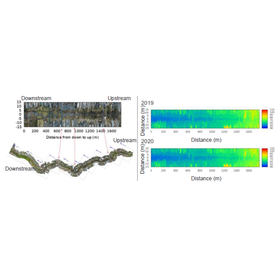
Tohoku University Technology:Program for automatic extraction and longitudinal visualization of topographic cross section: T20-504_S20-074

Easy viewing of curved topography! Useful program for management of river, road, waterway, coastline, etc.!

Point cloud data obtained from UAV photogrammetry is processed to create orthomosaic image, bird's eye view and 3D model, in order to understand the topography. However, in curvilinear topography such as river, road, waterway and coastline, it is difficult to grasp the whole picture of the curvilinear topography and its surrounding areas because these models are displayed in curvilinear form as they are.  This technology provides a method and a program that can easily grasp curved topography visually. It has concretely the following features.  ◆Automatic extraction of cross-sections from 3D point cloud  ◆Easy viewing of the entire image by linear arrangement of curved topography  ◆Able to compare topography changes over multiple time period  ◆Obtain elevation of cross-sectional and longitudinal sections of the target topography  ◆Display seasonal changes of the surrounding environment (vegetation, etc.)

  • others

Added to bookmarks

Bookmarks list

Bookmark has been removed

Bookmarks list

You can't add any more bookmarks

By registering as a member, you can increase the number of bookmarks you can save and organize them with labels.

Free membership registration

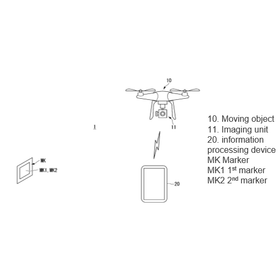
Tohoku University Technology: Marker, information processing device and program : T20-626

Detect more information from captured image with accuracy while avoiding the increase of marker number

Currently, research and development are being conducted on information processing device that reads information indicated by markers on the image taken by a moving object such as robot, and that controls the moving object. More the complexity of mobile object movement increases, more the information quantity to be read from the markers becomes important. When there are huge information, the information of each marker is read by the information processing device, but the marker number increases as the information increases. As a result, the information processing device is unable to operate the moving object with accuracy.   This invention is able to provide marker, information processing device and program that can accurately detect more information from the captured images in which markers are captured, while avoiding the increase of marker number. This invention has 1st marker indicating the 1st information and 2nd marker indicating the 2nd information that are superimposed on the marker, which reflect electromagnetic wave of each wavelength band and indicate the information by different encoding. This allows more information to be detected with accuracy from the captured image, while avoiding the increase of marker number.

  • others

Added to bookmarks

Bookmarks list

Bookmark has been removed

Bookmarks list

You can't add any more bookmarks

By registering as a member, you can increase the number of bookmarks you can save and organize them with labels.

Free membership registration

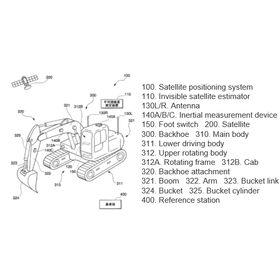
Tohoku University Technology: Satellite positioning method, device, system and construction equipment: T19-444

Positioning process continues even if the object posture is changed

 Currently, satellite positioning method using signal emitted from satellite is known to determine the location of an object. Construction equipment such as backhoe and dump truck changes its position and posture. For example, a dump truck changes its posture with the angle of his cargo bed change. As a result, construction equipment with such changing position and posture may not be able to continue the position determination process.   This invention is able to continue the process of determining one object's position even if this object changes its posture. In determining the position of an object using signal emitted from satellite, the invention determines the position of the object without using signal emitted from invisible satellite that may not be able to receive direct waves when the object's posture changes. This improves the accuracy of position information even when one object's posture changes.

  • others

Added to bookmarks

Bookmarks list

Bookmark has been removed

Bookmarks list

You can't add any more bookmarks

By registering as a member, you can increase the number of bookmarks you can save and organize them with labels.

Free membership registration

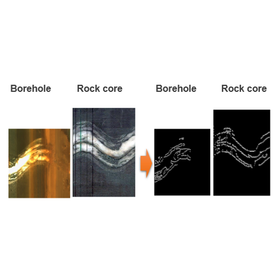
Tohoku University Technology: Rock core orientation method by image analysis: T20-3110

Possible to orientate rock core objectively and automatically

Cylindrical rock sample (rock core) taken from a well is analyzed for underground resources exploitation. Analysis of rock core can be used to estimate subsurface material and to measure physical property of formation in a simple way at low cost. Moreover, if the orientation of rock core at in-situ status is known, it is expected to estimate information on the formation, such as the direction of crustal stress, the anisotropy of permeability and the direction of subsurface fault.   There is a conventional method to orientate rock core by tracing the borehole image taken by logging and matching it with the surface image of the rock core. This method takes a long time and leads to a subjective conclusion since the orientation is determined visually.  This invention is about a method to orientate rock core by image analysis, which enables orientation in a shorter time with an objective process than conventional method.

  • others

Added to bookmarks

Bookmarks list

Bookmark has been removed

Bookmarks list

You can't add any more bookmarks

By registering as a member, you can increase the number of bookmarks you can save and organize them with labels.

Free membership registration

Tohoku Univ. Technology:Renal function improving agent:T13-090

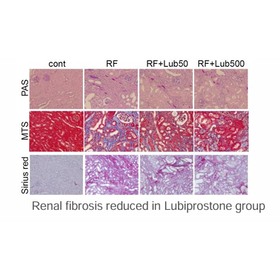
Drug repositioning of Lubiprostone Exploratory P2 is over!

 Toxin adsorbents such as SGLT2 inhibitors and cremedin have been used as pharmacotherapy for kidney disease. Lubiprostone, which is also used as a constipation drug, was shown to be effective as a treatment for chronic kidney disease (CKD). Lubiprostone was also found to suppress the decline in renal function. In an investigator-initiated clinical trial, the inventors conducted an exploratory study to investigate the efficacy and safety of 8 μg/day and 16 μg/day of lubiprostone in reducing renal function in patients with chronic kidney disease, using a placebo control. (The results can be disclosed under individual contracts.)

  • others

Added to bookmarks

Bookmarks list

Bookmark has been removed

Bookmarks list

You can't add any more bookmarks

By registering as a member, you can increase the number of bookmarks you can save and organize them with labels.

Free membership registration

Tohoku Univ. Technology: Apparatus for imaging closed crack:T12-107

To provide an apparatus improved in distinguishability of closed cracks, bubbles, or lesions

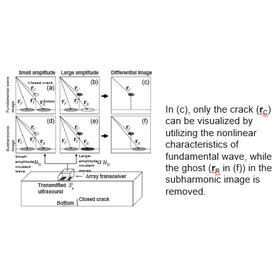
Nondestructive evaluation (NDE) of cracks, delamination, and kissing bonds is important for safely managing and operating structures and components. Ultrasonic NDE is widely used, and ultrasonic phased array has become one of the primary methods for imaging internal defects. However, there are problems regarding measurement errors of closed defects, such as closed cracks, and discrimination of cracks against other defects and geometric changes.  With the present invention, it has become possible to provide an imaging apparatus capable of detecting defects represented by closed cracks with high accuracy and high discrimination. Further application of the apparatus can be expected to detect bubbles and lesions contained in tissues. In the present invention, by utilizing the incident-wave-amplitude dependence of the fundamental scattered waves, the closed cracks can be visualized with a higher signal-to-noise ratio than the existing technology.

  • others

Added to bookmarks

Bookmarks list

Bookmark has been removed

Bookmarks list

You can't add any more bookmarks

By registering as a member, you can increase the number of bookmarks you can save and organize them with labels.

Free membership registration

Tohoku Univ. Technology:Scintillator material:T21-330

To provide a scintillator crystal having high- density exceeding existing scintillators

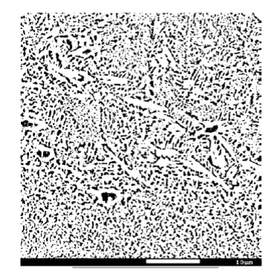
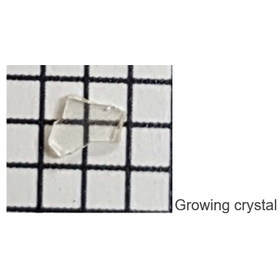
 Scintillators are used for detectors of X-ray, γ-ray, α-ray, β-ray, and neutron. In particular, high-density scintillator crystals have characteristics such as a) high radiation blocking ability, b) high effective atomic number, and c) high density. Although PbWO4 single crystal is widely used in existing high density scintillator materials, new scintillator materials are required for further improvement of detector performance and environmentally friendly lead-free scintillator materials.   The present invention makes it possible to provide new materials beyond existing scintillator materials as a result of utilizing the excellent crystal growth technology possessed by the inventors. Generally, high-density scintillator materials are known to have high melting points, but the difficulty of crystal growth overcame to complete the present invention (an example is shown on the right). At present, a large-diameter technology is being developed for mass-production of the crystal.

  • others

Added to bookmarks

Bookmarks list

Bookmark has been removed

Bookmarks list

You can't add any more bookmarks

By registering as a member, you can increase the number of bookmarks you can save and organize them with labels.

Free membership registration

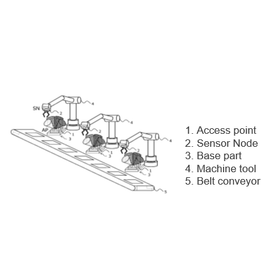
Tohoku University Technology: Communication circuit system : T20-3063

Avoid inter-system interference and improve space usage efficiency

 In a factory for example, the end of a wired network is an access point such as a wireless LAN. The connection to the object beyond that point is made by a wireless communication system. Therefore, the wireless IoT communication is important for network connection to object. Wireless IoT communication often uses wireless LAN, Bluetooth, etc., which are unlicensed band, causing interference between systems, resulting in throughput reduction or real-time performance lack.   This invention is able to suppress inter-system interference using adjacent same frequency bands and to improve space usage efficiency. This communication circuit is equipped with an access point for wireless communication with a plurality of sensor nodes.  This invention measures the rotation period and direction of sensor nodes, controls the direction of the beam sent out from each access point, and communicates to sensor nodes available in the communication range. It suppresses inter-system interference using adjacent same frequency bands and improves space usage efficiency.

  • others

Added to bookmarks

Bookmarks list

Bookmark has been removed

Bookmarks list

You can't add any more bookmarks

By registering as a member, you can increase the number of bookmarks you can save and organize them with labels.

Free membership registration

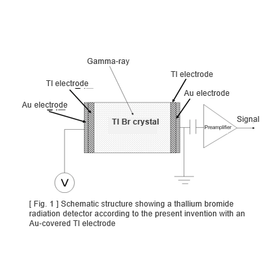
Tohoku Univ. Technology:Permanent use type Thallium bromide radiation detector:T07-141

Both PET and conventional radiation detectors can prevent polarization and can be used for a long time

 The present invention relates to a thallium halide radiation detector such as thallium bromide (TlBr) used in a positron tomography imaging diagnostic apparatus (PET), a single-photon radiation computed tomography apparatus (SPECT), and the like, and to PET or SPECT equipped therewith.   On the background of PET, a radiation detector using a CdTe crystal is used for a high-performance type detector, but it has a problem that it is a covalent crystal, has a high melting point, and is expensive to fabricate. For example, the price of only a crystal per device is expensive at several hundred million yen. Therefore, thallium halide such as TlBr, which is inexpensive, has attracted attention as an alternative material to CdTe.  According to the present invention, since conduction ions in thallium halide crystals such as TlBr do not cause polarization phenomena in the detector, an inexpensive thallium halide radiation detector with a long lifetime can be obtained. In addition, the present invention is applicable to general radiation detectors, not limited to PET.

  • others

Added to bookmarks

Bookmarks list

Bookmark has been removed

Bookmarks list

You can't add any more bookmarks

By registering as a member, you can increase the number of bookmarks you can save and organize them with labels.

Free membership registration

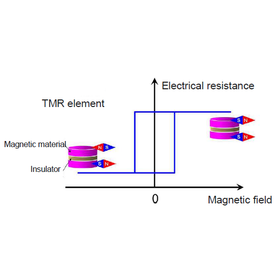
Tohoku University Technology: Co-based magnetic alloy for high TMR element: T19-018

TMR ratio over 200% with no B addition, low temperature heat treatment and sputtered film formation

TMR element showing the tunnel magnetoresistance (TMR) effect, has been applied to products such as magnetic sensor, non-volatile memory, etc. The TMR ratio, which represents the variation ratio of element resistance, is one of the element performance indicator and it is an important characteristic that influences the specification of the applied product. TMR element using amorphous FeCoB magnetic alloy and MgO tunnel barrier is currently the main material and can be fabricated by sputtering method which is suitable for mass production. This is an excellent material which becomes FeCo/MgO crystal when B is diffused by heat-treating the element and shows 200-600% TMR ratio. However, heat treatment with B diffusion could be a factor in reducing the functionality of other layers adjacent to FeCo. This invention provides a technology for Co-based magnetic irregular alloy showing TMR ratio comparable to FeCoB by low temperature heat treatment, even without the addition of B.

  • others

Added to bookmarks

Bookmarks list

Bookmark has been removed

Bookmarks list

You can't add any more bookmarks

By registering as a member, you can increase the number of bookmarks you can save and organize them with labels.

Free membership registration

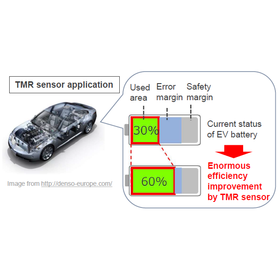
Tohoku University Technology: Magnetic sensor: T19-383

Tunnel magneto-resistive sensor (TMR sensor) with high sensitivity and accuracy

Various magnetic sensors such as the Hall sensor, are widely used for the realization of an advanced IoT society. In particular, magnetic sensors based on the tunnel magnetoresistance effect (TMR sensor) discovered at Tohoku University has made dramatic progress in increasing sensitivity, making it possible to detect a weak magnetic field such as bio-magnetic field.  However, the conventional TMR sensor did not achieve both high sensitivity and accuracy.  This invention is able to provide a TMR sensor with extremely high linearity output which is necessary to achieve high sensitivity and accuracy, by controlling the higher-order magnetic anisotropy of the used ferromagnetic material.

  • others

Added to bookmarks

Bookmarks list

Bookmark has been removed

Bookmarks list

You can't add any more bookmarks

By registering as a member, you can increase the number of bookmarks you can save and organize them with labels.

Free membership registration

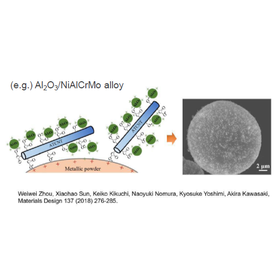
Tohoku University Technology: Metal / ceramic composite material: T16-100

Possible to produce high laser absorption metal powder with finely dispersed ceramic on the surface, and metal/ceramic composite material having complex shape!

Metal and ceramic repel each other when mixing due to their positive surface charge. So since they are dispersed away, the composite can not be formed. The conventional technology uses a binder composed mainly of polyvinyl alcohol to glue metal and ceramic. This is then sintered in order to make a composite powder.  However, the binder reduces the functionality due to compositional change (specifically, mechanical property deterioration, optical absorbance decrease, etc.) and handling during production is difficult.  This invention is able to easily make ceramic / metal composite by using carbon nanotube (CNT). Application of various powder to bulk material is expected, such as sintered material and composite material by 3D printer. It is also possible to create a pure composite of metal / CNT, and this technology is expected to improve the antioxidation property of the base metal material.

  • others

Added to bookmarks

Bookmarks list

Bookmark has been removed

Bookmarks list

You can't add any more bookmarks

By registering as a member, you can increase the number of bookmarks you can save and organize them with labels.

Free membership registration

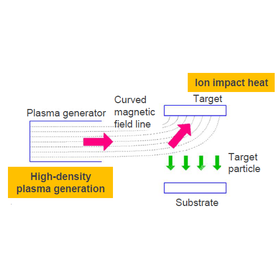
Tohoku University Technology: High-density plasma sputtering device: T16-141

Damage-less sputtering / Independent control of ion energy and flux / Useable in ferromagnetic target

With the increase of request for device miniaturization and thin crystal film quality improvement, the ion damage on substrate has become a major issue in sputtering. The magnetron sputtering method is widely used but since the plasma is formed directly between the target material and the substrate, “1 it is difficult to avoid ion damage”. This issue is amplified when generating highdensity plasma. In addition, since a single power supply is responsible for both the plasma generation and ion attraction, “2 it is impossible to independently control the ion flux and energy flowing into the target material”. Moreover, since the plasma is confined by the magnetic leakage flux on the target surface, “3 it is difficult to use for ferromagnetic material target”.  This invention solves above 1/2/3 issues by generating highdensity plasma with helicon discharge and by controlling the plasma shape with a curved magnetic field, etc. This invention could also be considered to be used as a heating mechanism of the target material, or as an uniform & fast film deposition.

  • others

Added to bookmarks

Bookmarks list

Bookmark has been removed

Bookmarks list

You can't add any more bookmarks

By registering as a member, you can increase the number of bookmarks you can save and organize them with labels.

Free membership registration

Tohoku University Technology: Nanosheet and its manufacturing method: T19-821

Possible to integrate into small electronic device and to control heat flow

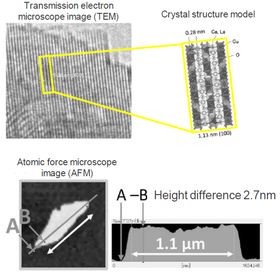
Actually, the waste heat below 200℃ emitted by electronic device, etc., is difficult to control and therefore, it is not effectively reused. This heat reduces performance and lifespan of electronic device. A heat engine that uses MEMS to control the heat flow has been developed, but it requires a relatively large space to house the drive unit, making it difficult to integrate into small electronic device.  This invention is able to provide nanosheet and nanosheet manufacturing method. This nanosheet can be easily integrated into small electronic device, etc. which can control heat flow. It has a copper oxide layer with Cu and O bonded in a chain forming a ladder pattern, and its thickness is less than 100 nm. Due to this thinness, the nanosheet can be easily integrated into electronic devices that are becoming smaller, and the thermal conductivity can be controlled easily.

  • others

Added to bookmarks

Bookmarks list

Bookmark has been removed

Bookmarks list

You can't add any more bookmarks

By registering as a member, you can increase the number of bookmarks you can save and organize them with labels.

Free membership registration
Prev 1...56789 Next
  • 目的・課題から技術・サービスを探せるリスク対策&危機管理専門サイト
    • Contact this company

      Contact Us Online

    Products

    • Search for Products

    Company

    • Search for Companies

    Special Features

    • Special Features

    Ranking

    • Overall Products Ranking
    • Overall Company Ranking

    support

    • site map
    IPROS
    • privacy policy Regarding external transmission of information
    • terms of service
    • About Us
    • Careers
    • Advertising
    IPROS Services
    • >IPROS GMS | Search site for the manufacturing industry
    • >IPROS | Search site for the B2B industry
    COPYRIGHT © 2001-2026 IPROS CORPORATION ALL RIGHTS RESERVED.
    Please note that the English text on this page is automatically translated and may contain inaccuracies.