Ground reinforcement work | The necessity of reliably overcoming humus soil and difficult ground to protect buildings.
Ground reinforcement work

The necessity of ground reinforcement work to overcome humus layers and ultra-soft ground. The composite effect of stepped steel pipes and columns prevents settlement accidents and achieves strong ground bearing capacity.
The implementation of ground reinforcement work to safely support buildings on humus-rich soil and ultra-soft ground that spreads in areas such as landfills, riverbanks, and wetlands is an extremely important issue. If appropriate measures are not taken for such difficult ground, poor cement solidification due to organic soil and uneven settlement can occur, leading to fatal defects such as significant tilting of buildings and structural damage. The Tiger Pile method is a high-strength hybrid construction method that places a sturdy stepped steel pipe as the core material at the center of a soil-cement column. Even in unstable strata where the strength of the cement may be uncertain, the stepped steel pipe core, which has high material strength, shares and supports the load over the entire construction length, thereby reliably avoiding the risk of structural collapse. Thanks to excellent surface friction and the shear resistance of the steel pipe, it can stably secure the planned allowable vertical bearing capacity even in difficult ground conditions. GeoTech Co., Ltd. provides reliable reinforcement measures to safely tackle harsh soil conditions through rigorous ground analysis from preliminary surveys and a high-precision data management system.
Inquire About This Product
basic information
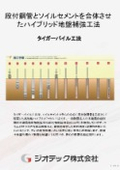
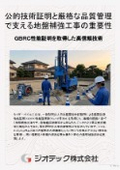
The Tiger Pile Method is equipped with highly reliable design specifications that respond to organic soil (humus land). The soil cement column diameters are available in three sizes: φ400, φ500, and φ600 mm, and the core material uses stepped steel pipes (φ76.3 mm, φ114.3 mm) that exhibit high adhesion effects. The adjustable steel pipe length ranges from 0.5 to 8.0 m, and based on the public standards certified by the General Incorporated Foundation Japan Building Disaster Prevention Association (GBRC Performance Certification No. 06-12 Rev. 4), it enables reliable reinforcement design without excess or deficiency even in difficult ground conditions.
Price information
Delivery Time
Applications/Examples of results
It is extremely effective for foundation ground reinforcement purposes of single-family homes and small buildings in difficult ground conditions where cohesive soil layers and organic soil (humus soil) are deeply distributed. It is selected to ensure the planned vertical bearing capacity in harsh sites where conventional columnar improvement raises concerns about insufficient strength and quality deterioration. It is utilized in practice by designers and contractors who want to structurally eliminate the risk of differential settlement and build safe building foundations for long periods, regardless of the adverse conditions of the land.
catalog(4)
Download All Catalogs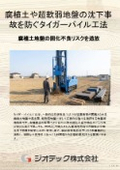
Company information

-