[Excavation Soil Investigation] Comprehensive Techniques for All Layer Investigations by Excavation Depth to Fully Tackle Chiba Prefecture's Soil Regulation.
Soil survey

Completely conquer the strict local rules such as the Chiba Prefecture soil disposal ordinance! We will achieve zero rejections by using appropriate full-layer sampling techniques according to the excavation depth.
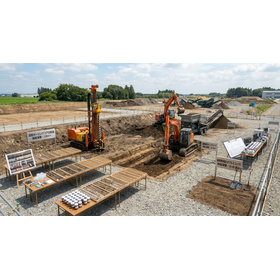
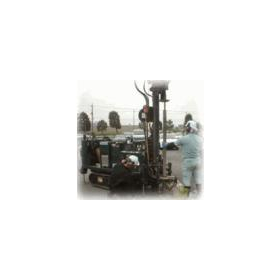
This is a highly specialized environmental analysis service unique to designated investigation agencies that balances the proper disposal of construction-generated soil (construction residual soil) with the avoidance of soil risks in land transactions. We completely eliminate critical risks that frequently occur in the practical aspects of soil removal, such as "work stoppages due to inadequate sampling" and "refusal of acceptance due to insufficient analysis items," through thorough pre-specification confirmation procedures. In accordance with regulations that require "full-layer sampling based on excavation depth," we utilize techniques such as dry drilling to accurately reflect the soil composition at different depths during sample collection. Additionally, we have established a comprehensive countermeasure scheme from the sampling stage for additional analysis items, such as oil content and dioxins, which are uniquely specified by private disposal sites. Anticipating a stringent review environment where the reuse of existing data is not permitted in public works in the metropolitan area and local government residual soil ordinance registration practices, we provide clear official analysis data specific to the lot quickly, enabling efficient disposal of residual soil without halting construction.
Inquire About This Product
basic information
This is a specification for high-precision soil analysis and precise sampling to fully comply with the construction soil regulations (residual soil regulations) of each municipality and the acceptance specifications for public works. The method employs a waterless rotary double-tube technique to prevent chemical changes and thermal alteration of the core during drilling and sampling, ensuring perfect uniform sampling of all layers according to the maximum excavation depth. The analysis items include standard hazardous heavy metals and volatile organic compounds, as well as oil content, dioxins, COD, and total nitrogen specified individually by private disposal sites. The specification covers everything from the issuance of measurement certificates to the preparation of application documents with site photos and plot diagrams necessary for registration practices that prohibit the reuse of data from other sites.
Price information
Price range
P3
Delivery Time
P4
Applications/Examples of results
It will be introduced to build official evidence to clear the acceptance review for the disposal of construction-generated soil (excavated soil) in major projects, public works, and private development activities in the metropolitan area in one go. Before construction begins, procedures will be implemented to confirm the residual soil regulations of the municipality where the soil will be transported, as well as the specifications for sampling methods and analysis items set by the disposal site, to prevent mismatches on site. It will be used for planned construction management that does not halt work and for reducing residual soil costs, including preventing contamination bypass in the depth direction through full-layer sampling according to excavation depth, expediting the registration process for site-specific practices deemed non-transferable, and clearing additional analysis items such as oil content and dioxins.
catalog(1)
Download All Catalogs
Company information

-


![Soil Analysis Survey [Leave it to us regarding analysis related to generated soil and soil contamination countermeasures]](https://image.www.ipros.com/public/product/image/c1d/2000571271/IPROS07267132857273683574.png?w=280&h=280)
![[Not Public] Soil Contamination | Category B](https://image.www.ipros.com/public/product/image/321794/IPROS4400175568595756491.jpg?w=280&h=280)