
[Use Case] Identification of waste plastic from scrap and leftover materials generated by our factory.

Proper sorting of our company's waste can also serve as a way to appeal to our commitment to the environment!
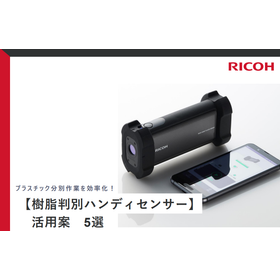
We would like to introduce a case study utilizing the "Resin Discrimination Handy Sensor" for the identification of waste plastics from scrap materials and offcuts. In this case, waste materials generated in our own factory and offcuts produced during the manufacturing process are being disposed of collectively, leading to a lack of proper sorting. By sorting the waste materials and offcuts, they can be handed over to intermediate processing companies, reducing processing costs and allowing for valuable transactions. [Case Overview] ■ Target Companies: Plastic product manufacturers, package printing manufacturers, electronics manufacturers ■ Issue: Collective disposal of waste materials and offcuts, neglecting sorting ■ Effect: Sorting materials that should be discarded, resulting in cost savings of several million yen *For more details, please refer to the PDF document or feel free to contact us.
Inquire About This Product
basic information
For more details, please refer to the PDF document or feel free to contact us.
Price range
P4
Delivery Time
P3
Applications/Examples of results
For more details, please refer to the PDF document or feel free to contact us.
catalog(2)
Download All Catalogs
Company information
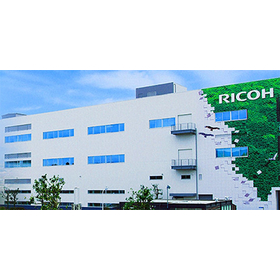
Ricoh's Environment and Energy Business Center is developing and providing new solutions aimed at building a sustainable society. To address the challenges of realizing a "decarbonized society" and a "circular society," we are working on creating environmental businesses in a "broader field that is not limited to traditional business areas."
![[VE Evaluation] Weather Risk Management Mobile 'KIYOMASA PRO'](https://image.www.ipros.com/public/product/image/2110087/IPROS2916142205131244335.png?w=280&h=280)