1~6 item / All 6 items
Displayed results
Added to bookmarks
Bookmarks listBookmark has been removed
Bookmarks listYou can't add any more bookmarks
By registering as a member, you can increase the number of bookmarks you can save and organize them with labels.
Free membership registration
Contact this company
Contact Us Online1~6 item / All 6 items

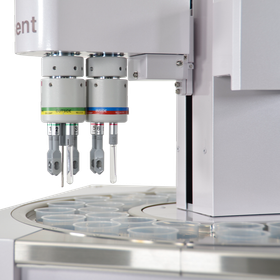
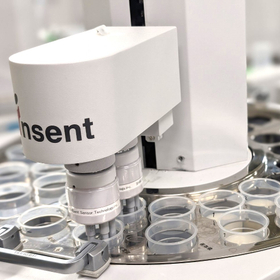
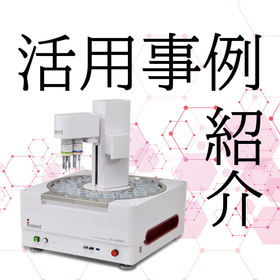
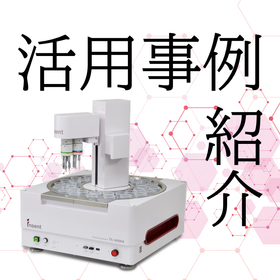
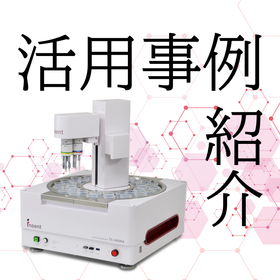
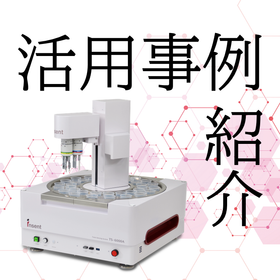
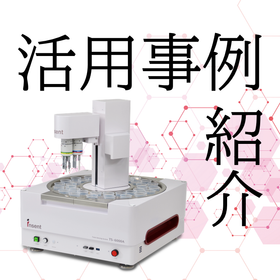
The taste recognition device TS-6000A can detect taste differences that were previously undetectable by conventional chemical analysis. A taste sensor with broad selectivity assesses the taste and can capture up to 11 types of taste items. With its unique "aftertaste" measurement, it is also possible to express "richness" and "sharpness," which could not be measured before. *Please feel free to contact us. *An English version of the catalog is also available. Please make use of it.
Added to bookmarks
Bookmarks listBookmark has been removed
Bookmarks listYou can't add any more bookmarks
By registering as a member, you can increase the number of bookmarks you can save and organize them with labels.
Free membership registration
A taste sensor (taste recognition device) is a machine that can measure taste using sensors that mimic the human tongue. In food manufacturing, panels actually taste the food with their tongues, and individual differences among panelists, as well as their physical condition and mood, can affect the objectivity and reproducibility of sensory data. Additionally, sensory testing itself is a demanding task that can lead to significant fatigue, and there are challenges in training panelists. Therefore, there has been a desire to develop taste recognition devices that can detect the taste perceived by humans to support the panels in the development of new food products and quality control on production lines. While sensors for light, sound, and other stimuli have advanced significantly, what are the reasons for the delay in the development of taste sensors? *For more details, please refer to the PDF document or feel free to contact us.*
Added to bookmarks
Bookmarks listBookmark has been removed
Bookmarks listYou can't add any more bookmarks
By registering as a member, you can increase the number of bookmarks you can save and organize them with labels.
Free membership registration
We accept paid contract analysis of taste sensors. *For details regarding costs, estimate requests, and the process from order to result reporting, please contact our company.
Added to bookmarks
Bookmarks listBookmark has been removed
Bookmarks listYou can't add any more bookmarks
By registering as a member, you can increase the number of bookmarks you can save and organize them with labels.
Free membership registration
Our taste sensor has a track record of implementation and consideration using various subsidies, including manufacturing subsidies.
Added to bookmarks
Bookmarks listBookmark has been removed
Bookmarks listYou can't add any more bookmarks
By registering as a member, you can increase the number of bookmarks you can save and organize them with labels.
Free membership registration
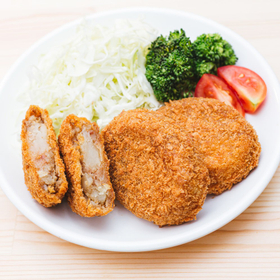
With the cooperation of the manufacturers, we measured 11 types of croquettes. Is there a difference in taste among the croquettes that we usually eat without thinking?
Added to bookmarks
Bookmarks listBookmark has been removed
Bookmarks listYou can't add any more bookmarks
By registering as a member, you can increase the number of bookmarks you can save and organize them with labels.
Free membership registration
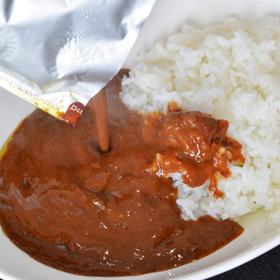
We measured ready-to-eat curry using a taste sensor. In recent years, the demand for ready-to-eat curry has increased among single-person households and dual-income families due to its cost performance (value for the price) and time efficiency (convenience and time-saving). Additionally, this demand has polarized into two categories: premium types that focus on quality ingredients and those supervised by renowned restaurants, and low-priced, everyday products that cater to consumers' desire to save due to rising prices. This time, we measured the taste trends of a medium-spicy beef curry from a manufacturer’s brand (NB) that can be purchased at supermarkets using a taste sensor. From a three-dimensional bubble graph that added product price as the size of the bubbles to the results of the taste sensor evaluating the original flavors and complexity of ingredients, represented as "bitterness and off-flavors (richness)," and the evaluation of saltiness and richness, we observed interesting results. Products with mild bitterness and off-flavors, as well as saltiness, were easy to eat and low-cost, making them popular standard items. In contrast, products with strong bitterness, off-flavors, and saltiness were distinguished as high-priced and authentic-tasting products.
Added to bookmarks
Bookmarks listBookmark has been removed
Bookmarks listYou can't add any more bookmarks
By registering as a member, you can increase the number of bookmarks you can save and organize them with labels.
Free membership registration