1~6 item / All 6 items
Displayed results
Filter by category

Added to bookmarks
Bookmarks listBookmark has been removed
Bookmarks listYou can't add any more bookmarks
By registering as a member, you can increase the number of bookmarks you can save and organize them with labels.
Free membership registrationContact this company
Contact Us Online1~6 item / All 6 items
Filter by category
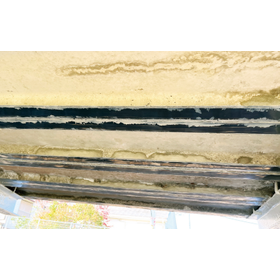
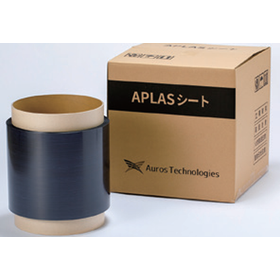
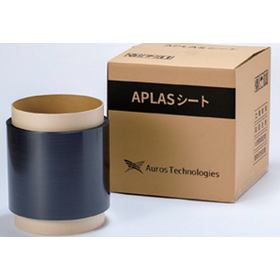
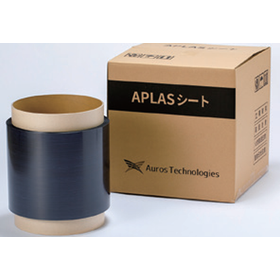
The "APLAS Sheet Method" significantly improves construction productivity and addresses on-site challenges through a reinforcement technique. It resolves the long construction periods and complexity of on-site work associated with traditional carbon fiber sheet methods using unique material technology. 【Features】 ■ The dedicated adhesive with leveling correction function eliminates the need for primer processes, drastically reducing the construction period from the conventional 4 days to just 1 day. ■ The paste-like adhesive prevents misalignment, demonstrating high operability even in upward applications such as ceiling surfaces, thereby reducing the burden on workers. ■ Bending and overlapping joints can be easily performed with on-site heating, allowing for flexible and speedy responses to complex structural shapes. ■ Quiet construction that suppresses noise, vibration, and exhaust gas, making it suitable for work in facilities that are operational or in residential areas at night. ■ Lightweight material that can be manually transported, helping to reduce costs associated with heavy machinery and scaffolding, contributing to the overall optimization of construction expenses. *For more details, please download the PDF or feel free to contact us.
Added to bookmarks
Bookmarks listBookmark has been removed
Bookmarks listYou can't add any more bookmarks
By registering as a member, you can increase the number of bookmarks you can save and organize them with labels.
Free membership registration
This is a proven track record that demonstrates high workability and safety in the reinforcement of station platform slabs. Daytime construction was completed while trains were running, minimizing the impact on the surrounding area. ■ Daytime work eliminates the need for night shift premium wages, lighting equipment, and additional security personnel costs, thereby reducing construction expenses. ■ The lightweight sheet material can be transported manually, allowing for flexible responses even in sites with restricted access routes. ■ The risk of accidents and contact associated with heavy machinery operation is eliminated, ensuring high safety for both workers and users. ■ Noise, vibration, and exhaust emissions are significantly reduced, lowering the risk of complaints from nearby residents and users. ■ Quick and quiet construction achieves reinforcement with minimal burden even in facilities that are operational. *For more details on the above case and information about the APLAS sheet method, please refer to the catalog download.
Added to bookmarks
Bookmarks listBookmark has been removed
Bookmarks listYou can't add any more bookmarks
By registering as a member, you can increase the number of bookmarks you can save and organize them with labels.
Free membership registration
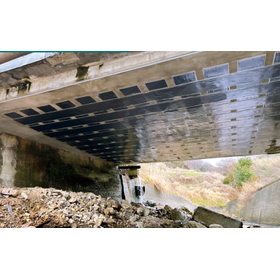
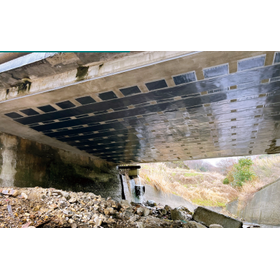
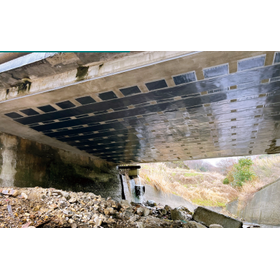
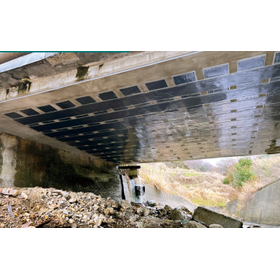
We would like to introduce our implementation results for road bridge deck reinforcement in Suzu City, Ishikawa Prefecture. Compared to conventional methods, we have achieved significant results in both reducing on-site burdens and costs. ■ The construction period was shortened from 4 days to 2 days, reducing the required man-hours from 12 to 6, a 50% reduction. ■ The processes of applying primer and leveling material have been eliminated, improving work efficiency. ■ The construction is completed with only the application of sheets in two directions, allowing for speedy restoration. ■ In a site with a reinforcement area of 20 square meters, we have significantly optimized the processes after surface preparation. *For more details on the above case and information about the APLAS sheet method, please refer to the catalog download.
Added to bookmarks
Bookmarks listBookmark has been removed
Bookmarks listYou can't add any more bookmarks
By registering as a member, you can increase the number of bookmarks you can save and organize them with labels.
Free membership registration
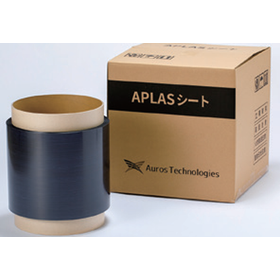
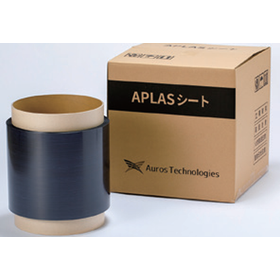
We are publishing the research results of the "Thermoplastic CFRP Sheet Bonding Method," which significantly improves productivity at infrastructure reinforcement sites. This is a demonstration document that addresses the challenges of "multiple processes and long construction periods" in conventional carbon fiber methods through our unique material technology. We invite you to check the full details of this highly practical technology that balances shortened construction periods and stable construction quality. ■ Key Topics and Demonstration Data in this Document Approximately 40% reduction in construction time: We have demonstrated the ability to integrate processes such as surface correction, shortening the construction period including curing time from the conventional 4 days to just 1 day. Ease of operation for upward construction: By utilizing paste-like resin, we confirmed that it is less likely to shift during application to ceiling surfaces, allowing for smooth continuous lamination. Achievement of high adhesion: We modified the surface of PPS resin through plasma treatment to ensure strong adhesion with epoxy resin. Reliability under harsh conditions: We proved the potential for outdoor use by passing 1000 hours of accelerated exposure tests and 2 million fatigue tests. *The full text can be viewed by downloading the catalog.
Added to bookmarks
Bookmarks listBookmark has been removed
Bookmarks listYou can't add any more bookmarks
By registering as a member, you can increase the number of bookmarks you can save and organize them with labels.
Free membership registration
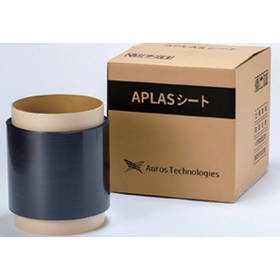
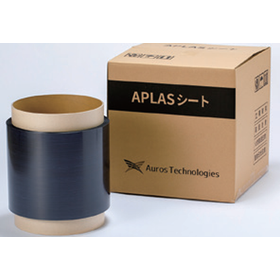
We provide the latest research materials focused on the urgent themes of "shortening reinforcement construction periods" and "simplifying construction" in addressing infrastructure aging issues. This paper demonstrates solutions using new materials to tackle the challenges faced by conventional methods. ■Contents of this paper Demonstrated reinforcement effect: Experimental evidence shows that thermoplastic CFRP sheets possess bending strength and crack dispersion effects equal to or greater than those of conventional carbon fiber sheets. Quantitative basis for process reduction: The newly developed adhesive resin simplifies processes such as surface correction, explaining a mechanism that can reduce construction time by approximately 40%. Safety of joint construction: Verification that performance can be maintained at levels equivalent to those without joints, even when joints are located at points of concentrated stress. Adhesion strength exceeding design guidelines: Data supports a robust adhesion performance with interfacial peel energy significantly exceeding design values. Please check the comprehensive details of this highly practical reinforcement technology that enables thermal bending processing and overlapping joints on-site. *The full text can be viewed by downloading the catalog.
Added to bookmarks
Bookmarks listBookmark has been removed
Bookmarks listYou can't add any more bookmarks
By registering as a member, you can increase the number of bookmarks you can save and organize them with labels.
Free membership registration
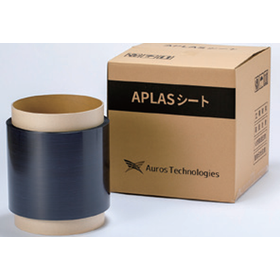
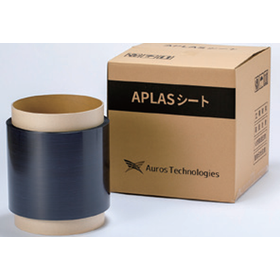
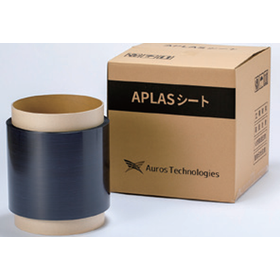
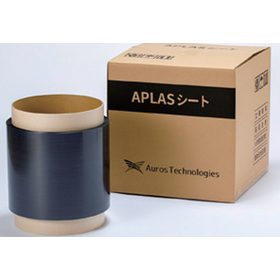
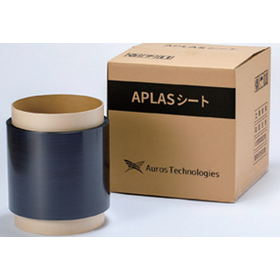
The "APLAS Sheet Method" is a new technique for reinforcing concrete structures using CFRTP sheets that are impregnated with thermoplastic resin (PPS resin). Unlike the currently mainstream carbon fiber adhesive method, which requires resin impregnation and curing processes, this method achieves reinforcement simply by adhering the sheets with a specialized adhesive. This results in a reduction in construction time, which can lead to lower direct construction costs and a decrease in the burden on on-site workers. The APLAS sheets used in this method are a new reinforcement material that has been given high adhesion properties through a unique plasma treatment technology. They meet the quality standards for reinforcement materials set by NEXCO, making them safe for use in infrastructure fields such as bridges. 【Features】 ■ Short construction period: Reduces the number of work hours after surface preparation by half. ■ Reduction in direct construction costs: Expected savings on labor costs and rental fees for temporary scaffolding. ■ Workability: Can be cut with a cutter or scissors, allowing for dimension adjustments on-site. *For more details, please download the PDF or feel free to contact us.
Added to bookmarks
Bookmarks listBookmark has been removed
Bookmarks listYou can't add any more bookmarks
By registering as a member, you can increase the number of bookmarks you can save and organize them with labels.
Free membership registration