1~45 item / All 68 items
Displayed results
Filter by category

Added to bookmarks
Bookmarks listBookmark has been removed
Bookmarks listYou can't add any more bookmarks
By registering as a member, you can increase the number of bookmarks you can save and organize them with labels.
Free membership registrationContact this company
Contact Us Online1~45 item / All 68 items
Filter by category
In the railway industry, proper evaluation of the subgrade is essential to ensure the stability and safety of the tracks. Deterioration of the subgrade can lead to decreased train performance and increase the risk of derailment accidents. Detailed ground surveys are particularly required in areas with aging subgrades or where ground conditions are prone to change. The ground survey system "RI Cone" enables rapid and high-precision ground surveys in situ, providing crucial information for assessing the integrity of the subgrade. 【Application Scenarios】 - Ground surveys of subgrades in new track construction and renovation projects - Deterioration diagnosis of existing subgrades - Stability evaluation of embankments and cuttings - Assessment of liquefaction risk 【Benefits of Implementation】 - Quickly grasp the strength and soil quality of the subgrade, allowing for appropriate measures to be taken - Accurately evaluate the effectiveness of ground improvement, contributing to the efficiency of construction - Identify liquefaction risks in advance and strengthen safety measures - Enhance the safety of railway operations
Added to bookmarks
Bookmarks listBookmark has been removed
Bookmarks listYou can't add any more bookmarks
By registering as a member, you can increase the number of bookmarks you can save and organize them with labels.
Free membership registration
In the wind power generation industry, the stability of the ground at the installation site of wind turbines significantly affects power generation efficiency and safety. Particularly, selecting a solid ground that can withstand natural phenomena such as strong winds and earthquakes is crucial. If the ground strength is insufficient, the risk of tower tilting or collapse increases, which can adversely affect the long-term operation of the power plant. The ground investigation system 'RI Cone' enables rapid and accurate assessment of ground strength and soil quality at the planned construction site of wind power plants. 【Usage Scenarios】 - Ground investigation at planned wind power plant construction sites - Diagnosis of ground deterioration at existing wind power plants - Measurement of the effectiveness of ground improvement works 【Benefits of Implementation】 - Optimization of foundation design for wind turbines - Reduction of construction costs - Improvement of power plant safety - Achievement of long-term stable operation
Added to bookmarks
Bookmarks listBookmark has been removed
Bookmarks listYou can't add any more bookmarks
By registering as a member, you can increase the number of bookmarks you can save and organize them with labels.
Free membership registration
In the dam industry, obtaining accurate data on soil permeability is essential to ensure the safety of the dam structure. Permeability directly affects the stability and durability of the dam, and improper soil assessment can lead to serious accidents such as leakage or collapse. The ground investigation system "RI Cone" enables rapid and high-precision soil surveys in situ, contributing to the safety management of dams. 【Usage Scenarios】 * Ground investigation of dam structures * Permeability evaluation of earthfill dams * Assessment of impermeability * Verification of ground improvement effects 【Benefits of Implementation】 * Shortened construction period due to rapid surveys * Reduced risk through high-precision data acquisition * Support for planning appropriate countermeasures * Evaluation of liquefaction risk
Added to bookmarks
Bookmarks listBookmark has been removed
Bookmarks listYou can't add any more bookmarks
By registering as a member, you can increase the number of bookmarks you can save and organize them with labels.
Free membership registration
In reclaimed land at ports, the stability of the ground is crucial, and accurate ground surveys are essential for its evaluation. In particular, the geology of reclaimed land is complex, and it is necessary to understand the consolidation conditions and the risk of liquefaction. Traditional survey methods can be time-consuming and costly, making rapid response challenging. The ground survey system "RI Cone" enables quick and high-precision ground surveys in situ, contributing to solving issues in the ground evaluation of reclaimed land. 【Usage Scenarios】 - Understanding the consolidation conditions of dredged reclaimed land - Confirming the effects of ground improvement - Liquefaction assessment 【Benefits of Implementation】 - Rapid understanding of ground strength, soil classification, and physical property values - Reduction in survey time and costs - Contribution to the construction and maintenance of safe port facilities
Added to bookmarks
Bookmarks listBookmark has been removed
Bookmarks listYou can't add any more bookmarks
By registering as a member, you can increase the number of bookmarks you can save and organize them with labels.
Free membership registration
In the infrastructure industry, as the aging of structures progresses, it is important to accurately understand the condition of the ground and to carry out appropriate maintenance and management. In particular, changes in ground strength and deterioration of soil quality directly affect the safety of structures, necessitating prompt and detailed investigations. Traditional survey methods not only take time and incur costs but can also make it difficult to obtain accurate data. The ground survey system "RI Cone" enables rapid in-situ ground surveys, supporting the safe operation of infrastructure structures. 【Usage Scenarios】 - Foundation ground surveys for infrastructure structures such as bridges, tunnels, and roads - Diagnosis of ground deterioration in existing structures - Measurement of the effectiveness of ground improvement works 【Benefits of Implementation】 - Cost reduction and shortened construction periods through rapid surveys - Accurate diagnosis through high-precision data acquisition - Early detection and countermeasures for liquefaction risks
Added to bookmarks
Bookmarks listBookmark has been removed
Bookmarks listYou can't add any more bookmarks
By registering as a member, you can increase the number of bookmarks you can save and organize them with labels.
Free membership registration
In the field of disaster prevention, it is important to accurately understand the vulnerability of the ground in order to minimize damage caused by liquefaction during an earthquake. In particular, identifying areas prone to liquefaction is essential for implementing preventive measures. Traditional survey methods not only take time and cost but also have limitations in obtaining detailed data. The ground survey system "RI Cone" enables rapid and high-precision ground surveys in situ, streamlining liquefaction risk assessment. 【Usage Scenarios】 - Surveying areas with potential liquefaction - Ground surveys before seismic reinforcement work on existing structures - Liquefaction risk assessment of reclaimed land and developed sites - Collection of ground data for creating disaster prevention maps 【Benefits of Implementation】 - Rapid surveys enable early countermeasures - More accurate risk assessment through high-precision data acquisition - Contributes to prioritizing liquefaction countermeasures - Supports the formulation of disaster prevention plans
Added to bookmarks
Bookmarks listBookmark has been removed
Bookmarks listYou can't add any more bookmarks
By registering as a member, you can increase the number of bookmarks you can save and organize them with labels.
Free membership registration
In the construction industry, especially in foundation design, it is essential to accurately understand ground information to ensure the safety and durability of buildings. Accurately grasping the strength and soil quality of the ground is important for conducting appropriate foundation design and preventing risks such as differential settlement and liquefaction. Traditional survey methods can be time-consuming and costly, and there is a demand for rapid data acquisition. The ground survey system "RI Cone" enables quick and high-precision ground surveys in situ, contributing to solving challenges in foundation design. 【Usage Scenarios】 * Understanding consolidation conditions in weak ground * Confirming the effects of ground improvement * Liquefaction assessment 【Benefits of Implementation】 * Shortening design periods through rapid acquisition of ground information * Improving safety through accurate understanding of ground information * Potential for cost reduction
Added to bookmarks
Bookmarks listBookmark has been removed
Bookmarks listYou can't add any more bookmarks
By registering as a member, you can increase the number of bookmarks you can save and organize them with labels.
Free membership registration
In the maintenance and management of railway infrastructure, the quality of concrete structures is extremely important. Particularly in critical structures such as bridges and tunnels, cracks and deterioration in concrete can lead to serious accidents. Therefore, it is essential to ensure the quality of concrete and maintain the safety of the infrastructure. Our ready-mixed concrete quality improvement system aims to enhance quality management and improve infrastructure safety by remotely monitoring the unit water content of fresh concrete in real-time. 【Usage Scenarios】 - Construction and repair work of concrete structures such as bridges, tunnels, and station buildings - Manufacturing of precast concrete products - Strengthening the concrete quality management system 【Benefits of Implementation】 - Increased longevity of infrastructure structures due to improved concrete quality - Streamlined quality management and cost reduction - Reduced accident risks and enhanced safety
Added to bookmarks
Bookmarks listBookmark has been removed
Bookmarks listYou can't add any more bookmarks
By registering as a member, you can increase the number of bookmarks you can save and organize them with labels.
Free membership registration
In the plant industry, quality control of ready-mixed concrete and the establishment of an efficient production system are required. In particular, maximizing the operational efficiency of the plant and supplying concrete of stable quality are essential for business success. Variability in quality and the complexity of management can lead to decreased productivity and increased costs. Our ready-mixed concrete quality improvement and remote monitoring system monitors the unit water content of fresh concrete in real-time on the cloud, supporting quality stabilization and efficient plant operations. 【Usage Scenarios】 - Ready-mixed concrete manufacturing plants - Quality control departments - Companies aiming to improve productivity 【Benefits of Implementation】 - Stabilization of quality through real-time quality monitoring - Improvement in productivity - Reduction of unnecessary costs
Added to bookmarks
Bookmarks listBookmark has been removed
Bookmarks listYou can't add any more bookmarks
By registering as a member, you can increase the number of bookmarks you can save and organize them with labels.
Free membership registration
In the port industry, ensuring the quality of concrete structures in infrastructure development is crucial. Particularly, to enhance durability in harsh environments, quality control of ready-mixed concrete is essential. Low-quality concrete can lead to early deterioration of structures and increased repair costs, ultimately resulting in higher expenses. Our ready-mixed concrete quality improvement and remote monitoring system monitors the unit water content of ready-mixed concrete in real-time, suppressing quality variations and addressing these challenges. 【Usage Scenarios】 - Construction and renovation of port facilities - Revetment work - Breakwater construction 【Benefits of Implementation】 - Improved durability of concrete structures - Reduced repair costs - Enhanced efficiency of quality management
Added to bookmarks
Bookmarks listBookmark has been removed
Bookmarks listYou can't add any more bookmarks
By registering as a member, you can increase the number of bookmarks you can save and organize them with labels.
Free membership registration
In dam construction, concrete cracking is a significant challenge that undermines the durability of structures. Cracking can lead to decreased water tightness and accelerate deterioration, threatening long-term safety. Quality control of fresh concrete is crucial to suppress the occurrence of cracks. Our "Concrete Unit Water Content Remote Monitoring System" monitors the unit water content of fresh concrete in real-time on the cloud, enhancing quality control. This contributes to reducing the risk of cracking. 【Usage Scenarios】 - Dam construction sites - Quality control during concrete placement - Reduction of cracking risk 【Benefits of Implementation】 - Improved concrete quality - Suppression of crack occurrence - Assurance of long-term structural safety
Added to bookmarks
Bookmarks listBookmark has been removed
Bookmarks listYou can't add any more bookmarks
By registering as a member, you can increase the number of bookmarks you can save and organize them with labels.
Free membership registration
In the bridge construction industry, quality control of concrete is crucial to ensure the long-term safety and durability of structures. In particular, accurate management of the unit water content in fresh concrete is essential to prevent cracking and deterioration. Improper unit water content can lead to a decrease in concrete strength and durability, potentially shortening the lifespan of bridges. Our "Concrete Unit Water Content Remote Monitoring System" monitors the unit water content of fresh concrete in real-time on the cloud, contributing to improved durability of bridges through thorough quality control. 【Usage Scenarios】 - Bridge construction projects - Repair and renovation work on existing bridges - Quality control of concrete structures 【Benefits of Implementation】 - Improved concrete quality - Enhanced durability - Long-term cost reduction
Added to bookmarks
Bookmarks listBookmark has been removed
Bookmarks listYou can't add any more bookmarks
By registering as a member, you can increase the number of bookmarks you can save and organize them with labels.
Free membership registration
In the civil engineering industry, there is always a demand for shortening construction periods and ensuring quality. The quality control of ready-mixed concrete is a crucial factor that influences the durability and safety of structures, and proper management of the unit water content is essential to prevent cracking and strength reduction. However, traditional quality control methods have faced challenges such as labor-intensive measurements and difficulties in real-time situation assessment. Our "Remote Monitoring System for Concrete Unit Water Content" addresses these issues by enabling real-time monitoring of the unit water content of fresh concrete in the cloud, contributing to process shortening and quality improvement. 【Usage Scenarios】 - Bridge construction - Tunnel construction - Dam construction - Road construction 【Benefits of Implementation】 - Reduction of rework labor through real-time quality management - Increased efficiency in quality management through the accumulation of quality data - Improved technical evaluation through NETIS registered technology
Added to bookmarks
Bookmarks listBookmark has been removed
Bookmarks listYou can't add any more bookmarks
By registering as a member, you can increase the number of bookmarks you can save and organize them with labels.
Free membership registration
In the construction industry, quality control of concrete is extremely important for ensuring the safety and durability of structures. In particular, managing the unit water content directly affects the strength and durability of concrete, necessitating accurate measurement and management. Inadequate management of unit water content can lead to cracking and reduced strength, potentially shortening the lifespan of structures. Our remote monitoring system for concrete unit water content monitors the unit water content of fresh concrete in real-time, streamlining quality control. 【Usage Scenarios】 - Quality control at ready-mix concrete manufacturing plants - Concrete placement management at construction sites - Remote monitoring by quality control personnel 【Benefits of Implementation】 - Stabilization of concrete quality - Increased efficiency in quality control operations - Early detection of issues through data visualization - Improved accuracy of records
Added to bookmarks
Bookmarks listBookmark has been removed
Bookmarks listYou can't add any more bookmarks
By registering as a member, you can increase the number of bookmarks you can save and organize them with labels.
Free membership registration
A strong ally in soil quality management! SRELink is an application for RI communication that simplifies the organization of data from RI measuring instruments as an ICT and DX promotion tool. Compatible models are ANDES (general specifications, model: SRDM-2SV) and WARP-mini (model: SRM-1WM). (*As of January 2026) - SRELink allows intuitive operation on smartphones and tablets. - Communication is conducted via Bluetooth, enabling data extraction. - Data is stored as CSV files, and report creation is possible within the app. *The general specifications of ANDES support report creation in printed format.
Added to bookmarks
Bookmarks listBookmark has been removed
Bookmarks listYou can't add any more bookmarks
By registering as a member, you can increase the number of bookmarks you can save and organize them with labels.
Free membership registration
We would like to introduce the "Concrete Unit Water Content Remote Monitoring System" that we handle. This system is a technology that saves the unit water content of fresh concrete measured by the continuous RI concrete moisture meter "COARA" in real-time on the cloud, enabling remote monitoring of the unit water content of the entire amount of fresh concrete. By utilizing this technology, improvements in productivity and quality are expected. Please feel free to contact us if you have any inquiries. 【Features】 ■ Concrete Unit Water Content Remote Monitoring System - Real-time saving of the unit water content of fresh concrete measured by "COARA" on the cloud. ■ COARA - Real-time measurement of the entire amount - Confirmation during pouring - Selectable options *For more details, please download the PDF or feel free to contact us.
Added to bookmarks
Bookmarks listBookmark has been removed
Bookmarks listYou can't add any more bookmarks
By registering as a member, you can increase the number of bookmarks you can save and organize them with labels.
Free membership registration
"SPITER" is a new one-hole RI density and moisture meter that can measure depths that conventional surface-type RI density and moisture meters could not measure. It can measure density and moisture not only at the ground surface but also in areas deeper than 50 cm. By using an extension rod, measurements can be taken at any desired depth, allowing for an understanding of the depth distribution of density and moisture within the ground. Additionally, by utilizing the installed guide pipe, it is possible to track the temporal changes in the density and moisture of the ground. 【Features】 ■ Achieves density and moisture measurement at depths that conventional surface-type RI density and moisture meters could not measure. ■ Applicable for compaction management of thick layers exceeding 60 cm in layer thickness. ■ Enables tracking of temporal changes in the density and moisture of the ground using the installed guide pipe. *For more details, please download the PDF or feel free to contact us.
Added to bookmarks
Bookmarks listBookmark has been removed
Bookmarks listYou can't add any more bookmarks
By registering as a member, you can increase the number of bookmarks you can save and organize them with labels.
Free membership registration
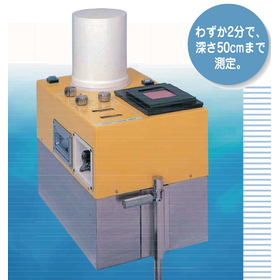
"ROCKY" is an RI-type surface transmission density meter that achieves speedy and accurate compaction management. In construction methods like the RCD method, where the lift thickness is large, a density measurement depth corresponding to the construction thickness is required. This product utilizes radioisotopes (RI) to achieve measurements at a depth of 50 cm. The reliability of the data has received high evaluations in various projects. Additionally, the measurement results are displayed on an LCD, printed out, and can store 2048 data points. Data transfer to a computer is also possible. 【Features】 ■ Easy to operate, with density results available in just 2 minutes ■ Safe to use as it has a sealed radiation source of 3.7 (MBq) (100 μCi) or less ■ Automatic correction of radiation source decay with a built-in calendar ■ Additional measurement depth of 20 cm available (optional) beyond the standard depths of 30, 40, and 50 cm *For more details, please download the PDF or feel free to contact us.
Added to bookmarks
Bookmarks listBookmark has been removed
Bookmarks listYou can't add any more bookmarks
By registering as a member, you can increase the number of bookmarks you can save and organize them with labels.
Free membership registration
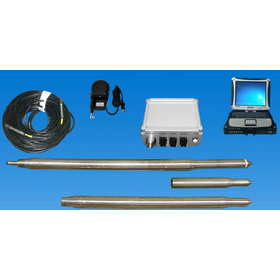
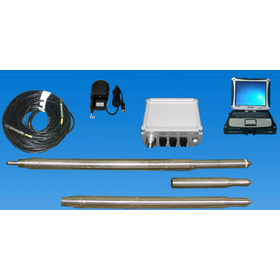
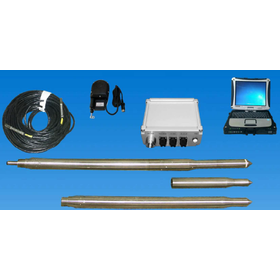
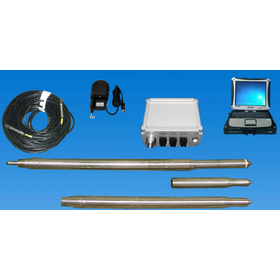
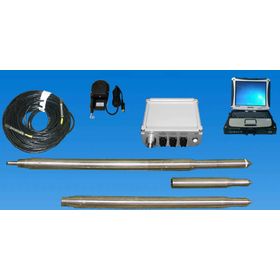
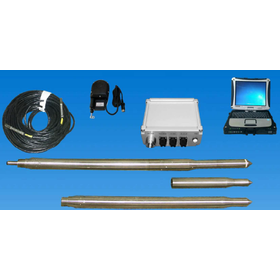
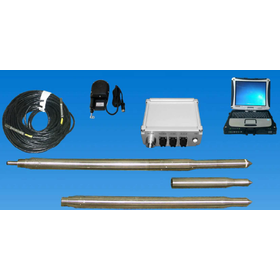
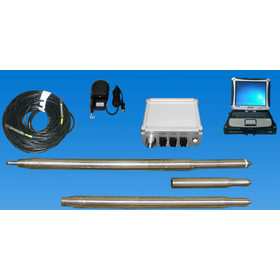
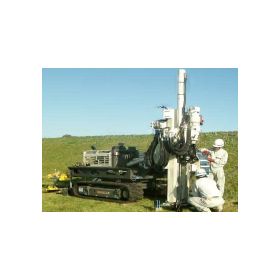
The "RI Cone" is a ground investigation system composed of a cone probe group that includes the RI density cone and the RI moisture meter cone, which measure the wet density and moisture content using RI, in addition to the three components measured by conventional electric cone penetration tests, along with a dedicated penetration vehicle and data recording equipment. It enables rapid and detailed acquisition and calculation of physical property values such as density and moisture ratio, in addition to understanding ground strength and soil classification, directly in the field. Furthermore, it allows for the assessment of consolidation conditions in soft ground such as dredged landfill sites, verification of ground improvement effects, and liquefaction determination. 【Features】 - Enables rapid and detailed acquisition and calculation of physical property values such as density and moisture ratio, in addition to understanding ground strength and soil classification, directly in the field. - Allows for the assessment of consolidation conditions in soft ground such as dredged landfill sites, verification of ground improvement effects, and liquefaction determination. - Can be applied to ground with an N value of approximately 20 when combined with a dedicated penetration vehicle. *For more details, please download the PDF or feel free to contact us.
Added to bookmarks
Bookmarks listBookmark has been removed
Bookmarks listYou can't add any more bookmarks
By registering as a member, you can increase the number of bookmarks you can save and organize them with labels.
Free membership registration
We would like to introduce our boron concentration continuous monitoring device, "Reebo." This product is inserted into the solution being measured and displays the results instantly. It has a wide measurement range (concentration range), and no pretreatment of the target solution is necessary. Additionally, no measurement work is required after installation, and daily maintenance is not needed except for inspections and source replacements every three years. 【Features】 ■ Instant result display ■ Capable of long-term continuous measurement ■ No daily maintenance required *For more details, please download the PDF or feel free to contact us.
Added to bookmarks
Bookmarks listBookmark has been removed
Bookmarks listYou can't add any more bookmarks
By registering as a member, you can increase the number of bookmarks you can save and organize them with labels.
Free membership registration
We would like to introduce the "Electric Cone Penetration Test (CPTU)" offered by Soil and Rock Engineering Co., Ltd. This test is a type of static sounding test that simultaneously measures three components: cone penetration resistance (qc), sleeve friction (fs), and pore water pressure (u) by attaching a cone to the tip of a rod. The penetration device is used to statically penetrate the ground, allowing for continuous measurement of ground information. Compared to boring surveys, this method enables rapid and detailed understanding of the mechanical and physical properties in situ. Additionally, our electric cone allows for continuous measurement of the wet density (ρt) and moisture content (ρm) during penetration by utilizing radioisotopes (RI). 【Features】 ■ Based on the measured data, it is possible to understand stratification, the consolidation status of soft ground, verify ground improvement effects, and assess liquefaction potential. ■ By using a dedicated penetration vehicle (with a maximum penetration force of 164 kN), it can penetrate ground with an N value of about 20 that does not contain large gravel or a significant amount of gravel. *For more details, please download the PDF or feel free to contact us.
Added to bookmarks
Bookmarks listBookmark has been removed
Bookmarks listYou can't add any more bookmarks
By registering as a member, you can increase the number of bookmarks you can save and organize them with labels.
Free membership registration
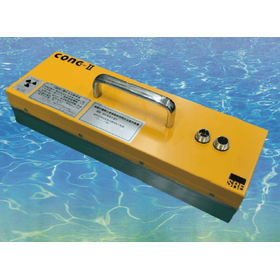
The "CONG-II" is a simple type of aggregate surface moisture meter for batch plants that can continuously measure the surface moisture content of aggregates. The measurement principle uses the RI method with a weak RI sealed radiation source, and data processing is performed on a computer, allowing for excellent adaptability to hardware and software modifications. Additionally, a single data processing system can handle up to four detectors. It can be easily installed in existing batch plants. 【Features】 ■ Continuously measures the surface moisture content of aggregates ■ Easily installable in existing batch plants ■ Measurement principle uses the RI method with a weak RI sealed radiation source ■ Data processing is performed on a computer, providing excellent adaptability to hardware and software modifications ■ A single data processing system can handle up to four detectors *For more details, please download the PDF or feel free to contact us.
Added to bookmarks
Bookmarks listBookmark has been removed
Bookmarks listYou can't add any more bookmarks
By registering as a member, you can increase the number of bookmarks you can save and organize them with labels.
Free membership registration
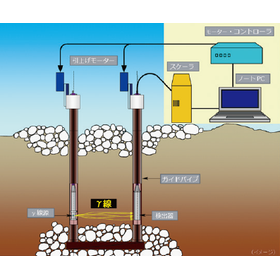
The "2-Hole RI Density Meter" is a frame-type two-hole measurement method in which two conduit frames are embedded in the fill layer at a 45-degree angle in parallel. One conduit frame contains a gamma ray source, while the other contains a gamma ray detector. The measurement is conducted by simultaneously raising both the source and the detector from the bottom of the embedded conduit frame, continuously measuring the compaction density in the depth direction between the frames. Therefore, it is suitable for quantifying the relationship between the compaction energy within the fill layer and the rolling effect, which is essential for fill construction (thick-layer construction). 【Features】 ■ Achieves continuous measurement in the depth direction with a two-hole system ■ Accurately quantifies the relationship between compaction energy and rolling effect within the fill layer ■ Enables accurate data measurement through gamma ray transmission method ■ Capable of measuring materials mixed with gravel *For more details, please download the PDF or feel free to contact us.
Added to bookmarks
Bookmarks listBookmark has been removed
Bookmarks listYou can't add any more bookmarks
By registering as a member, you can increase the number of bookmarks you can save and organize them with labels.
Free membership registration
In the solar power generation industry, the quality of the foundation ground is crucial for the stable operation of facilities. In particular, insufficient ground compaction can lead to subsidence or tilting of the facilities, which may result in decreased power generation efficiency and damage to the equipment. ANDES uses non-destructive testing with RI technology to quickly and accurately measure compaction levels, preventing these issues before they arise. 【Application Scenarios】 - Foundation ground construction for solar power generation facilities - Compaction management in land development projects - Ground surveys for existing facilities 【Benefits of Implementation】 - Improved ground quality management - Assurance of long-term stability of facilities - Reduced construction time and costs - Reliable quality management based on data
Added to bookmarks
Bookmarks listBookmark has been removed
Bookmarks listYou can't add any more bookmarks
By registering as a member, you can increase the number of bookmarks you can save and organize them with labels.
Free membership registration
In land development sites, insufficient compaction of fill can lead to serious issues such as differential settlement and soil liquefaction. To create safe residential land, it is essential to accurately assess the compaction state of the soil and implement appropriate construction management. ANDES allows for non-destructive measurement of compaction levels, enabling rapid data acquisition. [Usage Scenarios] - Compaction management of fill in land development projects - Quality control of developed land - Alternative to soil testing [Benefits of Implementation] - Reduction of ground settlement risks due to insufficient compaction - Shortened construction time through rapid measurement - Realization of quality control based on accurate data
Added to bookmarks
Bookmarks listBookmark has been removed
Bookmarks listYou can't add any more bookmarks
By registering as a member, you can increase the number of bookmarks you can save and organize them with labels.
Free membership registration
In harbor revetment construction, proper compaction of the fill is essential to ensure the stability of structures. Insufficient compaction can lead to ground subsidence and damage to structures. ANDES uses non-destructive testing with RI technology to quickly and accurately assess compaction levels, thereby improving quality control. 【Application Scenarios】 - Compaction management of fill in revetment construction - Compaction management in land reclamation projects - Soil quality surveys 【Benefits of Implementation】 - Ability to assess compaction status on-site - Improved work efficiency due to reduced measurement time - Strengthened quality control through data visualization
Added to bookmarks
Bookmarks listBookmark has been removed
Bookmarks listYou can't add any more bookmarks
By registering as a member, you can increase the number of bookmarks you can save and organize them with labels.
Free membership registration
In the road industry, the quality of the subgrade affects the durability and safety of the road. If proper compaction is not achieved, differential settlement and cracking may occur, leading to early deterioration of the road. ANDES rapidly and accurately evaluates the degree of compaction through non-destructive testing, improving quality management. This contributes to the longevity and safety of the road. 【Usage Scenarios】 - Compaction management of subgrade in new road construction and renovation projects - Quality assessment of existing roads - Compaction management of embankments 【Benefits of Implementation】 - Reduced construction time due to shortened measurement time - Improved quality management through data visualization - Ensured safety through non-destructive testing
Added to bookmarks
Bookmarks listBookmark has been removed
Bookmarks listYou can't add any more bookmarks
By registering as a member, you can increase the number of bookmarks you can save and organize them with labels.
Free membership registration
In the construction industry, particularly in earthworks, compaction management is a crucial factor that affects quality. If proper compaction is not performed, issues such as differential settlement and insufficient ground strength may arise, potentially impacting the safety of structures. Therefore, it is essential to accurately grasp the compaction state and conduct appropriate management. ANDES supports quality control by rapidly and accurately measuring compaction levels through non-destructive testing. 【Application Scenarios】 - Road construction - Airport construction - Dam construction - Land development - Embankment construction - Pipeline backfill construction 【Benefits of Implementation】 - Rapid assessment of compaction state - Measurement regardless of soil type - Multi-point measurement in a short time - Streamlined data management - Reduction of human error
Added to bookmarks
Bookmarks listBookmark has been removed
Bookmarks listYou can't add any more bookmarks
By registering as a member, you can increase the number of bookmarks you can save and organize them with labels.
Free membership registration
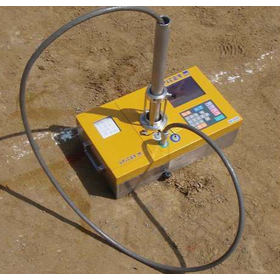
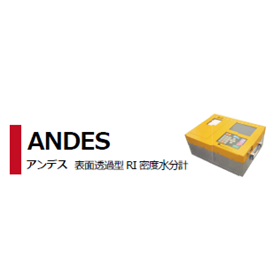
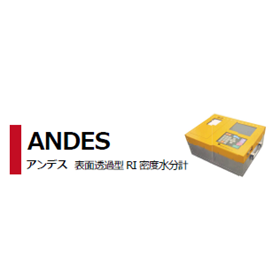
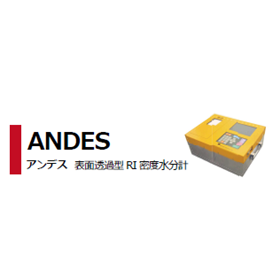
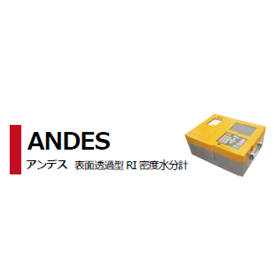
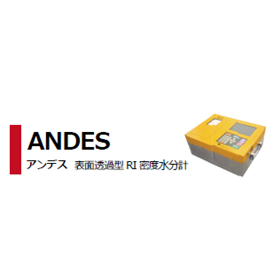
"ANDES" is a non-destructive measuring instrument that utilizes sealed radioisotopes (radioactive isotopes: RI). It can be easily transported to the necessary location at the necessary time, allowing for data to be measured simply, accurately, reliably, quickly, and safely. It can be used for "soil compaction management" in various earthworks, including roads, airports, dams, land development, embankments, and backfilling of pipelines. 【Features】 - On-site determination of the compaction state (degree of compaction) of embankments - Capable of assessment for any soil type - Measurement time is one minute per location, allowing for multiple measurements in a short time - Printing and statistical calculation functions for measurement data - Capability to store measurement data in the measuring instrument itself - Minimal human error factors in measurements - Easy data organization using a dedicated application on smartphones or PCs *The specifications of the measuring instrument include general specifications (Ministry of Land, Infrastructure, Transport and Tourism, prefectures including cities and towns, and private construction) and NEXCO specifications.
Added to bookmarks
Bookmarks listBookmark has been removed
Bookmarks listYou can't add any more bookmarks
By registering as a member, you can increase the number of bookmarks you can save and organize them with labels.
Free membership registration
In harbor construction, quality control of soil properties in land reclamation and ground improvement is crucial. In particular, the moisture content of the soil significantly affects compaction and strength, necessitating proper management. Inappropriate moisture content can lead to ground subsidence and damage to structures. WARP-mini is ideal for measuring the construction moisture content in ICT earthworks, capable of measuring moisture content in just 45 seconds. This enables rapid quality control and efficient construction. 【Usage Scenarios】 - Soil quality management in land reclamation projects - Moisture content measurement in ground improvement projects - Quality control in ICT earthworks 【Benefits of Implementation】 - Shortened construction time due to rapid moisture content measurement - Improved quality through appropriate moisture content management - Increased efficiency through integration with ICT technology
Added to bookmarks
Bookmarks listBookmark has been removed
Bookmarks listYou can't add any more bookmarks
By registering as a member, you can increase the number of bookmarks you can save and organize them with labels.
Free membership registration
In the railway industry, quality control of embankments is crucial to ensure the stability and safety of tracks. In particular, changes in the moisture content of embankments due to rainwater can reduce soil strength and increase the risk of track deformation and disasters. Rapid and accurate moisture content measurement is essential for early detection of these risks and for implementing appropriate measures. WARP-mini measures the moisture content of embankments in ICT civil engineering in just 45 seconds, contributing to railway safety management. 【Application Scenarios】 - Quality control of track embankments - Slope protection works - Disaster recovery works 【Effects of Implementation】 - Rapid confirmation of embankment quality - Ensuring soil stability - Reducing disaster risks
Added to bookmarks
Bookmarks listBookmark has been removed
Bookmarks listYou can't add any more bookmarks
By registering as a member, you can increase the number of bookmarks you can save and organize them with labels.
Free membership registration
In the land development industry, there is a demand to ensure the quality of embankments while shortening construction periods. Managing the moisture content ratio is a crucial factor that affects the quality of embankments, and compacting at an appropriate moisture content ratio is essential for enhancing the stability and durability of the ground. However, traditional moisture content measurements have been time-consuming and could lead to delays in the process. The WARP-mini can measure the moisture content ratio in just 45 seconds, enabling rapid quality management and contributing to process shortening. 【Usage Scenarios】 - Management of moisture content ratio in ICT earthworks - Quality management in land development projects - Quick moisture content verification on-site 【Benefits of Implementation】 - Shortened process time due to reduced measurement time - Improved quality management through rapid data collection - Enhanced reliability due to being a NETIS registered product
Added to bookmarks
Bookmarks listBookmark has been removed
Bookmarks listYou can't add any more bookmarks
By registering as a member, you can increase the number of bookmarks you can save and organize them with labels.
Free membership registration
In the civil engineering industry, particularly in ICT earthworks, managing the moisture content ratio is crucial for quality control of embankments. Maintaining an appropriate moisture content ratio ensures construction quality, reduces unnecessary material usage, and ultimately leads to cost savings. However, traditional moisture content measurements have been time-consuming and have negatively impacted work efficiency. The WARP-mini can measure the moisture content ratio in just 45 seconds, enabling rapid quality control and contributing to cost reduction. 【Usage Scenarios】 - Quality control of embankments in ICT earthworks - Quick moisture content verification at construction sites - Moisture content measurement in soil testing 【Benefits of Implementation】 - Improved work efficiency due to reduced measurement time - Cost savings on materials through proper moisture content management - Reduced rework and repair costs through strengthened quality control
Added to bookmarks
Bookmarks listBookmark has been removed
Bookmarks listYou can't add any more bookmarks
By registering as a member, you can increase the number of bookmarks you can save and organize them with labels.
Free membership registration
In the construction industry, particularly in ICT earthworks, managing the moisture content of soil is crucial to ensure the quality of embankments. Maintaining an appropriate moisture ratio improves the strength and stability of the embankment, ultimately leading to enhanced durability of structures. However, traditional moisture content measurement has been time-consuming, making rapid responses challenging. WARP-mini was developed to address this issue. 【Usage Scenarios】 * Quality management of embankments in ICT earthworks * Rapid moisture content measurement at construction sites * Verification of moisture content in soil tests 【Benefits of Implementation】 * Moisture content measurement possible in a short time of 45 seconds * No drilling required, easy operation accessible to anyone * Increased efficiency in quality management for ICT earthworks * Recording of measurement data and organization of data on PC and smartphones
Added to bookmarks
Bookmarks listBookmark has been removed
Bookmarks listYou can't add any more bookmarks
By registering as a member, you can increase the number of bookmarks you can save and organize them with labels.
Free membership registration
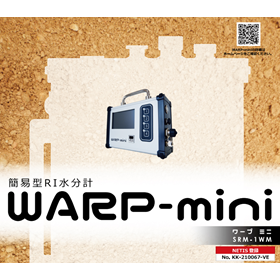
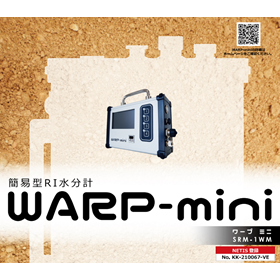
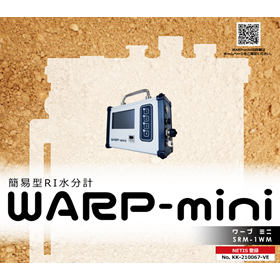
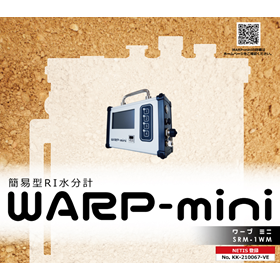
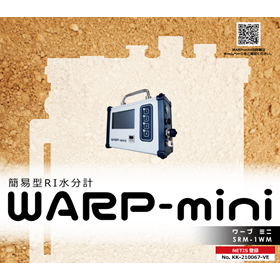
The WARP-mini, a simplified RI moisture meter (successor to WARP), is a measuring instrument developed with the concept of being lightweight, compact, and quick to measure as a new simple moisture content meter. In the quality control of embankments in ICT civil engineering, managing the moisture content of the target materials is crucial, and by using the WARP-mini, which measures in just 45 seconds, it is possible to quickly check the moisture content of the target materials. 【Features】 ■ Measures moisture content in just 45 seconds ■ No drilling or prior preparation needed; simple operation by just placing it and pressing a button ■ Ideal for measuring construction moisture content in ICT civil engineering ■ Measurement data can be stored in the internal memory of the main unit, and data organization is possible on a PC or smartphone *For more details, please download the PDF or contact us.
Added to bookmarks
Bookmarks listBookmark has been removed
Bookmarks listYou can't add any more bookmarks
By registering as a member, you can increase the number of bookmarks you can save and organize them with labels.
Free membership registration
In the manufacturing industry, quality control of concrete products is essential to ensure the durability and safety of the products. In particular, the mix of concrete and the amount of water during pouring are critical factors that influence product quality. If proper moisture management is not conducted, it can lead to cracking and a decrease in strength, resulting in defective products. COARA NX measures the unit water volume of fresh concrete flowing through the pumping pipes in real time, contributing to quality improvement in manufacturing by monitoring and managing the quality of concrete. 【Usage Scenarios】 - Concrete product manufacturing plants - Precast concrete manufacturing sites - Quality control departments 【Benefits of Implementation】 - Stabilization of concrete product quality - Reduction of defective products - Streamlining of the manufacturing process
Added to bookmarks
Bookmarks listBookmark has been removed
Bookmarks listYou can't add any more bookmarks
By registering as a member, you can increase the number of bookmarks you can save and organize them with labels.
Free membership registration
In the construction industry, safety management emphasizes the importance of concrete quality control. Specifically, the unit water content of fresh concrete significantly affects the strength and durability of the concrete, necessitating accurate measurement and management. Inadequate measurement of the unit water content can lead to a deterioration in concrete quality and potential safety issues in structures. COARA NX measures the unit water content of fresh concrete flowing through the pumping pipes in real-time, supporting concrete quality management. 【Usage Scenarios】 - Pouring sites with concrete pump trucks - Construction sites for tunnels, bridges, dams, etc. - Strengthening quality management 【Benefits of Implementation】 - Monitoring and managing the quality of poured concrete - Improved reliability through NETIS registered technology - Efficient quality management through remote monitoring
Added to bookmarks
Bookmarks listBookmark has been removed
Bookmarks listYou can't add any more bookmarks
By registering as a member, you can increase the number of bookmarks you can save and organize them with labels.
Free membership registration
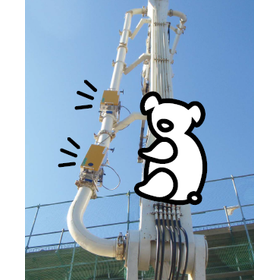
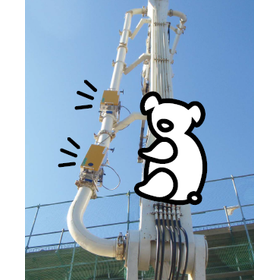
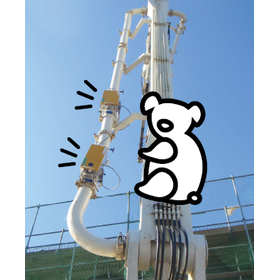
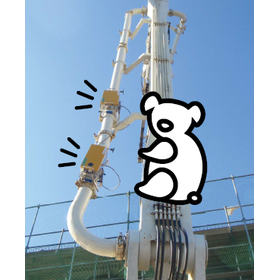
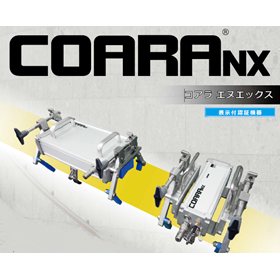
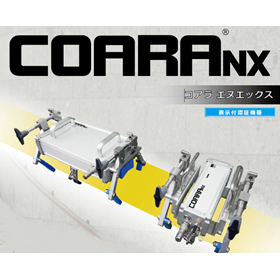
"The only measuring device that can measure the total amount of concrete being poured." The continuous RI concrete moisture meter (COARA NX) can continuously and in real-time measure the unit water content of fresh concrete flowing through the pumping pipes. By installing it on the pipes of concrete pump trucks, the quality of the poured concrete can be monitored and managed. [Features] ■ Easy Installation The COARA NX has been made smaller and lighter compared to conventional devices, making installation on pumping pipes significantly easier. (Weight of the measuring device: 42kg → 13kg, approximately 1/3) ■ Remote Monitoring Capability By using the optional "SRENET," remote monitoring of the unit water content during pouring is possible. In environments away from the site, not only can the unit water content be checked, but also the pouring time. → NETIS Registration [CB-240049-A] "Concrete Unit Water Content Remote Monitoring System" *For more details, please download the PDF or contact us.
Added to bookmarks
Bookmarks listBookmark has been removed
Bookmarks listYou can't add any more bookmarks
By registering as a member, you can increase the number of bookmarks you can save and organize them with labels.
Free membership registration
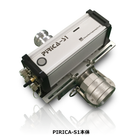
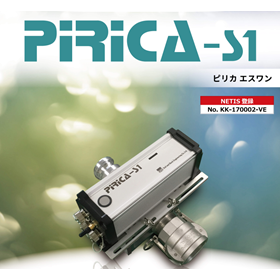
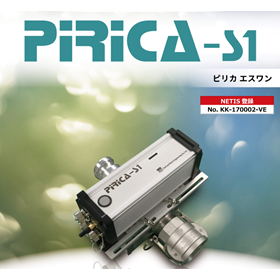
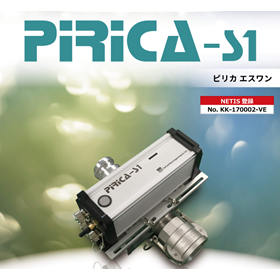
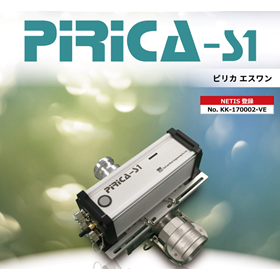
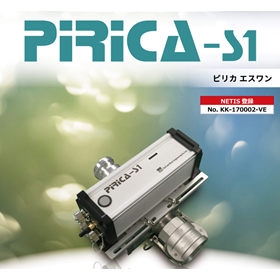
In the waste management industry, it is essential to accurately understand the composition and properties of waste to improve the efficiency of landfilling and recycling. In particular, real-time monitoring of waste density is crucial for optimizing processing processes, ensuring safety, and reducing costs. Improper density management can lead to decreased processing efficiency and environmental pollution. The piping RI density meter 'PIRICA-S1' is a measurement device that uses radioactive isotopes (RI) to continuously measure the density of substances (liquids, slurries, etc.) flowing through pipes in a non-destructive and non-contact manner. [Application Scenarios] - Density measurement of slurries and liquids in waste treatment plants - Composition analysis of materials in recycling processes - Monitoring of leachate in landfills [Benefits of Implementation] - Optimization of processing processes through real-time density measurement - Improved safety through non-destructive measurement - Efficient management through data visualization - Contribution to cost reduction *Please consult in advance regarding applicability.
Added to bookmarks
Bookmarks listBookmark has been removed
Bookmarks listYou can't add any more bookmarks
By registering as a member, you can increase the number of bookmarks you can save and organize them with labels.
Free membership registration
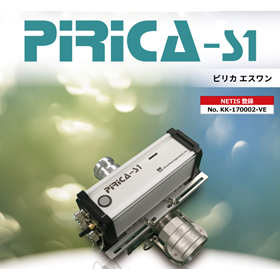
In the cement industry, the precise formulation of raw materials affects the quality of the products. In particular, uniform mixing significantly impacts the strength and durability of cement. If the formulation is inappropriate, it can lead to a decline in product quality and issues during the manufacturing process. The piping-type RI density meter 'PIRICA-S1' measures the density of materials in the raw material mixing process in real-time, supporting quality control. 【Usage Scenarios】 - Slurry mixing process of cement raw materials - Monitoring of formulation ratios - Data acquisition for quality control 【Benefits of Implementation】 - Improved quality control through real-time density measurement - Ensured safety through non-destructive and non-contact measurement - Maintenance of stable quality through continuous measurement *Please consult in advance regarding applicability.
Added to bookmarks
Bookmarks listBookmark has been removed
Bookmarks listYou can't add any more bookmarks
By registering as a member, you can increase the number of bookmarks you can save and organize them with labels.
Free membership registration
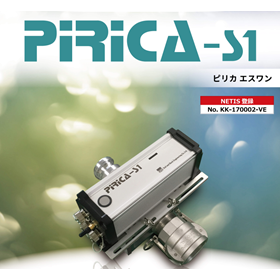
In the steel industry, accurate density measurement in slag management is essential for product quality and optimization of the manufacturing process. Understanding the composition and condition of slag leads to improved yield, equipment protection, and a safe working environment. However, traditional measurement methods have posed challenges due to the time and effort required for measurements, making real-time data acquisition difficult. The piping RI density meter "PIRICA-S1" addresses these challenges and contributes to the efficiency of slag management. 【Usage Scenarios】 * Density measurement of slag * Monitoring the condition of slag in pumping pipelines * Optimization of the manufacturing process 【Benefits of Implementation】 * Improved quality control through real-time density data acquisition * Cost reduction through optimization of the manufacturing process * Enhanced safety *Please consult in advance regarding applicability.
Added to bookmarks
Bookmarks listBookmark has been removed
Bookmarks listYou can't add any more bookmarks
By registering as a member, you can increase the number of bookmarks you can save and organize them with labels.
Free membership registration
In the power generation industry, accurate management of ash density in coal ash slurry transport is required. Variations in ash density can lead to issues such as reduced equipment efficiency, pipe blockages, and wear. To prevent these problems, real-time monitoring of ash density is essential. The pipe RI density meter "PIRICA-S1" continuously measures ash density in a non-destructive and non-contact manner, addressing these challenges. [Application Scenarios] - Coal ash slurry transport piping - Equipment maintenance through ash density management - Optimization of plant operations [Benefits of Implementation] - Early detection of anomalies through real-time monitoring of ash density - Reduction of risks related to pipe blockages and wear - Stable operation and improved efficiency of the plant *Please consult in advance regarding applicability.
Added to bookmarks
Bookmarks listBookmark has been removed
Bookmarks listYou can't add any more bookmarks
By registering as a member, you can increase the number of bookmarks you can save and organize them with labels.
Free membership registration
In the water treatment industry, accurately understanding sludge density is essential for efficient process management and cost reduction. In particular, the properties of sludge can vary significantly, necessitating real-time monitoring. Improper density management can lead to equipment overload and decreased processing efficiency, ultimately resulting in increased energy costs and greater environmental impact. The piping RI density meter "PIRICA-S1" continuously measures fluctuations in sludge density in a non-destructive and non-contact manner, supporting the optimization of water treatment processes. 【Usage Scenarios】 - Real-time monitoring of sludge density - Optimization of the dewatering process - Efficiency improvement in sludge management 【Benefits of Implementation】 - Stabilization of processes - Reduction of operating costs - Decrease in environmental impact *Please consult us in advance regarding applicability.
Added to bookmarks
Bookmarks listBookmark has been removed
Bookmarks listYou can't add any more bookmarks
By registering as a member, you can increase the number of bookmarks you can save and organize them with labels.
Free membership registration
In mining, accurate density management of slurry is essential for efficient production and quality maintenance. In particular, fluctuations in slurry density during the beneficiation process and transportation pipelines can lead to equipment damage and a decline in product quality. The piping RI density meter "PIRICA-S1" continuously measures the density of slurry non-destructively and non-contact, addressing these challenges. 【Application Scenarios】 - Slurry density management in beneficiation plants - Density monitoring in pipeline transportation - Density measurement in quality control 【Benefits of Implementation】 - Early detection of anomalies through real-time density monitoring - Improved production efficiency through optimal density management - Stabilization of product quality - Protection of equipment *Please consult us in advance regarding applicability.
Added to bookmarks
Bookmarks listBookmark has been removed
Bookmarks listYou can't add any more bookmarks
By registering as a member, you can increase the number of bookmarks you can save and organize them with labels.
Free membership registration
In the chemical plant industry, quality control and efficiency of manufacturing processes are crucial. In particular, managing the density of reactants and products is not only essential for product quality but also vital for safe operations. Traditional measurement methods have faced challenges, such as the time and effort required for sampling and analysis, making real-time situational awareness difficult. The piping RI density meter 'PIRICA-S1' uses RI technology to continuously measure the fluid density within pipes in a non-destructive and non-contact manner. This allows for the early detection of process anomalies and enables rapid responses. 【Application Scenarios】 - Density management of slurries and mixed liquids - Monitoring of product quality - Detection of anomalies in substances within pipes 【Benefits of Implementation】 - Rapid process control through real-time data acquisition - Improvement in product quality and yield - Enhanced safety and reduced risks - Optimization of processes through recording and analysis of measurement data *Please consult us in advance regarding applicability.
Added to bookmarks
Bookmarks listBookmark has been removed
Bookmarks listYou can't add any more bookmarks
By registering as a member, you can increase the number of bookmarks you can save and organize them with labels.
Free membership registration