Soil contamination survey, analysis of construction-generated soil, residual soil survey (Chiba Prefecture edition)
Analysis of construction-generated soil and leftover soil investigation.

Analysis and investigation of regulations and acceptance criteria related to the off-site transportation of construction-generated soil (excavated soil).
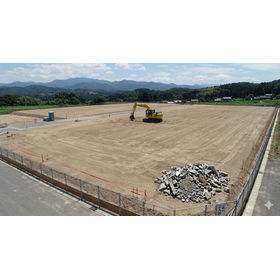
Are you having trouble disposing of the excess soil generated from construction work (such as construction-generated soil and root excavation soil)? Geotech provides reliable soil analysis that complies with the standards and regulations of receiving sites. As a designated investigation agency under the Soil Contamination Countermeasures Act, we propose optimal sampling and analysis methods tailored to the regulations of the receiving sites. With accurate analysis, we help avoid troubles, ensure a smooth handover of safe land, and support the smooth progress of construction with appropriate cost estimation.
Inquire About This Product
basic information
Soil analysis refers to the analytical investigation that is essential when disposing of construction-generated soil and excavation residual soil that arise from construction work. The required sampling methods and analysis items vary significantly depending on the standards of the disposal site and local government regulations. Our company leverages its extensive experience as a designated investigation agency to provide appropriate plans tailored to the local conditions and disposal sites. By understanding the presence or absence of contamination in advance, we can prevent delays in construction and issues at the time of handover.
Price information
It depends on the scale of development, so please consult with us.
Price range
P3
Delivery Time
P4
Applications/Examples of results
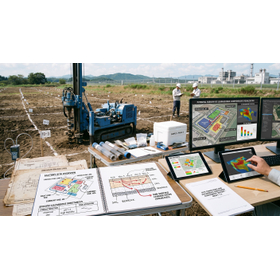
We will conduct reliable geological sampling in accordance with the regulations concerning land reclamation and other related matters in Chiba Prefecture. We will ensure transparency by taking photographs of the overall view before sampling, which includes five pole locations, individual sampling conditions that demonstrate depth with GL and TP indicators, and photographs of all samples lined up after sampling. In areas with a long excavation range in the extension direction, we will take five samples and change the depth. If the excavation depth exceeds 5 meters, we will perform depth-wise split sampling or boring surveys to prevent overlooking contamination in the lower layers.
Detailed information
-
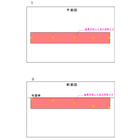
The method of sampling analysis samples is determined by the receiving facility. The Chiba Prefecture regulations are as follows: - Samples should be collected evenly across the root cutting range. - Samples should be collected evenly according to the root cutting depth.
catalog(4)
Download All Catalogs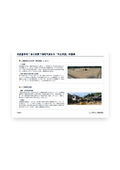

Company information

-
![[Not Public] Soil Contamination | Category B](https://image.www.ipros.com/public/product/image/321794/IPROS4400175568595756491.jpg?w=280&h=280)