- Publication year : 2026
1~2 item / All 2 items
Displayed results

Added to bookmarks
Bookmarks listBookmark has been removed
Bookmarks listYou can't add any more bookmarks
By registering as a member, you can increase the number of bookmarks you can save and organize them with labels.
Free membership registration
Contact this company
Contact Us OnlineBefore making an inquiry
Download PDF1~2 item / All 2 items
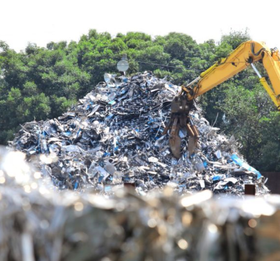
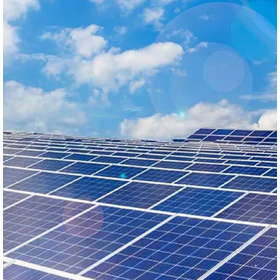
The era has arrived where solar power generation facilities must be considered not only at the time of installation but also all the way to the "exit." Power plants and equipment will inevitably face the phase of removal and disposal in the future, but on-site concerns often lead to a mindset of "there's nothing left to do but dispose of it" and "disposal costs may rise even further," causing countermeasures to be postponed. In reality, the cost of removal and disposal has already become a significant item that cannot be ignored during the initial confirmation phase, and delaying it may significantly increase the burden of future lump-sum payments. However, the root cause lies in viewing the equipment solely as "an asset during power generation" and not being able to design for the entire lifecycle. Therefore, what is needed now is not a binary choice between disposal or extending the life, but a redesign that includes disposal, removal, and reuse, as well as self-consumption. Kenneth Energy Development has been involved in projects with a total construction cost of 908.4 billion yen, and has a track record of constructing 83 solar power plants over 12 years. Additionally, it has a wide range of implementation experience in self-consumption, industrial facilities, commercial facilities, and educational institutions, allowing for redesign proposals tailored to on-site conditions. Before leaving it unattended and only bearing disposal costs, it is necessary to consider transforming the challenges of removal into the next revenue opportunities.
Added to bookmarks
Bookmarks listBookmark has been removed
Bookmarks listYou can't add any more bookmarks
By registering as a member, you can increase the number of bookmarks you can save and organize them with labels.
Free membership registration
The "fuel cost adjustment," which reflects fluctuations in fuel prices and exchange rates in electricity rates every month, hits management hard as it relies more on externally purchased electricity. Furthermore, in recent years, situations have arisen where demand and supply suddenly tighten due to overlapping factors such as extreme heat and equipment shutdowns, leading to warnings being issued. On the other hand, the roofs, parking lots, and unused land owned by companies are "sleeping assets" that only incur "maintenance costs for fixed assets" without generating profits. If left unaddressed, the risk of rising electricity costs and operational shutdowns during power outages will simultaneously increase, disrupting profit plans. The root cause is a single issue—an over-reliance on externally purchased electricity without utilizing idle assets. The solution is to create self-consumption solar power (plus storage batteries) to generate the necessary electricity on-site. For example, a system with a scale of 190.88 kW is expected to generate approximately 221,680 kWh annually, with an estimated reduction of about 96 tons of CO₂. We will transform idle assets into "investment assets for reducing electricity costs" through a seamless process from construction to subsidy application.
Added to bookmarks
Bookmarks listBookmark has been removed
Bookmarks listYou can't add any more bookmarks
By registering as a member, you can increase the number of bookmarks you can save and organize them with labels.
Free membership registration