- Publication year : 2026
1~2 item / All 2 items
Displayed results
Added to bookmarks
Bookmarks listBookmark has been removed
Bookmarks listYou can't add any more bookmarks
By registering as a member, you can increase the number of bookmarks you can save and organize them with labels.
Free membership registration
Contact this company
Contact Us Online1~2 item / All 2 items
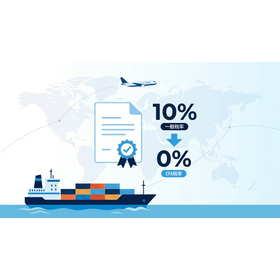
Even when importing from countries that have an EPA (Economic Partnership Agreement) with Japan, if no procedures are followed, the initial setting of the "general tax rate" will be applied. Even in cases where a lower tax rate or 0% should apply, there is a possibility of continuing to pay extra tariffs by neglecting the "extra effort" of obtaining a certificate of origin. There are three types of certification procedures: "third-party certification," "self-certification by certified exporters," and "self-declaration," but which one to use is predetermined for each EPA, so there is no need to be confused. The procedures indicated by customs consist of a total of 8 steps (steps 0 to 7), with the first half being confirmation work based solely on publicly available information. The substantial effort mainly revolves around the back-and-forth of "steps 4 and 5," where the exporter is asked to confirm compliance with the origin criteria and prepare documents. Especially when continuously importing the same trading partner and items, once confirmed, the same process can be followed for subsequent imports, leading to significant reductions in effort. While many companies have concerns about the "post-import verification" conducted by customs, if supporting documents are properly stored from the time of origin determination and document preparation, it can be adequately addressed. It is important to start by confirming the adoption system, requesting from trading partners, and storing documents. If you have any concerns, please feel free to consult with Fukumi.
Added to bookmarks
Bookmarks listBookmark has been removed
Bookmarks listYou can't add any more bookmarks
By registering as a member, you can increase the number of bookmarks you can save and organize them with labels.
Free membership registration
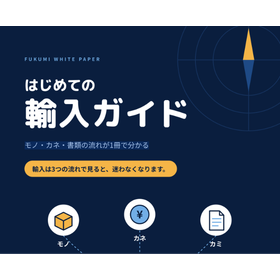
We have published a white paper titled "Beginner's Guide to Importing" aimed at those who are handling overseas procurement and import operations for the first time. The complexities of import practices, filled with specialized terms like invoices, B/L, and customs, can be difficult to grasp as a whole. This guide visually explains the process by organizing it into three flows: "Goods (Cargo), Money (Payment), and Documents." Comprising eight chapters, it covers everything from the division of roles among stakeholders, legal regulations and HS code verification before placing orders, choosing Incoterms and transportation methods, customs procedures, to calculating duties and costs, in a step-by-step manner. Additionally, it includes a "reverse map" at the end, allowing users to check current progress and find points of contact for inquiries, making it a practical resource for real-world applications.
Added to bookmarks
Bookmarks listBookmark has been removed
Bookmarks listYou can't add any more bookmarks
By registering as a member, you can increase the number of bookmarks you can save and organize them with labels.
Free membership registration