iPROS Urban Planning
  • Search for products by classification category

    • Building Materials
      Building Materials
      36495items
    • Facilities
      Facilities
      58422items
    • Lighting and Interior
      Lighting and Interior
      17620items
    • Common materials
      Common materials
      37198items
    • Civil Engineering Materials
      Civil Engineering Materials
      10255items
    • Construction, work and methods
      Construction, work and methods
      29173items
    • Surveys, Measurements, and Services
      Surveys, Measurements, and Services
      29619items
    • IT/Software
      IT/Software
      33751items
    • others
      others
      92149items
    • Store and facility supplies
      Store and facility supplies
      4635items
    • Office and commercial supplies
      Office and commercial supplies
      11761items
    • Hospital and welfare facility supplies
      Hospital and welfare facility supplies
      1059items
    • Logistics Equipment
      Logistics Equipment
      7382items
    • Energy and Resources
      Energy and Resources
      11964items
  • Search for companies by industry

    • Information and Communications
      7299
    • others
      7222
    • Building materials, supplies and fixtures manufacturers
      6660
    • Service Industry
      4788
    • Trading company/Wholesale
      3096
    • Other construction industries
      2456
    • Electrical equipment construction business
      750
    • Construction Consultant
      636
    • General contractors and subcontractors
      566
    • Interior Design
      520
    • Facility Design Office
      487
    • Housing manufacturers and construction companies
      418
    • Architectural design office
      364
    • retail
      363
    • Warehousing and transport related industries
      331
    • Building Management
      298
    • Electricity, Gas and Water Industry
      286
    • Interior construction business
      281
    • Medical and Welfare
      278
    • Educational and Research Institutions
      255
    • Renovation and home construction industry
      225
    • Water supply and drainage construction business
      202
    • Transportation
      178
    • Real Estate Developers
      169
    • Fisheries, Agriculture and Forestry
      136
    • Structural Design Office
      65
    • Finance, securities and insurance
      41
    • Restaurants and accommodations
      33
    • self-employed
      31
    • Mining
      26
    • Public interest/special/independent administrative agency
      20
    • Police, Fire Department, Self-Defense Forces
      17
    • Property Owner
      9
    • Store and building owners
      9
    • Government
      9
    • Individual
      9
  • Special Features
  • Ranking

    • Overall Products Ranking
    • Overall Company Ranking
Search for Products
  • Search for products by classification category

  • Building Materials
  • Facilities
  • Lighting and Interior
  • Common materials
  • Civil Engineering Materials
  • Construction, work and methods
  • Surveys, Measurements, and Services
  • IT/Software
  • others
  • Store and facility supplies
  • Office and commercial supplies
  • Hospital and welfare facility supplies
  • Logistics Equipment
  • Energy and Resources
Search for Companies
  • Search for companies by industry

  • Information and Communications
  • others
  • Building materials, supplies and fixtures manufacturers
  • Service Industry
  • Trading company/Wholesale
  • Other construction industries
  • Electrical equipment construction business
  • Construction Consultant
  • General contractors and subcontractors
  • Interior Design
  • Facility Design Office
  • Housing manufacturers and construction companies
  • Architectural design office
  • retail
  • Warehousing and transport related industries
  • Building Management
  • Electricity, Gas and Water Industry
  • Interior construction business
  • Medical and Welfare
  • Educational and Research Institutions
  • Renovation and home construction industry
  • Water supply and drainage construction business
  • Transportation
  • Real Estate Developers
  • Fisheries, Agriculture and Forestry
  • Structural Design Office
  • Finance, securities and insurance
  • Restaurants and accommodations
  • self-employed
  • Mining
  • Public interest/special/independent administrative agency
  • Police, Fire Department, Self-Defense Forces
  • Property Owner
  • Store and building owners
  • Government
  • Individual
Special Features
Ranking
  • Overall Products Ranking
  • Overall Company Ranking
  • privacy policy
  • terms of service
  • About Us
  • Careers
  • Advertising
  1. Home
  2. others
  3. ダイセキMCR
  4. Product/Service List
others
  • Added to bookmarks

    Bookmarks list

    Bookmark has been removed

    Bookmarks list

    You can't add any more bookmarks

    By registering as a member, you can increase the number of bookmarks you can save and organize them with labels.

    Free membership registration

ダイセキMCR

EstablishmentJune 5, 1973
capital3000Ten thousand
number of employees90
addressTochigi/Utsunomiya-shi/Hirabuchi Industrial Park 38-25
phone028-664-2228
  • Special site
  • Official site
last updated:Aug 10, 2026
ダイセキMCRlogo
  • Contact this company

    Contact Us Online
  • Before making an inquiry

    Download PDF
  • Company information
  • Products/Services(99)
  • catalog(8)
  • news(7)

ダイセキMCR List of Products and Services

  • category

1~45 item / All 99 items

Displayed results

Filter by category

Waste battery processing and refining Waste battery processing and refining
Waste treatment of discarded batteries as industrial waste. Waste treatment of discarded batteries as industrial waste.
Trading of non-ferrous metal raw materials and precious metals. Trading of non-ferrous metal raw materials and precious metals.
業種別│廃バッテリー回収・買取・リサイクルについて 業種別│廃バッテリー回収・買取・リサイクルについて
class="retina-image"

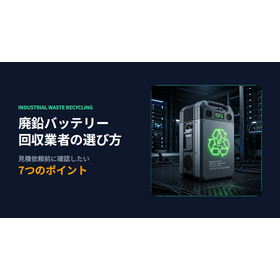
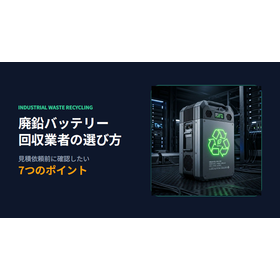
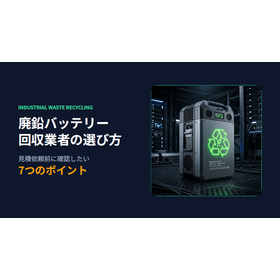
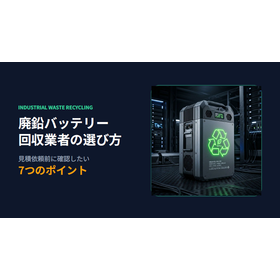
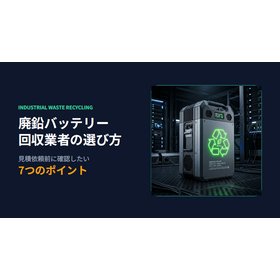
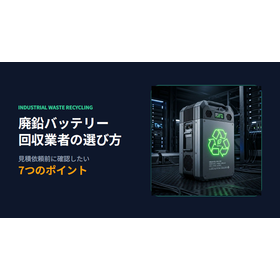
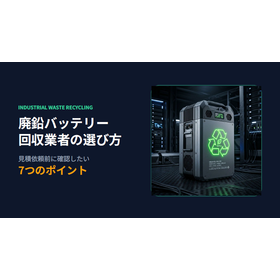
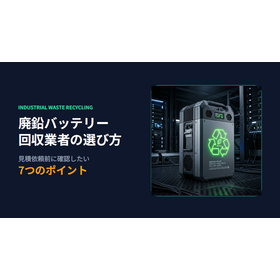
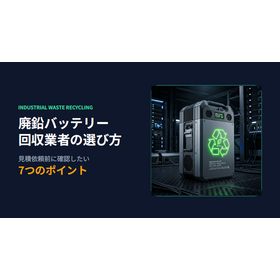
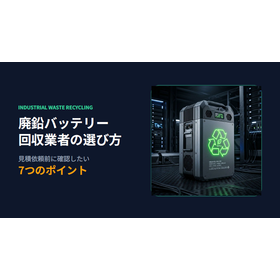
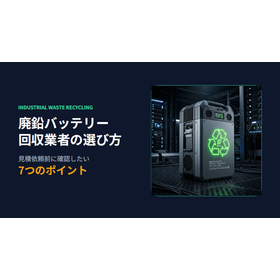
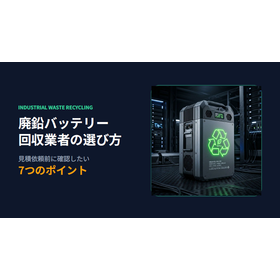
How to Choose a Waste Lead Battery Collection Service for UPS (Uninterruptible Power Supply)

Explaining 7 points to check before requesting a quote!

In backup applications for UPS (Uninterruptible Power Supply), a stable power supply is required. Therefore, the proper collection and disposal of used lead batteries is important for both maintaining the performance of the equipment and reducing environmental impact. Improper disposal can lead to risks of environmental pollution and violations of regulations. This document summarizes how to choose a waste lead battery collection company, clearly presenting common mistakes in vendor selection and seven key points to check, which will help solve your company's challenges. 【Usage Scenarios】 - The time to replace the UPS is approaching. - Struggling with how to dispose of waste lead batteries. - Seeking disposal methods that comply with environmental regulations. 【Benefits of Implementation】 - Risk avoidance through proper vendor selection. - Reduction of environmental impact. - Compliance with regulations.

  • Other Batteries

Added to bookmarks

Bookmarks list

Bookmark has been removed

Bookmarks list

You can't add any more bookmarks

By registering as a member, you can increase the number of bookmarks you can save and organize them with labels.

Free membership registration

How to Choose a Waste Lead Battery Collection Company for Forklifts

Explaining the seven points to check for maintaining operation!

In maintaining the operation of forklifts, proper management and replacement of batteries are crucial. The lifespan and performance degradation of batteries can directly lead to forklift downtime and decreased work efficiency. Therefore, when requesting the collection and disposal of used lead batteries, it is essential to choose a reliable contractor. This document clearly explains common mistakes in contractor selection and outlines seven key points to consider, providing information that will help maintain your company's forklift operations. 【Usage Scenarios】 - Consideration of the timing for forklift battery replacement - Verification of proper disposal methods for used lead batteries - Comparison and evaluation when selecting a collection contractor 【Benefits of Implementation】 - Selection of a trustworthy collection contractor - Reduction of risks related to battery replacement and disposal - Support for stable forklift operations

  • Other Batteries

Added to bookmarks

Bookmarks list

Bookmark has been removed

Bookmarks list

You can't add any more bookmarks

By registering as a member, you can increase the number of bookmarks you can save and organize them with labels.

Free membership registration

How to Choose a Waste Lead Battery Collection Company for Solar Power Generation

Explaining 7 points to check before replacing the battery!

When replacing batteries in a solar power generation system, the proper disposal of waste lead batteries is an important issue. In particular, the handling of batteries after replacement and the selection of reliable collection contractors are gaining attention from the perspective of reducing environmental impact and complying with regulations. Improper disposal can lead to environmental pollution and legal issues. This document clearly explains how to choose waste lead battery collection contractors, common mistakes in contractor selection, and seven key points to check. It also introduces the response system of Daiseki MCR, so please take a look. 【Usage Scenarios】 - When replacing batteries in a solar power generation system - When considering the proper disposal of waste lead batteries - When wanting to select a reliable collection contractor 【Benefits of Implementation】 - Proper collection and disposal of waste lead batteries - Reduction of environmental impact - Support for compliance with regulations

  • Other Batteries

Added to bookmarks

Bookmarks list

Bookmark has been removed

Bookmarks list

You can't add any more bookmarks

By registering as a member, you can increase the number of bookmarks you can save and organize them with labels.

Free membership registration

How to Choose a Waste Lead Battery Collection Company for Disaster Prevention and Stockpiling

How to choose a waste lead battery recycling company essential for maintaining emergency power supply.

In disaster prevention and stockpiling, securing a power supply during emergencies is a crucial issue. Particularly, for long-term storage and in case of emergencies, the maintenance and management of a reliable power supply system are required. Waste lead batteries play an important role in emergency power systems, but their proper collection and disposal require specialized knowledge and systems. Choosing inappropriate contractors can lead to unexpected troubles and increased costs. This document summarizes how to select waste lead battery collection contractors, clearly presenting common mistakes in contractor selection and seven key points to check, serving as a helpful guide for making confident contractor choices. 【Usage Scenarios】 - Maintenance and management of emergency power supply during disasters - Securing power supply in business continuity planning (BCP) - Proper disposal of long-term stored batteries 【Benefits of Implementation】 - Enables the selection of contractors to ensure stable operation of emergency power systems - Reduces risks associated with improper disposal - Achieves cost-effective collection and disposal

  • Other Batteries

Added to bookmarks

Bookmarks list

Bookmark has been removed

Bookmarks list

You can't add any more bookmarks

By registering as a member, you can increase the number of bookmarks you can save and organize them with labels.

Free membership registration

How to Choose a Waste Lead Battery Collection Company for the Medical Device Industry

Explaining the key points for selecting a recovery contractor essential for safety management.

In the medical device industry, a strict management system is required to maintain the safety and reliability of products. In particular, proper disposal of equipment containing lead is essential to comply with environmental regulations and safety standards. Improper disposal can increase the risk of environmental pollution and violations of legal regulations. This document summarizes how to choose a lead battery recycling contractor, clearly outlining common mistakes in contractor selection and seven key points to check. It also introduces the response system of Daiseki MCR, so please take a moment to read it. 【Usage Scenarios】 - Proper handling of lead-containing components in medical device manufacturing - Disposal management of equipment with lead batteries in medical institutions - Reference material for safety management personnel during contractor selection

  • Other Batteries

Added to bookmarks

Bookmarks list

Bookmark has been removed

Bookmarks list

You can't add any more bookmarks

By registering as a member, you can increase the number of bookmarks you can save and organize them with labels.

Free membership registration

How to Choose a Waste Lead Battery Collection Company for Industrial Machinery

Explaining the key points for choosing a collection agency essential for maintenance management!

In the maintenance management of industrial machinery, proper handling of used lead batteries is required. In particular, compliance with environmental regulations and the implementation of safe and efficient collection and recycling are important factors for business continuity. Inappropriate selection of contractors can increase the risk of compliance violations and unexpected costs. This document summarizes how to choose waste lead battery collection contractors, clearly presenting common mistakes in contractor selection and seven key points to check, supporting your company's maintenance management operations. 【Usage Scenarios】 - Regular maintenance management of industrial machinery - Proper handling of used lead batteries - Compliance with environmental regulations 【Benefits of Implementation】 - Risk reduction through appropriate contractor selection - Strengthening of compliance adherence - Efficient battery recycling

  • Other Batteries

Added to bookmarks

Bookmarks list

Bookmark has been removed

Bookmarks list

You can't add any more bookmarks

By registering as a member, you can increase the number of bookmarks you can save and organize them with labels.

Free membership registration

How to Choose a Waste Lead Battery Collection Service for the Power and Communications Industry

Seven points to check before requesting a quote for the collection of waste lead batteries during equipment updates.

In the power and telecommunications industries, proper handling of waste lead batteries is essential for stable operation of equipment and safe management. Particularly during equipment upgrades, the methods for processing waste lead batteries generated from previous operations, associated costs, and compliance with regulations become critical considerations. Choosing an inappropriate contractor may lead to additional costs and risks of violating environmental regulations. This document summarizes how to select waste lead battery collection contractors, clearly presenting common mistakes in contractor selection and seven key points to verify, supporting your company's waste lead battery processing during equipment upgrades. 【Usage Scenarios】 - During upgrades of power equipment (substations, power plants, etc.) - During upgrades of telecommunications equipment (base stations, exchange offices, etc.) - When considering the collection, transportation, and recycling of waste lead batteries 【Benefits of Implementation】 - Cost reduction through appropriate contractor selection - Compliance with regulations and reduction of environmental impact - Safe and reliable battery processing

  • Other Batteries

Added to bookmarks

Bookmarks list

Bookmark has been removed

Bookmarks list

You can't add any more bookmarks

By registering as a member, you can increase the number of bookmarks you can save and organize them with labels.

Free membership registration

How to Choose a Waste Lead Battery Collection Service for Ships and Fisheries

Seven key points to check before requesting a quote, explained clearly!

In the shipping and fishing industries, proper management of batteries and swift responses in case of emergencies are essential to ensure safe navigation. In particular, the handling of waste lead batteries is crucial for compliance with environmental regulations and for safe transportation and disposal. Choosing an inappropriate contractor can lead to unexpected costs and the risk of violating legal regulations. This document summarizes how to select waste lead battery collection contractors, clearly outlining common mistakes in contractor selection and seven key points to check. It also introduces the response system of Daiseki MCR, so please take a moment to read it. 【Usage Scenarios】 - Timing for replacing waste lead batteries - Emergency battery replacement and collection - Regular battery maintenance - Compliance with environmental regulations 【Benefits of Implementation】 - Cost reduction through appropriate contractor selection - Risk avoidance through compliance with legal regulations - Safe and reliable battery processing - Improved business continuity

  • Other Batteries

Added to bookmarks

Bookmarks list

Bookmark has been removed

Bookmarks list

You can't add any more bookmarks

By registering as a member, you can increase the number of bookmarks you can save and organize them with labels.

Free membership registration

How to Choose a Waste Lead Battery Collection Contractor for the Transportation Industry

Seven key points to check before requesting a quote, explained clearly!

In the transportation industry, the maintenance of vehicles and management of emissions are crucial. In particular, the proper handling of waste lead batteries is essential for reducing environmental impact and complying with regulations, making emission reduction indispensable. Choosing an inappropriate contractor can increase the risk of unexpected costs and compliance violations. This document summarizes how to select waste lead battery collection contractors, clearly outlining common mistakes in contractor selection and seven key points to check, supporting your company's emission reduction activities. 【Usage Scenarios】 - Considering emission reduction for waste lead batteries - Looking for a reliable collection contractor - Wanting to know the criteria for contractor selection 【Benefits of Implementation】 - Cost reduction through appropriate contractor selection - Strengthening compliance - Reducing environmental impact

  • Other Batteries

Added to bookmarks

Bookmarks list

Bookmark has been removed

Bookmarks list

You can't add any more bookmarks

By registering as a member, you can increase the number of bookmarks you can save and organize them with labels.

Free membership registration

How to Choose a Waste Lead Battery Collection Service for Construction Machinery

Explaining 7 points to check before requesting a quote!

In the construction machinery industry, proper handling of used batteries is essential to maintain operational efficiency on-site. In particular, the collection and processing of waste lead batteries are crucial for compliance with environmental regulations and for reducing machine downtime through prompt replacements. Choosing an inappropriate contractor can lead to increased processing costs and the risk of legal violations. This document summarizes how to select waste lead battery collection contractors, clearly outlining common mistakes in contractor selection and seven key points to verify, contributing to the improvement of your site efficiency. 【Usage Scenarios】 - Management of battery replacement cycles for construction machinery - Response to the generation of waste batteries on-site - Selection of contractors to comply with environmental regulations 【Benefits of Implementation】 - Cost reduction through appropriate contractor selection - Continuation of on-site work due to smooth battery replacements - Risk reduction through compliance adherence

  • Other Batteries

Added to bookmarks

Bookmarks list

Bookmark has been removed

Bookmarks list

You can't add any more bookmarks

By registering as a member, you can increase the number of bookmarks you can save and organize them with labels.

Free membership registration

How to Choose a Scrap Lead Battery Collection Service for Amusement Parks and Attractions

Key Points for Choosing a Recovery Contractor to Support Stable Operation of Attraction Power Supply

In amusement parks and entertainment facilities, the stable operation of attractions is directly linked to visitor satisfaction. Proper collection and disposal of waste lead batteries used for attraction power is important for both ensuring safety and reducing environmental impact. Choosing inappropriate contractors can lead to unexpected troubles and increased costs. This document summarizes how to select waste lead battery collection contractors, clearly outlining common mistakes in contractor selection and seven key points to check, supporting your facility's operations. 【Usage Scenarios】 - Timing for battery replacement for attraction power - Battery disposal during regular maintenance - Battery replacement and collection in emergencies - Compliance with environmental regulations 【Benefits of Implementation】 - Increased customer satisfaction through stable operation of attractions - Prevention of unexpected troubles - Compliance with regulations - Reduction of environmental impact

  • Other Batteries

Added to bookmarks

Bookmarks list

Bookmark has been removed

Bookmarks list

You can't add any more bookmarks

By registering as a member, you can increase the number of bookmarks you can save and organize them with labels.

Free membership registration

How to Choose a Waste Lead Battery Collection Service for Automotive Maintenance

Explaining 7 points to check before requesting a quote!

In the automotive maintenance industry, proper handling and recycling of waste lead batteries is required. In particular, compliance with regulations and reduction of environmental impact are important issues. Improper handling can lead to environmental pollution and legal problems. This document clearly outlines how to choose waste lead battery collection companies, common mistakes in vendor selection, and seven key points to check, which will help promote recycling in your company. 【Usage Scenarios】 - Looking for proper disposal options for waste lead batteries - Wanting to promote recycling - Seeking to select a reliable collection company 【Benefits of Implementation】 - Enables compliance with regulations in handling - Contributes to the reduction of environmental impact - Helps find companies that can be entrusted with operations safely

  • Other Batteries

Added to bookmarks

Bookmarks list

Bookmark has been removed

Bookmarks list

You can't add any more bookmarks

By registering as a member, you can increase the number of bookmarks you can save and organize them with labels.

Free membership registration

[Information] Accident Risks During the Storage of Waste Lead Batteries

Introducing the accident risks associated with storing waste lead batteries and the management points that responsible personnel should be aware of!

This document is an environmental and safety management resource summarizing the risks of accidents during the storage of waste lead batteries. It provides detailed information on potential troubles that may occur during storage and the causes of accidents. It also introduces checkpoints for storage and risk reduction measures, so please take a moment to read it. 【Contents】 ■ Troubles that may occur during storage ■ Reasons why accidents occur ■ Checkpoints for storage ■ Risks in the event of an accident ■ Risk reduction measures proposed by Daiseki MCR ■ Summary *For more details, please download the PDF or feel free to contact us.

  • Other Batteries

Added to bookmarks

Bookmarks list

Bookmark has been removed

Bookmarks list

You can't add any more bookmarks

By registering as a member, you can increase the number of bookmarks you can save and organize them with labels.

Free membership registration

[Information] To avoid losses in the processing of waste lead batteries.

Explaining the differences between industrial waste disposal and valuable transactions, and the concept of total cost in an easy-to-understand manner!

This document is a guide on industrial waste and recycling to avoid losses in the processing of waste lead batteries. It provides detailed information on the two processing methods for waste lead batteries and the concept of total cost in valuable transactions. It also introduces the flow of choosing processing methods and contractors, so please take a moment to read it. [Contents] ■ Do you have any of these concerns? ■ There are two processing methods for waste lead batteries ■ It is important to consider "total cost" even in valuable transactions ■ Flow of choosing processing methods and contractors ■ Features of Daiseki MCR ■ Summary *For more details, please download the PDF or feel free to contact us.

  • Other Batteries

Added to bookmarks

Bookmarks list

Bookmark has been removed

Bookmarks list

You can't add any more bookmarks

By registering as a member, you can increase the number of bookmarks you can save and organize them with labels.

Free membership registration

[Information] How to Choose a Used Lead Battery Recycling Company

We clearly explain seven points to check before requesting a quote!

This document summarizes how to choose a waste lead battery collection contractor. It clearly outlines common mistakes in contractor selection and seven key points to check. Additionally, it introduces the response system of Daiseki MCR, so please take a moment to read it. 【Contents】 ■ Do you have these issues? ■ Common mistakes in contractor selection ■ Seven key points to check ■ Contractors to be cautious of ■ Daiseki MCR's response system ■ Summary *For more details, please download the PDF or feel free to contact us.

  • Other Batteries

Added to bookmarks

Bookmarks list

Bookmark has been removed

Bookmarks list

You can't add any more bookmarks

By registering as a member, you can increase the number of bookmarks you can save and organize them with labels.

Free membership registration

Importance of Proper Disposal of Waste Lead Batteries for Corporations in the Amusement Park and Leisure Industry

Proper disposal of waste lead batteries to strengthen safety management.

In amusement parks and leisure facilities, ensuring customer safety is the top priority, and the maintenance and management of equipment and vehicles within the facility are crucial. In particular, improper handling of lead batteries used for emergency power sources can lead to environmental pollution as well as risks that affect the company's reliability. From a safety management perspective, selecting appropriate collection and processing routes for waste lead batteries is essential. This document explains the risks associated with improper handling of waste lead batteries, environmental risks, and corporate risks, emphasizing the importance of risk avoidance. It also outlines the comprehensive system and processing steps from collection to resource recovery by "Daiseki MCR," and introduces compliance measures and stable resource recovery, so please make use of it. 【Usage Scenarios】 - When replacing batteries in vehicles within the facility (attraction vehicles, on-site transport vehicles, etc.) - When replacing batteries in emergency power supply equipment - Compliance with regulations in waste disposal 【Benefits of Implementation】 - Reduction of environmental pollution risks - Maintenance and enhancement of corporate image - Avoidance of penalties through legal compliance - Contribution to a circular society through effective resource utilization

  • Other Batteries

Added to bookmarks

Bookmarks list

Bookmark has been removed

Bookmarks list

You can't add any more bookmarks

By registering as a member, you can increase the number of bookmarks you can save and organize them with labels.

Free membership registration

Explanation of the Importance of Proper Disposal of Waste Lead Batteries for Construction Machinery

Proper disposal of waste lead batteries for regulatory compliance and corporate risk mitigation.

In the construction machinery industry, proper handling of used lead batteries is required from the perspective of compliance with legal regulations. Improper handling carries the risk of environmental pollution and loss of corporate trust. Therefore, it is important to comply with laws and select reliable processing routes that reduce environmental impact. This document explains the risks associated with waste lead batteries and the key points for proper handling to avoid them, and introduces a consistent proper processing flow from collection to resource recovery by Daiseki MCR. 【Usage Scenarios】 * Selection of processing routes for legal compliance * Reduction of environmental risks * Avoidance of corporate risks 【Benefits of Implementation】 * Strengthening of compliance through legal adherence * Reduction of environmental impact * Fulfillment of corporate social responsibility (CSR)


  • Other Batteries

Added to bookmarks

Bookmarks list

Bookmark has been removed

Bookmarks list

You can't add any more bookmarks

By registering as a member, you can increase the number of bookmarks you can save and organize them with labels.

Free membership registration

The Importance of Proper Disposal of Waste Lead Batteries for Agricultural Machinery

Avoid inappropriate processing risks and promote resource circulation.

In the agricultural machinery industry, the proper disposal of used lead batteries is considered important from both environmental conservation and corporate risk management perspectives. Improper disposal can increase the risk of soil contamination and violations of regulations. Additionally, the effective utilization of lead resources contributes to sustainable resource circulation. This document is a white paper summarizing the importance of risk avoidance in the proper disposal of waste lead batteries and the selection of legitimate channels. 【Usage Scenarios】 - Disposal of used lead batteries - Compliance with environmental regulations - Promotion of resource recycling 【Benefits of Implementation】 - Reduction of environmental risks - Strengthening of corporate compliance - Effective utilization of lead resources

  • Other Batteries

Added to bookmarks

Bookmarks list

Bookmark has been removed

Bookmarks list

You can't add any more bookmarks

By registering as a member, you can increase the number of bookmarks you can save and organize them with labels.

Free membership registration

The Importance of Proper Disposal of Waste Lead Batteries for Corporate Security and Disaster Prevention

Proper handling of waste lead batteries, essential for emergency response.

In the security and disaster prevention industry, especially in emergency response, the reliable operation of lead batteries used for emergency power sources and their subsequent proper disposal are crucial. Improper disposal carries risks of environmental pollution and a decline in corporate reliability. This document is a white paper summarizing the importance of risk avoidance in the proper disposal of waste lead batteries and the selection of legitimate disposal routes. It includes explanations from three perspectives: the risks of improper disposal, environmental risks, and corporate risks associated with waste lead batteries, as well as an overview of the consistent system and processing steps from collection to resource recovery by "Daiseki MCR." 【Usage Scenarios】 - When replacing lead batteries in emergency power supply equipment - Management of disaster response batteries - Selection of disposal routes to ensure compliance 【Benefits of Implementation】 - Reduction of environmental risks - Avoidance of corporate risks - Contribution to stable resource circulation

  • Other Batteries

Added to bookmarks

Bookmarks list

Bookmark has been removed

Bookmarks list

You can't add any more bookmarks

By registering as a member, you can increase the number of bookmarks you can save and organize them with labels.

Free membership registration

Explanation of the Importance of Proper Disposal of Waste Lead Batteries for Data Centers

Proper disposal of lead-acid batteries, essential for ensuring the reliability of data centers.

In data centers, proper management of waste lead batteries used in UPS (uninterruptible power supply) systems is required to ensure stable operation and reliability. Improper handling can lead to environmental pollution and corporate risks. This document is a white paper summarizing the importance of risk avoidance in the proper disposal of waste lead batteries and the selection of legitimate channels. 【Usage Scenarios】 - UPS power management in data centers - Disposal and recycling of waste lead batteries - Compliance adherence 【Benefits of Implementation】 - Reduction of environmental risks - Avoidance of corporate risks - Achievement of stable resource recovery

  • Other Batteries

Added to bookmarks

Bookmarks list

Bookmark has been removed

Bookmarks list

You can't add any more bookmarks

By registering as a member, you can increase the number of bookmarks you can save and organize them with labels.

Free membership registration

Explanation of the Importance of Proper Disposal of Waste Lead Batteries for Corporations in the Medical and Welfare Sector

For business continuity. Proper disposal of waste lead batteries and risk avoidance.

In the healthcare and welfare industry, stable infrastructure operations and consideration for the environment are required to maintain business continuity. In particular, improper handling of waste lead batteries used for backup power can lead to environmental pollution and corporate risks. To prevent these risks in advance and continue business while complying with regulations, it is important to select a reliable proper disposal route. This document is a white paper summarizing the importance of risk avoidance in the proper disposal of waste lead batteries and the selection of legitimate routes. It includes explanations from three perspectives: the risks of improper disposal, environmental risks, and corporate risks associated with waste lead batteries, as well as an overview of the consistent system and processing steps from collection to resource recovery by "Daiseki MCR." [Usage Scenarios] - Management of lead batteries as backup power for medical devices - Proper disposal of lead batteries in emergency power supply equipment at welfare facilities - Balancing compliance with regulations and reducing environmental impact [Benefits of Implementation] - Reduction of risks in business continuity planning (BCP) - Reliable compliance with environmental regulations - Fulfillment of corporate social responsibility (CSR)

  • Other Batteries

Added to bookmarks

Bookmarks list

Bookmark has been removed

Bookmarks list

You can't add any more bookmarks

By registering as a member, you can increase the number of bookmarks you can save and organize them with labels.

Free membership registration

The Importance of Proper Disposal of Waste Lead Batteries for the Manufacturing Industry

Proper disposal of waste lead batteries contributing to CSR enhancement.

In the manufacturing industry, the proper disposal of waste lead batteries generated from business activities is emphasized from the perspective of CSR (Corporate Social Responsibility). Improper disposal not only increases the risk of environmental pollution but can also affect a company's reputation and compliance. Therefore, it is essential to select reliable collection and disposal routes and to implement proper disposal practices to prevent risks in advance. This document explains the risks of improper disposal, environmental risks, and corporate risks associated with waste lead batteries, highlighting the importance of risk avoidance. It also includes an overview of the integrated system and processing steps from collection to resource recovery by Daiseki MCR, as well as information on compliance measures and stable resource recovery. 【Usage Scenarios】 - Reducing environmental impact in business activities - Strengthening compliance - Enhancing corporate image - Achieving stable resource circulation 【Benefits of Implementation】 - Reduction of environmental risks - Improvement of legal and social reliability - Contribution to sustainable business operations - Effective utilization of resources

  • Other Batteries

Added to bookmarks

Bookmarks list

Bookmark has been removed

Bookmarks list

You can't add any more bookmarks

By registering as a member, you can increase the number of bookmarks you can save and organize them with labels.

Free membership registration

Explanation of the Importance of Proper Disposal of Waste Lead Batteries for Broadcasting Media

Explaining the proper disposal of waste lead batteries, which are essential for maintaining information transmission.

In the broadcasting and media industry, lead-acid batteries are used in power supply equipment that is essential for maintaining information transmission. When these batteries are no longer usable, improper disposal, which poses environmental and corporate risks, is a significant concern. Improper disposal can lead to environmental pollution and violations of regulations, potentially affecting a company's reliability. This document is a white paper summarizing the importance of risk avoidance in the proper disposal of lead-acid batteries and the selection of legitimate channels. It includes explanations from three perspectives: the risks of improper disposal, environmental risks, and corporate risks associated with lead-acid batteries, as well as an overview of the consistent system and processing steps from collection to resource recovery by "Daiseki MCR." It also introduces compliance measures and stable resource recovery, so please make use of it. 【Usage Scenarios】 - Disposal of used lead-acid batteries from broadcasting equipment, communication devices, etc. - Compliance with environmental regulations and reduction of corporate risks - Achieving stable resource circulation 【Effects of Implementation】 - Avoidance of legal risks through compliance - Improvement of corporate image by reducing environmental impact - Safe and secure resource circulation through proper route selection

  • Other Batteries

Added to bookmarks

Bookmarks list

Bookmark has been removed

Bookmarks list

You can't add any more bookmarks

By registering as a member, you can increase the number of bookmarks you can save and organize them with labels.

Free membership registration

The Importance of Proper Disposal of Waste Lead Batteries for the Electric Power and Energy Industry

What is proper processing that avoids inappropriate processing risks and supports stable supply?

In the power and energy industry, proper disposal of used lead batteries is essential for business continuity and stable supply. Improper handling poses risks of environmental pollution and loss of corporate trust. This document explains the risks of improper disposal, environmental risks, and corporate risks associated with waste lead batteries, emphasizing the importance of risk avoidance. It also introduces the comprehensive system and processing steps of Daiseki MCR from collection to resource recovery, supporting compliance and the realization of stable resource recycling. 【Usage Scenarios】 - Disposal and recycling of used lead batteries - Compliance with environmental regulations - Risk management in the supply chain 【Benefits of Implementation】 - Reduction of environmental risks - Maintenance and enhancement of corporate image - Realization of stable resource circulation

  • Other Batteries

Added to bookmarks

Bookmarks list

Bookmark has been removed

Bookmarks list

You can't add any more bookmarks

By registering as a member, you can increase the number of bookmarks you can save and organize them with labels.

Free membership registration

Proper disposal of waste lead batteries for corporate use in communication infrastructure.

Proper disposal of waste lead batteries contributing to BCP measures.

In the telecommunications infrastructure industry, stable operation of equipment and risk management are required from the perspective of business continuity planning (BCP). In particular, the management of lead-acid batteries used for emergency power sources is crucial for balancing environmental regulation compliance and business continuity. Improper handling can lead not only to environmental pollution but also to a decline in corporate reliability and legal risks. Our company provides a white paper that explains the importance of selecting appropriate collection and processing routes for lead-acid batteries and avoiding risks. 【Usage Scenarios】 - Management of emergency power supply equipment at communication base stations - Review of waste disposal plans in BCP formulation - Strengthening environmental compliance 【Benefits of Implementation】 - Reduction of environmental and corporate risks - Strengthening compliance adherence - Realization of stable resource circulation

  • Other Batteries

Added to bookmarks

Bookmarks list

Bookmark has been removed

Bookmarks list

You can't add any more bookmarks

By registering as a member, you can increase the number of bookmarks you can save and organize them with labels.

Free membership registration

The Importance of Proper Disposal of Waste Lead Batteries for Transportation and Logistics

Explanation of environmental and corporate risks. How to choose appropriate processing routes.

In the transportation and logistics industry, the proper handling of waste lead batteries associated with business activities is emphasized for both reducing environmental impact and avoiding corporate risks. Improper handling not only increases the risk of environmental pollution but can also lead to penalties for regulatory violations and damage to corporate trust. Selecting safe and reliable processing routes is essential for compliance and sustainable business operations. This document is a white paper summarizing the importance of risk avoidance in the proper handling of waste lead batteries and the selection of legitimate routes. [Usage Scenarios] - Processing of waste lead batteries generated from business sites - Strengthening responses to environmental regulations - Reducing corporate risks [Effects of Implementation] - Strengthening compliance - Reducing environmental impact - Enhancing corporate image

  • Other Batteries

Added to bookmarks

Bookmarks list

Bookmark has been removed

Bookmarks list

You can't add any more bookmarks

By registering as a member, you can increase the number of bookmarks you can save and organize them with labels.

Free membership registration

Explanation of the Importance of Proper Disposal of Waste Lead Batteries for Automotive Maintenance

Explaining improper processing, environmental, and corporate risks. What is the correct way to choose collection and processing routes?

In the automotive maintenance industry, proper handling of waste lead batteries is required. In particular, reducing environmental impact and ensuring compliance as a company are emphasized. Improper handling can lead to environmental pollution and legal issues. This document provides information to avoid the risks associated with waste lead batteries and to choose the correct collection and disposal routes. 【Usage Scenarios】 - When selecting collection and disposal routes for waste lead batteries - When considering strengthening compliance - When promoting environmental risk management 【Benefits of Implementation】 - Risk reduction through compliance with regulations - Reduction of environmental impact - Improvement of corporate image

  • Other Batteries

Added to bookmarks

Bookmarks list

Bookmark has been removed

Bookmarks list

You can't add any more bookmarks

By registering as a member, you can increase the number of bookmarks you can save and organize them with labels.

Free membership registration

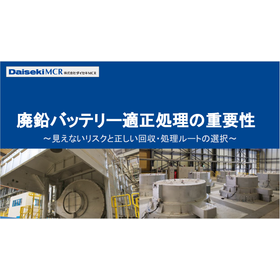
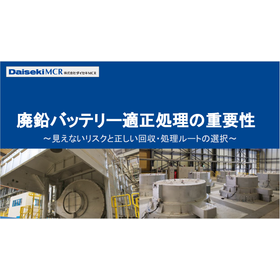
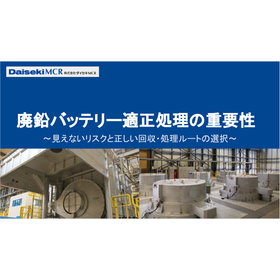
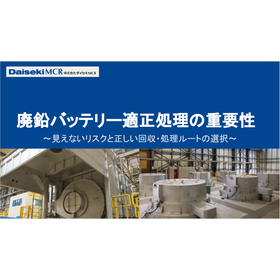
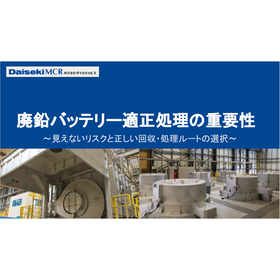
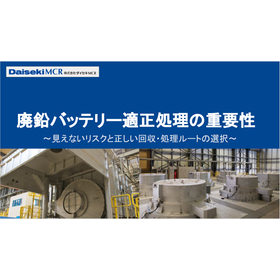
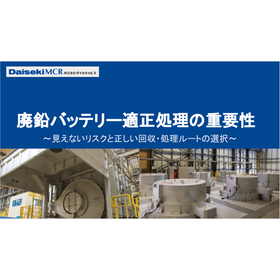
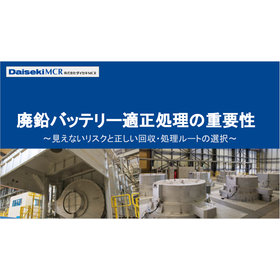
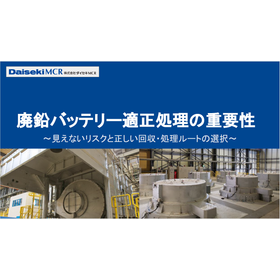
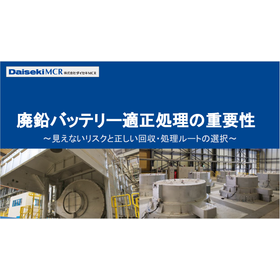
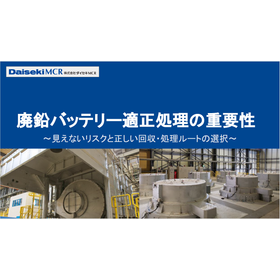
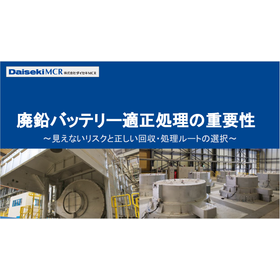
Importance of Proper Disposal of Waste Lead Batteries

Explaining the three risks of improper processing, environment, and companies! Understanding the correct selection of collection and processing routes.

This document is a white paper summarizing the importance of risk avoidance in the proper disposal of waste lead batteries and the selection of legitimate channels. It provides explanations from three perspectives: the risks of improper disposal, environmental risks, and corporate risks associated with waste lead batteries. It also details the comprehensive system and processing steps from collection to resource recovery by "Daiseki MCR." We also introduce compliance measures and stable resource recovery, so please make use of this information. [Contents] ■ Three risks associated with waste lead batteries ■ Importance of risk avoidance ■ Proper disposal flow of Daiseki MCR ■ Achieving safe and secure resource circulation *For more details, please download the PDF or feel free to contact us.

  • Other Batteries

Added to bookmarks

Bookmarks list

Bookmark has been removed

Bookmarks list

You can't add any more bookmarks

By registering as a member, you can increase the number of bookmarks you can save and organize them with labels.

Free membership registration

Aviation Ground Support Lead Battery Recycling

Carbon offset recycling contributing to the formation of a society aligned with the SDGs.

In the aviation industry's ground support operations, a stable supply of batteries and a reduction in environmental impact are required. In particular, the batteries for ground support vehicles and equipment that support aircraft operations are essential for safe operations. Proper battery recycling contributes to the effective use of resources and environmental protection. Our company addresses these challenges through the recycling of waste lead batteries. 【Usage Scenarios】 * Ground support vehicles for aircraft (towing tractors, power supply vehicles, etc.) * Equipment within airports (lighting, communication systems, etc.) * Battery replacement and maintenance operations 【Benefits of Implementation】 * Cost reduction through effective resource utilization * Contribution to reducing environmental impact (carbon offset) * Promotion of corporate efforts towards SDGs

  • Batteries and Capacitors

Added to bookmarks

Bookmarks list

Bookmark has been removed

Bookmarks list

You can't add any more bookmarks

By registering as a member, you can increase the number of bookmarks you can save and organize them with labels.

Free membership registration

Recycling of Waste Lead Batteries for Fisheries

Towards the formation of a society for the SDGs: Decarbonization through carbon offset recycling.

The spread of electric boats in the fishing industry contributes to reducing environmental impact and achieving sustainable fishing. Electric boats may use lead-acid batteries as a power source, and the proper disposal of used lead batteries poses a challenge. Improper disposal can lead to environmental pollution. Daiseiki MCR Co., Ltd. consistently handles the purchase and recycling of waste lead batteries, thereby reducing environmental impact. 【Usage Scenarios】 - Recycling of lead-acid batteries for electric boats - Initiatives for SDGs in the fishing industry 【Effects of Implementation】 - Reduction of environmental impact - Effective use of resources - Contribution of companies to SDGs

  • Batteries and Capacitors

Added to bookmarks

Bookmarks list

Bookmark has been removed

Bookmarks list

You can't add any more bookmarks

By registering as a member, you can increase the number of bookmarks you can save and organize them with labels.

Free membership registration

Recycling of Waste Lead Batteries for the Mining Industry

Carbon offset recycling contributing to the formation of a society for the SDGs.

In electric transportation within the mining industry, proper battery management and reduction of environmental impact are required. In particular, the replacement and disposal of batteries for transport vehicles within the mine need to consider work efficiency and environmental effects. Improper battery handling can lead to resource waste and environmental pollution. Our company addresses these challenges through the recycling of used lead batteries. 【Usage Scenarios】 * Battery replacement for electric transport vehicles in the mine * Reducing environmental impact during battery disposal * Contribution to the SDGs 【Effects of Implementation】 * Effective use of resources * Reduction of environmental impact * Contribution of companies to the SDGs

  • Batteries and Capacitors

Added to bookmarks

Bookmarks list

Bookmark has been removed

Bookmarks list

You can't add any more bookmarks

By registering as a member, you can increase the number of bookmarks you can save and organize them with labels.

Free membership registration

Disaster Prevention: Waste Lead Battery Recycling Lead-Acid Battery

Towards the formation of a society aligned with the SDGs, emergency power sources through carbon offset recycling.

In the field of disaster prevention, a stable power supply is required during emergencies such as power outages. Particularly in evacuation centers and disaster prevention facilities, securing emergency power sources is crucial for ensuring people's safety. Lead-acid batteries are widely used as emergency power sources, but the proper disposal of used lead batteries and effective resource utilization are challenges. Our company contributes to the sustainability of emergency power sources through the recycling of waste lead batteries. 【Usage Scenarios】 - Evacuation centers - Disaster prevention facilities - Locations requiring emergency power sources 【Effects of Implementation】 - Stable supply of emergency power sources - Effective resource utilization - Reduction of environmental impact

  • Batteries and Capacitors

Added to bookmarks

Bookmarks list

Bookmark has been removed

Bookmarks list

You can't add any more bookmarks

By registering as a member, you can increase the number of bookmarks you can save and organize them with labels.

Free membership registration

Energy saving through recycling of waste lead batteries for the manufacturing industry.

Supporting the decarbonization of the manufacturing industry through carbon offset recycling.

In the manufacturing industry, improving energy efficiency is a crucial challenge. In particular, proper handling of lead-acid batteries used in manufacturing processes and reducing environmental impact are required. Improper battery disposal can lead to environmental pollution. Our waste lead battery recycling service contributes to your energy savings and the achievement of the SDGs. 【Usage Scenarios】 - Battery replacement in factories - Battery replacement for forklifts and other equipment - Reducing energy consumption in manufacturing processes 【Benefits of Implementation】 - Reduction of environmental impact - Contribution to the SDGs - Enhancement of corporate image

  • Batteries and Capacitors

Added to bookmarks

Bookmarks list

Bookmark has been removed

Bookmarks list

You can't add any more bookmarks

By registering as a member, you can increase the number of bookmarks you can save and organize them with labels.

Free membership registration

Railway Lead Battery Recycling

Contributing to the formation of a society for the SDGs through the recycling of lead-acid batteries.

In the railway industry, lead-acid batteries are used in various locations, such as emergency power supplies and signal systems, to support safe operations. These batteries require proper handling and resource utilization. Improper disposal can lead to environmental pollution and pose risks that threaten safe operations. Our company consistently manages the collection and recycling of used lead batteries, supporting a safe social infrastructure. 【Usage Scenarios】 - Emergency power supply for railway vehicles - Backup power supply for signal systems 【Benefits of Implementation】 - Reduction of environmental impact - Effective use of resources - Contribution to a safe social infrastructure

  • Batteries and Capacitors

Added to bookmarks

Bookmarks list

Bookmark has been removed

Bookmarks list

You can't add any more bookmarks

By registering as a member, you can increase the number of bookmarks you can save and organize them with labels.

Free membership registration

Lead Battery Recycling for Logistics

Promoting decarbonization of logistics through carbon offset recycling.

In the logistics industry, reducing environmental impact and cutting costs are important challenges. In particular, the proper disposal of used batteries is essential for environmental conservation and corporate sustainability. Improper disposal can lead to environmental pollution. Our lead battery recycling service addresses these challenges. 【Usage Scenarios】 - Battery replacement for forklifts and other equipment in warehouses and distribution centers - Battery replacement for logistics vehicles - Collaboration with industrial waste disposal companies 【Benefits of Implementation】 - Reduction of environmental impact (carbon offset) - Contribution to the SDGs - Improvement of corporate image - Reduction of disposal costs

  • Batteries and Capacitors

Added to bookmarks

Bookmarks list

Bookmark has been removed

Bookmarks list

You can't add any more bookmarks

By registering as a member, you can increase the number of bookmarks you can save and organize them with labels.

Free membership registration

Lead Battery Recycling for Agriculture

Contributing to the formation of a society for the SDGs! Decarbonization through carbon offset recycling.

As the electrification of agriculture progresses, the proper recycling of lead-acid batteries is essential for reducing environmental impact. With the spread of electric agricultural machinery, the amount of discarded used lead-acid batteries is also increasing, necessitating proper disposal. Improper disposal can lead to soil contamination and environmental destruction. Our company consistently handles the collection and recycling of waste lead batteries, reducing environmental impact. 【Usage Scenarios】 * Electric tractors * Electric transport vehicles * Other electric agricultural machinery 【Benefits of Implementation】 * Reduction of environmental impact * Contribution to the SDGs * Improvement of corporate image

  • Batteries and Capacitors

Added to bookmarks

Bookmarks list

Bookmark has been removed

Bookmarks list

You can't add any more bookmarks

By registering as a member, you can increase the number of bookmarks you can save and organize them with labels.

Free membership registration

Recycling of Waste Lead Batteries for the Telecommunications Industry

Towards the formation of a society for the SDGs: Decarbonization through carbon offset recycling.

In the telecommunications industry, a stable supply of backup power is essential to prepare for power outages and system failures. Lead-acid batteries are widely used as backup power sources, but the proper disposal of used lead-acid batteries is an important issue for reducing environmental impact. Daisei MCR Co., Ltd.'s waste lead battery recycling service addresses this challenge. 【Usage Scenarios】 - Communication base stations - Data centers - Emergency power supplies 【Benefits of Implementation】 - Reduction of environmental impact through proper disposal of used lead-acid batteries - Contribution to decarbonization through carbon offsetting - Appeal of the company's commitment to SDGs

  • Batteries and Capacitors

Added to bookmarks

Bookmarks list

Bookmark has been removed

Bookmarks list

You can't add any more bookmarks

By registering as a member, you can increase the number of bookmarks you can save and organize them with labels.

Free membership registration

Lead Battery Recycling for Power Supply

Towards the formation of a sustainable society: Decarbonization through carbon offset recycling.

In the power industry, particularly in the energy storage sector, there is a demand for reducing environmental impact and making effective use of resources. The recycling of waste lead batteries is an important solution to these challenges. Improper disposal can lead to environmental pollution and waste of resources. Our waste lead battery recycling service contributes to the realization of a sustainable society by reducing environmental impact and effectively utilizing resources. 【Usage Scenarios】 - Collection of waste lead batteries from energy storage systems 【Benefits of Implementation】 - Reduction of environmental impact (carbon offset) - Effective use of resources - Contribution to the SDGs - Improvement of corporate image

  • Batteries and Capacitors

Added to bookmarks

Bookmarks list

Bookmark has been removed

Bookmarks list

You can't add any more bookmarks

By registering as a member, you can increase the number of bookmarks you can save and organize them with labels.

Free membership registration

Lead Battery Recycling for the Automotive Industry

Towards the formation of a sustainable society: Decarbonization through carbon offset recycling.

In the automotive industry, reducing environmental impact and effective resource utilization are important challenges. In particular, the proper handling and recycling of used lead-acid batteries are essential for achieving a sustainable society. Improper disposal can lead to environmental pollution and waste of resources. Our company addresses these challenges through the recycling of waste lead batteries. 【Usage Scenarios】 - Automobile manufacturers - Automobile parts manufacturers - Car dealers - Automobile maintenance shops 【Benefits of Implementation】 - Cost reduction through effective resource utilization - Contribution to reducing environmental impact - Promotion of corporate efforts towards SDGs - Contribution to carbon neutrality

  • Batteries and Capacitors

Added to bookmarks

Bookmarks list

Bookmark has been removed

Bookmarks list

You can't add any more bookmarks

By registering as a member, you can increase the number of bookmarks you can save and organize them with labels.

Free membership registration

Acceptance of waste batteries and lead-acid batteries for agriculture

Old tractor batteries go to Daiseki MCR!

In the agricultural sector, proper handling of lead batteries used in various machines, including tractors, is required. Improper disposal of used lead batteries can lead to environmental pollution. Our company processes lead batteries, which are classified as specially controlled industrial waste, contributing to environmental conservation. [Usage Scenarios] - When replacing tractor batteries - When disposing of batteries from agricultural machinery [Benefits of Implementation] - Consideration for the environment - Compliance with laws and regulations - Risk reduction through proper disposal methods

  • Other Batteries

Added to bookmarks

Bookmarks list

Bookmark has been removed

Bookmarks list

You can't add any more bookmarks

By registering as a member, you can increase the number of bookmarks you can save and organize them with labels.

Free membership registration

Acceptance of waste batteries and lead-acid batteries for factories (industrial waste processing, valuable purchase)

Smoothly handling factory backup power supply batteries with collection by our own trucks.

In the factory's backup power system, lead-acid batteries play an important role as a backup during power outages. However, used lead-acid batteries require proper disposal, as improper handling can lead to environmental pollution. Daiseiki MCR Co., Ltd. processes lead batteries, which are classified as specially controlled industrial waste, and disposes of them safely and appropriately. We can collect them using our own trucks across the Kanto region, Niigata, Yamanashi, Shizuoka, Nagano, Fukushima, and Miyagi. If a manifest is not required, we also offer to buy them at a value. 【Usage Scenarios】 - UPS (Uninterruptible Power Supply) within the factory - Batteries for emergency generators - Backup power for manufacturing equipment 【Benefits of Implementation】 - Reduction of disposal costs - Decrease in environmental impact - Compliance with regulations

  • Other Batteries

Added to bookmarks

Bookmarks list

Bookmark has been removed

Bookmarks list

You can't add any more bookmarks

By registering as a member, you can increase the number of bookmarks you can save and organize them with labels.

Free membership registration

Acceptance of waste batteries and lead-acid batteries for data centers

Leave the handling of backup power for data centers and lead batteries to us!

In data centers, lead batteries play a crucial role as backup power sources during power outages. However, used lead batteries require proper disposal, and consideration for the environment is also necessary. Improper disposal can lead to environmental pollution. Our company consistently handles the collection and processing of waste lead batteries, supporting the sustainable operation of data centers. We collect and process all types of lead batteries. If a manifest is not required, we can also purchase them at a value. 【Usage Scenarios】 - UPS (Uninterruptible Power Supply) for data centers - Backup power systems - Disposal of lead batteries 【Benefits of Implementation】 - Reduction of environmental impact - Compliance with regulations - Effective use of resources

  • Other Batteries

Added to bookmarks

Bookmarks list

Bookmark has been removed

Bookmarks list

You can't add any more bookmarks

By registering as a member, you can increase the number of bookmarks you can save and organize them with labels.

Free membership registration

Acceptance of discarded batteries and lead-acid batteries for railways

The lead battery processing for the railway signal system is handled by Daiseki MCR.

In the railway industry, lead-acid batteries are used as backup power sources during power outages for signal systems. Proper handling of these lead-acid batteries is essential to ensure safe operations. Improper handling increases the risk of environmental pollution and violations of regulations. Daiseiki MCR Co., Ltd. provides specialized processing of waste lead batteries to support the safe operation of railways. 【Usage Scenarios】 - When replacing lead-acid batteries in railway signal systems - Signal equipment within stations and along tracks - Signal systems equipped with UPS (Uninterruptible Power Supply) 【Benefits of Implementation】 - Reduction of environmental impact - Compliance with regulations - Safe processing by specialized contractors - Possibility of valuable purchase without the need for a manifest

  • Other Batteries

Added to bookmarks

Bookmarks list

Bookmark has been removed

Bookmarks list

You can't add any more bookmarks

By registering as a member, you can increase the number of bookmarks you can save and organize them with labels.

Free membership registration

Acceptance of waste batteries and lead-acid batteries for electrical work and equipment.

We handle the entire Kanto region! Leave the disposal of waste batteries and valuable purchases to us.

In the electrical construction and equipment industry, proper disposal of used lead batteries is required. In particular, consideration for the environment and compliance with laws and regulations are important. Improper disposal can lead to environmental pollution and legal issues. Our company provides a consistent service from the collection to the processing of waste lead batteries, solving our customers' challenges. 【Usage Scenarios】 * Electrical equipment construction sites * Replacement of UPS (Uninterruptible Power Supply) * Battery replacement for various industrial equipment 【Benefits of Implementation】 * Contributes to legal compliance and reduction of environmental impact * Reduction of disposal costs (in the case of valuable purchases) * Safe disposal by specialized contractors

  • Other Batteries

Added to bookmarks

Bookmarks list

Bookmark has been removed

Bookmarks list

You can't add any more bookmarks

By registering as a member, you can increase the number of bookmarks you can save and organize them with labels.

Free membership registration

Acceptance of waste batteries and lead-acid batteries for solar power generation.

Leave the processing of solar power system batteries and lead batteries to us!

In the solar power generation industry, proper handling of lead batteries is required in conjunction with the maintenance and updating of storage systems. In particular, environmental considerations and cost efficiency are important challenges. Improper handling can increase the risk of environmental pollution and may lead to violations of regulations. Our company consistently handles the collection and recycling of waste lead batteries, reducing environmental impact. We also offer valuable purchases that do not require a manifest. 【Usage Scenarios】 - When replacing storage batteries in solar power generation systems - During maintenance of storage systems - When disposing of lead batteries 【Benefits of Implementation】 - Reduction of environmental impact - Compliance with regulations - Potential cost savings

  • Other Batteries

Added to bookmarks

Bookmarks list

Bookmark has been removed

Bookmarks list

You can't add any more bookmarks

By registering as a member, you can increase the number of bookmarks you can save and organize them with labels.

Free membership registration
Prev 123 Next
  • 目的・課題から技術・サービスを探せる リノベーション・リフォーム専門サイト
    • Contact this company

      Contact Us Online
    • Before making an inquiry

      Download PDF

    Products

    • Search for Products

    Company

    • Search for Companies

    Special Features

    • Special Features

    Ranking

    • Overall Products Ranking
    • Overall Company Ranking

    support

    • site map
    IPROS
    • privacy policy Regarding external transmission of information
    • terms of service
    • About Us
    • Careers
    • Advertising
    IPROS Services
    • >IPROS GMS | Search site for the manufacturing industry
    • >IPROS | Search site for the B2B industry
    COPYRIGHT © 2001-2026 IPROS CORPORATION ALL RIGHTS RESERVED.
    Please note that the English text on this page is automatically translated and may contain inaccuracies.