46~90 item / All 139 items
Displayed results

Added to bookmarks
Bookmarks listBookmark has been removed
Bookmarks listYou can't add any more bookmarks
By registering as a member, you can increase the number of bookmarks you can save and organize them with labels.
Free membership registrationContact this company
Contact Us Online46~90 item / All 139 items
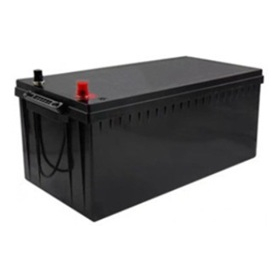
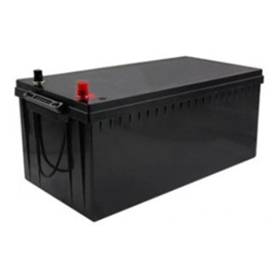
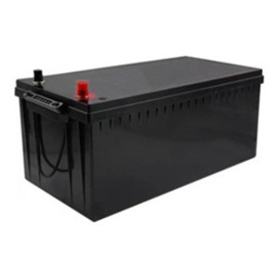
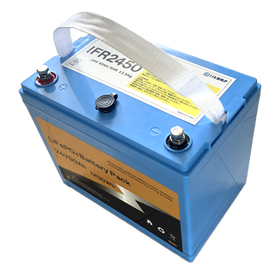
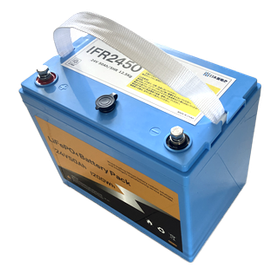
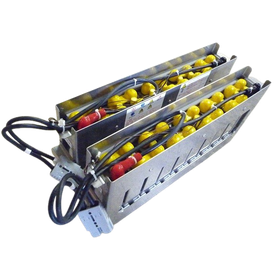
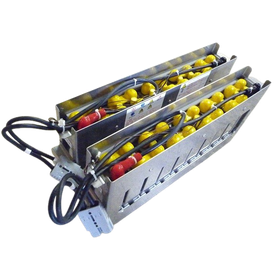
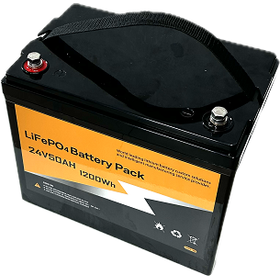
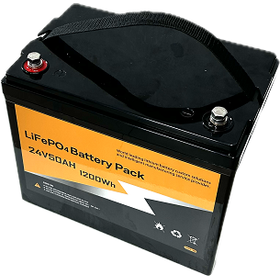
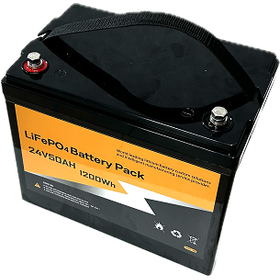
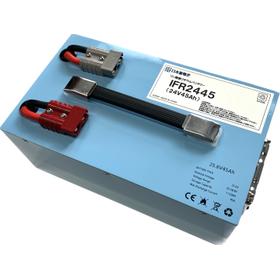
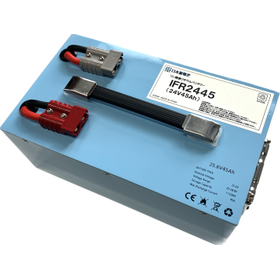
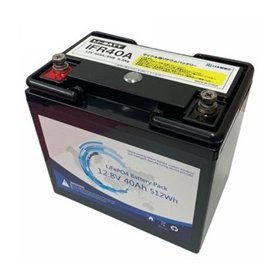
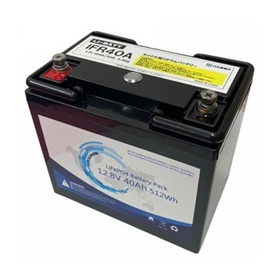
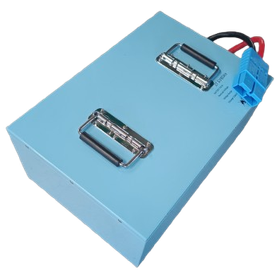
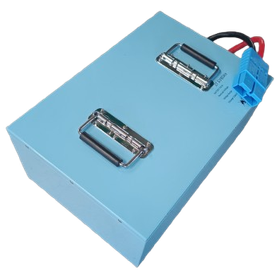
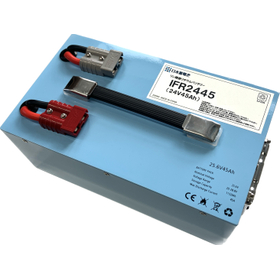
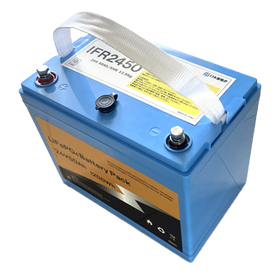
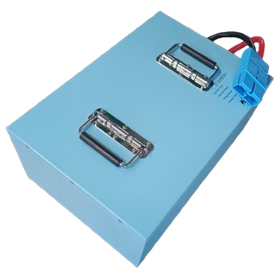
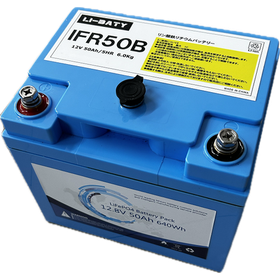
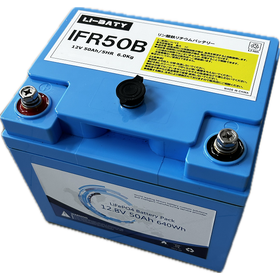
Lead batteries have a short cycle life and gradually experience capacity degradation, requiring management and maintenance. Why not switch to lithium batteries to reduce maintenance and replacement costs? <Advantages compared to lead-acid batteries> - Lightweight: Can be reduced to less than half the weight of conventional lead batteries. - Long operating time: Can maintain high voltage for a longer period, resulting in extended operating time until the equipment's stop voltage. - Reduced replacement frequency: Durable even under deep discharge, significantly extending the cycle life compared to lead batteries. - Easy storage: Low self-discharge means no need for recharging after vacations or equipment maintenance. - Resistant to temperature environments: Can be used in temperature environments ranging from 5°C to 40°C, resistant to temperature changes. - Cost control: Initial costs are high, but running costs can be kept low. - No need for equipment changes: The main equipment and surrounding devices such as chargers can be used as is.
Added to bookmarks
Bookmarks listBookmark has been removed
Bookmarks listYou can't add any more bookmarks
By registering as a member, you can increase the number of bookmarks you can save and organize them with labels.
Free membership registration
Lead batteries have a short cycle life and gradually experience capacity degradation, requiring management and maintenance. Why not switch to lithium batteries to reduce maintenance and replacement costs? <Advantages compared to lead-acid batteries> - Lightweight: Can be reduced to less than half the weight of conventional lead batteries. - Long operating time: Can maintain high voltage for a longer period, resulting in extended operating time until the equipment's stop voltage. - Reduced replacement frequency: Durable against deep discharges, significantly extending cycle life compared to lead batteries. - Easy storage: Low self-discharge means no need for recharging after vacations or equipment maintenance. - Strong against temperature variations: Can be used in temperature environments ranging from 5°C to 40°C. - Cost control: Initial costs are high, but running costs can be minimized. - No need for equipment changes: The main equipment and peripheral devices such as chargers can be used as is.
Added to bookmarks
Bookmarks listBookmark has been removed
Bookmarks listYou can't add any more bookmarks
By registering as a member, you can increase the number of bookmarks you can save and organize them with labels.
Free membership registration
Lead batteries have a short cycle life and gradually experience capacity degradation, so they require management and maintenance. Why not switch to lithium batteries to reduce maintenance and replacement costs? <Advantages compared to lead-acid batteries> - Lightweight: Can be reduced to less than half the weight of a standard lead battery. - Long operating time: Can maintain high voltage for longer, resulting in extended operating time until the equipment's stop voltage. - Reduced replacement frequency: Durable against deep discharges, significantly extending cycle life compared to lead batteries. - Easy storage: Low self-discharge means no need for recharging after vacations or equipment maintenance. - Strong against temperature environments: Resistant to temperature changes, usable in environments ranging from 5°C to 40°C. - Cost control: Initial costs are high, but running costs can be minimized. - No need for equipment changes: The main equipment and peripheral devices such as chargers can be used as is.
Added to bookmarks
Bookmarks listBookmark has been removed
Bookmarks listYou can't add any more bookmarks
By registering as a member, you can increase the number of bookmarks you can save and organize them with labels.
Free membership registration
Quickly respond to the prototype needs of "wanting to move first" in new product development. We provide optimal cell selection and circuit design, starting with lithium-ion batteries, contributing to the acceleration of product development.
Added to bookmarks
Bookmarks listBookmark has been removed
Bookmarks listYou can't add any more bookmarks
By registering as a member, you can increase the number of bookmarks you can save and organize them with labels.
Free membership registration
【A Must-See for Those Looking to Maximize the Operational Efficiency of Industrial Vehicles such as AGVs and AMRs】 Are you struggling with "power shortages at the end of operations," "frequent battery replacements or purchases," and "maintenance workload" in your existing lead battery operations? This document clearly explains, with illustrations, why switching from lead batteries to lithium-ion batteries can dramatically improve productivity on-site. ■ Issues that can be resolved with this document: Extending operating time: Prevent "power down" due to voltage drop and maintain full speed until the end. Optimizing investment efficiency: Eliminate the limitation of 70% depth of discharge (DOD) and utilize nearly 100% effective capacity. Reducing total cost of ownership (TCO): Significantly lower replacement costs due to a lifespan over four times that of lead batteries. ■ Topics covered (partial list): The decisive difference in "actual operating time" shown by discharge curves The relationship between "effective capacity" and DOD Cost simulations over 5 and 10 years Before-and-after implementation in AGVs and transport equipment Please use this as a proposal for on-site improvements or as foundational material for internal approvals.
Added to bookmarks
Bookmarks listBookmark has been removed
Bookmarks listYou can't add any more bookmarks
By registering as a member, you can increase the number of bookmarks you can save and organize them with labels.
Free membership registration
Lithium conversion with the charger as is. It is possible to replace existing lead-acid battery chargers with lithium ones. This significantly reduces the introduction costs. Achieving 24-hour operation with "topping up charging." Short-term topping up charging, which was strictly prohibited for lead-acid batteries, is now possible. This allows for recovery during brief breaks, minimizing the downtime of AGVs. Upgrade options for non-contact and rapid charging are also available. For sites aiming for further automation, we also offer customization for integration with non-contact power supply systems and rapid charging specifications. Maintenance labor reduced by 90%. No need for water replenishment or management of distilled water. Eliminates the risk of floor corrosion due to battery liquid leaks, maintaining a clean warehouse environment. Custom solutions available for small lots and from one unit. For AGVs with special shapes or older vehicles that do not fit standard products, we design and manufacture optimal sizes and capacities from one unit under our domestic inspection system.
Added to bookmarks
Bookmarks listBookmark has been removed
Bookmarks listYou can't add any more bookmarks
By registering as a member, you can increase the number of bookmarks you can save and organize them with labels.
Free membership registration
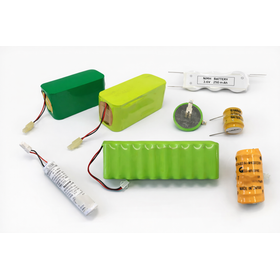
The nickel-cadmium and nickel-hydride batteries used in AGVs are robust and durable, but signs of deterioration, such as the occurrence of faulty cells and an increase in charging cycles, are often observed after about four years of use. Additionally, the maintenance workload is significant, placing a burden on the field. Furthermore, due to the manufacturer's supply system, issues with delivery times and difficulties in obtaining batteries have led to an increasing number of users considering the renewal or discontinuation of AGV equipment. We can resolve these issues through the conversion to lithium units. Please feel free to consult with us.
Added to bookmarks
Bookmarks listBookmark has been removed
Bookmarks listYou can't add any more bookmarks
By registering as a member, you can increase the number of bookmarks you can save and organize them with labels.
Free membership registration
The nickel-cadmium and nickel-hydride batteries used in AGVs are robust and durable, but signs of deterioration, such as the occurrence of defective cells and an increase in charging cycles, are often observed after about four years of use. Additionally, the maintenance workload is significant, placing a burden on the field. Furthermore, due to the manufacturer's supply system, issues with delivery times and difficulties in obtaining batteries have led to an increasing number of users considering the renewal or discontinuation of AGV equipment. We can resolve these issues through the conversion to lithium units. Please feel free to consult with us.
Added to bookmarks
Bookmarks listBookmark has been removed
Bookmarks listYou can't add any more bookmarks
By registering as a member, you can increase the number of bookmarks you can save and organize them with labels.
Free membership registration
The nickel-cadmium and nickel-hydride batteries used in AGVs are robust and durable, but signs of deterioration, such as the occurrence of defective cells and an increase in charging cycles, are often observed after about four years of use. Additionally, the burden of maintenance is significant, placing a strain on the field operations. Furthermore, due to the manufacturer's supply system, issues with delivery times and difficulties in procurement have led to an increasing number of users having to consider updating or discontinuing their AGV equipment. We can resolve these issues through the use of lithium units. Please feel free to consult with us.
Added to bookmarks
Bookmarks listBookmark has been removed
Bookmarks listYou can't add any more bookmarks
By registering as a member, you can increase the number of bookmarks you can save and organize them with labels.
Free membership registration
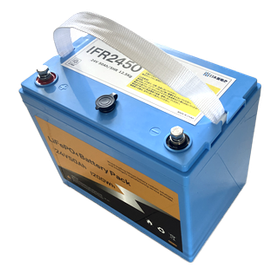
"We want to meet the need to clear safety standards." We comply with international standards that guarantee the safety of lithium batteries, such as "IEC 62619" and the UN transport test "UN38.3." We promise smooth logistics and safe operations both domestically and internationally. 【Issues Addressed by This Product】 - Minimization of fire and thermal runaway risks The cell structure that suppresses thermal runaway and the multi-protection BMS prevent serious accidents even in the event of a failure. - Prevention of overseas transport troubles Since it has passed UN38.3, it is suitable for air and sea transport. It is also optimal as a power source for export machinery. - Compliance with corporate regulations By adopting a power source that meets international standards, we enhance compliance with the Product Liability Law and improve corporate safety evaluations. By adopting lithium iron phosphate (LFP), we have achieved high safety and long lifespan.
Added to bookmarks
Bookmarks listBookmark has been removed
Bookmarks listYou can't add any more bookmarks
By registering as a member, you can increase the number of bookmarks you can save and organize them with labels.
Free membership registration
"We want to meet the need to clear safety standards." We comply with international standards that guarantee the safety of lithium batteries, such as "IEC 62619" and the United Nations transport test "UN38.3." We promise smooth logistics and safe operations both domestically and internationally. 【Challenges Addressed by This Product】 - Minimization of fire and thermal runaway risks The cell structure that suppresses thermal runaway and the multi-protection BMS prevent serious accidents even in the event of a failure. - Prevention of troubles during overseas transport Since it has passed UN38.3, it is suitable for air and sea transport. It is also ideal as a power source for export machinery. - Compliance with corporate regulations By adopting a power source that meets international standards, we enhance PL law measures and corporate safety evaluations. The adoption of lithium iron phosphate (LFP) achieves high safety and long lifespan.
Added to bookmarks
Bookmarks listBookmark has been removed
Bookmarks listYou can't add any more bookmarks
By registering as a member, you can increase the number of bookmarks you can save and organize them with labels.
Free membership registration
Reducing the burden of exchange work Carrying heavy spare batteries, which was common with lead batteries, is no longer necessary. With lithium, significant weight reduction is achieved, thereby easing the workload. Eliminating the psychological pressure of "forgetting to charge" You are freed from the strict constraints of long charging times. Since recovery can be achieved with short charging periods, even if you forget to charge, you can restore functionality quickly, reducing the pressure of operational schedules. Significant reduction in management workload Complicated maintenance tasks such as scheduling equal charging and checking specific gravity in winter are no longer necessary. The BMS (Battery Management System) automatically monitors the condition, allowing humans to simply "operate it."
Added to bookmarks
Bookmarks listBookmark has been removed
Bookmarks listYou can't add any more bookmarks
By registering as a member, you can increase the number of bookmarks you can save and organize them with labels.
Free membership registration
Reduction of the burden of exchange work Carrying heavy spare batteries, which was common with lead batteries, is alleviated with lithium batteries due to significant weight reduction, thus easing the workload. Elimination of the psychological pressure of "forgetting to charge" You are freed from the strict constraints of long charging times. Since recovery can be achieved with short charging periods, even if you forget to charge, you can restore functionality quickly, reducing the pressure of operational schedules. Significant cut in management workload Complicated maintenance tasks such as scheduling for equal charging and checking specific gravity in winter are no longer necessary. The Battery Management System (BMS) automatically monitors the condition, allowing humans to simply "operate it."
Added to bookmarks
Bookmarks listBookmark has been removed
Bookmarks listYou can't add any more bookmarks
By registering as a member, you can increase the number of bookmarks you can save and organize them with labels.
Free membership registration
Alkaline batteries for AGVs are very expensive. Due to the high replacement costs, some companies are considering discontinuing AGVs. What we propose this time is the activation of alkaline batteries. NiCd and NiMH batteries inevitably experience a decrease in capacity due to the effects of memory. Depending on the usage environment, cell degradation occurs in about four years. Activation treatment achieves capacity recovery, improved charge and discharge capabilities, and voltage stabilization. It also has cost-saving effects and is very economical. Please feel free to consult us first.
Added to bookmarks
Bookmarks listBookmark has been removed
Bookmarks listYou can't add any more bookmarks
By registering as a member, you can increase the number of bookmarks you can save and organize them with labels.
Free membership registration
Alkaline batteries for AGVs are very expensive. Due to the high replacement costs, some companies are considering discontinuing AGVs. What we propose this time is the activation of alkaline batteries. NiCd and NiMH batteries cannot avoid capacity degradation due to the memory effect and other influences. Depending on the usage environment, cell deterioration occurs in about four years. Activation treatment achieves capacity recovery, improved charge and discharge capabilities, and voltage stabilization. It also has cost-saving effects and is very economical. Please feel free to consult us first.
Added to bookmarks
Bookmarks listBookmark has been removed
Bookmarks listYou can't add any more bookmarks
By registering as a member, you can increase the number of bookmarks you can save and organize them with labels.
Free membership registration
Lead batteries have a short cycle life and gradually experience capacity degradation, requiring management and maintenance. Would you consider switching to lithium batteries to reduce maintenance and replacement costs? <Advantages compared to lead-acid batteries> - Lightweight: Can be reduced to less than half the weight of a standard lead battery. - Long operating time: Can maintain high voltage for a longer period, resulting in extended operating time until the equipment's stop voltage. - Reduced replacement frequency: Durable against deep discharges, significantly extending cycle life compared to lead batteries. - Easy storage: Low self-discharge means no need for recharging after vacations or equipment maintenance. - Resistant to temperature changes: Can be used in temperature environments ranging from 5°C to 40°C. - Cost control: Initial costs are high, but running costs can be minimized. - No need for equipment changes: The main equipment and surrounding devices such as chargers can be used as is.
Added to bookmarks
Bookmarks listBookmark has been removed
Bookmarks listYou can't add any more bookmarks
By registering as a member, you can increase the number of bookmarks you can save and organize them with labels.
Free membership registration
Lead batteries have a short cycle life and gradually experience capacity decline, requiring management and maintenance. Would you consider switching to lithium batteries to reduce maintenance and replacement costs? <Advantages compared to lead-acid batteries> - Lightweight: Can be reduced to less than half the weight of a standard lead battery. - Long operating time: Can maintain high voltage for a longer period, resulting in extended operating time until the equipment's cutoff voltage. - Reduced replacement frequency: Durable against deep discharges, significantly extending cycle life compared to lead batteries. - Easy storage: Low self-discharge means no need for recharging after vacations or equipment maintenance. - Resistant to temperature variations: Can be used in temperature environments ranging from 5°C to 40°C. - Cost control: Initial costs are high, but running costs can be kept low. - No need for equipment changes: Existing equipment and chargers can be used as is.
Added to bookmarks
Bookmarks listBookmark has been removed
Bookmarks listYou can't add any more bookmarks
By registering as a member, you can increase the number of bookmarks you can save and organize them with labels.
Free membership registration
Lead batteries have a short cycle life and gradually experience capacity decline, requiring management and maintenance. Would you consider switching to lithium batteries to reduce maintenance and replacement costs? <Advantages compared to lead-acid batteries> - Lightweight: Can be reduced to less than half the weight of a standard lead battery. - Long operating time: Can maintain high voltage for a longer duration, resulting in extended operating time until the equipment's cutoff voltage. - Reduced replacement frequency: Durable even under deep discharge, significantly extending cycle life compared to lead batteries. - Easy storage: Low self-discharge means no need for recharging after vacations or equipment maintenance. - Resistant to temperature variations: Can be used in temperature environments ranging from 5°C to 40°C. - Cost control: Initial costs are high, but running costs can be minimized. - No need for equipment changes: Existing equipment and peripherals such as chargers can be used as is.
Added to bookmarks
Bookmarks listBookmark has been removed
Bookmarks listYou can't add any more bookmarks
By registering as a member, you can increase the number of bookmarks you can save and organize them with labels.
Free membership registration
PLB's lithium battery products have the following excellent features: - Wide operating temperature: Capable of withstanding harsh environments from -40°C to 60°C Covers a wide operating temperature range from extreme cold to high humidity, maintaining stable output. - Excellent low-temperature characteristics: Discharge at -40°C and charging from -20°C Supports discharge down to -40°C, even in low-temperature environments where typical lithium-ion batteries struggle. Additionally, it is designed for cold regions, supporting 0.5C charging between -20°C and -10°C. - 5C ultra-fast charging: Achieves the quickest operational recovery Supports ultra-fast charging at an extremely high rate of 5C, boasting a charging efficiency of over 94%. It is ideal for applications such as logistics robots (AGV/AMR) and electric mobility, where minimizing downtime is crucial. - Efficient energy management: Low-loss design with over 94% charging efficiency Maintains high energy efficiency even during fast charging, enabling efficient operation while minimizing heat generation.
Added to bookmarks
Bookmarks listBookmark has been removed
Bookmarks listYou can't add any more bookmarks
By registering as a member, you can increase the number of bookmarks you can save and organize them with labels.
Free membership registration
PLB's lithium battery products have the following excellent features: - Wide operating temperature: Capable of withstanding harsh environments from -40°C to 60°C Covers a wide operating temperature range from extremely cold regions below freezing to hot and humid environments, maintaining stable output. - Excellent low-temperature characteristics: Discharge at -40°C and charging from -20°C Supports discharge down to -40°C, even in low-temperature environments where typical lithium-ion batteries struggle. Additionally, it is designed for cold regions, supporting 0.5C charging between -20°C and -10°C. - 5C ultra-fast charging: Achieves operational recovery in the shortest time Supports ultra-fast charging at an extremely high rate of 5C, boasting a charging efficiency of over 94%. Ideal for applications such as logistics robots (AGV/AMR) and electric mobility, where minimizing downtime is crucial. - Efficient energy management: Low-loss design with over 94% charging efficiency Maintains high energy efficiency even during fast charging, enabling efficient operation while suppressing heat generation.
Added to bookmarks
Bookmarks listBookmark has been removed
Bookmarks listYou can't add any more bookmarks
By registering as a member, you can increase the number of bookmarks you can save and organize them with labels.
Free membership registration
PLB's lithium battery products have the following excellent features: - Wide operating temperature: Supports harsh environments from -40°C to 60°C Covers a wide operating temperature range from extremely cold regions below freezing to high-temperature and humid environments, maintaining stable output. - Excellent low-temperature characteristics: Discharge at -40°C and charging from -20°C Even in low-temperature environments where typical lithium-ion batteries struggle, it supports discharge down to -40°C. Furthermore, it is ideal for cold climate applications, supporting 0.5C charging between -20°C and -10°C. - 5C ultra-fast charging: Achieves operational recovery in the shortest time Supports ultra-fast charging at an extremely high rate of 5C, boasting a charging efficiency of over 94%. It is perfect for applications such as logistics robots (AGV/AMR) and electric mobility, where minimizing downtime is essential. - Efficient energy management: Low-loss design with over 94% charging efficiency Maintains high energy efficiency even during fast charging, enabling efficient operation while suppressing heat generation.
Added to bookmarks
Bookmarks listBookmark has been removed
Bookmarks listYou can't add any more bookmarks
By registering as a member, you can increase the number of bookmarks you can save and organize them with labels.
Free membership registration
【Overview】 This is an industrial lithium-ion battery system that supports external control and monitoring via CAN communication (CAN 2.0B). It is equipped with a proprietary BMS (Battery Management System) that can send precise data such as voltage, current, temperature, SOC (State of Charge), and SOH (State of Health) to the upper controller in real-time. 【Features】 - Advanced system integration: The CAN protocol allows for easy incorporation into existing systems such as AGVs (Automated Guided Vehicles). - Safety and longevity: Balance control for each cell reduces variations in charging and discharging, preventing issues such as overcharging and over-discharging. - Improved maintenance efficiency: The ability to monitor battery degradation through communication functions enables planned maintenance and replacement schedule management.
Added to bookmarks
Bookmarks listBookmark has been removed
Bookmarks listYou can't add any more bookmarks
By registering as a member, you can increase the number of bookmarks you can save and organize them with labels.
Free membership registration
【Overview】 This is an industrial lithium-ion battery system that supports external control and monitoring via CAN communication (CAN 2.0B). It is equipped with a proprietary BMS (Battery Management System) that can send precise data such as voltage, current, temperature, SOC (State of Charge), and SOH (State of Health) to the upper controller in real-time. 【Features】 - Advanced system integration: The CAN protocol allows for easy incorporation into existing systems such as AGVs (Automated Guided Vehicles). - Safety and long lifespan: Balance control for each cell reduces variations in charging and discharging, preventing issues such as overcharging and over-discharging. - Improved maintenance efficiency: The ability to monitor battery degradation through communication functions enables effective scheduling of planned maintenance and replacements.
Added to bookmarks
Bookmarks listBookmark has been removed
Bookmarks listYou can't add any more bookmarks
By registering as a member, you can increase the number of bookmarks you can save and organize them with labels.
Free membership registration
Lead batteries have a short cycle life and gradually experience capacity decline, requiring management and maintenance. Why not switch to lithium batteries to reduce maintenance and replacement costs? <Advantages compared to lead-acid batteries> - Lightweight: Can be reduced to less than half the weight of a standard lead battery. - Long operating time: Can maintain high voltage for a longer period, resulting in extended operating time until the equipment's cutoff voltage. - Reduced replacement frequency: Durable against deep discharges, significantly extending the cycle life compared to lead batteries. - Easy storage: Low self-discharge means no need for recharging after vacations or equipment maintenance. - Strong against temperature variations: Can be used in temperature environments ranging from 5°C to 40°C. - Cost control: Overall costs can be kept low. - No need for equipment changes: The main equipment and surrounding devices such as chargers can be used as is.
Added to bookmarks
Bookmarks listBookmark has been removed
Bookmarks listYou can't add any more bookmarks
By registering as a member, you can increase the number of bookmarks you can save and organize them with labels.
Free membership registration
Lead batteries have a short cycle life and gradually experience capacity decline, requiring management and maintenance. Why not switch to lithium batteries to reduce maintenance and replacement costs? <Advantages compared to lead-acid batteries> - Lightweight: Can be reduced to less than half the weight of a standard lead battery. - Long operating time: Can maintain high voltage for longer, resulting in extended operating time until the equipment's cutoff voltage. - Reduced replacement frequency: Durable against deep discharges, significantly extending cycle life compared to lead batteries. - Easy storage: Low self-discharge means no need for recharging after vacations or equipment maintenance. - Resistant to temperature variations: Can be used in temperature environments ranging from 5°C to 40°C. - Cost control: Overall costs can be reduced. - No need for equipment changes: The main equipment and surrounding devices such as chargers can be used as is.
Added to bookmarks
Bookmarks listBookmark has been removed
Bookmarks listYou can't add any more bookmarks
By registering as a member, you can increase the number of bookmarks you can save and organize them with labels.
Free membership registration
Batteries installed in picking carts, small transport equipment, and various devices require limited space, sufficient capacity, and safety. At our company, we leverage the technology cultivated from batteries for AGVs and AMRs to design and manufacture battery packs for small devices, considering specifications on a case-by-case basis.
Added to bookmarks
Bookmarks listBookmark has been removed
Bookmarks listYou can't add any more bookmarks
By registering as a member, you can increase the number of bookmarks you can save and organize them with labels.
Free membership registration
Overwhelming power compatible with high C-rate Handles peak currents generated during excavation and heavy load lifting. Achieves engine-equivalent response without compromising work efficiency. Vibration and shock resistance "Heavy Duty" Optimizes the method of securing internal cells and wiring layout, Preventing failures caused by shocks during off-road driving and excavation. Environmental performance (IP rating, thermal measures) Ensures high dust and water resistance, anticipating sites exposed to mud, water, and dust. Maintains stable output even during outdoor work in summer through heat dissipation design. Utilizing engine space "Shape flexibility" Customizes the housing size to fit the available space in the engine room. Flexibly accommodates EV conversions (electrification modifications) for existing vehicles. Collaboration with vehicle control (CAN communication compatible) Shares information in real-time with the vehicle's controller via communication interfaces such as CAN. Enables safe and advanced power management.
Added to bookmarks
Bookmarks listBookmark has been removed
Bookmarks listYou can't add any more bookmarks
By registering as a member, you can increase the number of bookmarks you can save and organize them with labels.
Free membership registration
Overwhelming power compatible with high C-rate Handles peak currents generated during excavation and heavy load lifting. Achieves engine-equivalent response without compromising work efficiency. Vibration and shock resistance "Heavy Duty" Optimizes the method of securing internal cells and wiring layout, Preventing failures caused by shocks during off-road driving and excavation. Environmental performance (IP rating, thermal measures) Ensures high dust and water resistance, assuming exposure to mud, water, and dust on-site. The heat dissipation design maintains stable output even during outdoor work in summer. "Shape flexibility" utilizing engine space Customizes the housing size to fit the available space in the engine room. Flexibly accommodates EV conversions (electrification modifications) of existing vehicles. Collaboration with vehicle control (CAN communication compatible) Shares information in real-time with the vehicle's controller via communication interfaces like CAN. Enables safe and advanced power management.
Added to bookmarks
Bookmarks listBookmark has been removed
Bookmarks listYou can't add any more bookmarks
By registering as a member, you can increase the number of bookmarks you can save and organize them with labels.
Free membership registration
In the development of drones, the "size" and "weight" of the power source are the biggest challenges. Our company collaborates closely with manufacturers on enclosure design, proposing cell layouts and shape designs that minimize dead space. By adopting high-energy density cells, we strongly support compactness. We participate in specification discussions from the design stage and build a consistent partnership from prototype to mass production as your dedicated "standard battery."
Added to bookmarks
Bookmarks listBookmark has been removed
Bookmarks listYou can't add any more bookmarks
By registering as a member, you can increase the number of bookmarks you can save and organize them with labels.
Free membership registration
In the development of new AGVs/AMRs, the "size" and "weight" of the power supply are the biggest challenges. Our company works closely with manufacturers on enclosure design, proposing cell layouts and shape designs that minimize dead space. By adopting high energy density cells, we strongly support the miniaturization and lowering of vehicles. We participate in specification discussions from the design stage and build a consistent partnership from prototype to mass production as your dedicated "standard battery."
Added to bookmarks
Bookmarks listBookmark has been removed
Bookmarks listYou can't add any more bookmarks
By registering as a member, you can increase the number of bookmarks you can save and organize them with labels.
Free membership registration
Zero contact wear and maintenance-free Since there are no physical contacts, issues such as contact failure due to wear or electrical disturbances caused by dirt do not occur. This significantly reduces the hassle and cost of parts replacement. High compatibility that allows for "a few centimeters of misalignment" The BMS flexibly controls the voltage and current fluctuations unique to non-contact power supply. Even if the stopping position is slightly misaligned, it is designed to reliably start rapid charging. Optimized for short-duration, high-frequency "topping up" charging Leveraging the characteristics of lithium-ion batteries, it automatically charges every time the vehicle stops. There is no need to increase the battery capacity, achieving both vehicle miniaturization and longevity. Support for retrofitting existing vehicles to wireless charging With custom solutions starting from a single unit, we also offer design and inspection services to upgrade existing wired charging AGVs to non-contact charging specifications.
Added to bookmarks
Bookmarks listBookmark has been removed
Bookmarks listYou can't add any more bookmarks
By registering as a member, you can increase the number of bookmarks you can save and organize them with labels.
Free membership registration
Zero contact wear and maintenance-free Since there are no physical contacts, there are no contact failures due to wear or power supply issues caused by dirt. This significantly reduces the hassle and cost of parts replacement. High compatibility that allows for "a few centimeters of misalignment" The BMS flexibly controls the voltage and current fluctuations unique to non-contact power supply. Even if the stopping position is slightly misaligned, it is designed to start rapid charging stably. Optimized for short-duration, high-frequency "topping-up charging" Leveraging the characteristics of lithium-ion batteries, it automatically charges every time it stops. There is no need to increase the battery capacity, achieving both vehicle miniaturization and longevity. Support for retrofitting existing vehicles to wireless charging With custom solutions starting from a single unit, we also offer design and inspection services to upgrade existing wired charging AGVs to non-contact charging specifications.
Added to bookmarks
Bookmarks listBookmark has been removed
Bookmarks listYou can't add any more bookmarks
By registering as a member, you can increase the number of bookmarks you can save and organize them with labels.
Free membership registration
In the agricultural sector, the electrification of various tools and machinery is progressing as a response to the reduction of work burdens and labor shortages. On the other hand, in agricultural settings, there are demanding conditions for batteries, such as outdoor use, dust, vibration, and long operating hours. Our lithium batteries are designed based on the technology cultivated for AGVs and industrial machinery, with specifications suitable for agricultural applications in mind.
Added to bookmarks
Bookmarks listBookmark has been removed
Bookmarks listYou can't add any more bookmarks
By registering as a member, you can increase the number of bookmarks you can save and organize them with labels.
Free membership registration
Lead batteries have a short cycle life and gradually experience capacity decline, requiring management and maintenance. Would you consider switching to lithium batteries to reduce maintenance and replacement costs? <Advantages compared to lead-acid batteries> - Lightweight: Can be reduced to less than half the weight of a standard lead battery. - Long operating time: Can maintain high voltage for a longer period, resulting in extended operating time until the equipment's cutoff voltage. - Reduced replacement frequency: Durable against deep discharges, significantly extending cycle life compared to lead batteries. - Easy storage: Low self-discharge means no need for recharging after vacations or equipment maintenance. - Strong against temperature variations: Can be used in temperature environments ranging from 5°C to 40°C. - Cost control: Initial costs are high, but running costs can be minimized. - No need for equipment changes: Existing equipment and peripherals such as chargers can be used as is.
Added to bookmarks
Bookmarks listBookmark has been removed
Bookmarks listYou can't add any more bookmarks
By registering as a member, you can increase the number of bookmarks you can save and organize them with labels.
Free membership registration
In the development of new robots, the "size" and "weight" of the power supply are the biggest challenges. Our company works closely with manufacturers on enclosure design, proposing cell layouts and shape designs that minimize dead space. By adopting high-energy-density cells, we strongly support the miniaturization and lowering of vehicles. We participate in specification discussions from the design stage and build a consistent partnership from prototype to mass production as your dedicated "standard-equipped battery."
Added to bookmarks
Bookmarks listBookmark has been removed
Bookmarks listYou can't add any more bookmarks
By registering as a member, you can increase the number of bookmarks you can save and organize them with labels.
Free membership registration
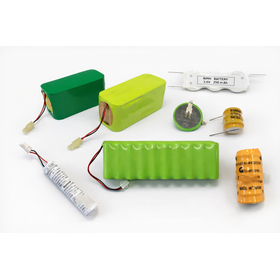
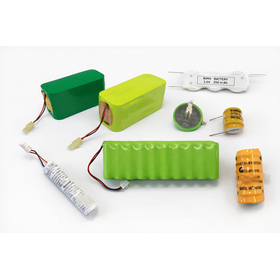
Restore alternative battery packs that fit existing spaces using the latest cells. This allows you to avoid costly equipment replacements and enables ongoing maintenance. Small lot production We flexibly respond to needs such as "I only want a few as spares." Large order quantities are not necessary. Complete reproduction of shape and connectors We meticulously reproduce special-shaped plastic cases, unique connectors, and even the lengths of lead wires. Performance improvement with the latest cells Compared to older cells, the latest cells have higher energy density, which can provide added value such as "extended operating time" and "longer lifespan" even in the same size. Design from physical analysis is also possible Even if there are no specifications or drawings remaining, we can design a replacement by taking your used battery pack. Please understand that we may not be able to meet all requests.
Added to bookmarks
Bookmarks listBookmark has been removed
Bookmarks listYou can't add any more bookmarks
By registering as a member, you can increase the number of bookmarks you can save and organize them with labels.
Free membership registration
This product is a lithium-ion battery optimized for charging and discharging characteristics, communication functions, and safety design, intended for use in AGVs and AMRs. It is widely adopted in many transport systems as a replacement for lead batteries or as a power source for new AGV implementations.
Added to bookmarks
Bookmarks listBookmark has been removed
Bookmarks listYou can't add any more bookmarks
By registering as a member, you can increase the number of bookmarks you can save and organize them with labels.
Free membership registration
In the development of drones, the "size" and "weight" of the power supply are the biggest challenges. Our company works closely with manufacturers on enclosure design, proposing cell layouts and shape designs that minimize dead space. By adopting high energy density cells, we strongly support compactness. We participate in specification discussions from the design stage and build a consistent partnership from prototype to mass production as your dedicated "standard battery."
Added to bookmarks
Bookmarks listBookmark has been removed
Bookmarks listYou can't add any more bookmarks
By registering as a member, you can increase the number of bookmarks you can save and organize them with labels.
Free membership registration
"AGVs leave the line to charge, resulting in lower operational rates..." We will solve such issues. What we propose is not just a simple battery replacement. We are shifting to a "Chance Charge" operation that combines the rapid charging characteristics of Li-ion batteries with wireless power transfer, allowing for supplementary charging during work breaks. 【Features of this product and operation】 Elimination of 8-hour charging: No more long periods of downtime; charge only as needed. Reduction of spare battery costs: By balancing the power income and expenses during operation, expensive spare batteries become unnecessary. Fully automatic and safe power supply: The wireless method eliminates wear on physical contacts and the risk of sparks, supporting completely unmanned operations.
Added to bookmarks
Bookmarks listBookmark has been removed
Bookmarks listYou can't add any more bookmarks
By registering as a member, you can increase the number of bookmarks you can save and organize them with labels.
Free membership registration
In the agricultural sector, the electrification of various tools and machinery is progressing as a response to reducing the workload and addressing labor shortages. On the other hand, in agricultural settings, there are demanding conditions for batteries, such as outdoor use, dust, vibration, and long operating hours. Our lithium batteries are designed based on the technology developed for AGVs and industrial machinery, with specifications suitable for agricultural applications in mind.
Added to bookmarks
Bookmarks listBookmark has been removed
Bookmarks listYou can't add any more bookmarks
By registering as a member, you can increase the number of bookmarks you can save and organize them with labels.
Free membership registration
Batteries installed in picking carts, small transport equipment, and various devices require limited space, sufficient capacity, and safety. At our company, we leverage the technology cultivated through batteries for AGVs and AMRs to individually design and manufacture battery packs for small devices.
Added to bookmarks
Bookmarks listBookmark has been removed
Bookmarks listYou can't add any more bookmarks
By registering as a member, you can increase the number of bookmarks you can save and organize them with labels.
Free membership registration
It is ideal for sites that want to increase transport volume without increasing the number of AGVs. By adopting high-output lithium-ion cells, rapid charging and short charging times that were impossible with conventional lead batteries are achieved. Charging is completed in the brief moments during breaks or while waiting, eliminating the need for battery replacement work. Voltage adjustments can be made to match the specifications of existing AGVs, allowing for the establishment of an efficient power supply system without stopping the automation line on site.
Added to bookmarks
Bookmarks listBookmark has been removed
Bookmarks listYou can't add any more bookmarks
By registering as a member, you can increase the number of bookmarks you can save and organize them with labels.
Free membership registration
Why not replace the lead-acid batteries currently in use with lithium-ion batteries? They have a lifespan that is approximately 3 to 5 times longer than lead batteries, significantly reducing the frequency of replacements. Additionally, they support rapid charging and topping up, so there’s no need to worry about battery depletion even in 24-hour operation environments. We also offer designs that fit within existing battery boxes. This is a solution that simultaneously achieves reduced environmental impact (carbon neutrality) and lower operational costs.
Added to bookmarks
Bookmarks listBookmark has been removed
Bookmarks listYou can't add any more bookmarks
By registering as a member, you can increase the number of bookmarks you can save and organize them with labels.
Free membership registration
The nickel-cadmium and nickel-hydride batteries used in AGVs are robust and durable, but signs of deterioration such as the occurrence of defective cells and an increase in charging cycles are often observed after about four years of use. Additionally, the burden of maintenance is significant, placing a strain on the operations. Furthermore, due to the manufacturer's supply system, issues with delivery times and difficulties in procurement have led to an increasing number of users having to consider updating or discontinuing their AGV equipment. We can resolve these issues through the conversion to lithium units. Please feel free to consult with us.
Added to bookmarks
Bookmarks listBookmark has been removed
Bookmarks listYou can't add any more bookmarks
By registering as a member, you can increase the number of bookmarks you can save and organize them with labels.
Free membership registration
PLB's lithium battery products have the following excellent features: - Wide operating temperature: Capable of withstanding harsh environments from -40°C to 60°C Covering a wide operating temperature range from extreme cold to high humidity, it maintains stable output. - Excellent low-temperature characteristics: Discharge at -40°C and charging from -20°C Even in low-temperature environments where typical lithium-ion batteries struggle, it supports discharge down to -40°C. Additionally, it is designed for cold regions, supporting 0.5C charging between -20°C and -10°C. - 5C ultra-fast charging: Achieving the quickest operational recovery It supports ultra-fast charging at an extremely high rate of 5C, boasting a charging efficiency of over 94%. This makes it ideal for applications such as logistics robots (AGV/AMR) and electric mobility, where minimizing downtime is crucial. - Efficient energy management: Low-loss design with over 94% charging efficiency It maintains high energy efficiency even during fast charging, enabling efficient operation while minimizing heat generation.
Added to bookmarks
Bookmarks listBookmark has been removed
Bookmarks listYou can't add any more bookmarks
By registering as a member, you can increase the number of bookmarks you can save and organize them with labels.
Free membership registration