46~58 item / All 58 items
Displayed results
Filter by category

Added to bookmarks
Bookmarks listBookmark has been removed
Bookmarks listYou can't add any more bookmarks
By registering as a member, you can increase the number of bookmarks you can save and organize them with labels.
Free membership registration
Contact this company
Contact Us Online46~58 item / All 58 items
Filter by category
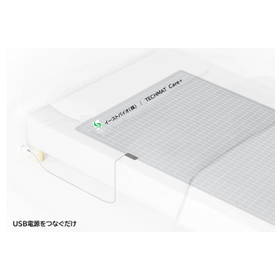
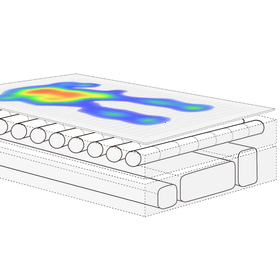
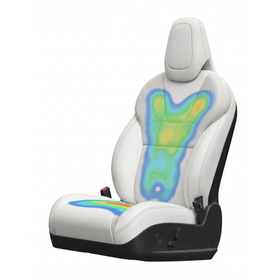
In the automotive industry, there is a constant demand for improving the comfort and safety of passengers. In particular, seats significantly affect comfort during long drives, and understanding the posture and condition of passengers is crucial for safe driving assistance systems. Traditional sensors have challenges with flexibility and durability, making it difficult to follow the shape and movement of the seat. Our fabric-like flexible sensors offer high flexibility and stretchability, allowing them to be arranged along the shape of the seat. This enables accurate detection of pressure distribution and visualization of the seating state and body pressure of passengers. 256 pressure sensors: High-density sensors cover the entire seat and accurately capture minute pressure changes. AI analysis of pressure changes allows for the recognition of fatigue and behavioral assessment, overcoming the limitations of traditional camera detection. [Application Scenarios] - Sensing pressure distribution of the seat - Monitoring seating state [Effects of Implementation] - Improved passenger comfort - Enhanced accuracy of safe driving assistance systems - Optimization of seat design
Added to bookmarks
Bookmarks listBookmark has been removed
Bookmarks listYou can't add any more bookmarks
By registering as a member, you can increase the number of bookmarks you can save and organize them with labels.
Free membership registration
Sensor technology that accurately captures body movements and conditions is crucial for creating new value. Fabric-based flexible sensors offer high flexibility and stretchability, enhancing the design freedom of wearable products and achieving a comfortable wearing experience. 【Usage Scenarios】 - Sportswear - Healthcare wear - Fashion items 【Benefits of Implementation】 - Accurate monitoring of body movements and conditions - Development of aesthetically pleasing wearable products - Realization of a comfortable wearing experience
Added to bookmarks
Bookmarks listBookmark has been removed
Bookmarks listYou can't add any more bookmarks
By registering as a member, you can increase the number of bookmarks you can save and organize them with labels.
Free membership registration
In motion analysis within the sports industry, accurate data acquisition of body movements is essential for improving athlete performance and preventing injuries. It is particularly important to capture the pressure distribution on the soles of the feet and body movements in real-time. Traditional sensors have faced challenges in flexibility and wearability, which can hinder accurate data collection. Our fabric-based flexible sensors offer high flexibility and stretchability, allowing for detailed data acquisition without interfering with the athlete's movements. 【Application Scenarios】 - Running technique analysis in athletics - Movement analysis in team sports such as soccer and basketball - Performance analysis in dance and gymnastics 【Benefits of Implementation】 - Contributes to improving athlete performance - Reduces the risk of injuries - Maximizes training effectiveness
Added to bookmarks
Bookmarks listBookmark has been removed
Bookmarks listYou can't add any more bookmarks
By registering as a member, you can increase the number of bookmarks you can save and organize them with labels.
Free membership registration
In the medical industry, biometric monitoring requires patient comfort and accurate data acquisition. In particular, flexible sensors that do not hinder patient movement are essential for long-term monitoring. Traditional rigid sensors not only burden patients but can also interfere with accurate data collection. Our fabric-based flexible sensors can obtain precise biometric information without compromising patient comfort due to their high flexibility and breathability. 【Use Cases】 - Monitoring patient vital signs - Sleep monitoring - Monitoring during rehabilitation 【Benefits of Implementation】 - Reduced burden on patients - Accurate data acquisition - Adaptability to various monitoring needs
Added to bookmarks
Bookmarks listBookmark has been removed
Bookmarks listYou can't add any more bookmarks
By registering as a member, you can increase the number of bookmarks you can save and organize them with labels.
Free membership registration
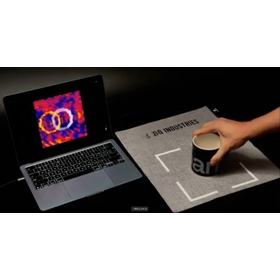
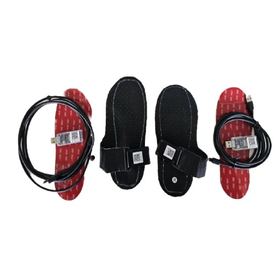
The "fabric-based flexible sensor" is a technology that enables various applications, not only for visualizing pressure distribution but also for fall prevention through tactile detection on the soles of the feet and providing tactile feedback to robots. It has a smooth texture and breathability, balancing comfort and durability. It can even detect wind strength. This technology, which combines flexibility and high precision, is being developed as a foundational technology for advanced sensing in the fields of healthcare, nursing care, robotics, and industry. 【Features】 ■ Can be strongly folded ■ High stretchability ■ Comfortable with a smooth texture ■ High flexibility ■ Washable *For more details, please download the PDF or feel free to contact us.
Added to bookmarks
Bookmarks listBookmark has been removed
Bookmarks listYou can't add any more bookmarks
By registering as a member, you can increase the number of bookmarks you can save and organize them with labels.
Free membership registration
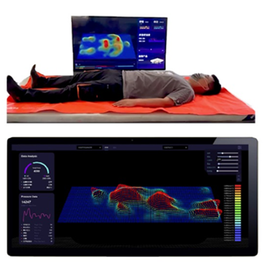
We would like to introduce our "Precision Pressure Measurement Devices." Equipped with over 2000 high-precision sensors, our precision bed pressure measurement device "Bed Scanner" accurately measures the pressure distribution of the entire body. We also offer the foot pressure measurement device "FootPrint," which provides high-resolution plantar pressure data, and the chair comfort evaluation system "Seat Comfort," which assesses chair hardness, comfort, and support points for the body. Additionally, we handle the "ECG Monitor Integrated T-Shirt," which can measure electrocardiograms simply by wearing it. 【Bed Scanner Specifications (Partial)】 ■ Pressure Area: 190cm x 90cm ■ Number of Sensors: 2048 ■ Spatial Resolution: 28mm square ■ Update Frequency: 22 frames per second ■ Pressure Range: 0.5–85N/cm² *For more details, please download the PDF or feel free to contact us.
Added to bookmarks
Bookmarks listBookmark has been removed
Bookmarks listYou can't add any more bookmarks
By registering as a member, you can increase the number of bookmarks you can save and organize them with labels.
Free membership registration
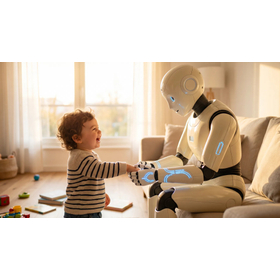
In the toy industry, it is essential to stimulate children's five senses and nurture rich emotions. In particular, touch plays a crucial role in children's development, making it important to balance safety and approachability. Traditional hard robots often made children feel hesitant to touch them and raised safety concerns. Our electronic skin (fabric-like flexible sensor) gives robots a human-like sense of touch, allowing children to interact safely and build emotional connections. ◆ Robots without a sense of touch are not just cold, lifeless tools; they can also be perceived as threats. A child hesitantly presses their finger against the robot's arm. In many cases, the robot only responds with indifferent silence. However, the situation changes dramatically with fabric-like flexible sensor technology. By giving the robot "smart skin," the child's fear dissipates, transforming into curiosity about meeting a new playmate. 【Usage Scenarios】 - Robot toys for children - Tactile experience educational toys - Communication robots for the elderly 【Effects of Implementation】 - Stimulates children's curiosity and exploratory spirit - Builds an intimate relationship with the robot - Provides a safe and reassuring tactile experience
Added to bookmarks
Bookmarks listBookmark has been removed
Bookmarks listYou can't add any more bookmarks
By registering as a member, you can increase the number of bookmarks you can save and organize them with labels.
Free membership registration
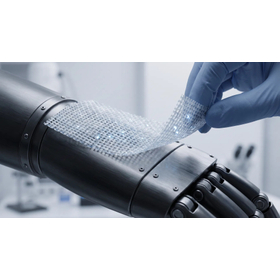
In the medical field, especially in palpation, accurate diagnosis and reduction of patient burden are required. Robots without tactile sensation have limitations in delicate palpation and interaction with patients. Fabric-based flexible sensors enable robots to have human-like tactile sensations, allowing for more precise palpation and reducing patient anxiety. Robots without tactile sensation are not just cold, lifeless tools; they can become a threat. However, the situation changes dramatically with fabric-based flexible sensor technology. By embedding thousands of sensors into textile materials, robots are given "smart skin." This way, robots can respond with friendly vibrations. The customer's fear dissipates, transforming into an encounter with a new conversational partner. 【Application Scenes】 - Surgical support robots - Rehabilitation 【Effects of Implementation】 - Improved diagnostic accuracy - Reduced burden on patients - Reduced burden on healthcare professionals
Added to bookmarks
Bookmarks listBookmark has been removed
Bookmarks listYou can't add any more bookmarks
By registering as a member, you can increase the number of bookmarks you can save and organize them with labels.
Free membership registration
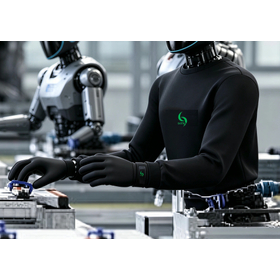
Robots without tactile senses are not just cold, lifeless tools; they can become a threat. However, the situation changes dramatically with fabric-based flexible sensor technology. By embedding thousands of sensors into textile materials, robots are given a "smart skin." This way, robots begin to respond with friendly vibrations. Customers' fears dissipate, transforming into encounters with new conversational partners. 【Application Scenes】 - Customer service robots - Caregiving robots - Improvement of services through robots 【Effects of Implementation】 - Enhanced safety for users - Reduced burden on staff - Building intimate relationships with robots
Added to bookmarks
Bookmarks listBookmark has been removed
Bookmarks listYou can't add any more bookmarks
By registering as a member, you can increase the number of bookmarks you can save and organize them with labels.
Free membership registration
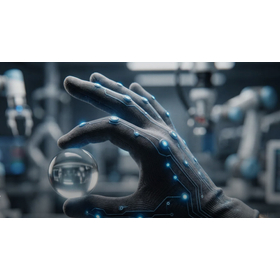
The high-precision pressure sensor technology detects the exact strength of contact. It enables robots to make more accurate judgments and responses in complex environments. From grasping delicate objects to complex human-robot collaboration, it accurately records and analyzes all types of contact, providing a reliable data foundation for intelligent decision-making.
Added to bookmarks
Bookmarks listBookmark has been removed
Bookmarks listYou can't add any more bookmarks
By registering as a member, you can increase the number of bookmarks you can save and organize them with labels.
Free membership registration
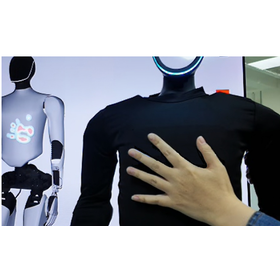
Robots are becoming increasingly dexterous in their movements, but their facial expressions remain stiff. This disconnect is one of the fundamental obstacles preventing robots from truly integrating into human life. For children, the elderly, and socially vulnerable individuals, robots without a sense of touch are not only cold and inhuman tools but can also pose a threat. ● First Encounter A 5-year-old child tentatively presses their finger against the robot's arm. Such contact often comes with mechanical and rigid resistance or indifferent silence. However, the situation changes dramatically with fabric-based flexible sensor technology. Now, the robot can respond with friendly vibrations. The fear that had been in the child's eyes disappears, replaced by curiosity about meeting a new playmate. ● From Fear to Trust
Added to bookmarks
Bookmarks listBookmark has been removed
Bookmarks listYou can't add any more bookmarks
By registering as a member, you can increase the number of bookmarks you can save and organize them with labels.
Free membership registration
In the rehabilitation industry, it is essential to accurately analyze patients' movements and develop effective rehabilitation plans. Particularly, understanding subtle body movements and the application of force is a crucial factor that influences the quality of treatment. Traditional measurement methods have posed challenges, as they place a significant burden on patients and make accurate data collection difficult. Our electronic skin solves these issues by detecting pressure with a sensation close to that of the patient's skin through fabric-like flexible sensor technology, providing "tactile" feedback to robots and various devices. 【Application Scenarios】 - Motion analysis - Gait analysis - Posture assessment 【Benefits of Implementation】 - Reduced burden on patients - Objective data collection - Improved rehabilitation outcomes
Added to bookmarks
Bookmarks listBookmark has been removed
Bookmarks listYou can't add any more bookmarks
By registering as a member, you can increase the number of bookmarks you can save and organize them with labels.
Free membership registration
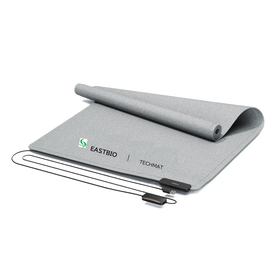
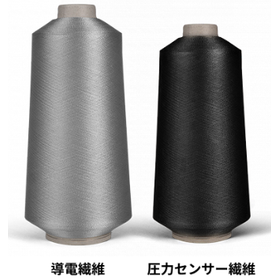
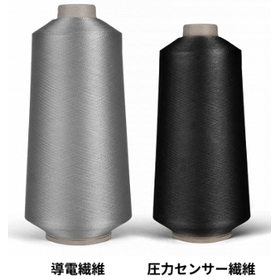
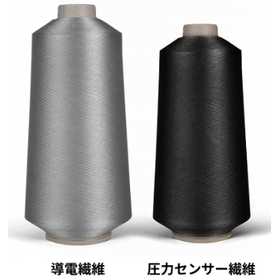
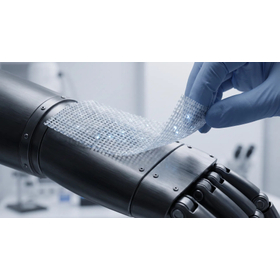
"Electronic skin" is an advanced tactile sensing device that utilizes fabric-like flexible sensor technology. By processing sensors into fiber form and weaving them like fabric, it achieves high flexibility and breathability. It can detect pressure with a sensation close to that of human skin, providing "tactile" feedback to robots and various devices. Unlike conventional film-type sensors, it naturally conforms to curved surfaces and dynamic environments, allowing for a wide range of applications. [Features] ■ Visualization of pressure ■ Detection of fall risks ■ Enhancement of robotic movements *For more details, please download the PDF or feel free to contact us.
Added to bookmarks
Bookmarks listBookmark has been removed
Bookmarks listYou can't add any more bookmarks
By registering as a member, you can increase the number of bookmarks you can save and organize them with labels.
Free membership registration