

Abnormality detection using multifunctional poles for railways
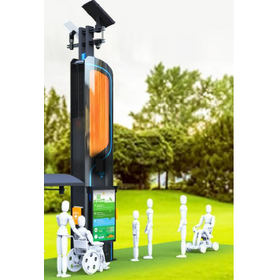
Protecting railway safety! Detecting anomalies with multifunctional poles and supporting rapid response.
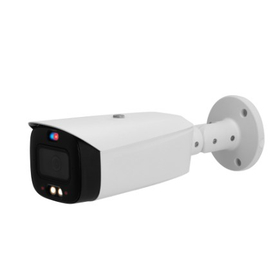
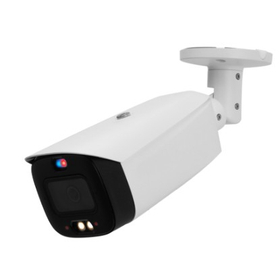
In the railway industry, it is important to detect abnormalities in tracks and equipment early to prevent accidents. The introduction of abnormal detection systems is essential to ensure safe operations and gain the trust of users. Our multifunctional poles are equipped with pedestrian counting cameras and environmental sensors, contributing to railway safety management. They enable early detection of abnormalities and allow for rapid response. 【Usage Scenarios】 - Abnormal detection along tracks and within stations - Detection of people and vehicles at level crossings - Detection of foreign objects on elevated bridges and in tunnels 【Effects of Implementation】 - Reduction of accident risks - Stabilization of operations - Assurance of user safety
- Company:ワールドポール
- Price:Other



![[For Banks] Cutting-Edge AI Utilization in the Financial and Insurance Industries](https://image.www.ipros.com/public/product/image/2117329/IPROS9792769627413453838.png?w=280&h=280)
